What an Impact Resistant Conveyor Belt Is
An impact resistant conveyor belt is a heavy-duty rubber conveyor belt built to absorb the shock of large, sharp or fast-falling material at loading points. In mines, quarries, cement plants, power stations and sand and gravel yards, rock and ore often drop several meters onto the belt. A standard belt can bruise, cut or puncture under that load. The impact resistant conveyor belt uses a tougher cover compound and a reinforced carcass so the belt survives repeated hits and keeps the line running.
It is the same product often called a shock absorbing conveyor belt or heavy-duty impact belt. Those names describe the same belt, not a different type. The keyword here is the impact duty, and the belt is still a fabric or steel cord belt underneath.
How the Belt Is Built
The construction has three main parts. The top cover is usually a thick, high-elasticity rubber compound, often 6+2 mm, 8+3 mm or thicker, which spreads the point load over a wider area. The carcass carries the tension and may be multi-ply fabric, such as an EP Conveyor Belt or NN Conveyor Belt, or a Steel Cord Conveyor Belt for very long and high-tension lines. The bottom cover protects the pulley side.
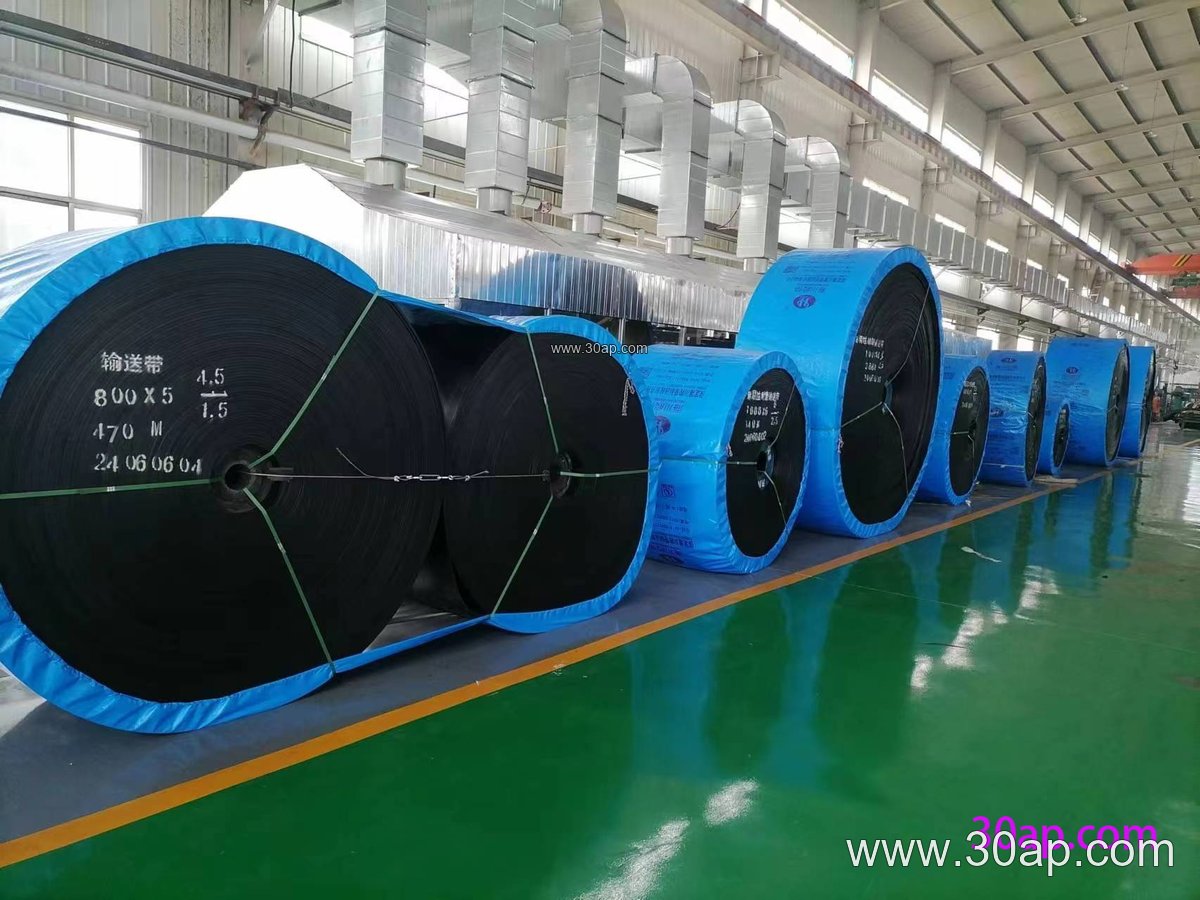
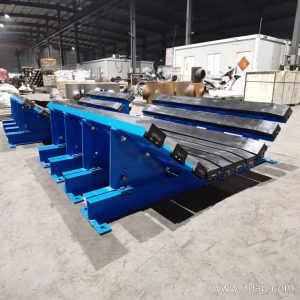
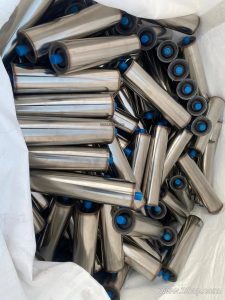
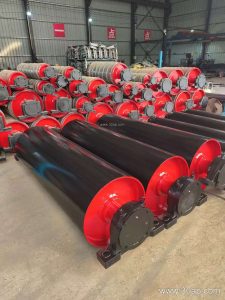
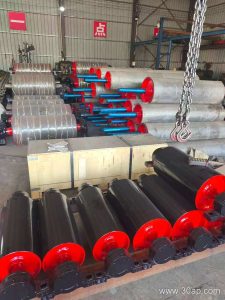
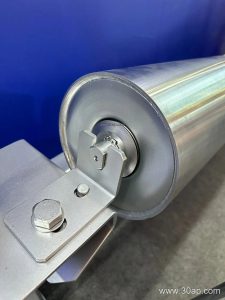
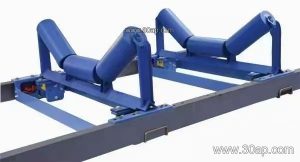
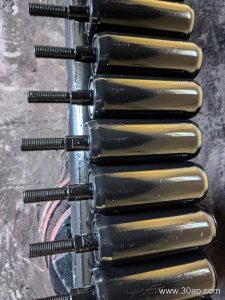
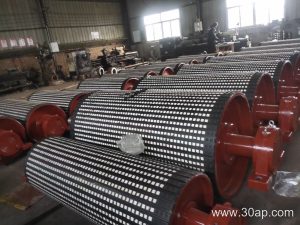
At transfer points, some plants add a impact idler roller or cushion idler under the belt to absorb energy before it reaches the carcass. The belt, idler roller, conveyor pulley and conveyor bracket work as one system, so the belt should be matched to the whole conveyor, not chosen alone.
| Common construction | Typical reference values |
|---|---|
| Top cover thickness | 6+2, 8+3 mm (often thicker at impact zones) |
| Fabric plies | 2 to 6 plies, depending on design |
| EP strength grades | EP200, EP315, EP400, EP500, EP630, EP800, EP1000, EP1250 |
| Belt widths | B650, B800, B1000, B1200, B1400, B1600 |
These figures are common references only. Actual cover thickness, ply count and strength grade are set by the conveyor design, the drop height and the material size.
Where It Is Used
The belt suits crushing circuits and primary receiving stations. In a quarry or stone crushing plant, run-of-mine rock hits the belt right after the crusher. In coal mining and underground coal mining, lump coal and stone fall from chutes onto the belt. Cement plants use it under clinker silos and at raw material transfer points. Iron ore, copper ore and gold mining operations also rely on it where ore is coarse and abrasive.
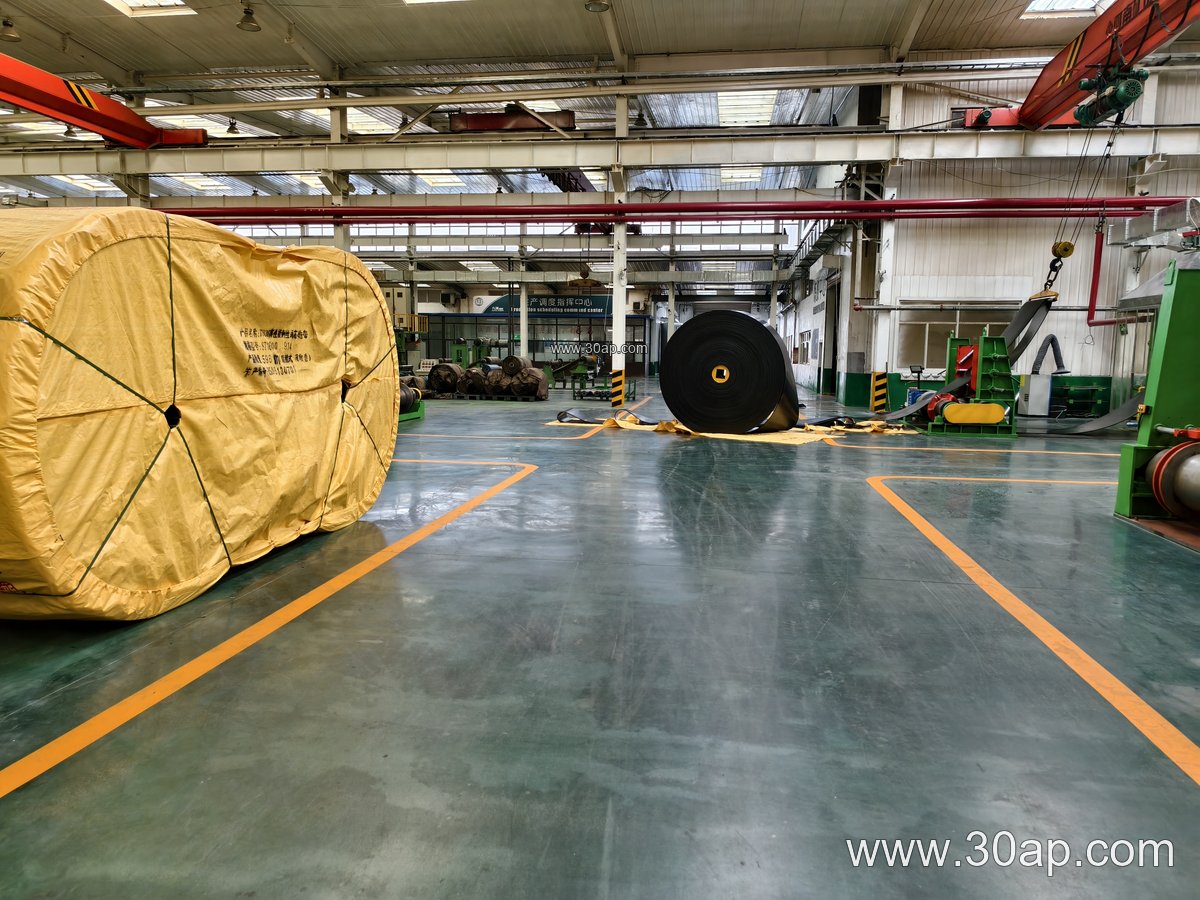
It is often combined with other duties. A mine may need a Flame Retardant Conveyor Belt or Fire Resistant Conveyor Belt for safety, and an Abrasion Resistant Conveyor Belt where sliding wear is severe. At a port or ship loading terminal, a Chevron Conveyor Belt may be used on an incline, while a Skirted Conveyor Belt or Corrugated Sidewall Conveyor Belt controls material at the edges. A Pipe Conveyor Belt is a different design for enclosed transport and is not a substitute for an impact belt.
What a Buyer Should Check
- Drop height and lump size. The higher and heavier the fall, the thicker and tougher the top cover should be.
- Tension and length. Short lines may use EP or NN fabric belts; long, high-tension lines may need steel cord.
- Belt width and speed. Width must match the conveyor frame and the pulley face, and speed affects impact energy.
- Support at the load point. Impact idlers and a proper chute reduce shock before it reaches the belt.
- Environment. Heat, oil, cold or fire risk may call for a Heat Resistant Conveyor Belt, Oil Resistant Conveyor Belt or Cold Resistant Conveyor Belt in the same line.
Ask for the cover grade, carcass type and ply count in writing, and confirm that the belt width fits the existing conveyor pulley and frame. Do not assume that one belt width fixes one pulley diameter; pulley size is set by the conveyor design.
Installation and Care
Keep the chute centered so material lands in the middle of the belt. Check impact idlers for wear and replace flattened rollers early. Track belt edges and adjust the tail pulley and bend pulley as needed. Store spare belts flat and away from heat. A well-matched impact resistant conveyor belt, with the right idler roller and conveyor pulley setup, reduces downtime in mining, cement, power and aggregate operations.