What a Conveyor Bracket Assembly Does
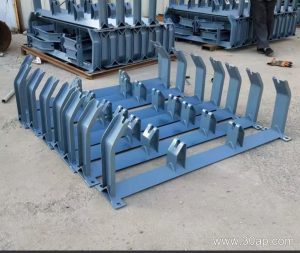
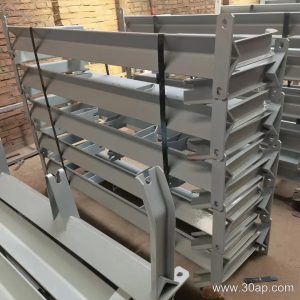
A conveyor bracket assembly is the structural support that holds idler rollers at the correct position and angle beneath a conveyor belt. It is a fabricated steel unit, usually built from angle steel, channel steel, or folded plate, and it is bolted or welded to the conveyor frame. The assembly carries the idler roller, sets the trough angle on the carrying side, and keeps the belt profile stable along the entire run. In a coal mining conveyor line or a quarry conveyor, the brackets repeat at regular intervals, so even small differences in build quality become visible over hundreds of meters.
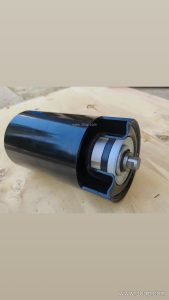
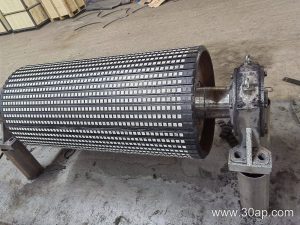
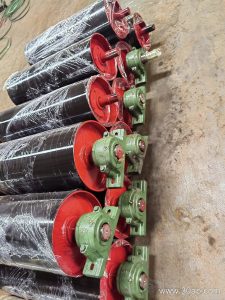
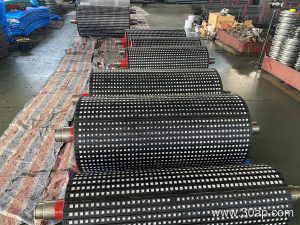
The term describes the complete unit: the crossbeam, the mounting pads or notches for the idlers, the fixing holes, and any adjusting elements. It is not the same as the roller it holds, and it should not be confused with the pulley at the drive or tail end. A conveyor pulley drives or redirects the belt, while the bracket assembly only supports the troughed or flat belt path in between.
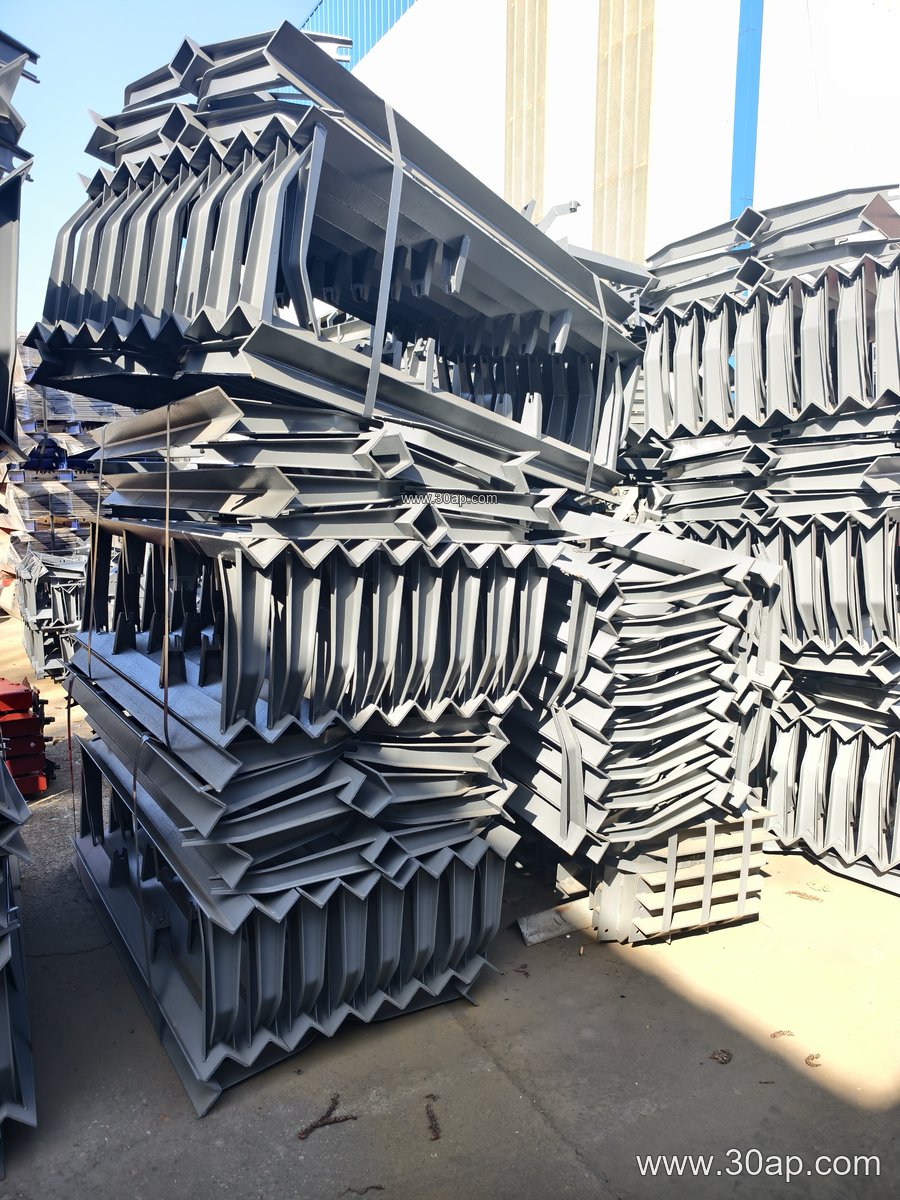
How the Assembly Is Built
Most designs start with a formed steel beam sized to the belt width. Idler attachment points are positioned to produce the required trough angle, and the ends are drilled or slotted to match the frame. Common versions include:
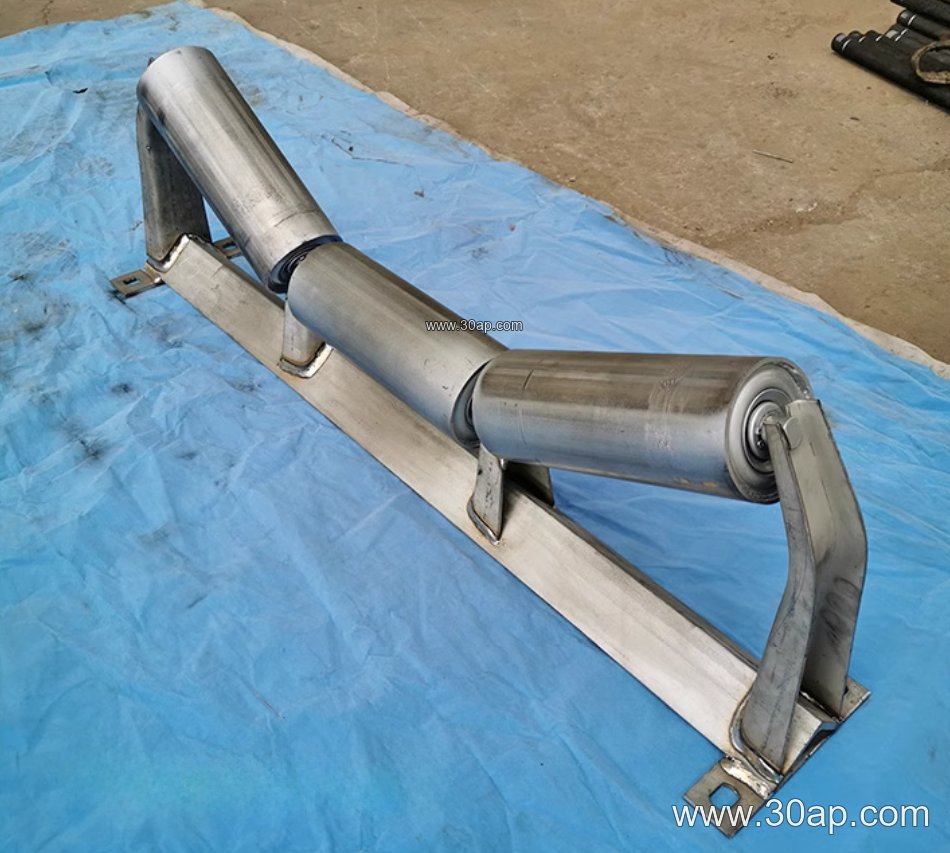
- Troughing bracket assemblies for the carrying side, often at 20, 30, 35, or 45 degrees
- Transition brackets near pulleys, where the belt changes from flat to troughed
- Return brackets and V-type return brackets for the empty side
- Impact brackets under loading points, fitted with buffer idlers
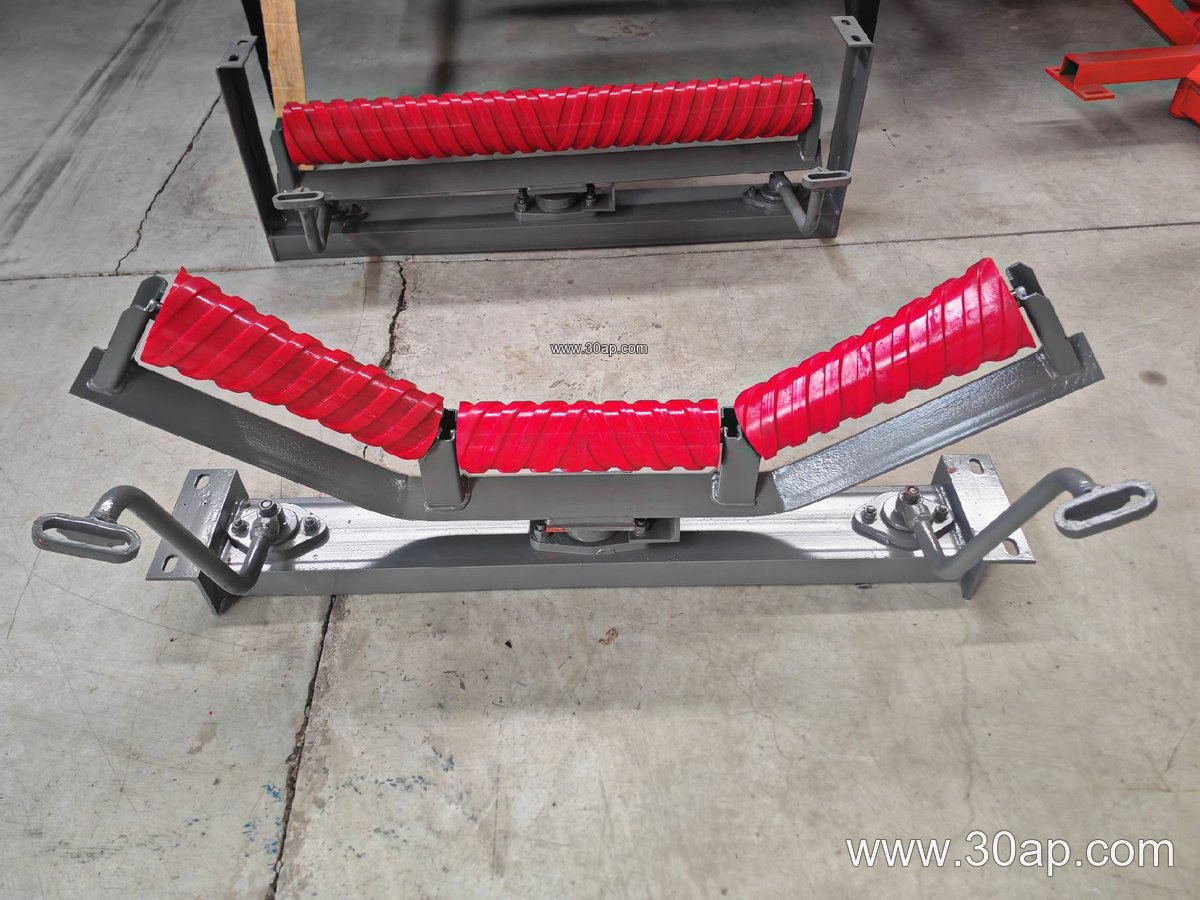
- Self-aligning and forward-leaning brackets for belt tracking
- Adjustable brackets that allow the trough angle to be changed on site
Materials are selected for the duty. A heavy-duty mining conveyor belt line may call for thicker channel steel than a light aggregate conveyor. Welds should be continuous at load points, and all edges that touch the belt or roller should be smooth. Adjustable designs usually offer a working range between common trough angles rather than a single fixed setting.
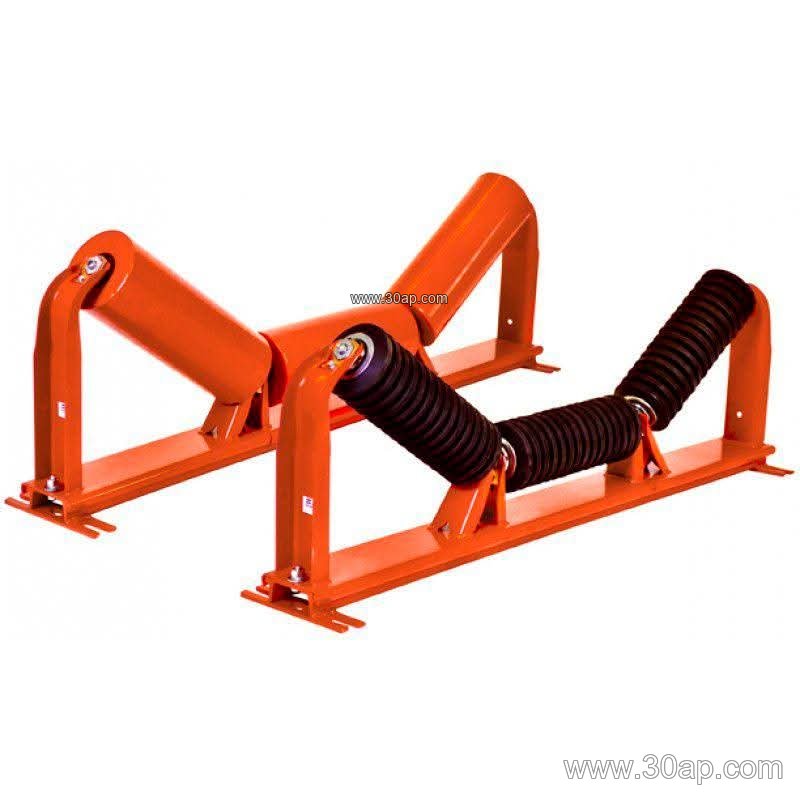
Where These Assemblies Are Used
Bracket assemblies appear wherever a belt conveyor runs on idlers. In a limestone mine or a cement plant, troughing brackets carry an abrasion resistant conveyor belt loaded with crushed rock. In a power plant coal yard, flame retardant conveyor belt grades run over brackets that must resist dust and vibration. Sand and gravel lines, iron ore handling, and port ship loading conveyors all rely on the same principle, though the steel thickness and roller diameter change with the load.
The bracket also interacts with belt behavior. A poorly aligned assembly can cause edge wear on an EP conveyor belt or a steel cord conveyor belt, while a correctly set trough angle helps keep material centered. In long overland runs, transition brackets protect the belt as it leaves the drive pulley and enters the trough section.
Matching Brackets, Belt Width, and Roller Diameter
Selection starts with belt width, then roller diameter, then trough angle. The table below shows typical reference combinations; actual values follow the conveyor design.
| Belt width | Common trough angle | Typical idler diameter | Typical use |
|---|---|---|---|
| B500 | 20-30 degrees | Ø89 | Light aggregate, sand |
| B650 | 30 degrees | Ø89-Ø108 | Small crushing lines |
| B800 | 30-35 degrees | Ø108 | General quarry duty |
| B1000 | 35 degrees | Ø108-Ø133 | Cement and coal handling |
| B1200 | 35-45 degrees | Ø133 | Mining and port conveyors |
| B1400 | 35-45 degrees | Ø133-Ø159 | Heavy bulk material |
| B1600 | 35-45 degrees | Ø159 | Ore and large tonnage |
| B1800-B2000 | 35-45 degrees | Ø159-Ø194 | High capacity trunk lines |
These are reference ranges, not fixed rules. A B1200 belt may run at 35 degrees with Ø133 idlers on one conveyor and at 45 degrees with Ø159 idlers on another, depending on capacity and material. Mounting hole spacing and crossbeam length change with belt width and trough angle, so the bracket drawing should always be confirmed against the frame.
Buyer Checklist
Before ordering a conveyor bracket assembly, confirm the belt width, the idler diameter, the required trough angle, and whether the bracket is fixed or adjustable. Check the frame hole pattern, the steel grade, and the surface treatment. Ask how the bracket handles transitions and impact zones, and whether spare mounting hardware is included. For lines carrying a corrugated sidewall conveyor belt or a pipe conveyor belt, confirm that the bracket profile leaves clearance for the belt edge or the pipe shape. Finally, keep bracket type and roller type separate in the purchase list: a return bracket is not a troughing bracket, and a bend pulley is not a tail pulley.