What a Coal Conveyor Belt Does
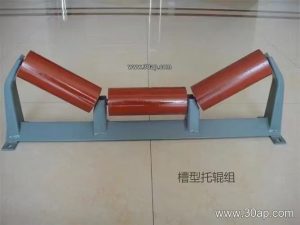
A coal conveyor belt is the load-carrying element of a continuous bulk handling system. It moves crushed or raw coal from a stockpile, crusher, or underground face to screening plants, bunkers, boilers, or ship loaders. In a coal mining conveyor belt installation, the belt runs over idler rollers, wraps around a head or drive pulley, returns over a tail pulley, and is kept aligned by bend pulleys and conveyor brackets. The belt itself does the work of carrying material, so its construction must suit the coal’s lump size, moisture, abrasiveness, and the surrounding environment.
Coal is not a single, uniform cargo. Lignite can be soft and wet, bituminous coal often arrives as sharp, dusty lumps, and coke or blended fuel may be hotter and more abrasive. That is why the same conveyor structure may need very different belt constructions at different points in a plant.
How the Belt Is Built
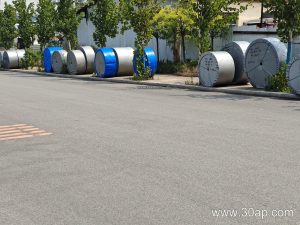
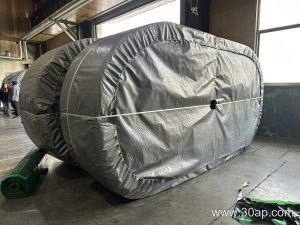
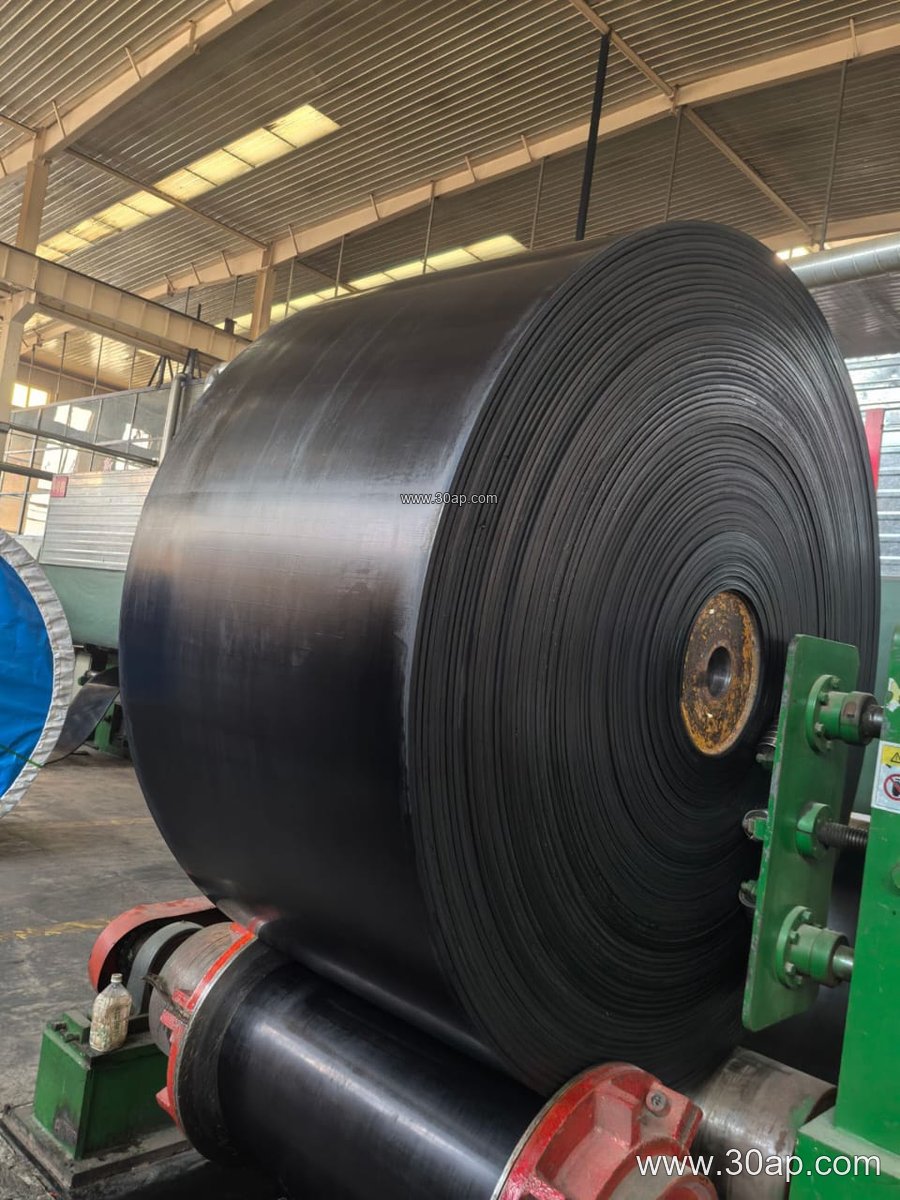
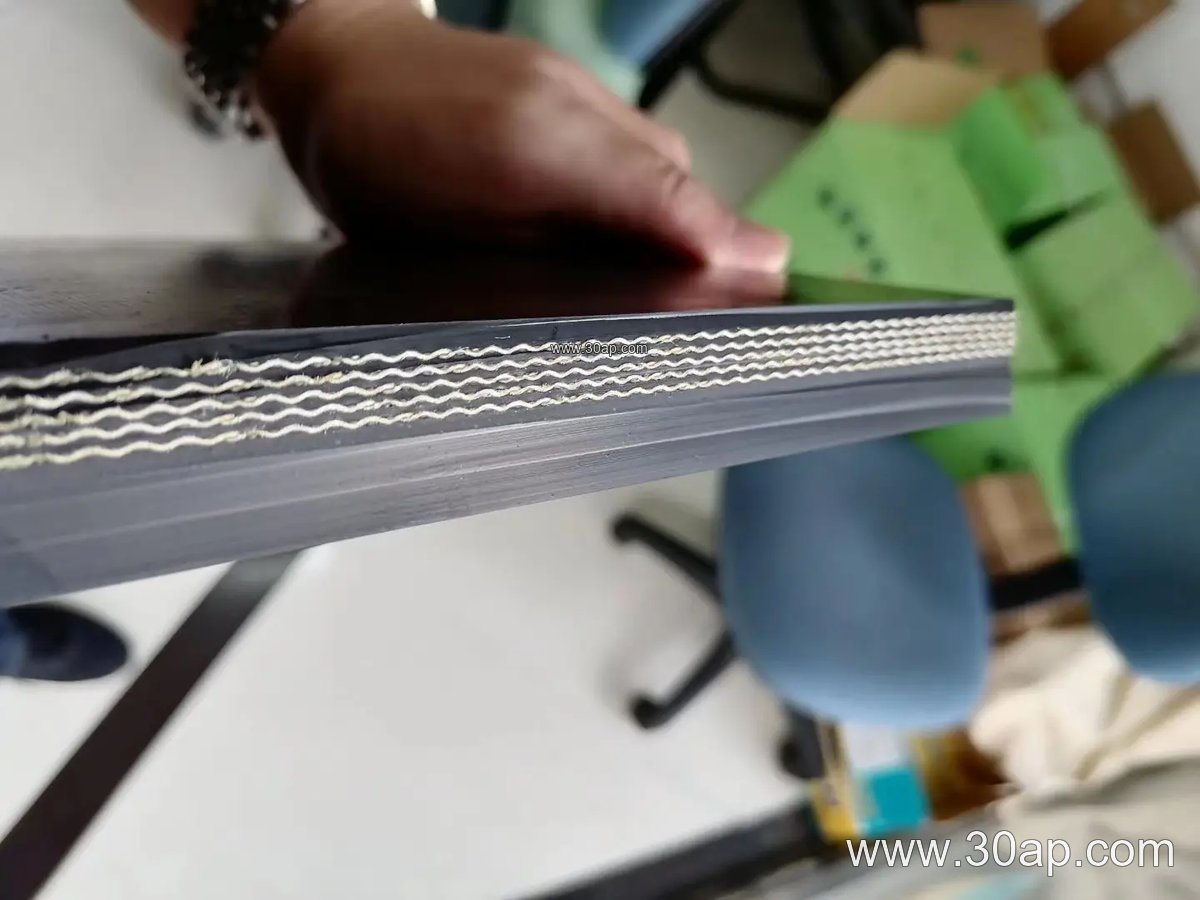
Most coal handling lines use a fabric-reinforced rubber belt. The carcass provides tensile strength, while the top and bottom covers protect it from impact, abrasion, and moisture. Common carcass options include EP conveyor belt (polyester-nylon), NN conveyor belt (nylon-nylon), and multi-ply fabric core conveyor belt constructions. For long overland runs and high tonnage, a steel cord conveyor belt is often chosen because a single layer of steel cords can carry very high tension with less stretch.
Covers are usually specified as top plus bottom thickness, for example 4+2 mm, 5+2 mm, or 6+2 mm. The carcass may have 2 to 6 plies depending on the duty. In underground coal mining, flame retardant and anti-static properties are typically required, and PVG or PVC belts are frequently used where fire safety and low weight matter. Above ground, abrasion resistant conveyor belt grades are common on transfer points and crusher discharge lines.
| Construction | Typical strength range | Where it fits |
|---|---|---|
| EP fabric belt | EP200 to EP2000 | General coal handling, plant conveyors |
| NN fabric belt | NN100 to NN400 | Medium-duty lines, good flexibility |
| Steel cord belt | ST1000 to ST3150 | Long distances, high tonnage, low elongation |
| PVG / PVC belt | PVG800, PVG800S and similar | Underground coal mining, flame retardant duties |
These figures are reference ranges, not fixed pairings. A belt width and a pulley diameter are selected together with the drive calculation, not by a single rule.
Widths and Site Conditions
Belt width is matched to lump size and required capacity. Common widths include B650, B800, B1000, B1200, B1400, B1600, and B1800; wider belts such as B2000 or B2200 appear in large port and power plant systems. A 1200mm wide conveyor belt is a frequent choice for main coal streams, while narrower 650mm or 800mm belts suit feeders and short transfer conveyors.
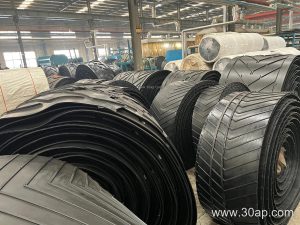
Environmental factors shape the specification as much as tonnage does. Coastal ports may ask for a cold resistant or oil resistant cover, cement and power plants often need heat resistant conveyor belt grades near dryers or boilers, and dusty coal yards benefit from anti-static properties. Where coal is transported on an incline, a chevron conveyor belt or corrugated sidewall conveyor belt can prevent rollback or spillage; a pipe conveyor belt is sometimes used to enclose the load and reduce dust along the route.
What Buyers Should Check
- Confirm the actual coal type, lump size, moisture, and temperature range before choosing covers.
- Match belt tension rating to the conveyor profile, including start-up and surge loads.
- Check pulley and idler roller compatibility, especially at transfer points where impact is severe.
- Ask for the flame retardant and anti-static performance data if the line runs underground or in a closed gallery.
- Review splice method and edge condition, since these often decide service life more than the cover compound alone.
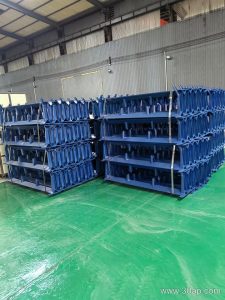
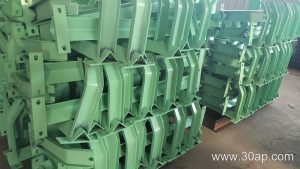
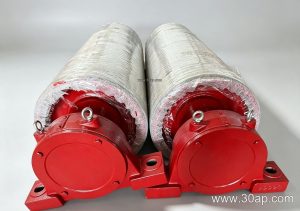
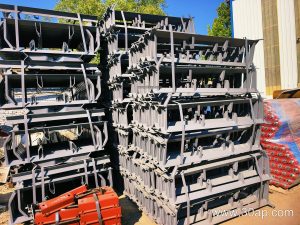
On a typical coal handling project, the belt, idler roller, conveyor pulley, and conveyor bracket are treated as one system. A heavy-duty mining conveyor belt may last well on a clean main line but fail early at a poorly designed transfer chute. Buyers should therefore share the conveyor drawing, duty cycle, and site conditions rather than ordering by width and strength alone.
Maintenance and Long-Term Performance
Regular inspection of the belt surface, edges, and splices prevents small damage from becoming a full stoppage. Keeping idlers turning freely and pulleys clean reduces friction and misalignment. Tracking should be corrected at the tail and bend pulleys before edge wear accelerates. In coal yards, wash-down and coal dust control also extend cover life. For abrasive coke or slag blends, a high abrasion resistant conveyor belt grade is worth considering even when the nominal tonnage seems modest.
Whether the plant is a coal mine, cement works, power station, or sand and gravel yard, the selection process stays the same: define the material, define the conveyor, then choose a belt construction that matches both. The coal conveyor belt is a long-term investment, and the details of carcass, cover, and width decide how well it performs.