What a 1000mm Diameter Conveyor Pulley Is
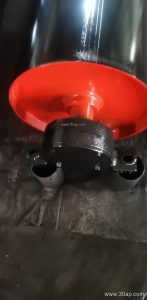
A 1000mm diameter conveyor pulley is a large-diameter drum used at high-capacity transfer points on bulk handling systems. With a shell diameter of about one meter, it spreads belt tension over a longer arc and reduces bending stress in the belt carcass compared with smaller drums. In practice, this size is often specified as a drive pulley, head pulley, or discharge pulley on mainline conveyors, and occasionally as a bend or take-up drum where space allows. It is not a tail pulley by default, and it should not be treated as interchangeable with a snub or winged pulley.
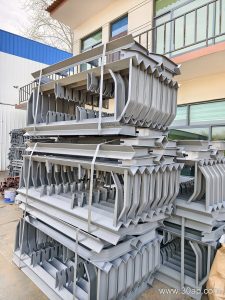
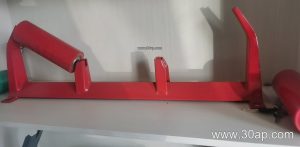
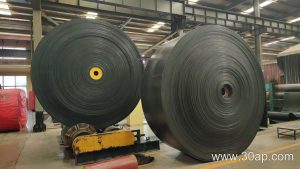
The drum works together with the conveyor belt, idler roller sets, and conveyor bracket assemblies. On a large quarry conveyor belt or a power plant coal handling line, the pulley diameter is usually matched to the belt width, splice type, and starting torque rather than chosen from a single rule.
Construction and Surface Options
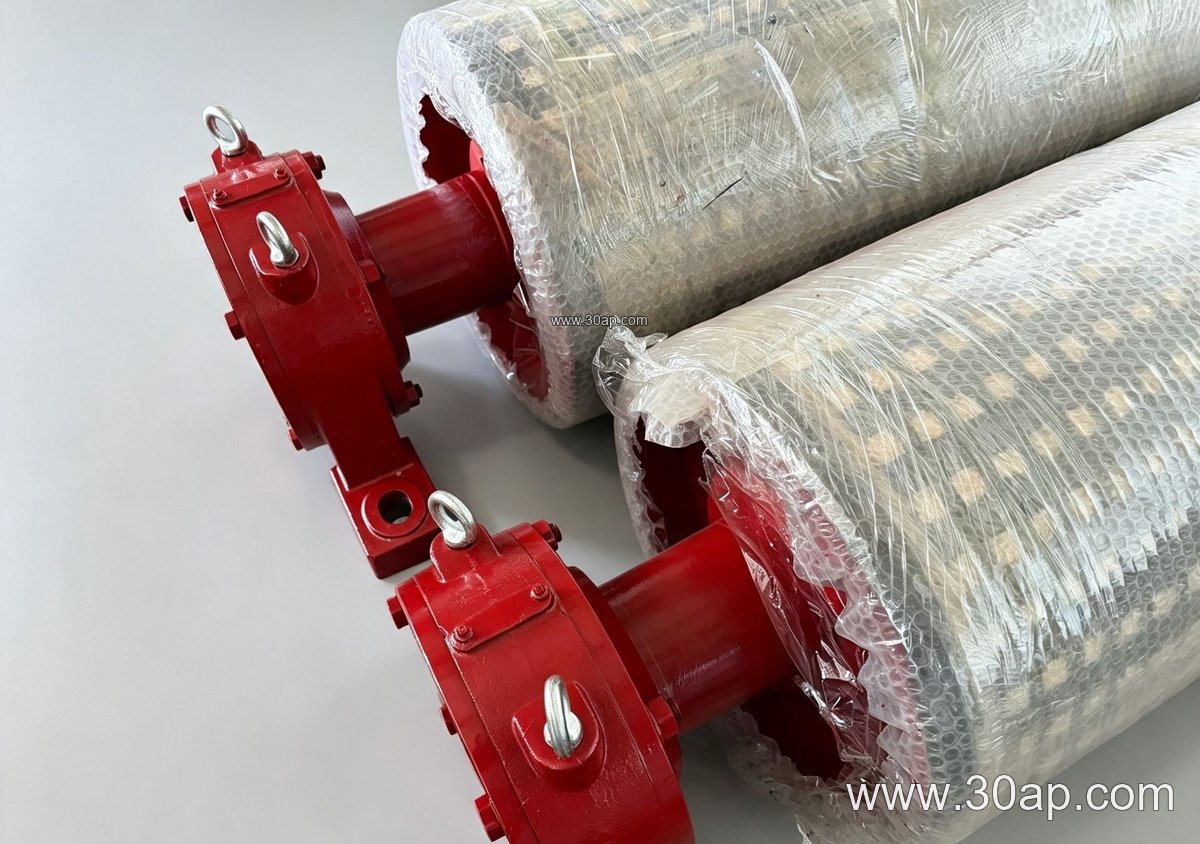
A drum of this size is commonly built as a welded steel shell with machined end discs, a keyed shaft, and bearing housings. Shell thickness and shaft diameter are determined by torque and radial load, not by belt width alone. Common shaft sizes in this class include Ø160, Ø180, and Ø200, but the final value depends on the drive calculation.
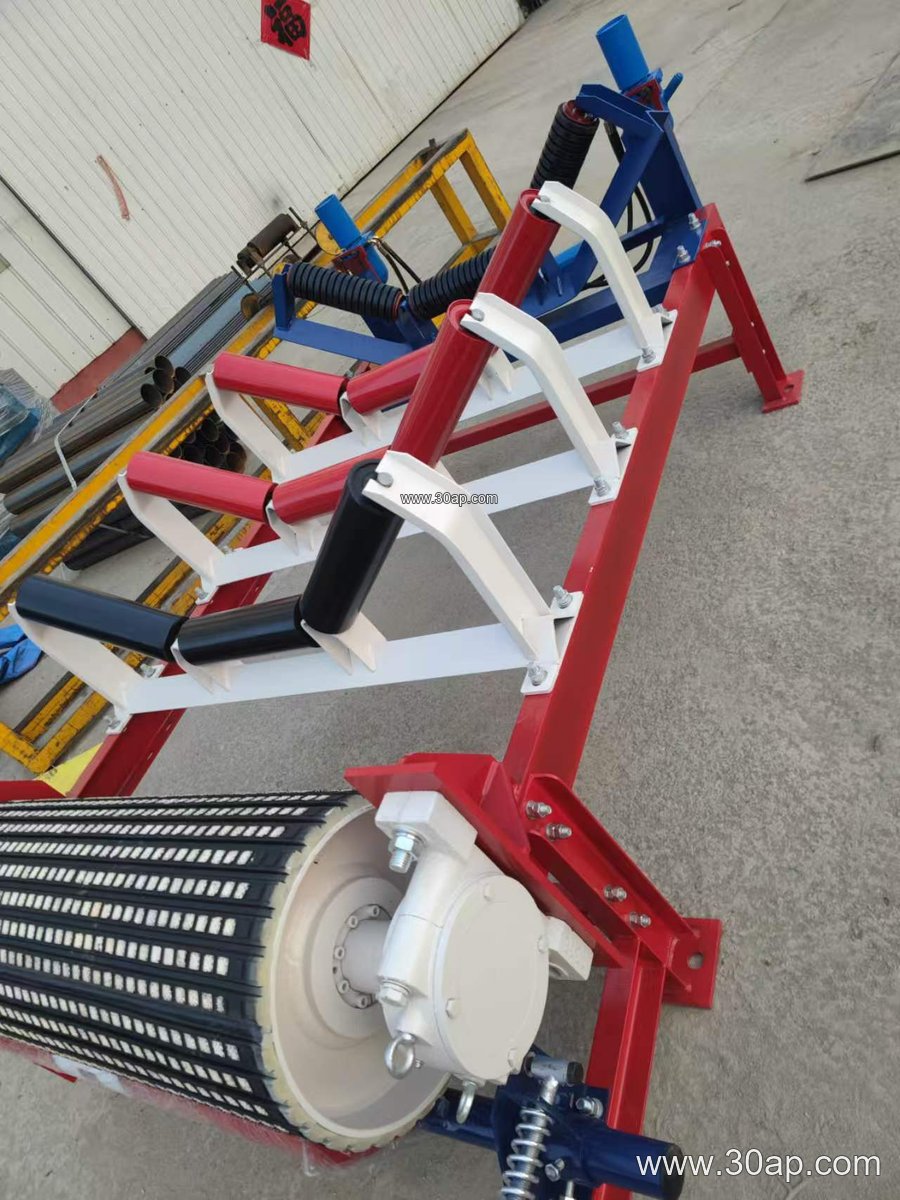
Surface treatment matters on a 1000mm drum because wrap friction and wear both increase with load. Buyers can choose:
- Plain machined surface for light duty or low-tension bends
- Hot vulcanized rubber lagging in 10, 12, 15, or 20 mm thickness
- Cold bonded rubber lagging for field replacement
- Diamond grooved lagging for wet or dusty conditions
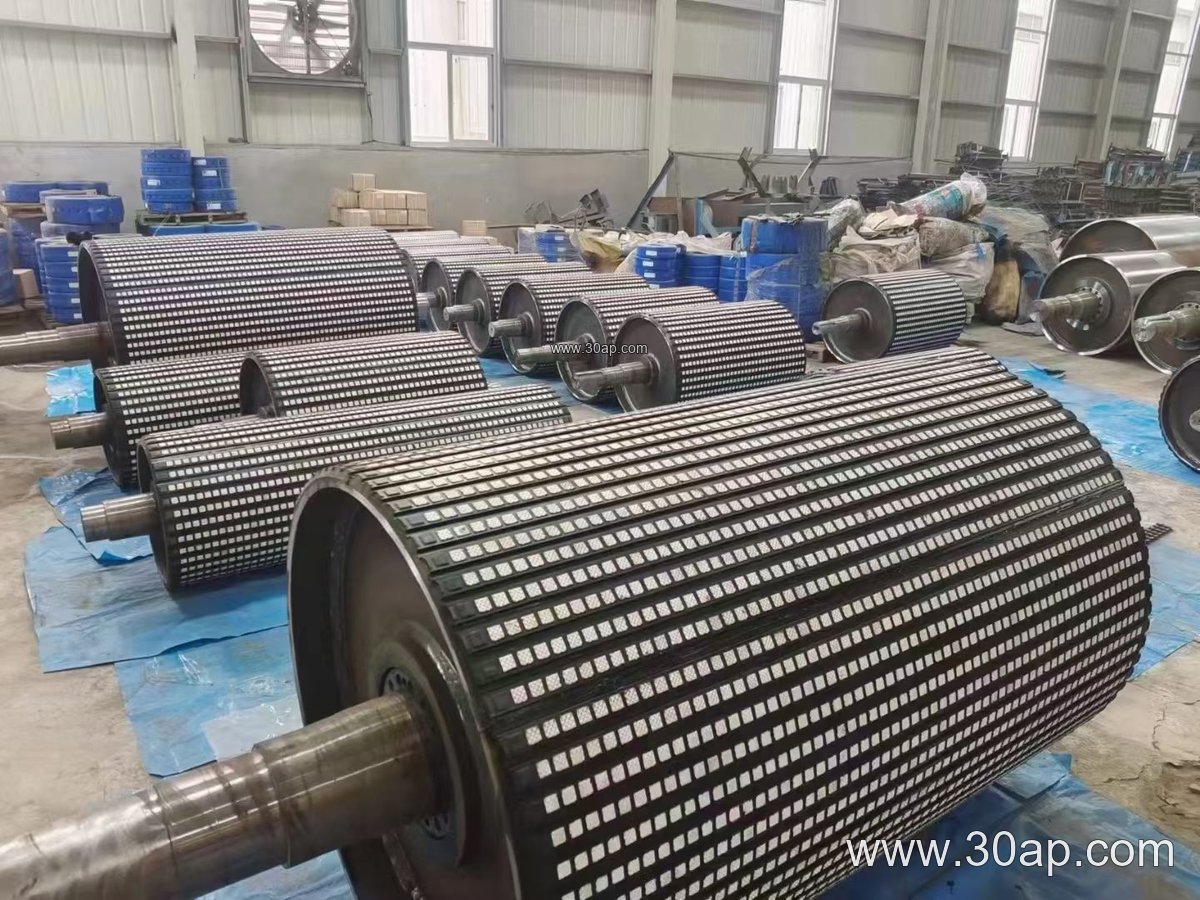
- Ceramic lagging for high abrasion at the drive position
Lagging selection should follow the actual material. A copper ore conveyor handling wet, gritty feed behaves differently from a limestone line running dry. For flame sensitive areas such as an underground coal mining conveyor, the rubber lagging and the belt itself are usually specified with flame retardant properties.
Where the Size Fits
A one-meter drum appears most often on main haulage conveyors in mining, cement plants, steel plants, and port bulk terminals. Typical pairings include B1200 belts on a 1000mm drive pulley and B1400 or B1600 belts at high-tension head positions. Wider belts such as B1800 and B2000 may also use this diameter where the conveyor profile is long and the belt is a steel cord conveyor belt or a heavy multi-ply fabric core conveyor belt.
The same drum size can appear at a discharge point feeding a crusher, where impact and abrasion are severe, or at a tension station on a long overland route. In those positions, the pulley must be checked against the belt’s minimum pulley diameter recommendation, especially for thick EP conveyor belt or NN conveyor belt constructions with many plies.
Specification Reference
The table below shows common reference combinations. These are typical design ranges, not fixed rules, and each project should confirm the final shaft, lagging, and bearing arrangement.
| Item | Common Reference Values |
|---|---|
| Shell diameter | Ø1000 mm |
| Belt width match | B1000, B1200, B1400, B1600, B1800, B2000 |
| Face width example | About 1150 mm for B1000; about 1400 mm for B1200; about 1600 mm for B1400 |
| Shaft diameter | Ø160, Ø180, Ø200 by torque calculation |
| Lagging thickness | 10, 12, 15, 20 mm |
| Surface form | Plain, diamond, ceramic, hot vulcanized rubber |
| Bearing type | Spherical roller bearing in cast or welded housing |
Face width is normally slightly wider than the belt, for example a B1200 belt on a drum with roughly 1400 mm face. This does not mean a given belt width can only use one pulley diameter, nor does it fix the shaft size.
Buyer Checklist
Before ordering, confirm the duty position: drive, head, discharge, bend, or take-up. Check the belt type and tension, including whether the line uses a heat resistant conveyor belt, oil resistant conveyor belt, or abrasion resistant conveyor belt, since lagging and shell protection may change. Verify the shaft diameter from the drive torque, confirm bearing life targets, and specify the lagging pattern for the actual material. Finally, check that the pulley will fit the existing conveyor bracket and that maintenance access allows lagging replacement or bearing service.