What a Conveyor Bracket Is and Where It Fits
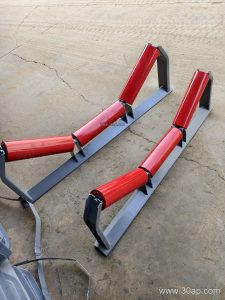
A conveyor bracket is the structural support that holds idlers in the correct position under or above the belt. In a quarry or a coal preparation plant, these brackets determine whether the belt tracks smoothly or wanders, and they influence the overall cost of keeping a line running. When buyers ask about conveyor bracket price, they are usually comparing a complete assembly—bracket frame, mounting holes, and sometimes the idler itself—rather than a single piece of steel.
The bracket works together with the conveyor belt, the idler roller, and the conveyor pulley. A misaligned bracket can shorten belt life and put extra load on the drive pulley, so price should never be the only consideration.
Construction and Common Forms
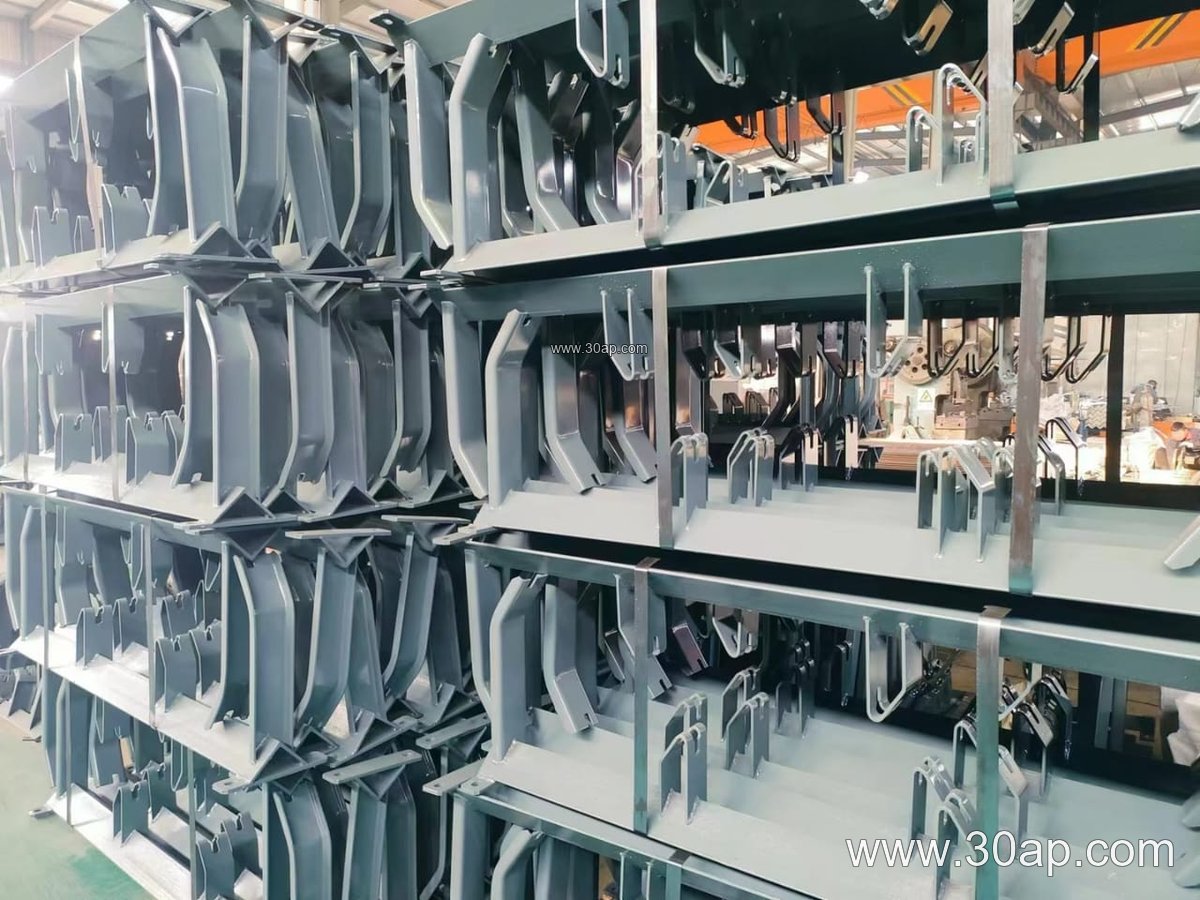
Most brackets are fabricated from angle steel, channel steel, or folded steel plate. The material and thickness affect both strength and price. A lighter bracket may be adequate for a B650 aggregate line, while a B1800 primary crusher discharge needs a heavier frame.
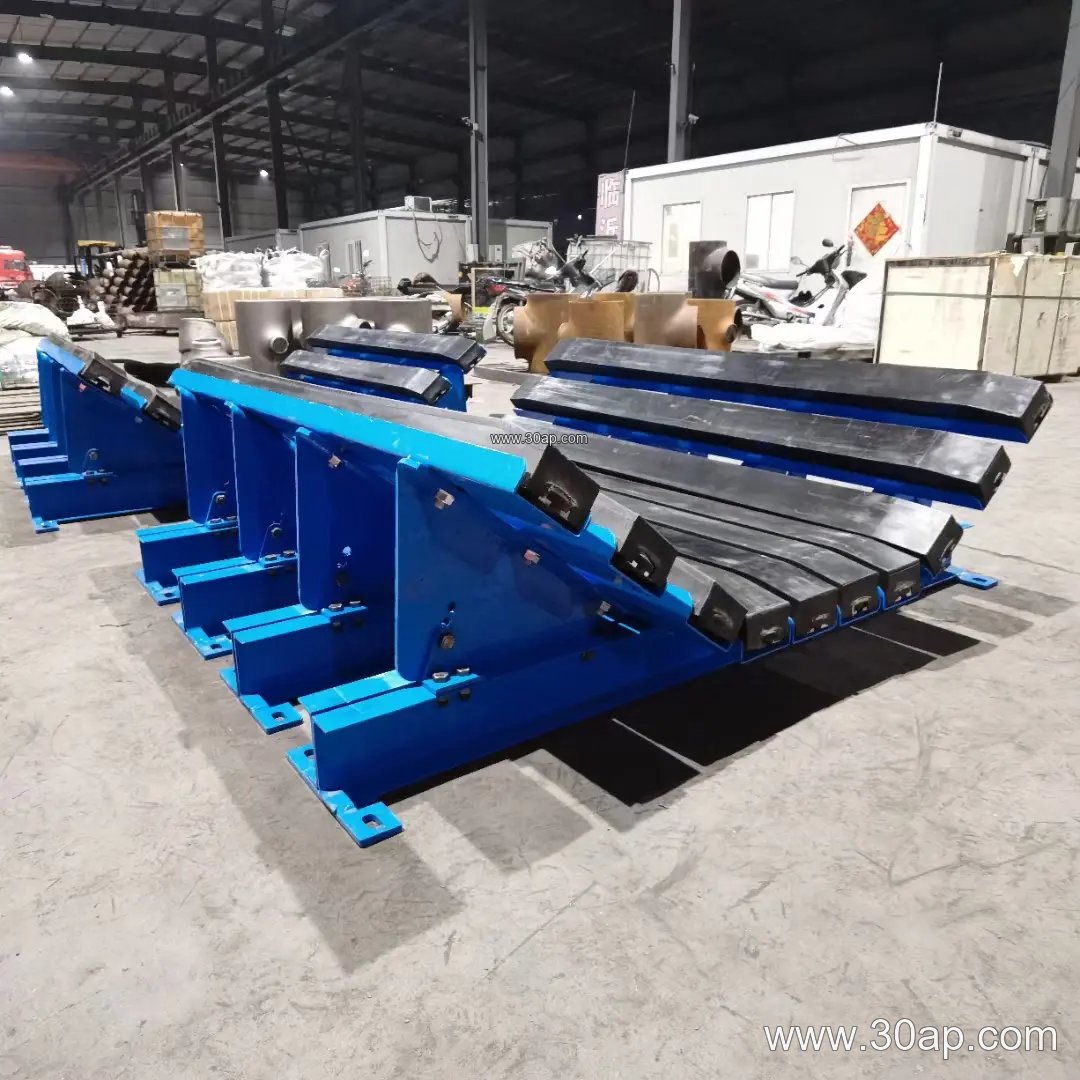
Typical bracket types include troughing brackets (upper), return brackets (lower), impact brackets, self-aligning brackets, and transition brackets. Adjustable versions let maintenance crews change the trough angle without replacing the whole frame. For example, a B1000 conveyor might use a 35-degree troughing bracket with Ø108 idlers, but the same belt width could also run a 30-degree or 45-degree setup depending on material surcharge and belt speed.
How Trough Angle and Belt Width Interact
Trough angle is not fixed by belt width alone. A B800 belt may use 20, 30, or 35 degrees; a B1200 line might use 35 or 45 degrees for higher capacity. The bracket’s mounting hole spacing and crossbeam length change with both width and angle, so these dimensions are always made to order rather than taken from a single table.
When specifying, give the belt width (B500 through B2200 are common), the required trough angle, and the idler diameter (Ø89, Ø108, Ø133, Ø159, or Ø194). A combination such as B1200, 45 degrees, Ø133 is a useful starting point, but the final bracket geometry should be confirmed by the conveyor designer.
Price Drivers Buyers Should Know
Conveyor bracket price reflects steel grade, forming method, hole pattern, surface treatment, and order quantity. Adjustable brackets cost more than fixed ones because of the extra pivot and locking features. Impact brackets with reinforced decks also carry a premium. For a port or power plant unloading system, stainless or hot-dip galvanized brackets may be needed, which adds cost but reduces maintenance in corrosive conditions.
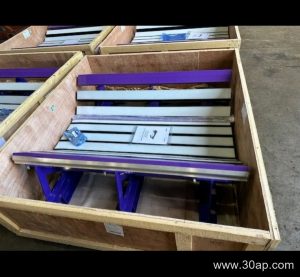
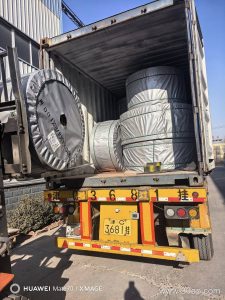
Freight and packaging matter for large frames. A B2000 bracket set is bulkier than a B650 set, so shipping cost can be a noticeable part of the landed price. Buyers should ask for a quote that separates bracket price from idler and pulley costs, since these are often bundled.
Installation and Maintenance Notes
Correct installation keeps brackets working as intended. Align the bracket square to the conveyor centerline, tighten bolts to the recommended torque, and check that the idler rotates freely. In a sand and gravel plant, weekly inspection of troughing brackets helps catch loose bolts before they damage the belt. Self-aligning brackets need clearance to move, so do not over-tighten the pivot.
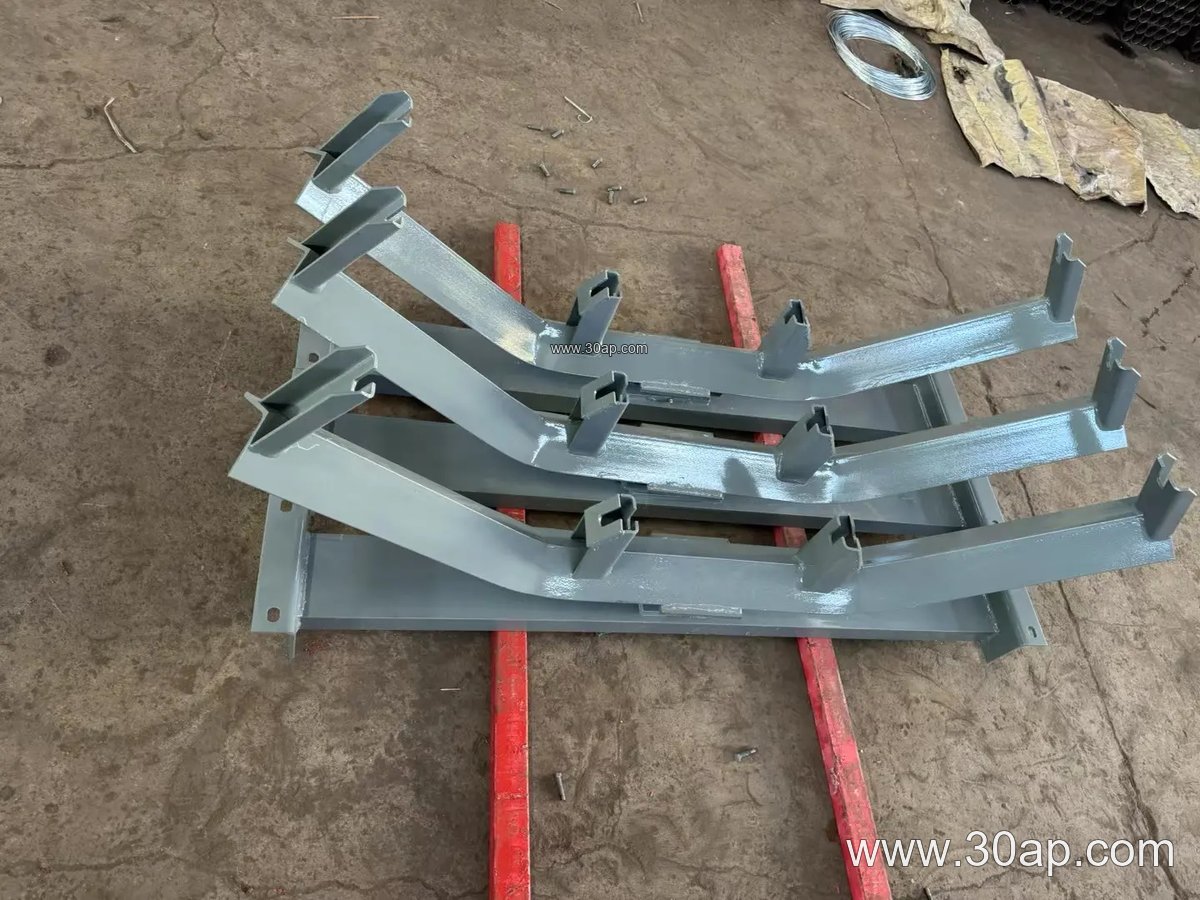
Replacement brackets should match the original hole pattern. If the conveyor has been modified, measure the existing crossbeam and hole spacing before ordering. For high-abrasion service, such as iron ore or copper ore, consider brackets with thicker steel or reinforced mounting ears.
Matching Brackets with Belts and Idlers
Bracket choice should follow the belt construction. A heavy-duty mining conveyor belt or a steel cord conveyor belt often needs a stronger troughing bracket than a lightweight EP conveyor belt on a low-tonnage line. Heat resistant conveyor belt and flame retardant conveyor belt used in underground coal mining may require brackets that keep idlers at the correct height to avoid belt sag.
For transition zones near the tail pulley, transition brackets help guide the belt from flat to troughed without stress. In a cement plant, impact brackets under the crusher discharge protect the belt from lumps. Each of these uses changes the bracket design and therefore the price.
Buying Checklist
- Confirm belt width and trough angle.
- State idler diameter and mounting hole pattern.
- Specify material and surface treatment.
- Ask whether the quote includes idlers or only the bracket frame.
- Check lead time for made-to-order sizes.
By treating conveyor bracket price as one part of the total conveyor support system, buyers can compare offers fairly and avoid costly mismatches on site.