What Makes a Pulley High-Strength
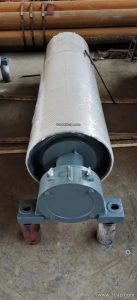
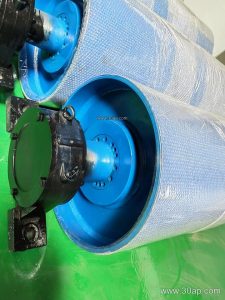
A high-strength pulley is a conveyor pulley built to carry heavy loads and survive continuous duty in abrasive, dusty or wet conditions. In practice, this means a thick-walled drum shell, reinforced end discs, a properly sized shaft, and a bearing arrangement matched to the calculated load. It is the same product many plants simply call a heavy-duty conveyor pulley, and the name reflects construction rather than a single fixed design.
These pulleys are common in quarry and aggregate lines, iron ore and copper ore handling, coal preparation plants, cement clinker circuits, power plant coal feeding and port bulk terminals. Wherever a conveyor belt moves dense material at high tension, the pulley becomes a structural component rather than a simple rotating part.
How the Drum Is Built
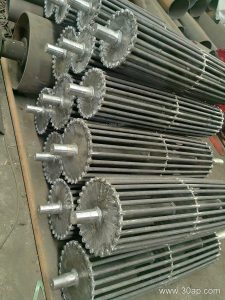
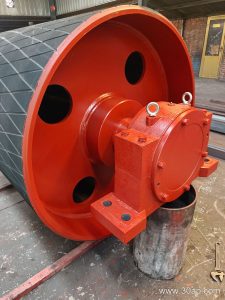
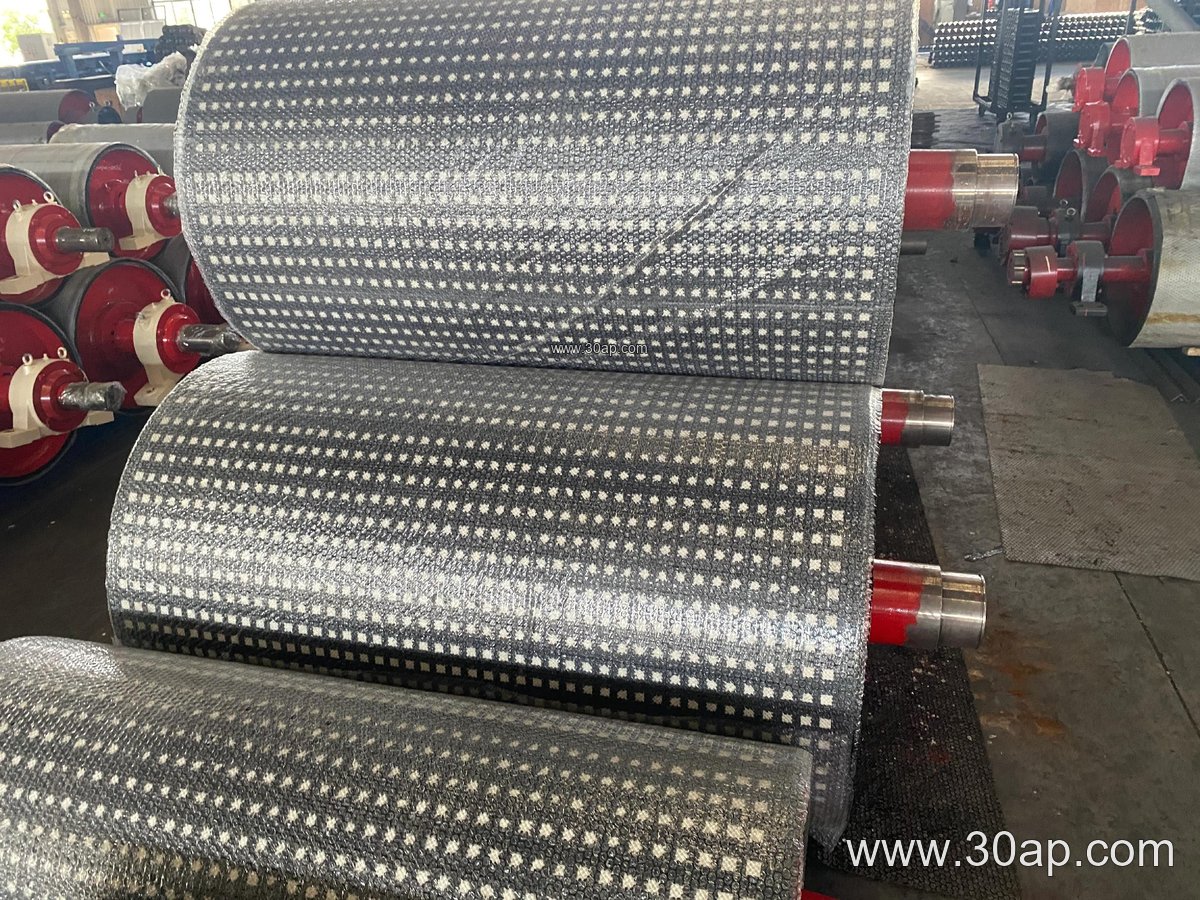
The shell is usually rolled from steel plate, with the wall thickness chosen to resist bending between the end discs. End discs are welded or shrink-fitted, and the shaft is keyed or locked to the hub. On larger units, the hub-to-shaft connection and the weld quality matter as much as plate thickness, because fatigue cracks often begin at joints rather than in the shell body.
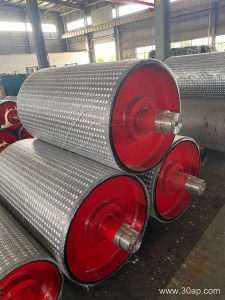
Surface treatment is selected separately from strength. A plain finish suits light contact; rubber lagging improves grip; ceramic lagging helps in wet or oily conditions. Lagging thickness commonly ranges from 8 mm to 20 mm depending on the duty. The pulley face width is normally a little wider than the belt, for example about 1400 mm face for a B1200 belt and about 1800 mm for a B1600 belt, but the final figure follows the conveyor design.
Matching Diameter, Shaft and Belt
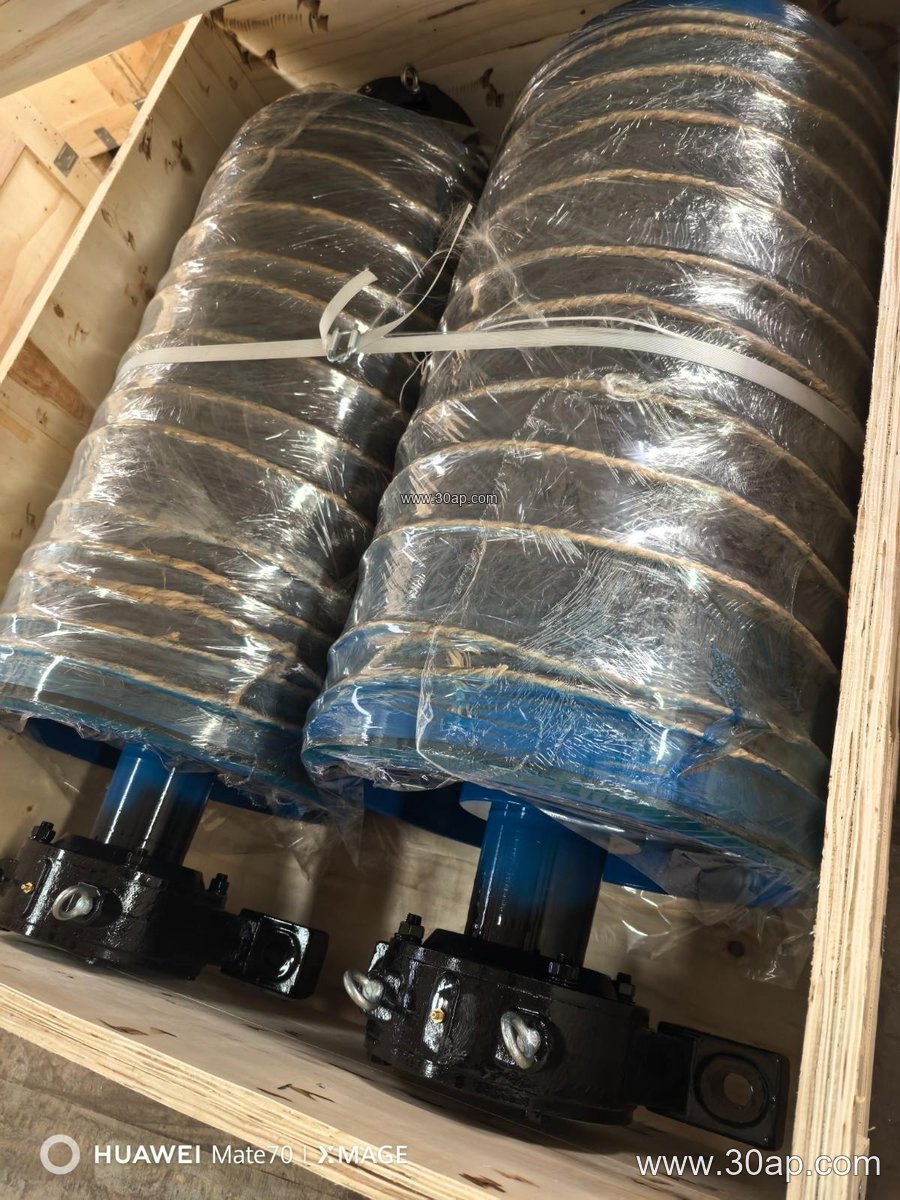
Diameter and shaft size are not chosen from belt width alone. Diameter follows the belt’s minimum bend radius, the required wrap angle and the shaft torque, while shaft diameter follows the actual torque and bearing loads. A B800 pulley might commonly be built around Ø500 mm, and a B1200 unit around Ø1000 mm, yet other combinations are entirely normal. Shaft diameters in the range of Ø80 mm to Ø200 mm appear on heavy units, but the correct value must be calculated.
Belt construction also matters. A steel cord conveyor belt needs a larger minimum pulley diameter than a thin fabric core belt, while a multi-ply fabric core belt sits somewhere in between. Matching the pulley to the belt’s own specification protects both components.
Where the Pulley Sits in the System
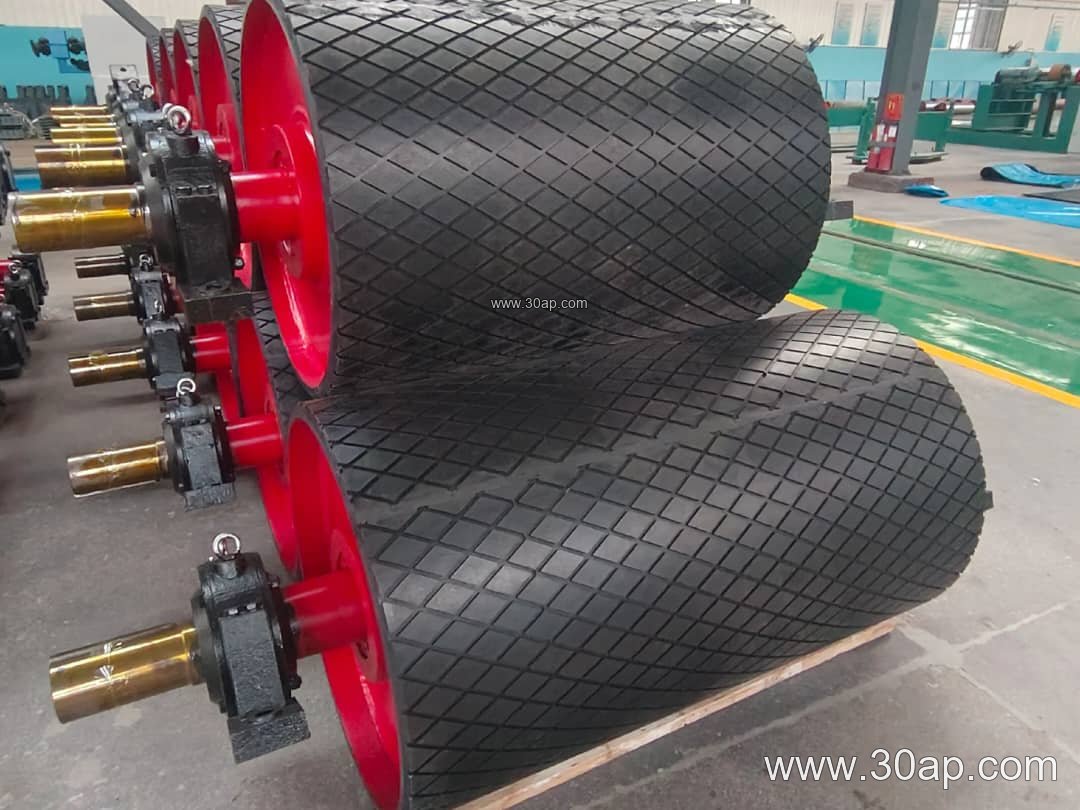
Position changes the duty. A drive pulley transmits torque and needs strong grip, so lagging and a robust hub connection are important. A tail pulley at the loading point may face impact and material build-up. A bend pulley only redirects the belt, so its load is lower but its alignment must still be accurate. These roles are distinct and should not be treated as interchangeable when specifying a replacement.
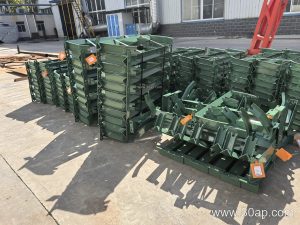
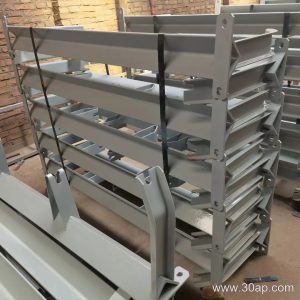
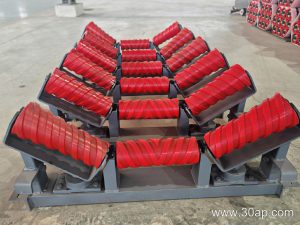
Around the pulley, the conveyor belt, idler roller and conveyor bracket all influence performance. Poorly aligned idlers or loose brackets can load the pulley unevenly, and a worn belt edge can damage lagging. In dusty plants such as a lime kiln feed line or a fertilizer granulation building, sealing and bearing protection deserve early attention.
Buyer Checklist
- Confirm the belt type and minimum pulley diameter, especially with an EP conveyor belt or a steel cord conveyor belt.
- State the actual belt width, face width and required lagging.
- Provide torque, belt tension and radial load so the shaft and bearings can be sized correctly.
- Describe the environment: abrasive dust, water, oil or heat all affect bearing and lagging choices.
- Ask for the balancing grade and inspection records rather than assuming them.
For a reliable result, share the conveyor layout and duty with the supplier at the quotation stage. A high-strength pulley is only as good as the data behind its design, and a few accurate figures prevent costly rework later.