What a Trough Idler Bracket Set Does
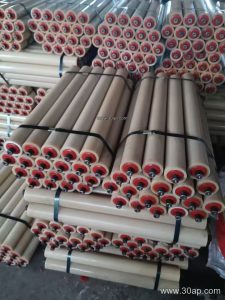
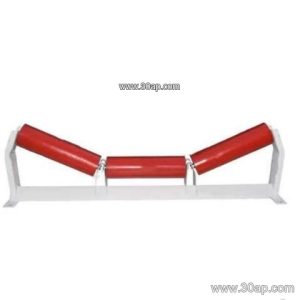
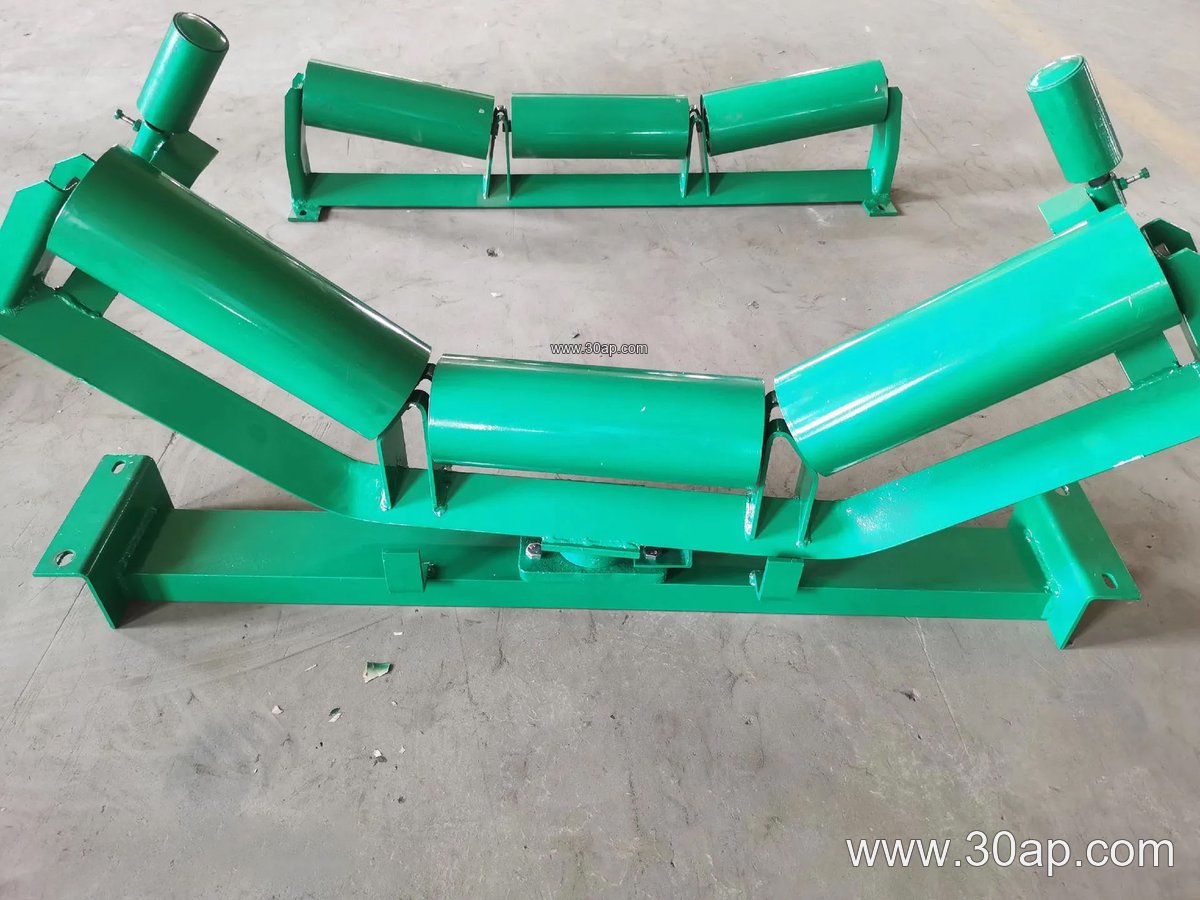
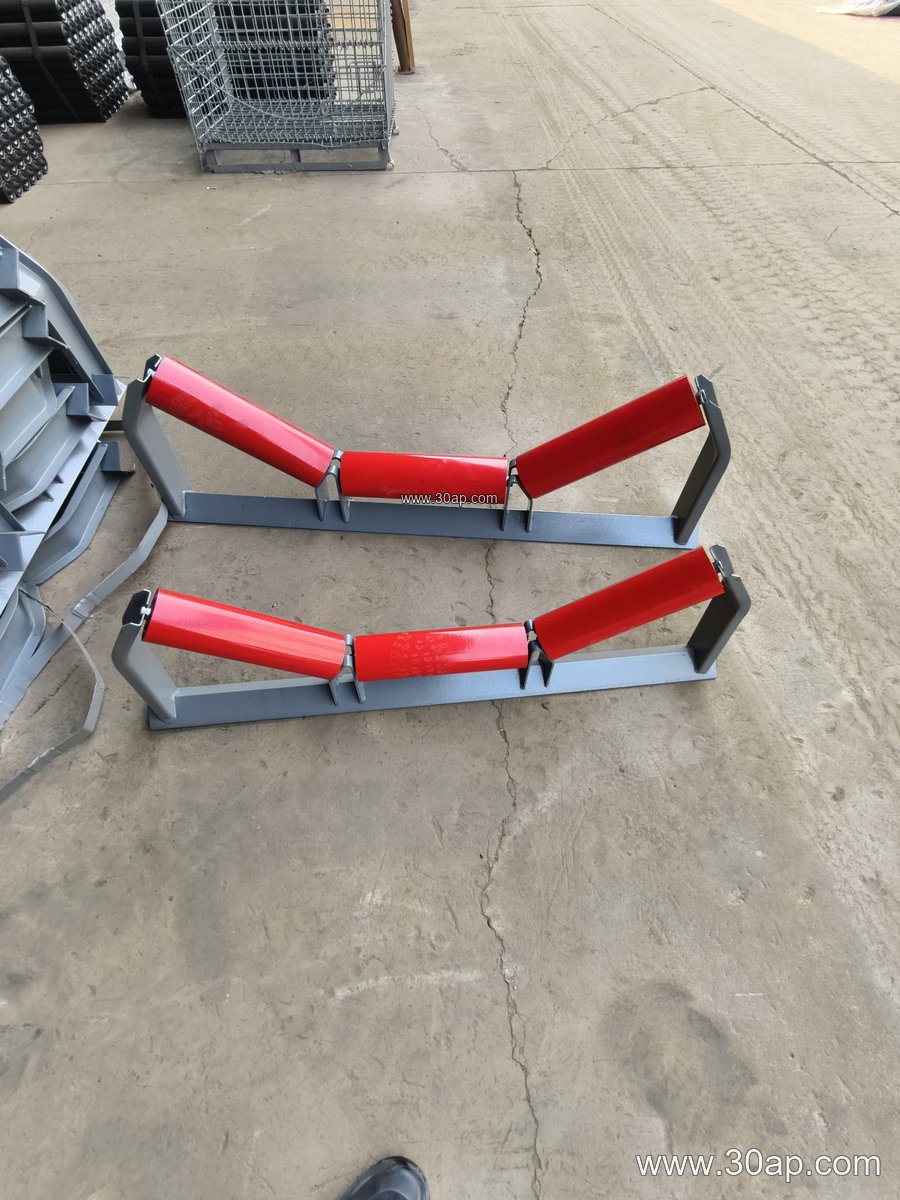
A trough idler bracket set is the structural assembly that holds the carrying idlers in a troughed profile along the load side of a conveyor. It positions each idler roller at the required trough angle so the conveyor belt forms a stable channel for bulk material. The set usually includes the crossbeam, mounting plates, and the brackets that fix the idler shafts at the correct spacing and inclination. In a quarry or a coal handling circuit, this bracket set is the link between the idler rollers and the conveyor frame, and it directly influences belt tracking, material spillage, and the service life of the belt.
Construction and Common Configurations
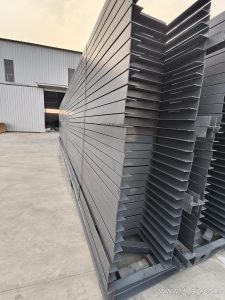
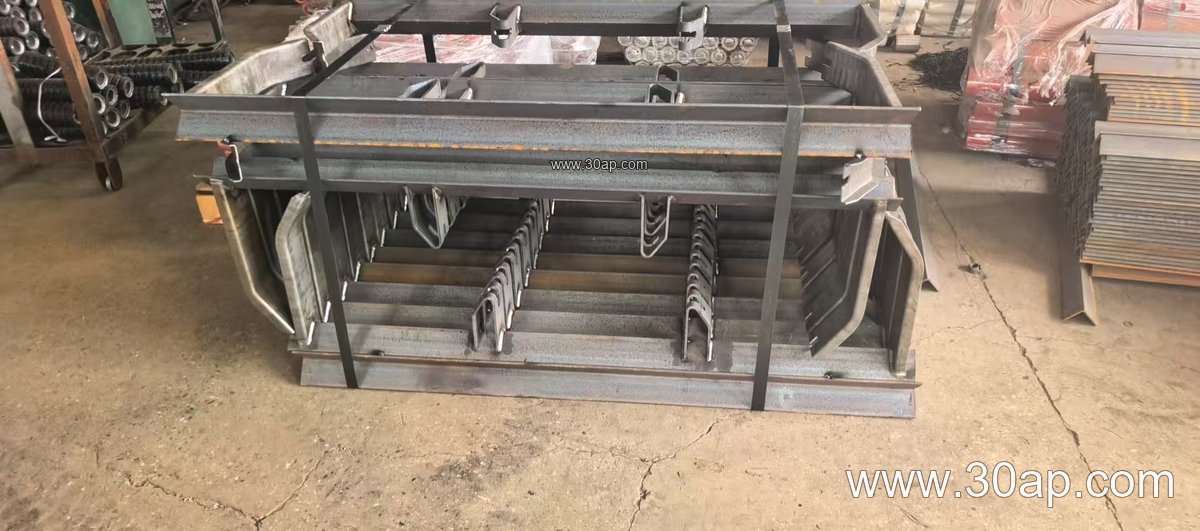
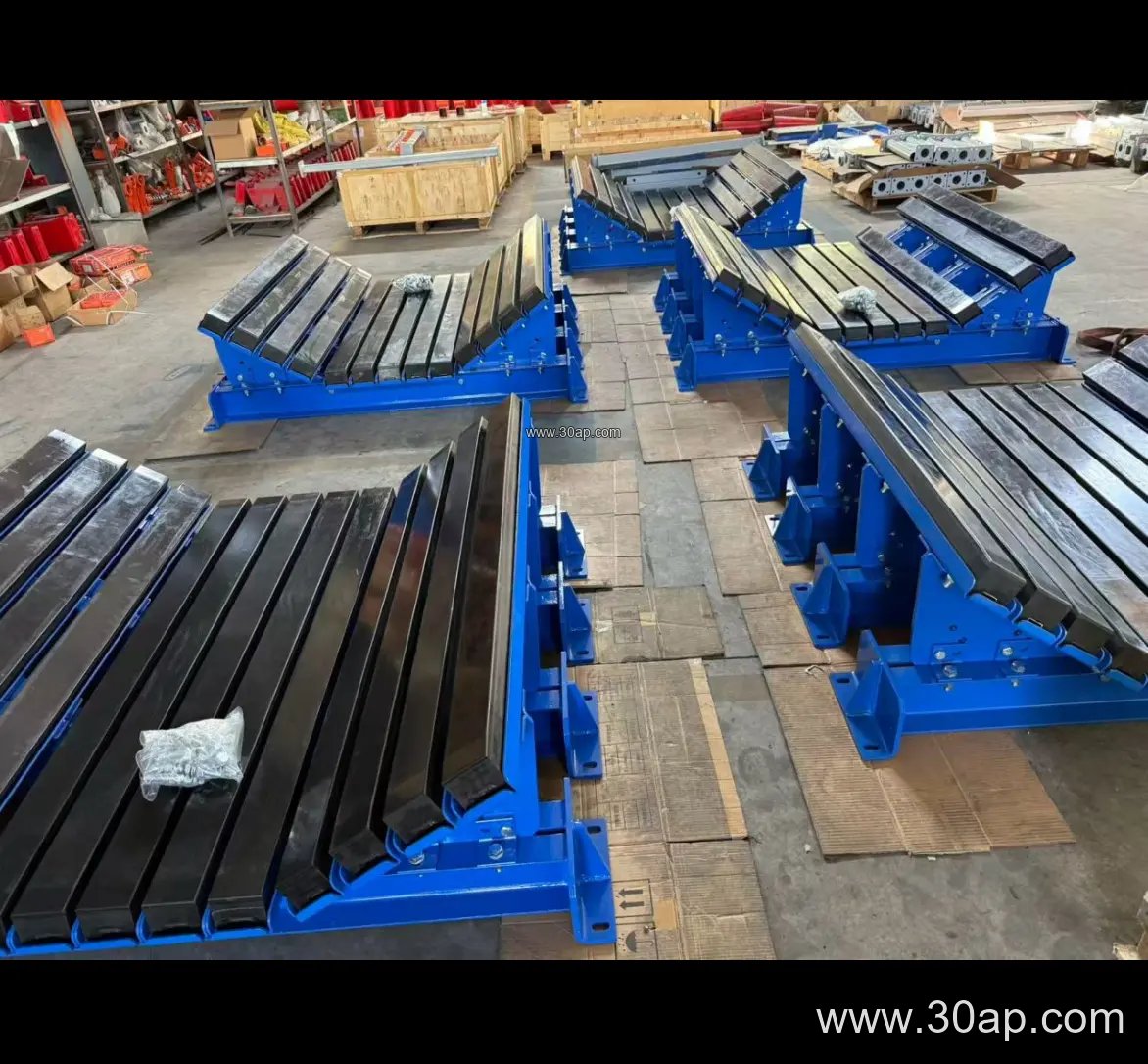
Fabrication is typically from angle steel, channel steel, or folded steel plate. The bracket set may be fixed or adjustable. Fixed brackets are welded or bolted to a preset trough angle, while adjustable brackets allow the same frame to be set at different angles during installation or when the conveyor duty changes. Common trough angles include 20, 30, 35, and 45 degrees. A forward tilt of about 1.5 to 2 degrees is sometimes used on training brackets to help center the belt. The bracket set should be matched to the idler diameter and belt width, but no single belt width is limited to one angle or one roller size.
Typical Reference Combinations
| Belt Width | Trough Angle | Idler Diameter | Typical Use |
|---|---|---|---|
| B650 | 30 degrees | Ø89 | Light to medium bulk flow |
| B800 | 35 degrees | Ø108 | General aggregate and cement service |
| B1000 | 35 degrees | Ø133 | Higher tonnage, medium duty |
| B1200 | 45 degrees | Ø133 | Wide belt, deep trough for high capacity |
| B1400 | 35 degrees | Ø159 | Heavy-duty mining and port conveyors |
| B1600 | 45 degrees | Ø194 | Large bulk handling systems |
These combinations are common references, not universal rules. Installation hole spacing and crossbeam length vary with belt width and trough angle, and should be confirmed against the conveyor design.
Where the Bracket Set Fits in the Conveyor
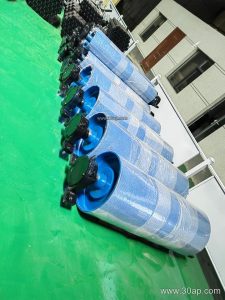
The trough idler bracket set is installed on the carrying side of the conveyor frame, between the tail pulley area and the head discharge. It is used in limestone mines, iron ore plants, coal preparation facilities, cement kilns, power plant coal yards, and aggregate crushing lines. The bracket set works together with the conveyor belt, the idler rollers, and the conveyor pulley to keep the belt in a controlled trough. It is not a substitute for a drive pulley, tail pulley, or bend pulley; those components serve different functions in the conveyor drive and return circuit. Transition brackets and return brackets are separate items, and may be compared only when explaining the difference between carrying and return-side support.
Selection Points for Buyers
- Match the bracket set to the belt width and the idler diameter used on the same frame.
- Choose the trough angle according to material characteristics and conveyor capacity, not by habit alone.
- Decide between fixed and adjustable brackets based on whether the trough angle may need correction after installation.
- Confirm the mounting hole pattern and crossbeam length with the conveyor frame drawing.
- For dusty or wet conditions, check that the bracket design allows for drainage and does not trap material.
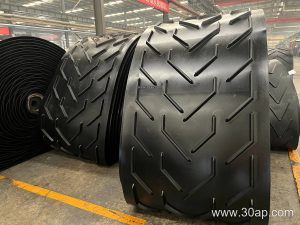
In coal mining and underground coal mining conveyors, flame retardant conveyor belt and anti-static conveyor belt are often specified, and the bracket set should be compatible with the idler arrangement used in that environment. In aggregate and quarry conveyors, abrasion resistant conveyor belt is common, and the bracket set must hold the idler rollers firmly under continuous impact. For long overland systems using steel cord conveyor belt, the bracket set spacing and alignment become more critical because belt tracking is less forgiving.
Installation and Maintenance Notes
Align the bracket set square to the conveyor centerline before tightening the mounting bolts. Check that all idler rollers sit at the same height and angle along the section. Inspect the bracket set for loose bolts, bent crossbeams, and corrosion during routine maintenance. A worn bracket set can cause the idler rollers to shift, which may lead to belt misalignment and edge damage. Replacing a damaged bracket set early is usually simpler than correcting the belt tracking problems that follow.
For conveyors handling bulk material in cement plants, power plants, and port terminals, the trough idler bracket set is a small but important part of the total support system. It should be selected with the same care as the conveyor belt and the idler rollers, because the three work as one unit.