What a Conveyor Idler Shaft Does
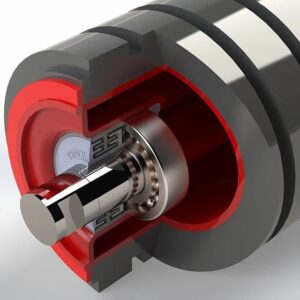
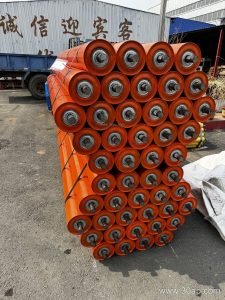
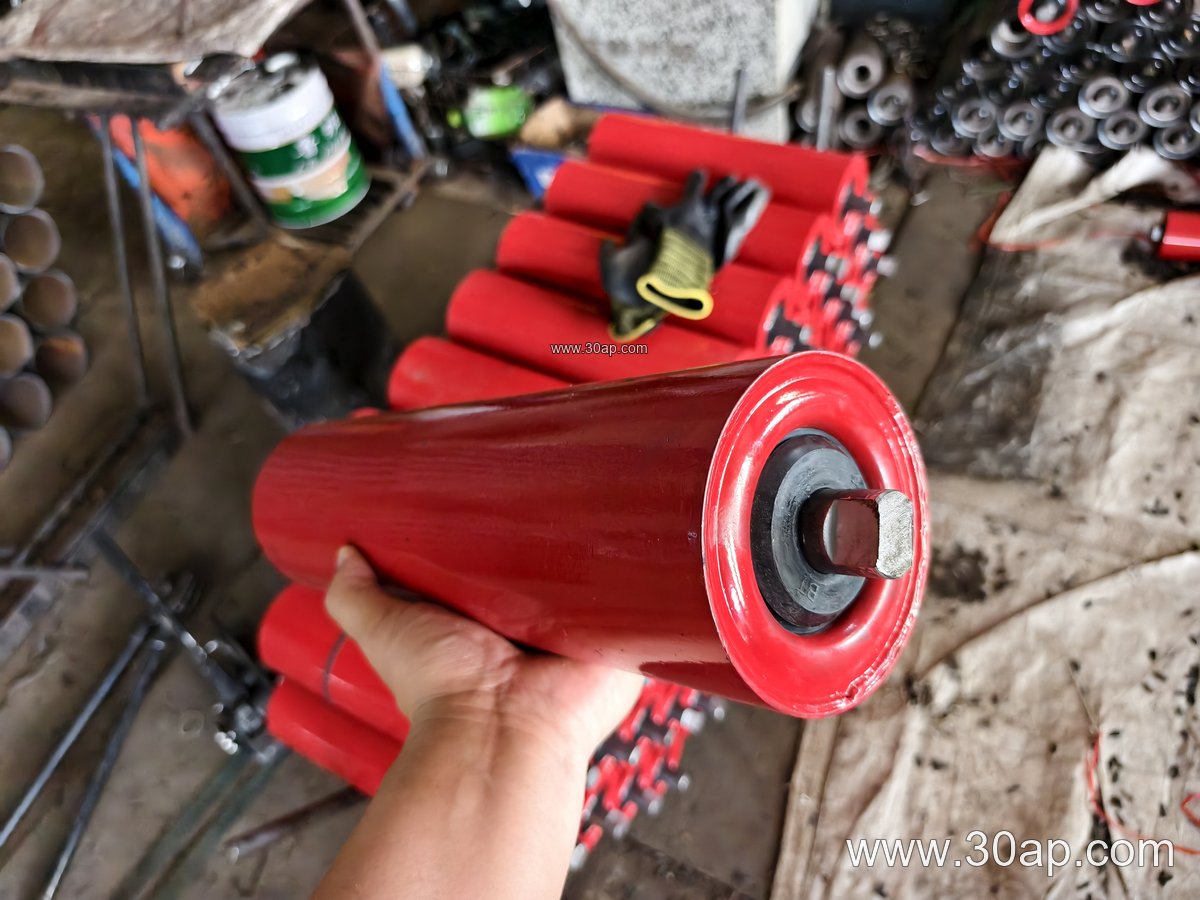
The conveyor idler shaft is the stationary axle inside every idler roller. While the roller shell turns with the moving belt, the shaft stays fixed, supported at both ends by the conveyor bracket. This component carries the weight of the belt and material, transfers loads to the frame, and keeps the roller aligned. In a quarry or aggregate line, a bent or worn shaft quickly leads to belt mistracking and premature roller failure. The same applies in a coal mining conveyor or a cement plant where dust and fines are constant.
Often called an idler axle or roller shaft, this part is simple in shape but critical in function. It is not a drive pulley shaft or a tail pulley shaft—those are different components with their own load profiles. The conveyor idler shaft works with troughing idlers, return rollers, and impact rollers, each placing different demands on the axle.
Construction and Common Materials
Most shafts are made from cold-drawn or turned carbon steel, with grades selected for strength and machinability. The ends are machined to fit bearing bores and bracket slots, and many designs include a flat or notch to prevent rotation. Surface treatment may include plating or coating for corrosion resistance, especially in wash plants or port applications.
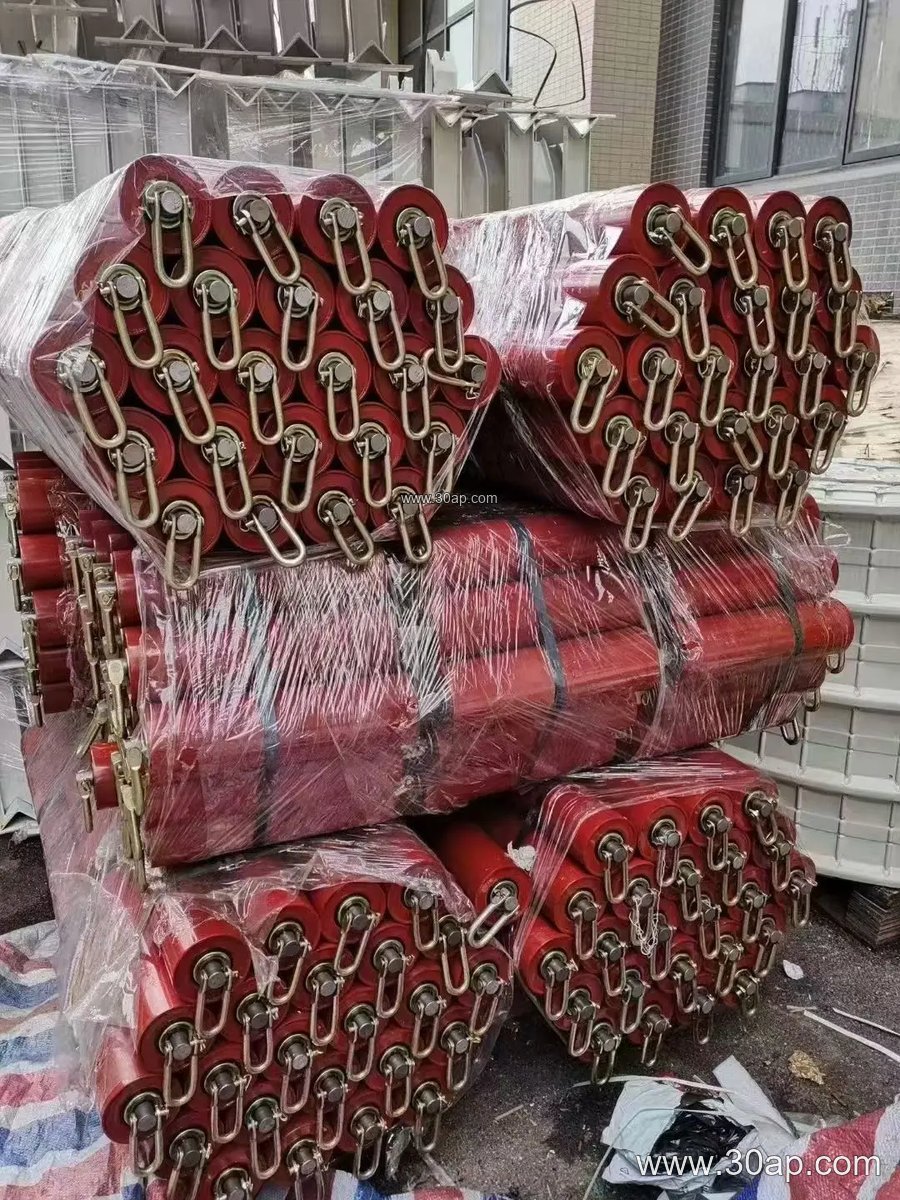
Bearing seats are critical. A typical shaft may accept bearings such as 6204, 6205, 6305, 6306, 6308, or 6310, but the bearing size must match the roller diameter and load rating—never assume one bearing fits every shaft. The shaft diameter itself is usually chosen together with the roller shell and bearing, not from belt width alone.
Where It Fits in the Conveyor
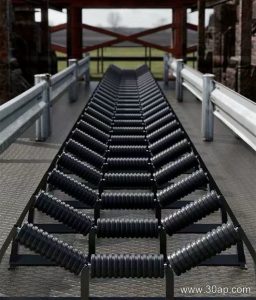
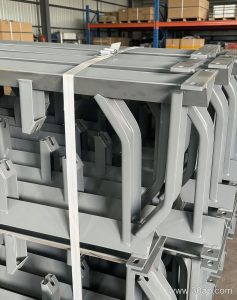
In a three-roll troughing set, each idler has its own shaft mounted in the bracket. The same shaft design appears in V-return and flat return idlers, though loads differ. Impact idlers in a crusher discharge area use heavier shafts to absorb shock. Transition idlers near a conveyor pulley may see different belt tension and alignment forces, so shaft straightness matters.
Common industries include limestone quarries, iron ore and copper ore operations, coal washing plants, power plant coal handling, and sand and gravel pits. In these settings, abrasive dust and vibration are normal, so shaft quality directly affects roller life.
Dimensions and Compatibility
Shaft length and diameter are not universal. They depend on the idler type, roller diameter, bearing size, and bracket design. The table below shows typical reference ranges—not fixed rules or supply promises.
| Parameter | Common Reference Range |
|---|---|
| Roller diameter | Ø63, Ø76, Ø89, Ø102, Ø108, Ø127, Ø133, Ø159, Ø178, Ø194, Ø219 mm |
| Belt width | B400 to B2400 mm |
| Trough angle | 20°, 30°, 35°, 45° |
| Bearing examples | 6204, 6205, 6305, 6306, 6308, 6310 |
| Roller length example (three-roll troughing) | B500: ~200 mm; B650: ~250 mm; B800: ~315 mm; B1000: ~380 mm; B1200: ~465 mm; B1400: ~530 mm; B1600: ~600 mm; B1800: ~670 mm; B2000: ~750 mm |
Side rollers and center rollers can have different lengths, so always confirm the actual drawing. A 1200mm wide conveyor belt does not automatically dictate one shaft diameter; the load, roller type, and bearing selection decide that.
Buyer Checklist
- Match the shaft to the idler type: troughing, return, impact, or training.
- Confirm bearing number and seat dimensions, not just roller diameter.
- Check material and coating for the environment—coal dust, salt air, or wet slurry.
- Verify straightness tolerance and end fitting details for your conveyor bracket.
- Ask for dimensional drawings; avoid assuming sizes from belt width alone.
For anyone sourcing conveyor components, the conveyor idler shaft is a small part with a large effect on uptime. Pair it with the right conveyor belt—whether a flame retardant conveyor belt for underground coal mining or an abrasion resistant conveyor belt for a quarry—and the whole system runs smoother. Find more at https://www.jsruiyuan.com/conveyor-idler-shaft and review related conveyor belt and idler roller options before ordering.