What an Impact Resistant Conveyor Belt Is
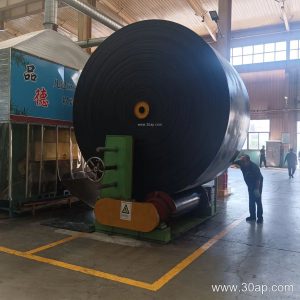
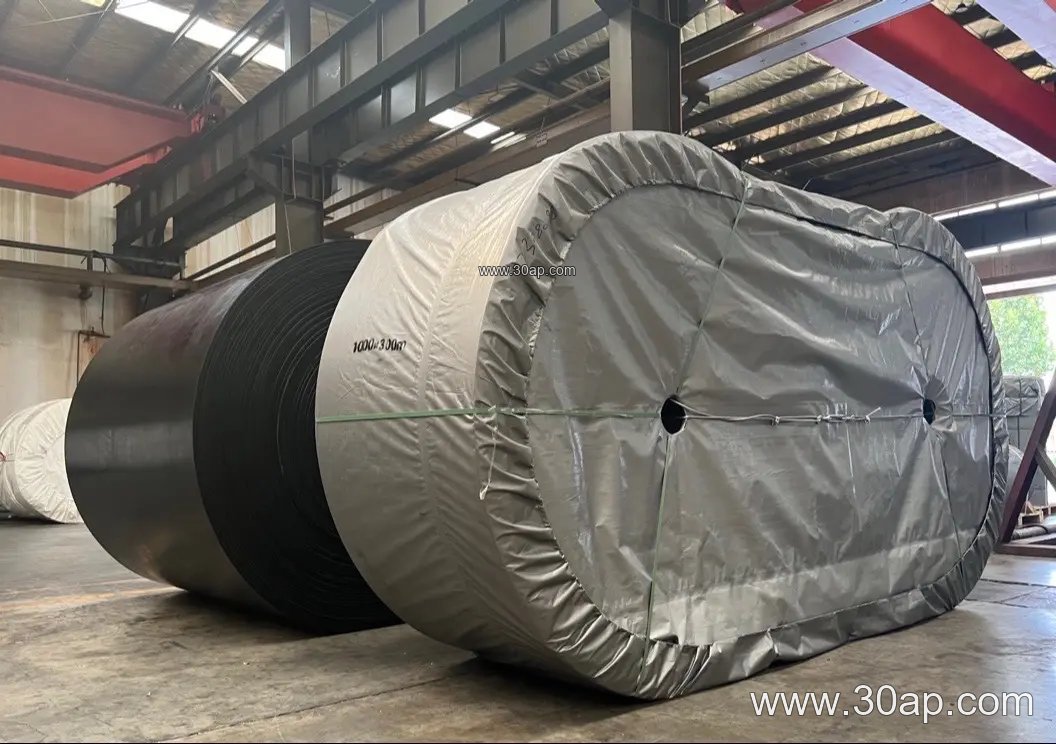
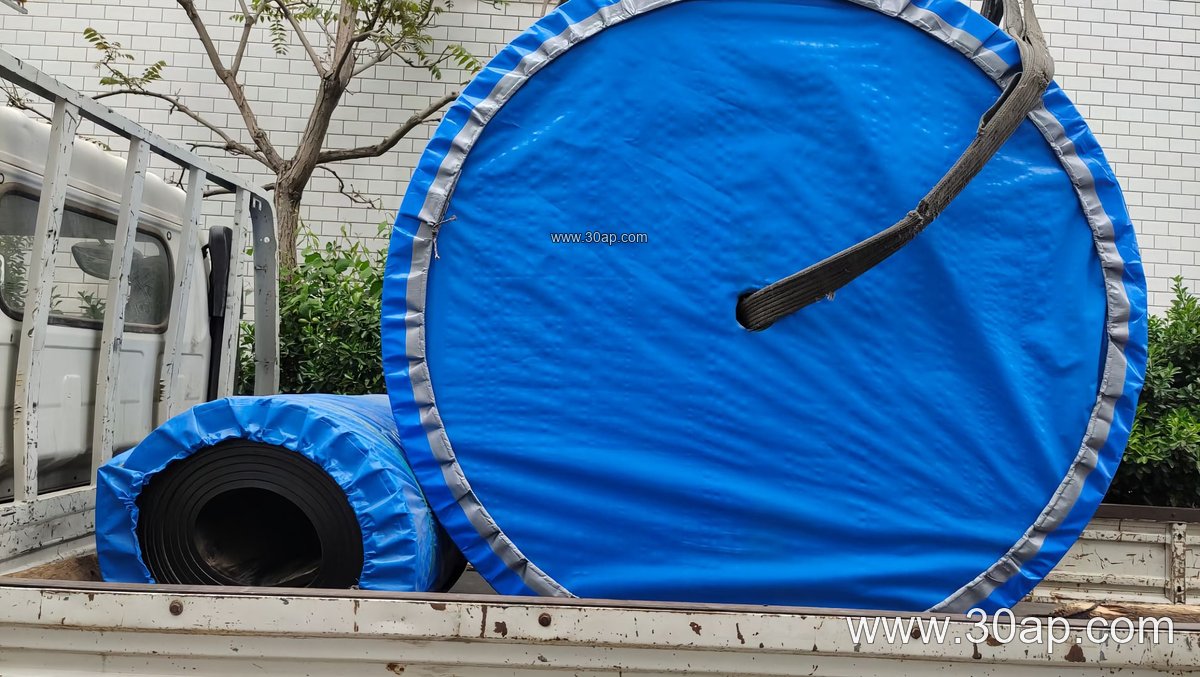
An impact resistant conveyor belt is a heavy-duty rubber belt engineered to absorb the shock of large, sharp, or fast-falling materials at loading points. Unlike a standard Rubber Conveyor Belt, this belt uses reinforced carcass construction and thickened top cover to resist cutting, gouging, and puncturing. It is often specified as a High Abrasion Resistant Conveyor Belt when both shock and sliding wear are present. In quarry and mining circuits, operators frequently choose an EP Conveyor Belt or NN Conveyor Belt as the base fabric core, then upgrade the cover for impact duty.
Construction and Key Components
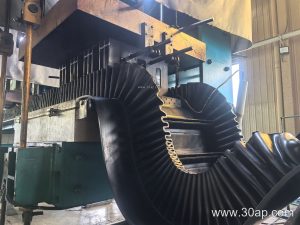
The belt typically combines a multi-ply fabric core with a high-elasticity rubber cover. The carcass may be EP Conveyor Belt (polyester-nylon) or NN Conveyor Belt (nylon-nylon), with 2 to 6 plies common for impact service. A Multi-Ply Fabric Core Conveyor Belt distributes point loads across several layers, reducing the risk of carcass rupture. The top cover is usually thicker than standard, often in the range of 6+2 mm to 8+3 mm, and may use natural rubber blends or synthetic compounds for cut and tear resistance. For comparison, a Steel Cord Conveyor Belt offers very high tensile strength for long hauls but is less forgiving under sharp impact unless specially designed. Sidewall variants such as Corrugated Sidewall Conveyor Belt or Skirted Conveyor Belt are used when material containment is also needed, but they serve a different primary function and should not replace the impact belt at the loading zone.
Where It Is Used
These belts are common in primary crushing stations, transfer points, and screen feeds where run-of-mine or blasted rock drops onto the belt. Typical industries include:
- Mining and quarrying: Mining Conveyor Belt, Quarry Conveyor Belt, Iron Ore Conveyor Belt, and Copper Ore Conveyor Belt lines handling coarse ore.
- Cement and aggregate: Cement Conveyor Belt and Aggregate Conveyor Belt receiving clinker or crushed stone.
- Power and coal: Coal Mining Conveyor Belt and Power Plant Conveyor Belt in coal handling systems, often combined with Flame Retardant Conveyor Belt or Anti-Static Conveyor Belt properties.
- Ports and recycling: Port Conveyor Belt and Recycling Conveyor Belt where bulky items or scrap cause shock loads.
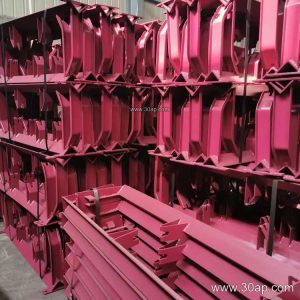
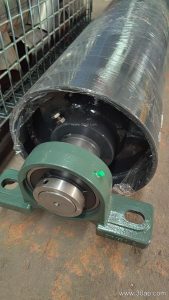
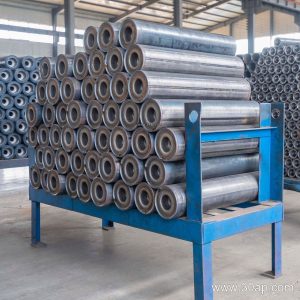
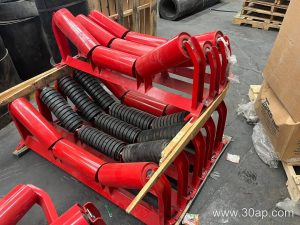
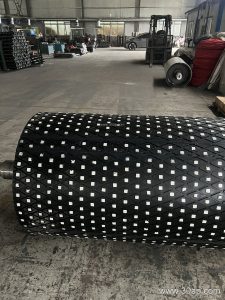
Supporting equipment such as idler roller, conveyor pulley, and conveyor bracket must be selected to match the belt’s thickness and stiffness. Drive, tail, and bend pulleys are not interchangeable; each has a distinct role in keeping the belt tracking and tensioned.
Specifications and Selection Notes
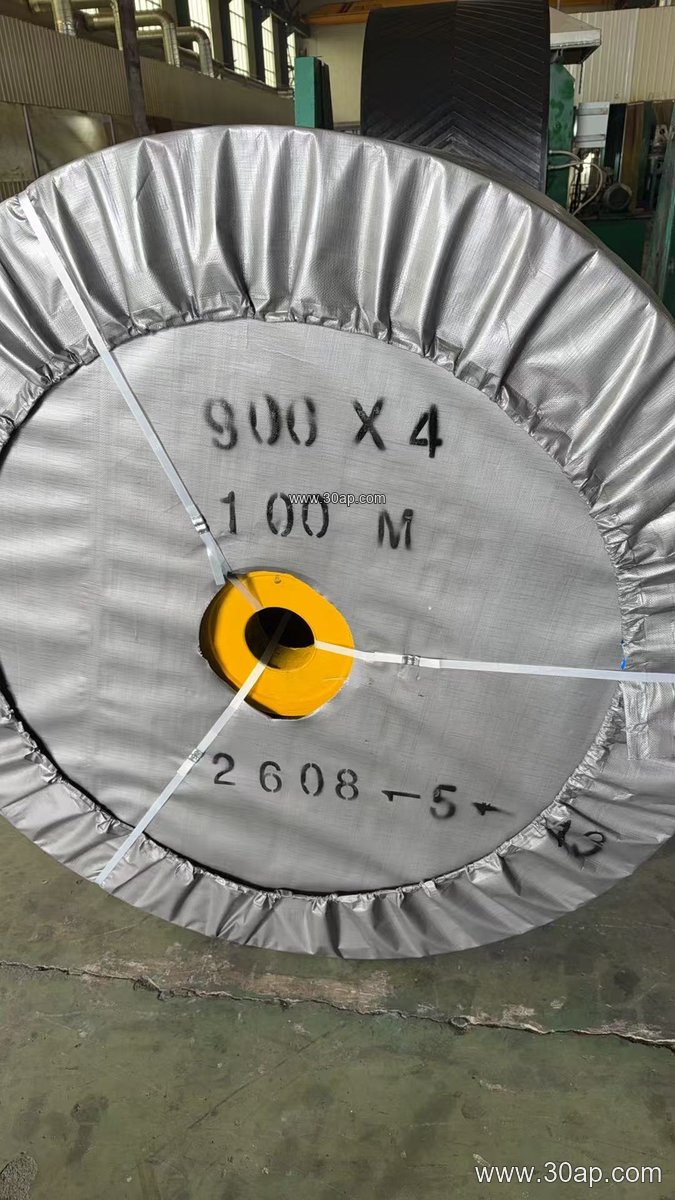
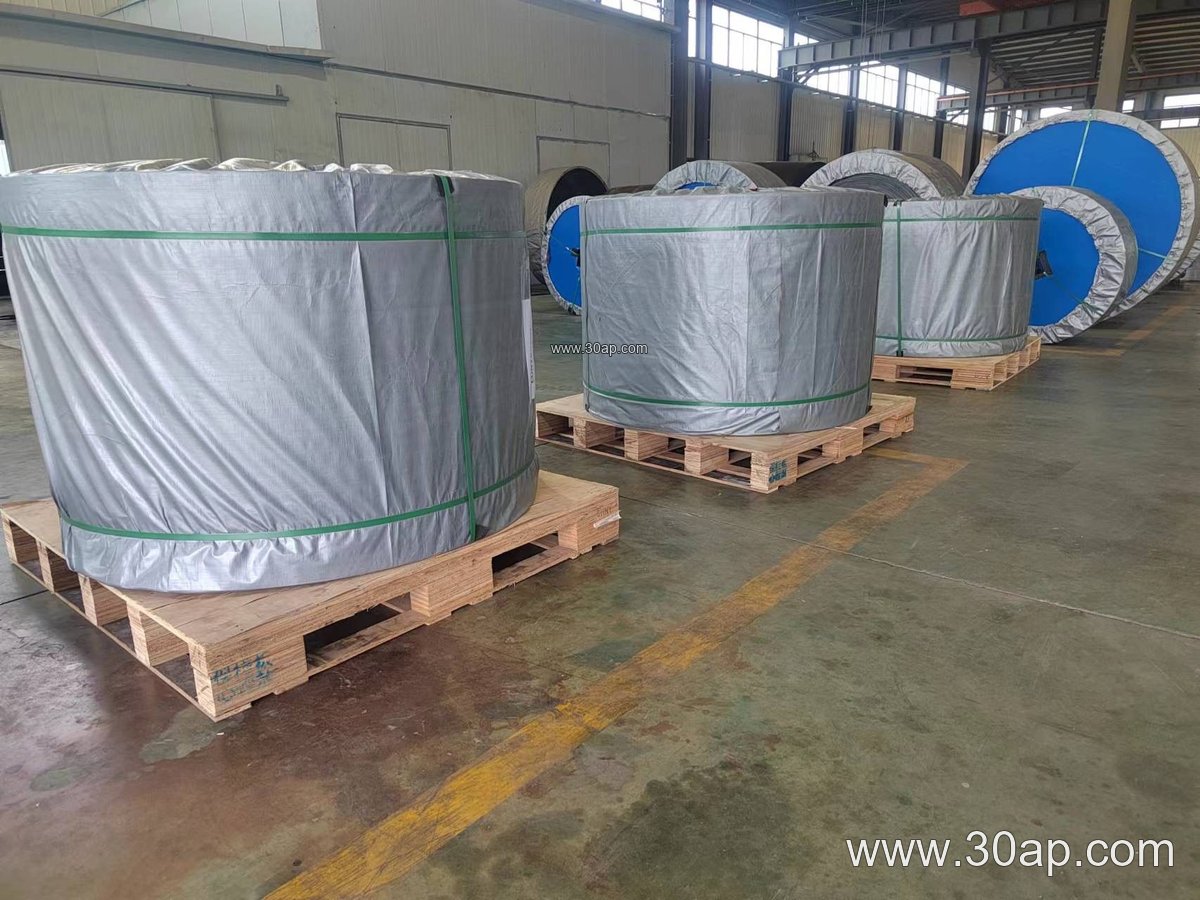
Buyers should define the maximum lump size, drop height, throughput, and belt width. Common strength grades for impact duty include EP200, EP315, EP400, EP500, EP630, EP800, and EP1000, though final choice depends on the conveyor design. Belt widths from B500 to B2000 are available, with wider belts such as 1200mm, 1400mm, and 1600mm often used in high-capacity primary crushing. The table below shows representative combinations, not fixed rules.
| Parameter | Common Options | Notes |
|---|---|---|
| Belt type | EP Conveyor Belt, NN Conveyor Belt, Multi-Ply Fabric Core Conveyor Belt | Fabric core absorbs impact better than rigid steel cord in some loading zones. |
| Strength grade | EP200, EP400, EP630, EP800, EP1000 | Higher grades for longer conveyors or higher tension. |
| Belt width | B500, B650, B800, B1000, B1200, B1400, B1600, B1800, B2000 | Match width to lump size and capacity; no single width fits all pulleys. |
| Cover thickness | 4+2 mm, 5+2 mm, 6+2 mm, 8+3 mm | Thicker top cover for severe impact and abrasion. |
| Special properties | Flame Retardant Conveyor Belt, Heat Resistant Conveyor Belt, Oil Resistant Conveyor Belt | Add only when the environment requires it. |
For underground coal mines, a PVG Conveyor Belt or PVC Conveyor Belt may be required by local safety rules, but these are different product families and should not be confused with impact-resistant fabric belts. Always confirm cover grade, carcass type, and splice method with the belt manufacturer.
Buyer Checklist
- Measure the largest lump and the drop height at the loading point.
- Check whether the belt needs Heat Resistant Conveyor Belt or Oil Resistant Conveyor Belt properties in addition to impact resistance.
- Verify pulley diameters and idler spacing; impact belts are often thicker and may require larger pulleys.
- Confirm that the selected conveyor pulley and idler roller are rated for the belt’s weight and tension.
- Ask for the actual cover thickness and ply count rather than relying on a generic label.
An impact resistant conveyor belt is not a universal solution for every conveyor section. It is best applied at transfer points, crusher feeds, and other high-shock locations, while standard or abrasion-resistant belts may serve the rest of the line. Matching the belt to the duty—and to the supporting conveyor bracket and pulley system—keeps maintenance predictable and extends service life.