What a Heavy-Duty Trough Idler Does
A heavy-duty trough idler is the robust, three-roll assembly that supports the loaded side of a conveyor belt, forming it into a trough shape to contain bulk material. Unlike standard idlers, this component is built for high load capacities, abrasive materials, and continuous operation in harsh environments. You will find these troughing idlers on main haulage conveyors in mining, cement plants, power stations, and aggregate operations where reliability is critical. The trough angle—commonly 20, 30, 35, or 45 degrees—determines how well the belt retains the load, and the heavy-duty design ensures the idler withstands impact, misalignment, and debris without frequent replacement. For operations using abrasion resistant conveyor belt or heavy-duty mining conveyor belt, selecting the right trough idler is essential to maintain belt life and reduce downtime.
Construction and Key Components
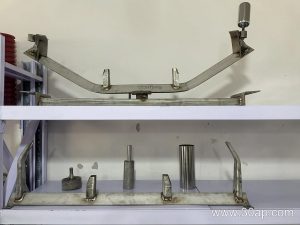
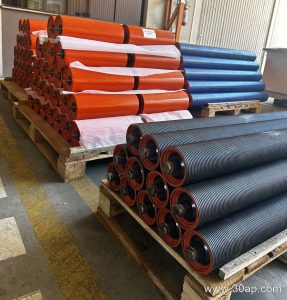
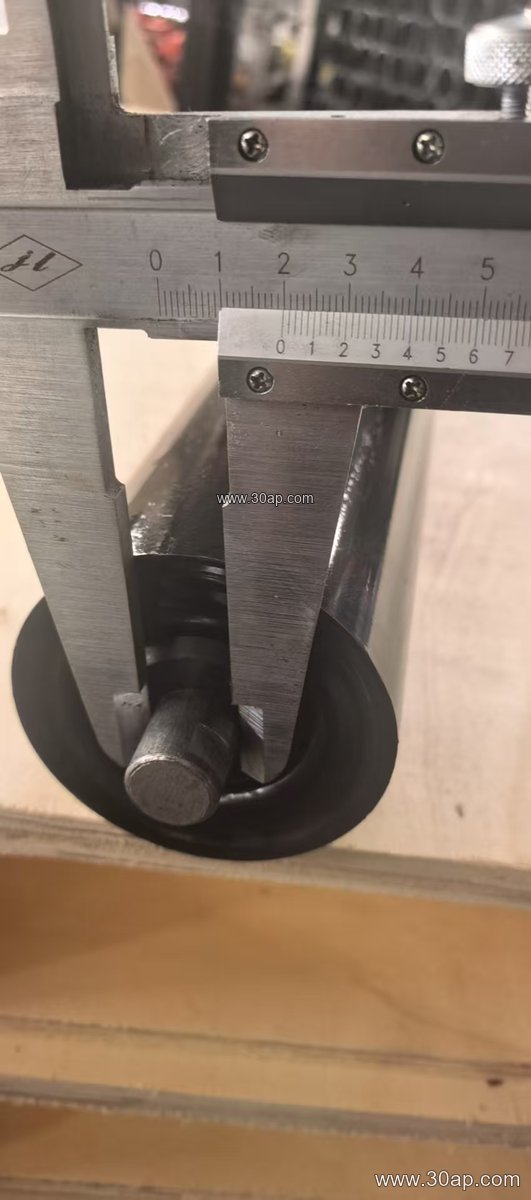
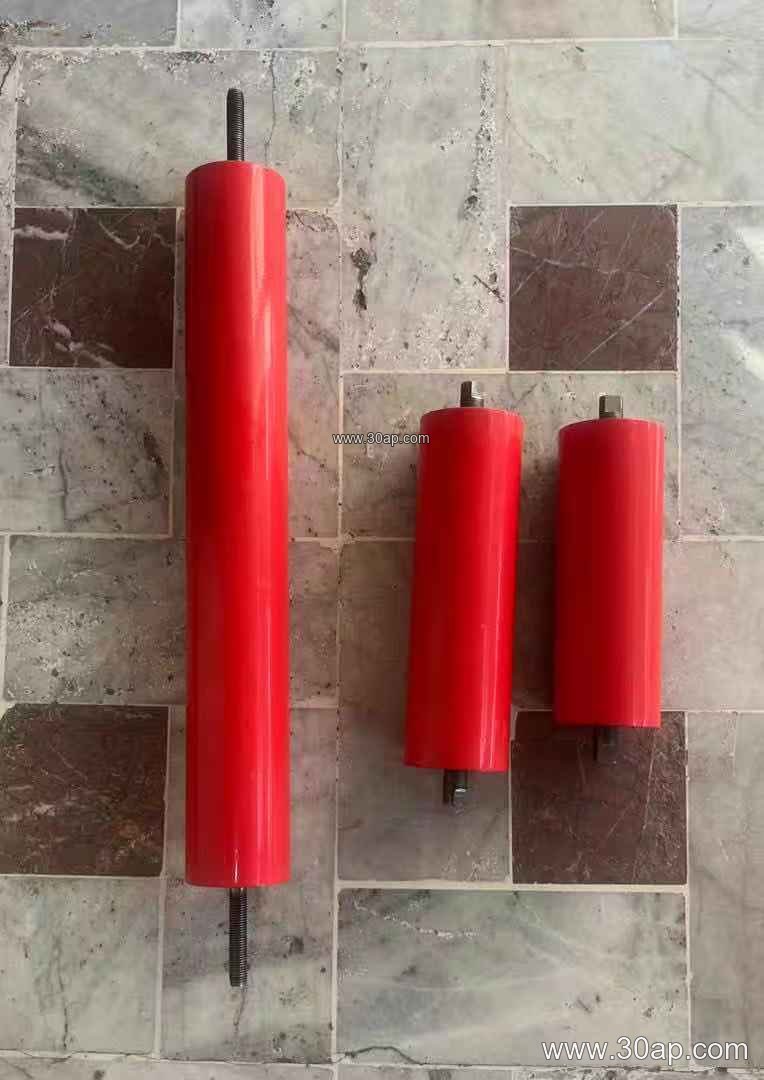
A heavy-duty trough idler typically consists of three idler rollers mounted on a sturdy frame, often referred to as a conveyor bracket. The rollers are made from seamless steel tube with precision bearing housings, and the shaft is sized to handle radial and axial loads. Bearing sizes such as 6205, 6305, or 6308 are common, but the exact match depends on the roller diameter and load rating. Roller diameters range from Ø89 to Ø194, with larger diameters offering higher load capacity and better heat dissipation. The shell may be plain steel, nylon, ceramic, or rubber-coated for impact absorption. Seals are crucial: a heavy-duty trough idler uses labyrinth or contact seals to keep out dust and water, which is vital in coal mining, quarry, and cement applications. The frame is often powder-coated or galvanized to resist corrosion. When specifying, consider the belt width—for example, B800, B1000, or B1200—and the corresponding roller length, which is usually around 315 mm, 380 mm, or 465 mm for three-roll trough sets. These values are indicative; actual dimensions must be confirmed with the manufacturer.
Where Heavy-Duty Trough Idlers Are Used
These idlers are indispensable in bulk material handling systems that move abrasive, heavy, or hot materials. In a coal mining conveyor belt system, they support the belt through loading points and along long overland runs. In a cement plant, they handle clinker and limestone, often paired with heat resistant conveyor belt where process temperatures are elevated. Aggregate operations and quarries rely on them under crusher discharge points, where impact resistant conveyor belt and rubber-disc impact idlers may also be used to cushion falls. Power plants use heavy-duty trough idlers on coal conveyors, and steel mills employ them for sinter and ore transport. The robust design also suits port conveyor belt systems handling iron ore or copper ore, and underground mining conveyor belt installations where space is tight and maintenance access limited. In all these settings, the trough idler works alongside conveyor pulleys—drive, tail, and bend pulleys—each with distinct roles; they are not interchangeable, and the trough idler must be matched to the belt width and load.
Selection and Sizing Considerations
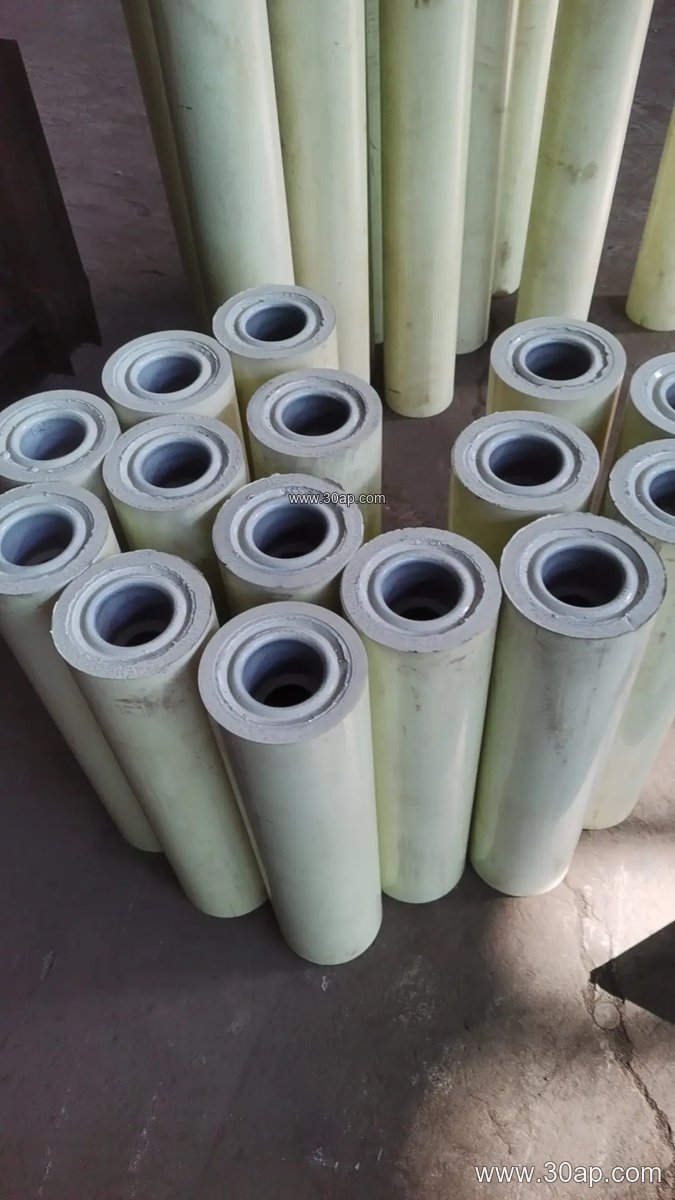
Choosing a heavy-duty trough idler involves more than picking a diameter. First, determine the belt width and trough angle; a 35-degree trough is common for general bulk handling, while 45 degrees suits fine, free-flowing materials. The idler roller diameter should be selected based on the belt speed and load: higher speeds and heavier loads favor larger diameters like Ø133 or Ø159. Bearing size and seal type must match the environment—dusty, wet, or corrosive. The roller length is not fixed to a single belt width; for instance, a B1000 belt may use rollers of approximately 380 mm, but side rollers can differ from the center roller. Always refer to the conveyor design manual. For abrasive materials, consider rollers with ceramic or rubber lagging. Also, ensure the idler frame is compatible with your conveyor bracket spacing. If the conveyor uses a steel cord conveyor belt or EP conveyor belt, the idler load rating must account for the belt’s weight and material load. Regular maintenance—checking for seized bearings, worn shells, and misalignment—extends service life. Lubrication-free sealed bearings are common in heavy-duty designs, reducing maintenance in remote locations such as underground coal mining conveyor belt systems.
Buyer Checklist
- Verify belt width (e.g., B800, B1200) and trough angle (20°, 30°, 35°, 45°).
- Confirm roller diameter (Ø89 to Ø194) and shell material (steel, nylon, ceramic, rubber).
- Check bearing size (6204, 6205, 6305, 6306, 6308, 6310) and seal type for dust and water resistance.
- Ensure frame dimensions match existing conveyor bracket spacing.
- Consider the conveyor belt type—abrasion resistant, heat resistant, or flame retardant—as it affects idler load and material build-up.
- Review maintenance access and replacement part availability.
For reliable performance, source heavy-duty trough idlers from suppliers who provide detailed dimensional drawings and material certificates. Remember that drive, tail, and bend pulleys are separate components with distinct functions, and the trough idler is a dedicated support element for the carrying side. Whether you operate a quarry, a coal preparation plant, or a port terminal, investing in correctly specified trough idlers reduces belt wear and keeps your conveyor system running smoothly.