What a Return Idler Bracket Does
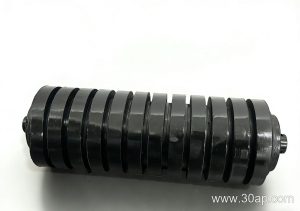
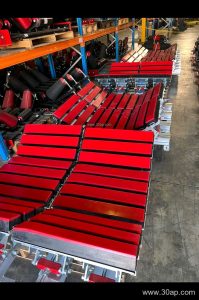
A return idler bracket is the support component that holds the lower, carrying-side idlers on a belt conveyor. While the upper troughing brackets shape the belt into a trough, the return bracket sits beneath the return strand and keeps each idler roller at the correct height, spacing and alignment. In a limestone quarry or a cement plant, a worn or misaligned return bracket is often the reason a belt starts to wander, rub the frame or shed material along the walkway.
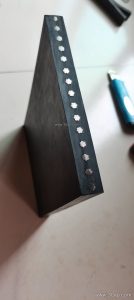
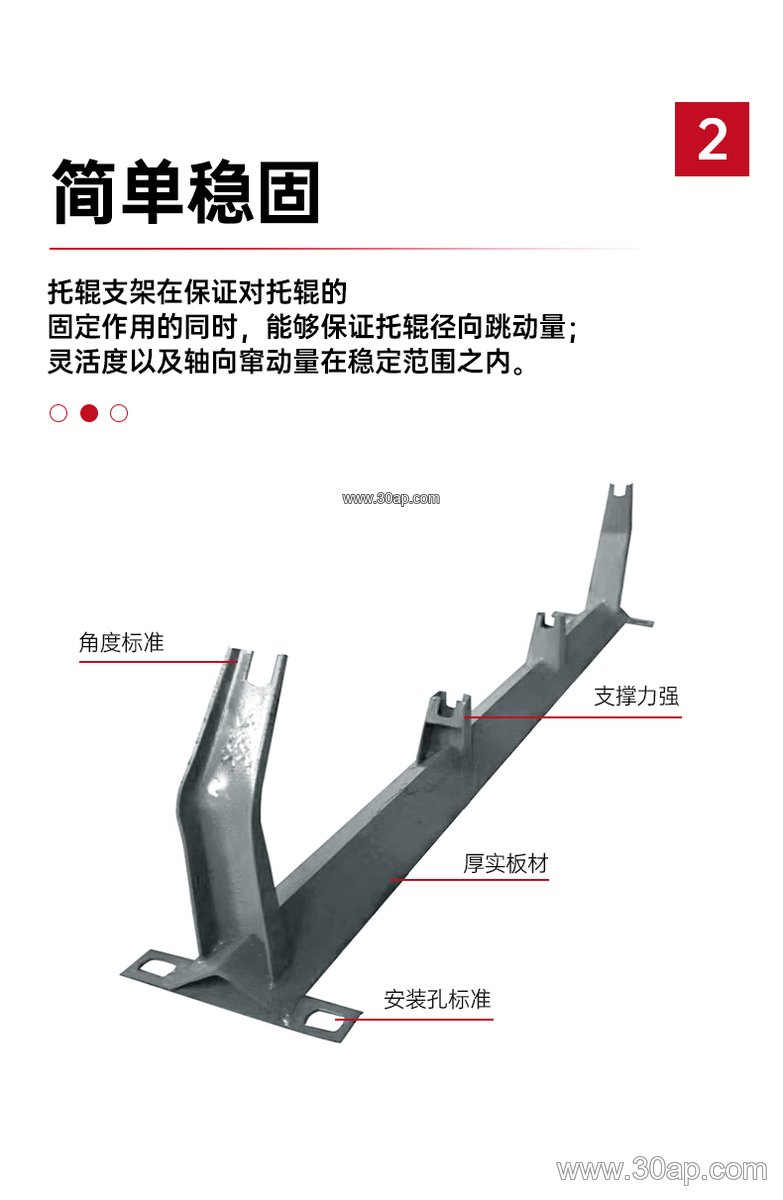
The bracket is usually a fabricated steel part rather than a casting. Common builds use angle steel, channel steel or folded steel plate, welded or bolted into a frame that accepts the idler shaft. The mounting slots or holes are positioned so the roller sits parallel to the pulley axes.
Common Forms and Where They Sit
Most plants use a flat lower bracket for the standard return run, and a V-shaped return bracket where the belt needs extra centering, such as on a long overland section at a power plant coal yard. A few arrangements use a suspended or adjustable bracket where the return strand height must be trimmed during installation.
- Flat return bracket: single roller, simple support, easy to inspect.
- V-return bracket: two rollers set at an angle, useful for belt training.
- Adjustable bracket: slotted mount allows height or angle correction on site.
- Suspended bracket: hangs from the frame, often used where space below is tight.
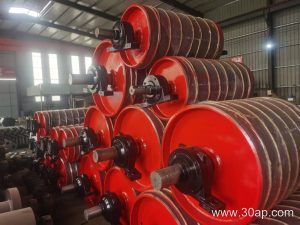
These are support accessories, not to be confused with a conveyor pulley. A drive pulley, tail pulley and bend pulley each do a different job at the ends and corners of the conveyor, and none of them can replace a return bracket.
Matching Bracket to Belt Width and Roller Diameter
The bracket must fit the belt width and the return idler roller it carries. A B800 belt with a 35 degree trough on the carry side may use a Ø108 return roller, while a B1200 line with a 45 degree trough often runs a Ø133 roller. These are typical combinations, not fixed rules, because the final choice depends on load, belt speed and frame design.
| Belt width | Typical return roller diameter | Bracket note |
|---|---|---|
| B500 | Ø89 | Compact frame, short cross member |
| B650 | Ø89 or Ø108 | Hole spacing set by frame design |
| B800 | Ø108 | Common in aggregate and sand lines |
| B1000 | Ø108 or Ø133 | Check shaft end fit before ordering |
| B1200 | Ø133 | Often used on plant main belts |
| B1400 | Ø133 or Ø159 | Heavier frame recommended |
| B1600 | Ø159 | Mine and port duty |
| B1800 | Ø159 or Ø194 | Confirm mounting hole pitch |
| B2000 and above | Ø194 | Engineered bracket, not stock pattern |
Installation hole pitch and cross-member length change with belt width, trough angle and roller type, so they should be confirmed from the drawing rather than assumed. A bracket that fits one B1000 frame may not fit another.
Buyer Checklist Before Ordering
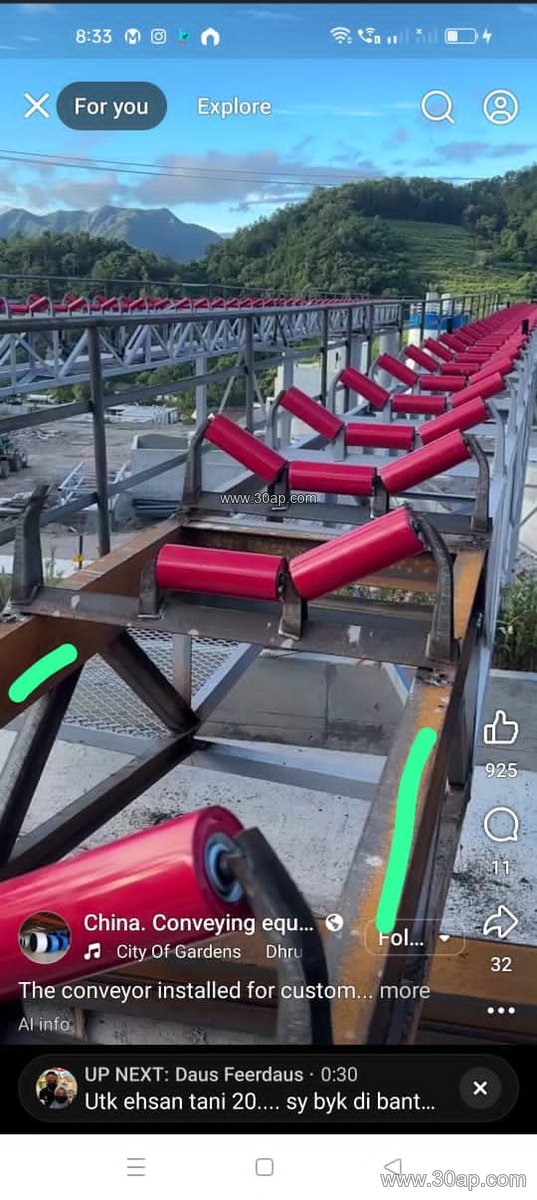
Start with the belt width and the return roller diameter, then add the shaft end type, the frame hole pattern and the material of the surrounding structure. On an underground coal mining conveyor, flame retardant and anti-static properties matter for the belt, and the bracket should be checked for clearance around the return strand. In a fertilizer or grain silo, corrosion protection on the bracket is worth asking about.
Ask for the bracket drawing, not just a part number. Confirm whether the frame is welded or bolted, whether the mount is fixed or adjustable, and how the bracket aligns with the conveyor pulley centerline. Buyers on a iron ore or copper ore site should also confirm that the bracket can be replaced without cutting the main frame.
Maintenance Notes
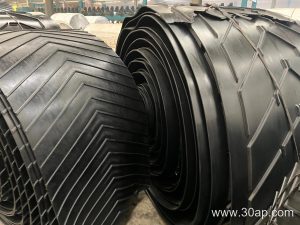
Inspect return brackets at the same time as the idler roller and the conveyor belt. Look for bent arms, enlarged holes, loose bolts and material build-up. A bracket that has shifted sideways will pull the return roller out of square and can damage the belt edge. Replacing a bracket is usually quicker than repairing a torn belt.
Keep a small spare set matched to each belt width on site. For a crusher conveyor belt or a quarry conveyor belt running abrasive rock, the return side takes less impact but still needs correct alignment. For more on belts, rollers and frames, see the range at conveyoridlerbelt.com, where belt, bracket and roller options are grouped by duty. Matching the return idler bracket to the actual frame and roller, rather than to a catalogue guess, is the surest way to keep the return strand tracking true.