What a Construction Industry Conveyor Belt Does
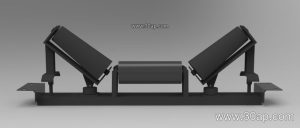
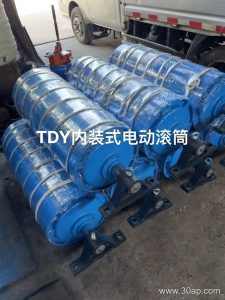
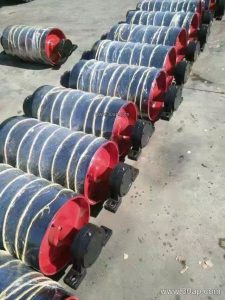
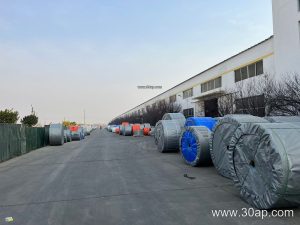
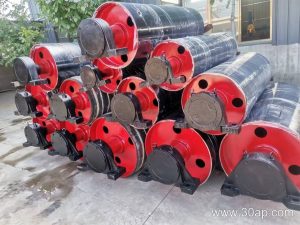
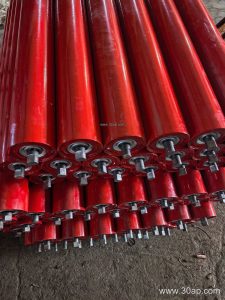
A Construction Industry Conveyor Belt is the load-carrying element of a bulk handling line on a construction site, quarry, or aggregate yard. It moves crushed stone, sand, cement, recycled concrete, and excavated spoil between a crusher, a screen, a stockpile, and a loading point. The belt itself is a composite: a tension-bearing carcass, top and bottom rubber covers, and often a profile or edge feature that keeps material where it belongs. In a typical line it runs over idler rollers, wraps a conveyor pulley at the drive and tail ends, and is held by a conveyor bracket and frame structure. Selecting the right belt means matching the carcass, cover, and surface form to the duty, not simply ordering the widest or thickest option.
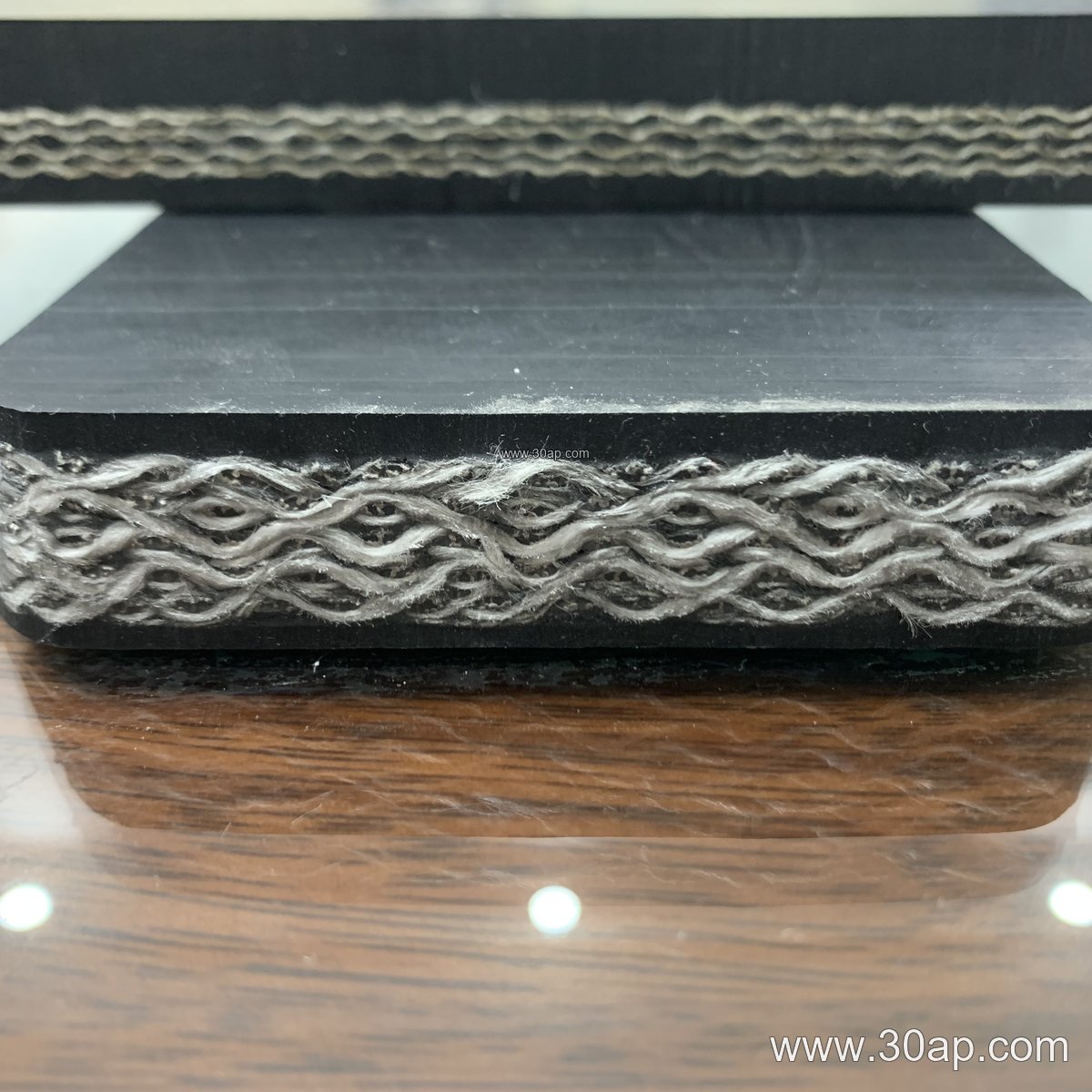
How the Belt Is Built
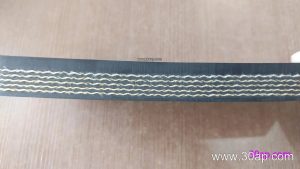
The carcass is the strength layer. Fabric-core designs use woven plies, while steel cord designs use brass-plated wires for very long runs and high tension. Cover compound protects the carcass from abrasion, heat, oil, and weather. Edge construction matters on construction sites because belts are often mistracked against structure and skirts.
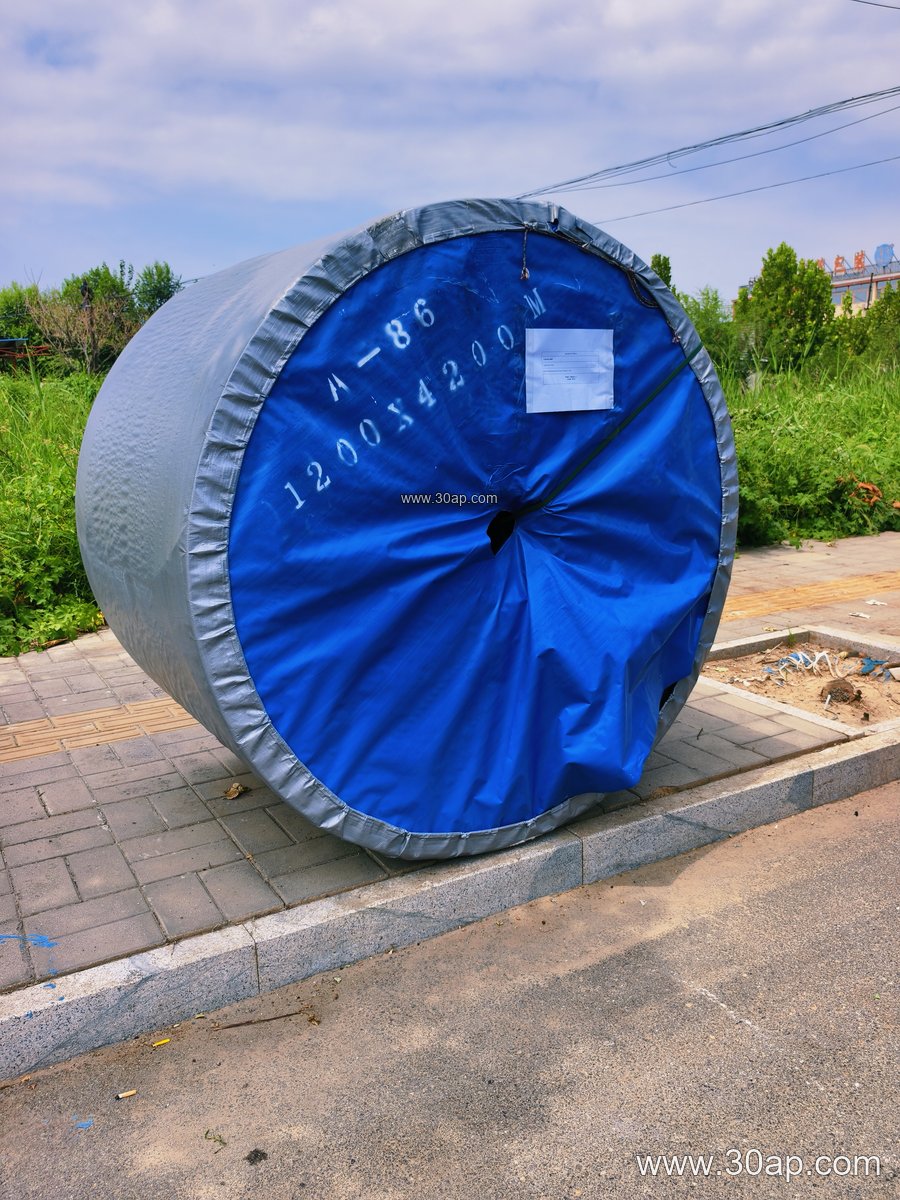
- Carcass: EP Conveyor Belt (polyester warp, nylon weft) and NN Conveyor Belt (all-nylon) are common fabric options; Steel Cord Conveyor Belt is chosen for high strength and long center distances.
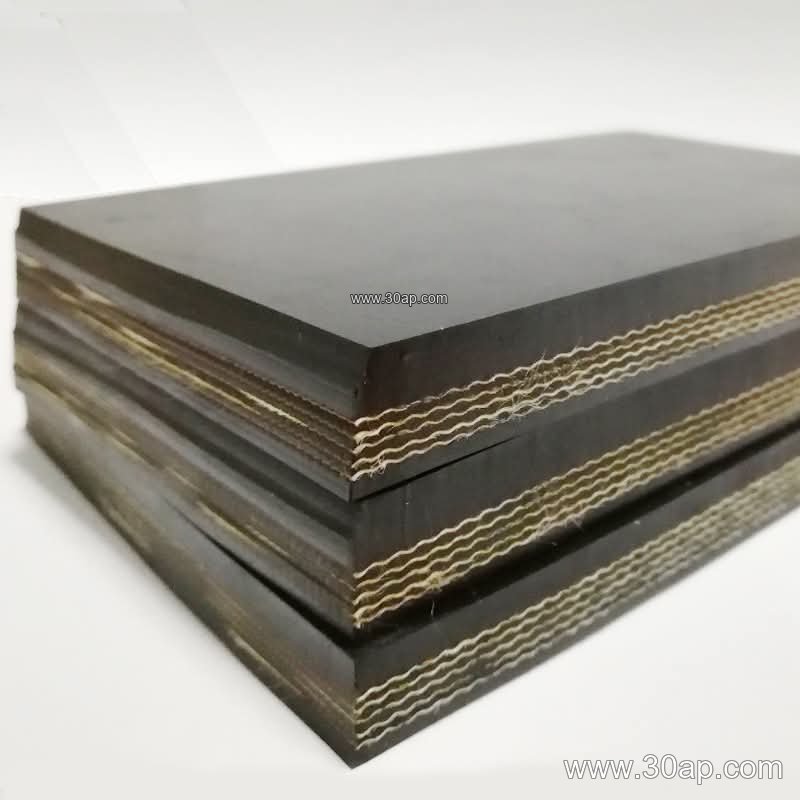
- Ply count: fabric belts usually carry 2 to 6 plies, depending on tension and impact.
- Covers: typical constructions include 3+1.5, 4+2, 5+2, 6+2, and 8+3 mm, meaning top cover plus bottom cover.
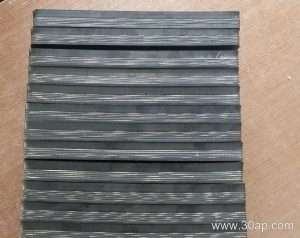
- Surface form: plain, Chevron Conveyor Belt profiles for incline grip, Skirted Conveyor Belt and Corrugated Sidewall Conveyor Belt for steep inclines, and Pipe Conveyor Belt for enclosed routing.
Common Specifications and Reference Ranges
Construction sites rarely use one universal belt. The table below shows reference ranges that appear in the market; actual values are confirmed by design and by the manufacturer.
| Parameter | Common reference values |
|---|---|
| Belt width | B500, B650, B800, B1000, B1200, B1400, B1600, B1800, B2000 mm |
| EP strength grades | EP200, EP315, EP400, EP500, EP630, EP800, EP1000, EP1250, EP1600, EP2000 |
| Steel cord grades | ST1000, ST1250, ST1600, ST2000, ST2500, ST3150 |
| Cover thickness | 3+1.5, 4+2, 5+2, 6+2, 8+3 mm |
| Fabric plies | 2 to 6 plies, usually |
Width and pulley diameter are separate design choices. A wider belt does not automatically require one fixed pulley diameter, and shaft size comes from the pulley design, not from belt width alone. Belt speed, incline, lump size, and tonnage all feed into the calculation.
Where It Is Used
The same belt family serves many industries. In a sand and gravel pit, an Abrasion Resistant Conveyor Belt handles sharp aggregate; at a cement plant, heat-resistant grades cope with clinker and hot kiln discharge; at a coal yard or underground mine, Flame Retardant Conveyor Belt and Anti-Static Conveyor Belt are typical safety choices. Power plants use belts for limestone and ash, steel plants for ore and coke, and recycling yards for mixed debris. A Quarry Conveyor Belt may be a heavy-duty fabric belt, while a long overland run at a port often calls for a steel cord carcass. Matching the compound to the cargo, whether it is wet sand, hot cement, oily scrap, or frozen rock, extends service life more than buying a heavier belt of the wrong grade.
Buyer Checklist
- Define the material: lump size, moisture, temperature, oil or chemical content, and abrasiveness.
- Confirm the required tension and take-up, then choose the carcass and strength grade.
- Select cover thickness and compound for the main wear mode.
- Choose the surface form: plain, chevron, sidewall, or pipe, based on incline and routing.
- Check the full conveyor: idler roller spacing, pulley alignment, and skirt clearance all affect belt life.
- Ask for the belt data sheet and confirm the dimensions, rather than assuming a size from a catalog.
Construction sites reward early planning. A belt that fits the idlers, the pulleys, and the duty lasts longer and needs fewer stoppages. For more information on belt and component selection, visit conveyorbeltingpro.com for belt guidance and pulleybeltpro.com for related conveyor components.