What a Large Belt Conveyor Idler Does on a Heavy-Duty Line
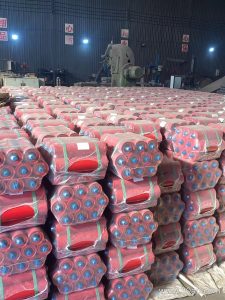
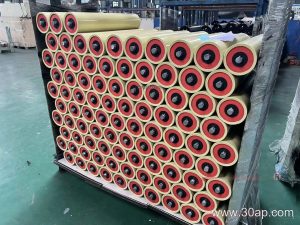
A large belt conveyor idler is the rotating support that carries the conveyor belt and its load along the carrying and return runs. On wide, high-tonnage systems it is often a heavy-duty idler roller built with a thick steel shell, reinforced bearing housing and a shaft sized for the actual load rather than for belt width alone. In a quarry, a coal preparation plant or a cement plant, these idlers keep the belt tracking smoothly and protect the belt from sagging between frames.
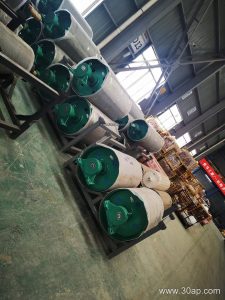
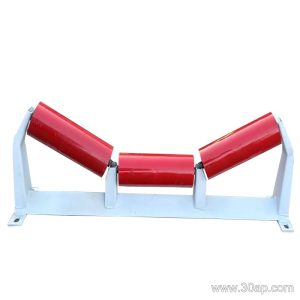
The term covers several forms. Troughing idlers are the most common on the carrying side, usually arranged as a single roll, two-roll or three-roll set. Return idlers support the empty belt, and impact idlers with rubber rings are placed under loading points. Alignment idlers, including friction and tapered types, help correct belt drift. Each form has a different job, and none should be confused with a drive pulley, tail pulley or bend pulley, which transmit power or change belt direction.
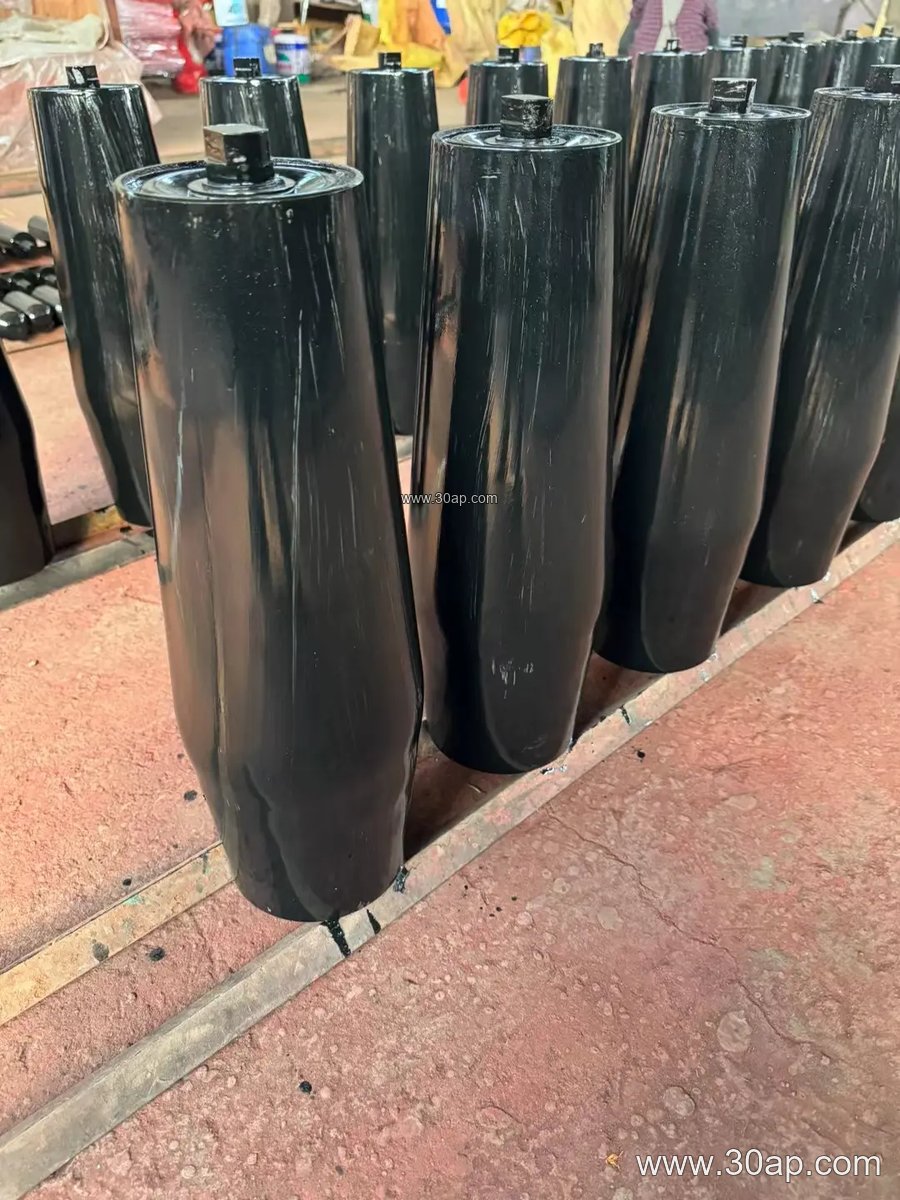
Construction Details That Matter
A typical large belt conveyor idler consists of a steel tube shell, a through shaft, sealed bearings, and end caps. The roller surface may be plain steel, nylon, ceramic or rubber-covered depending on the environment. Bearing selection usually follows load and speed; common sizes include 6204, 6205, 6305, 6306, 6308 and 6310, but no single bearing is tied to one roller diameter. Shaft diameter is determined by the idler manufacturer and the conveyor design, not by belt width alone.
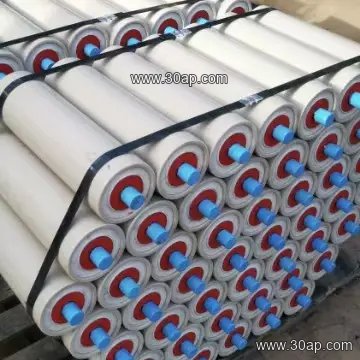
Sealing is critical in dusty or wet conditions. Labyrinth seals and contact seals are common choices for aggregate and mining duty. The shell thickness and weld quality affect service life under high impact, especially at transfer points where a heavy-duty mining conveyor belt drops ore or rock.
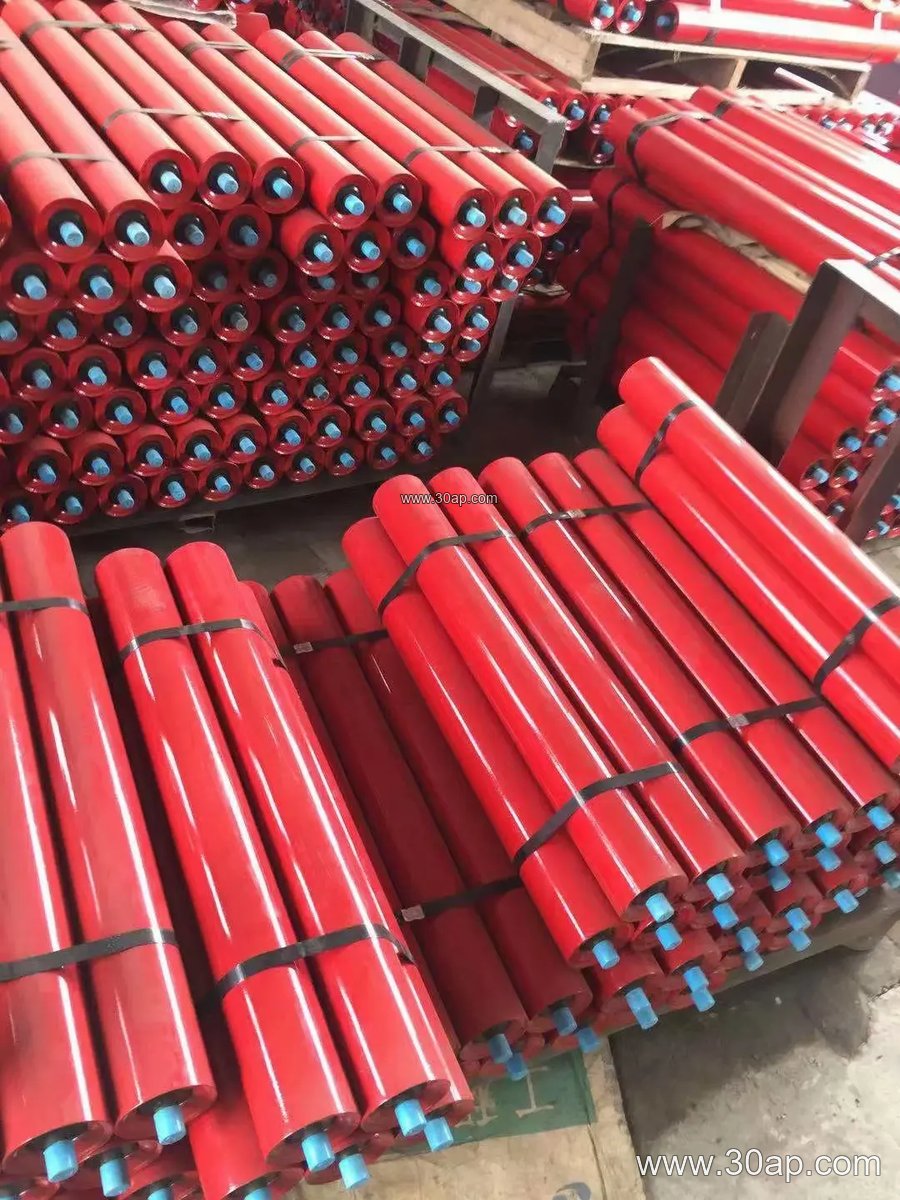
Matching Idler Size to Belt Width and Trough Angle
Idler length changes with belt width, trough angle and roll configuration. For a three-roll troughing set, common roll lengths are roughly 200 mm for B500, 250 mm for B650, 315 mm for B800, 380 mm for B1000, 465 mm for B1200, 530 mm for B1400, 600 mm for B1600, 670 mm for B1800 and 750 mm for B2000. These are examples only; side rolls and center rolls can differ, and final dimensions are set by design.
Trough angles of 20, 30, 35 and 45 degrees are used to suit material characteristics and belt stiffness. A 35-degree trough is common in bulk handling, while a 45-degree trough may be chosen for certain fine materials. Forward tilt of about 1.5 to 2 degrees is sometimes used on troughing idlers to assist belt tracking. Roller diameters range from Ø63 up to Ø219, with Ø89, Ø108, Ø133, Ø159 and Ø194 frequently seen on large conveyors.
Where Large Belt Conveyor Idlers Are Used
These idlers appear in limestone mines, iron ore and copper ore operations, coal washing plants, power plant coal handling, port ship loading, steel plant sintering lines and concrete batching plants. In a sand and gravel line, a quarry conveyor belt runs over troughing idlers that must resist abrasion and dust. In a cement plant, heat resistant conveyor belt may be used near kilns, and the idlers must tolerate elevated temperatures without losing lubrication. Underground coal mining conveyor belt systems rely on flame retardant conveyor belt and well-sealed idlers to reduce fire risk and maintenance.
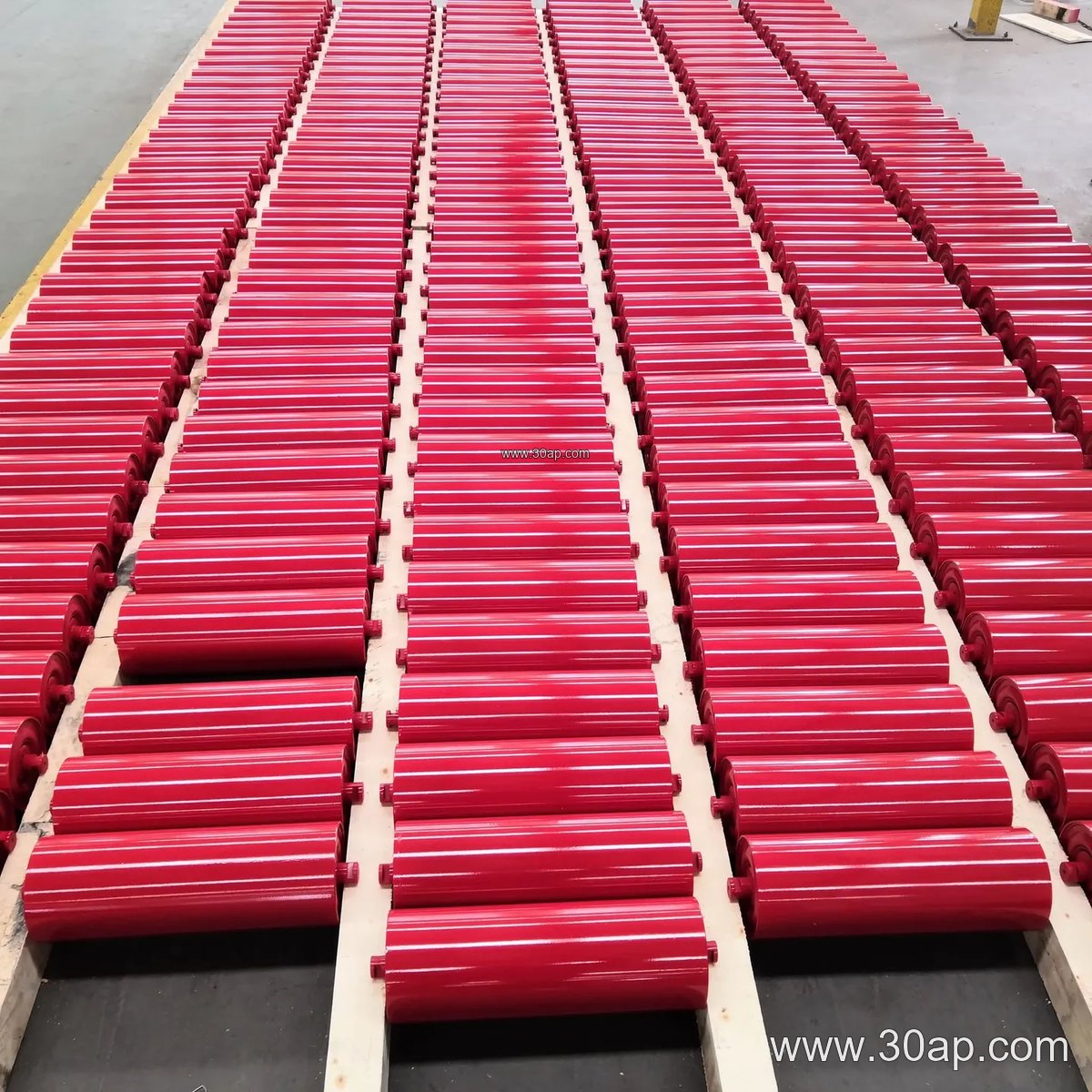
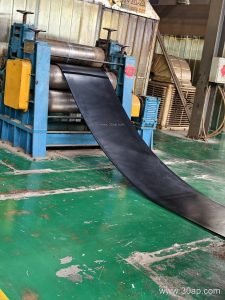
Other belt types such as EP conveyor belt, NN conveyor belt, steel cord conveyor belt and fabric core conveyor belt all place different loads on the idler set. A steel cord conveyor belt can carry very high tension, while a multi-ply fabric core conveyor belt is common in medium-duty service. Chevron conveyor belt, skirted conveyor belt and corrugated sidewall conveyor belt may need special idler arrangements at loading and transition zones. Pipe conveyor belt systems use idlers in a hexagonal arrangement, which is a different design from conventional troughing sets.
Buyer Checklist
- Confirm the actual belt width, trough angle and roll configuration before ordering.
- Check the specified roller diameter, shaft diameter and bearing size against the conveyor design.
- Match the seal type to dust, water and temperature conditions.
- For impact zones, consider rubber ring impact idlers rather than standard troughing idlers.
- Ask for the idler’s load rating and speed limit, and verify compatibility with the conveyor bracket and frame.
- Review maintenance access; idler replacement should not require major frame work.
For operators sourcing components, it helps to review the full conveyor line: the conveyor belt, idler roller, conveyor pulley and conveyor bracket all interact. A well-chosen large belt conveyor idler reduces belt wear, lowers downtime and keeps bulk material moving from the crusher to the stockpile.