What a Heavy-Duty Belt Conveyor Idler Does on the Line
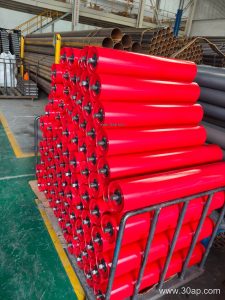
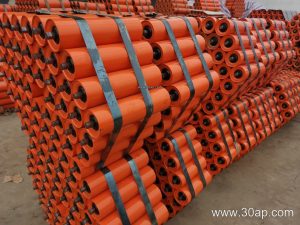
A heavy-duty belt conveyor idler is the rotating support beneath a loaded conveyor belt, and its job sounds simple until the material gets heavy. In a limestone quarry, a copper ore transfer house, or a power plant coal yard, the idler must carry a continuous load, survive dust and fines, and keep the belt tracking without constant attention. The idler roller is not a passive accessory; it sets the belt line, controls sag between frames, and absorbs part of the impact at loading points.
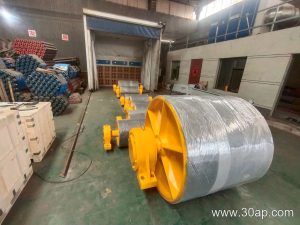
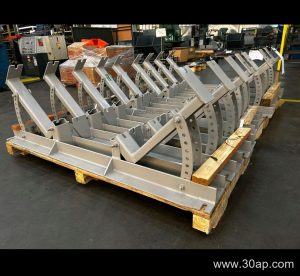
Because the load case is severe, heavy-duty carrying idlers usually appear in three-roll trough sets on the upper strand, with return rollers or V-type return sets underneath. The same conveyor may also use a conveyor pulley at the head and tail, but those are different components with different design rules. A drive pulley, a tail pulley, and a bend pulley are not interchangeable with an idler, and none of them should be ordered as a substitute for a worn carrying roller.
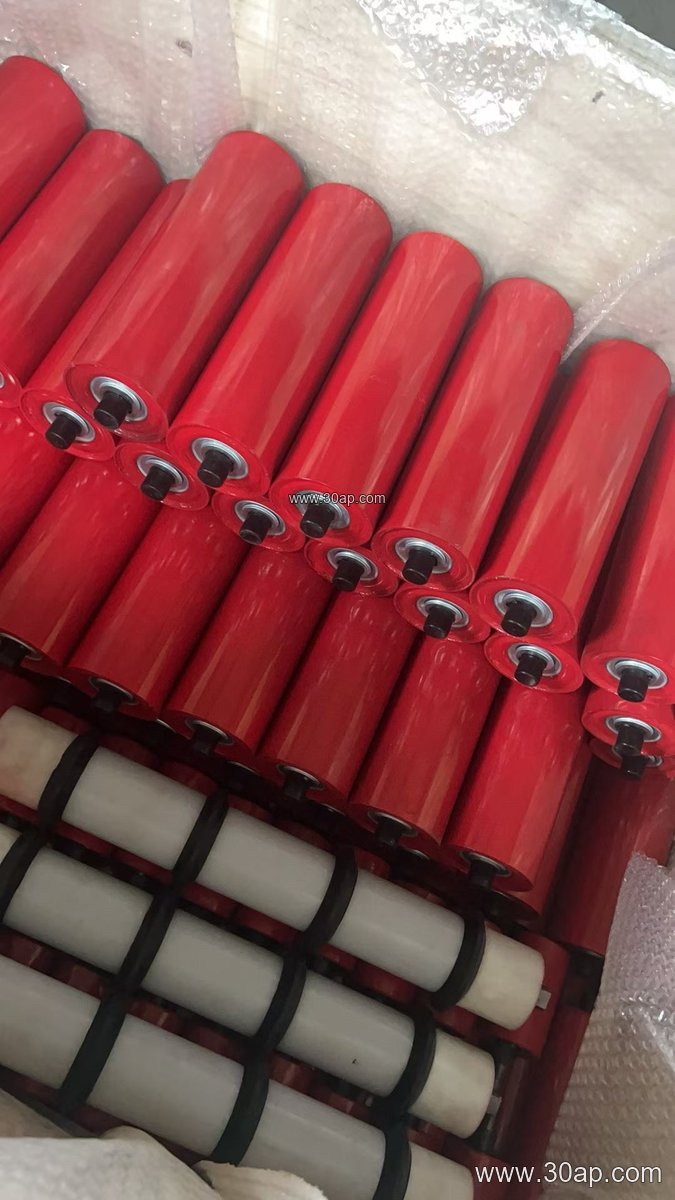
Construction Details That Matter Underground and in Dust
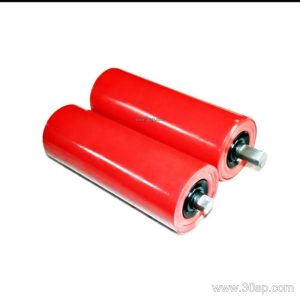
A typical heavy-duty idler combines a steel tube shell, welded end discs, a shaft, and sealed ball bearings. Roll diameters commonly range from Ø89 up to Ø219, and the bearing size is matched to the load and speed rather than to belt width alone. Common bearing numbers include 6205, 6305, 6306, 6308, and 6310. A larger roller does not automatically mean a larger shaft, so the shaft diameter should come from the conveyor design, not from a rule of thumb.
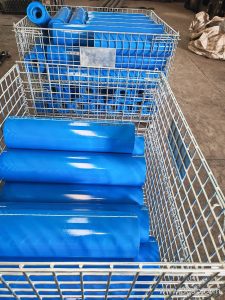
Sealing is where heavy-duty idlers earn their reputation. Labyrinth seals, contact seals, and grease-filled end caps keep out coal dust, cement powder, and iron ore fines. Shell options include plain steel, nylon, ceramic, and rubber rings. Rubber-ring impact idlers are often placed under a crusher discharge or a transfer chute where lumps fall from height, while ceramic-faced rollers may be chosen where sticky material builds up. On a coal mining conveyor belt, flame retardant belt and idler selection often go together because the whole system is specified for the same environment.
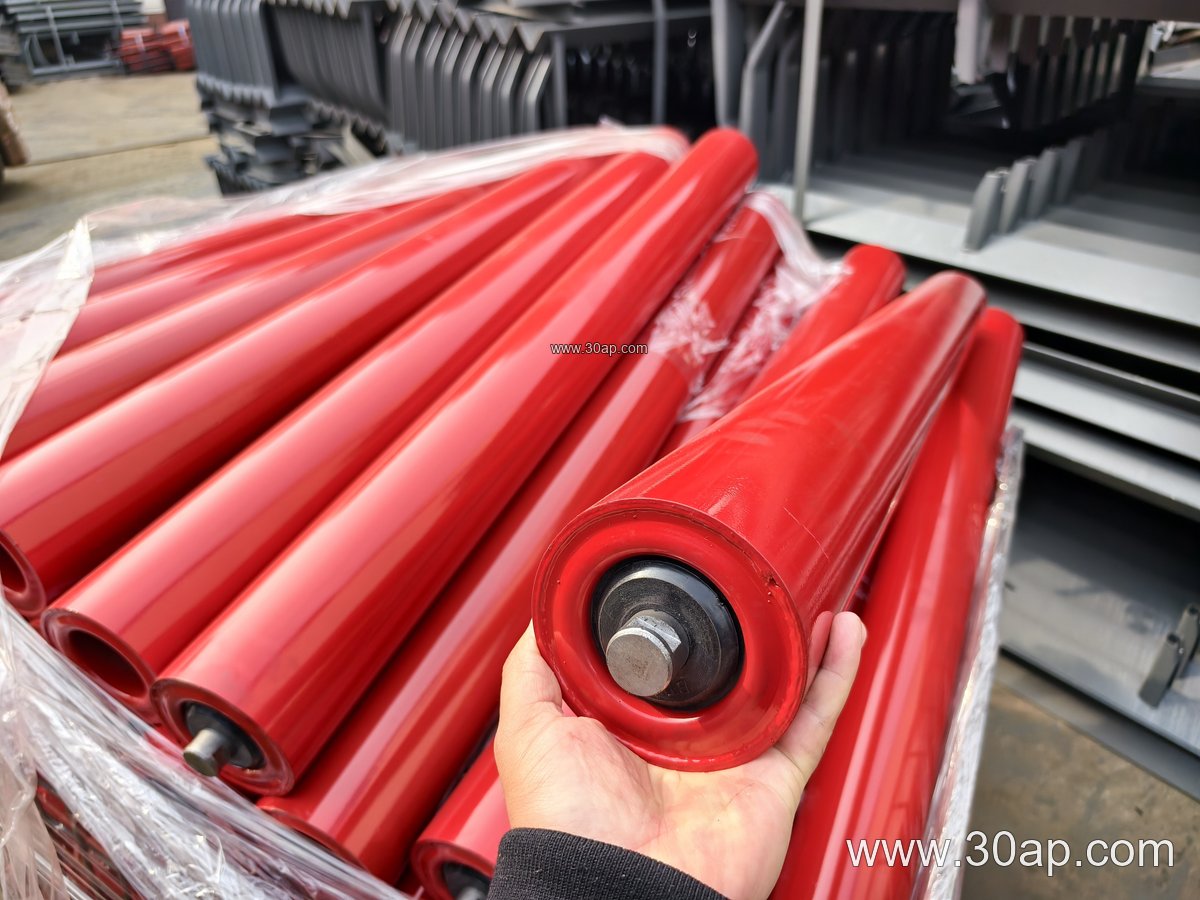
Trough Angle, Roll Length, and Belt Width
Trough angles of 20, 30, 35, and 45 degrees are common, and the choice affects how the load sits in the belt. A 35-degree three-roll set is a frequent compromise between capacity and belt stress, while 45-degree sets can suit certain high-capacity lines. Forward lean of about 1.5 to 2 degrees is used on some training idlers to help the belt stay centered. Roll length changes with belt width, trough angle, and roll arrangement, so the figures below are examples only, not fixed matches.
| Belt width | Example center roll length for a three-roll trough set | Typical trough angle range |
|---|---|---|
| B500 | about 200 mm | 20 to 35 degrees |
| B650 | about 250 mm | 20 to 35 degrees |
| B800 | about 315 mm | 20 to 45 degrees |
| B1000 | about 380 mm | 30 to 45 degrees |
| B1200 | about 465 mm | 30 to 45 degrees |
| B1400 | about 530 mm | 30 to 45 degrees |
| B1600 | about 600 mm | 35 to 45 degrees |
| B1800 | about 670 mm | 35 to 45 degrees |
| B2000 | about 750 mm | 35 to 45 degrees |
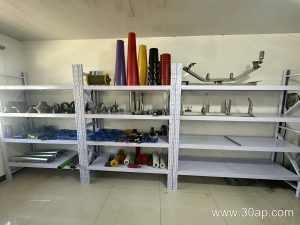
Side rolls can differ from the center roll, and belt width does not lock a conveyor to one pulley diameter or one idler size. A B1200 line may run with different roll diameters at the loading zone and along the carrying run. For operators comparing wear parts, the idler roller, the conveyor bracket, and the frame spacing all belong in the same conversation.
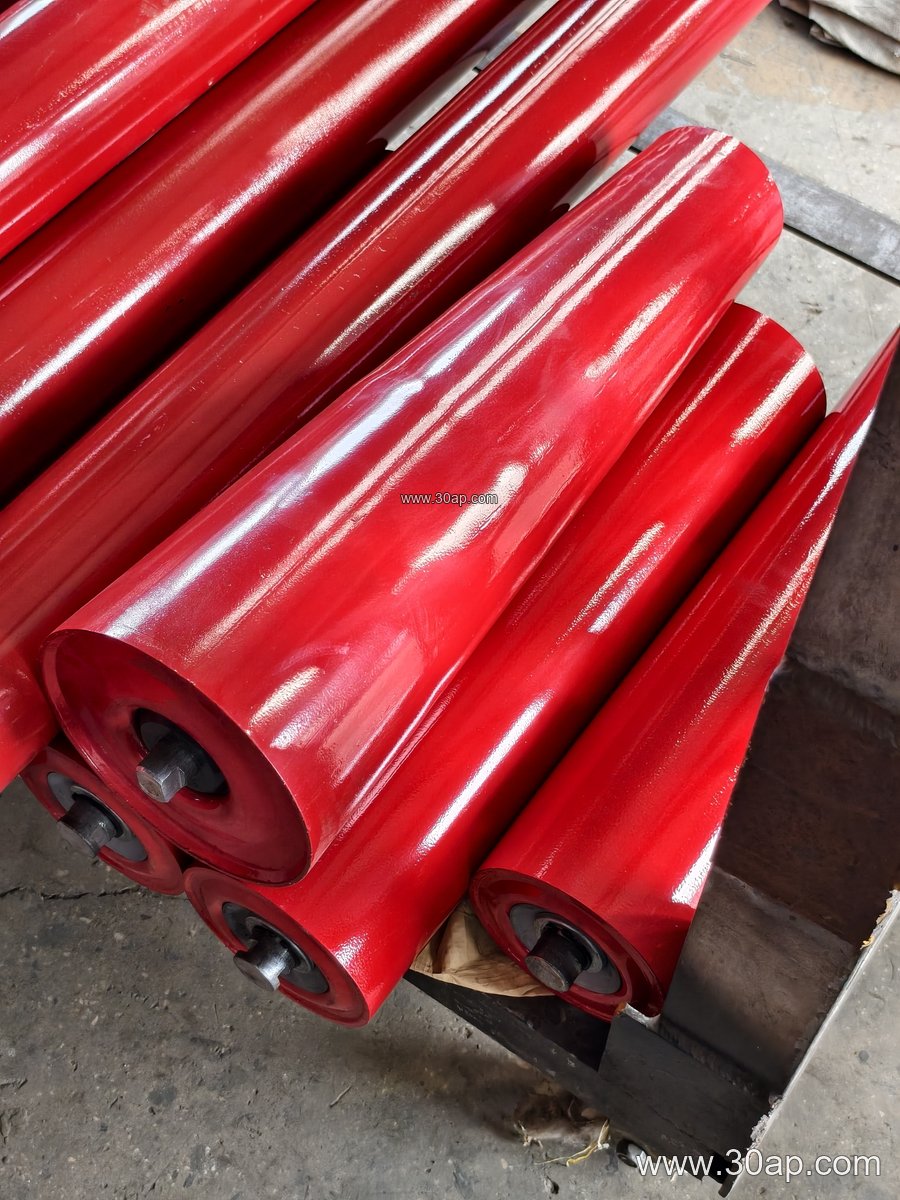
Where These Idlers Are Used
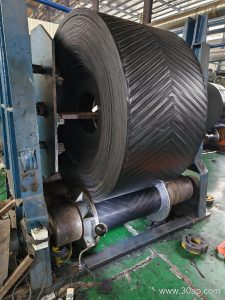
Heavy-duty idlers are common in aggregate plants feeding a crusher conveyor belt, in cement plant clinker transport, and in ore handling where an iron ore conveyor belt or copper ore conveyor belt carries abrasive material. They also appear in ship loading and port bulk material conveyor belt systems, and in steel plant sinter lines. When the belt itself is a steel cord conveyor belt or a high-strength fabric core belt such as EP200 or EP300, the idler set must be rated for the resulting tension and load, not chosen from belt width alone.
In dusty or wet conditions, a skirted conveyor belt or corrugated sidewall conveyor belt may be used to contain material, and the idler arrangement at the transition must still allow the belt to flex without pinching. Training idlers, spiral rollers, and comb-type rollers are separate subtypes used for tracking, cleaning, or sticky material; they are not a replacement for the main carrying set when the duty is heavy.
Buyer Checklist Before Ordering
- Confirm the actual load per idler and the belt speed, not just the belt width.
- State the roll diameter, shell material, and bearing number you need, or ask for a recommendation based on duty.
- Specify the trough angle and the roll arrangement: single, two-roll, or three-roll.
- Describe the environment: coal dust, cement powder, salt air, washdown, or high temperature.
- Check frame spacing and bracket type so the new idler fits the existing structure.
- Match the idler specification to the belt type in use, whether abrasion resistant, heat resistant, or flame retardant.
Good idler selection is a system decision. A heavy-duty belt conveyor idler that fits the load, the sealing environment, and the frame will outlast a larger roller chosen only by diameter.