What a Bulk Material Conveyor Belt Is
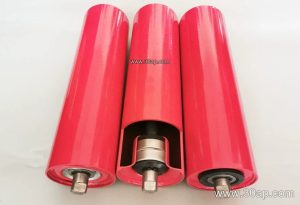
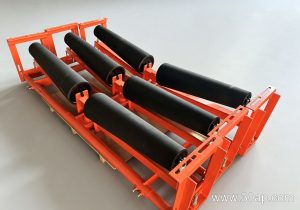
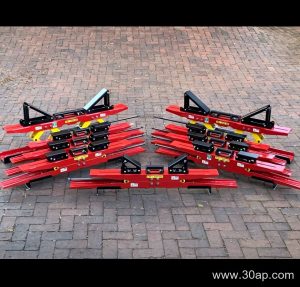
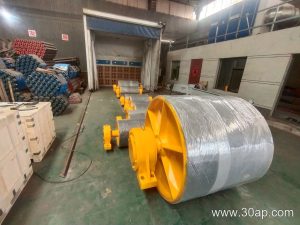
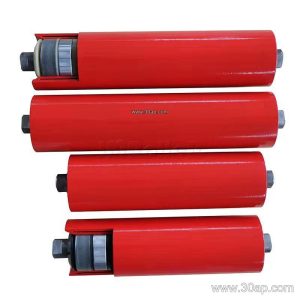
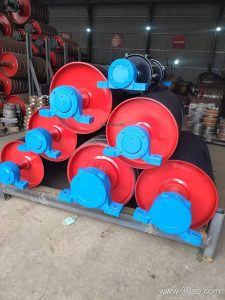
A bulk material conveyor belt is the continuous loop that carries crushed rock, coal, ore, cement clinker, or aggregate from one point to another on a conveyor system. It is the single largest wearing component in most bulk handling lines, and its construction determines how well the system performs in a mine, quarry, cement plant, power station, or port. The belt works together with idler rollers, conveyor pulleys, and conveyor brackets to form a complete conveying path.
In practice, buyers often ask for this product by its application name, such as a mining conveyor belt or a quarry conveyor belt. Both refer to the same core product: a heavy-duty rubber or fabric-reinforced belt designed for continuous bulk transport.
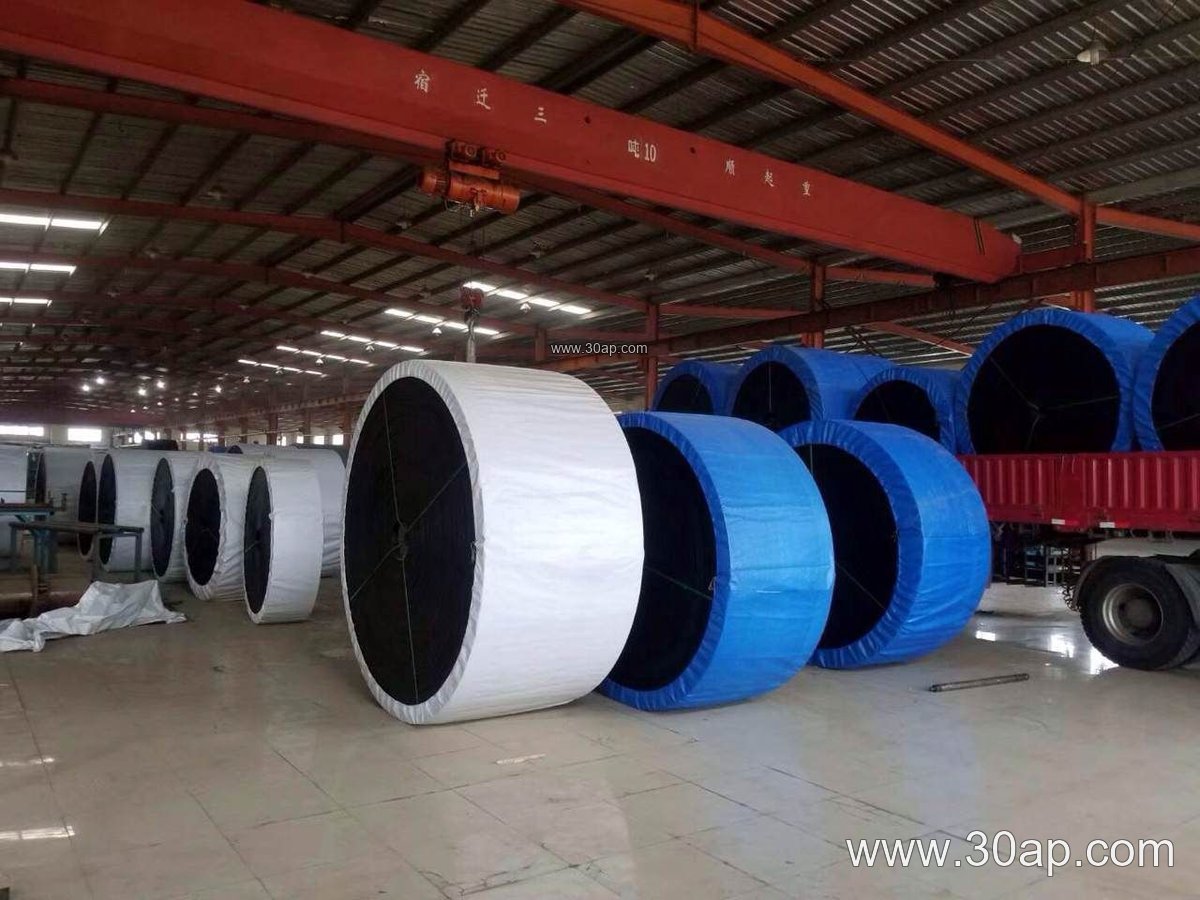
How the Belt Is Built
The bulk material conveyor belt is a layered structure. The carcass provides tensile strength and resistance to impact; the cover rubber protects the carcass from abrasion, heat, oil, or fire. Common carcass types include fabric core conveyor belt constructions such as EP conveyor belt (polyester-nylon) and NN conveyor belt (nylon-nylon), as well as steel cord conveyor belt for very high tension and long distances.
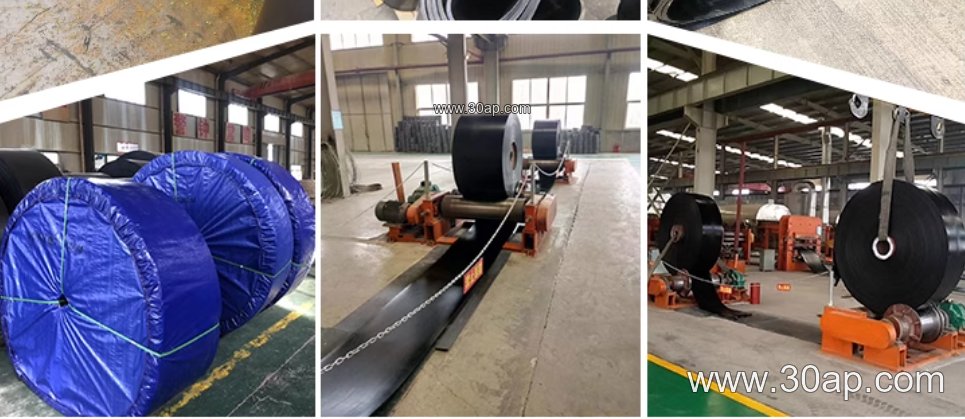
Cover rubber thickness is usually given as top cover plus bottom cover, for example 4+2 mm, 5+2 mm, or 6+2 mm. A high abrasion resistant conveyor belt may use a thicker top cover for sharp, hard rock. A heat resistant conveyor belt uses special compounds for clinker or sinter. A flame retardant conveyor belt and anti-static conveyor belt are common in coal mining conveyor belt systems, including underground coal mining conveyor belt installations. For food or clean applications, a food grade conveyor belt is available in PVC or other approved compounds.
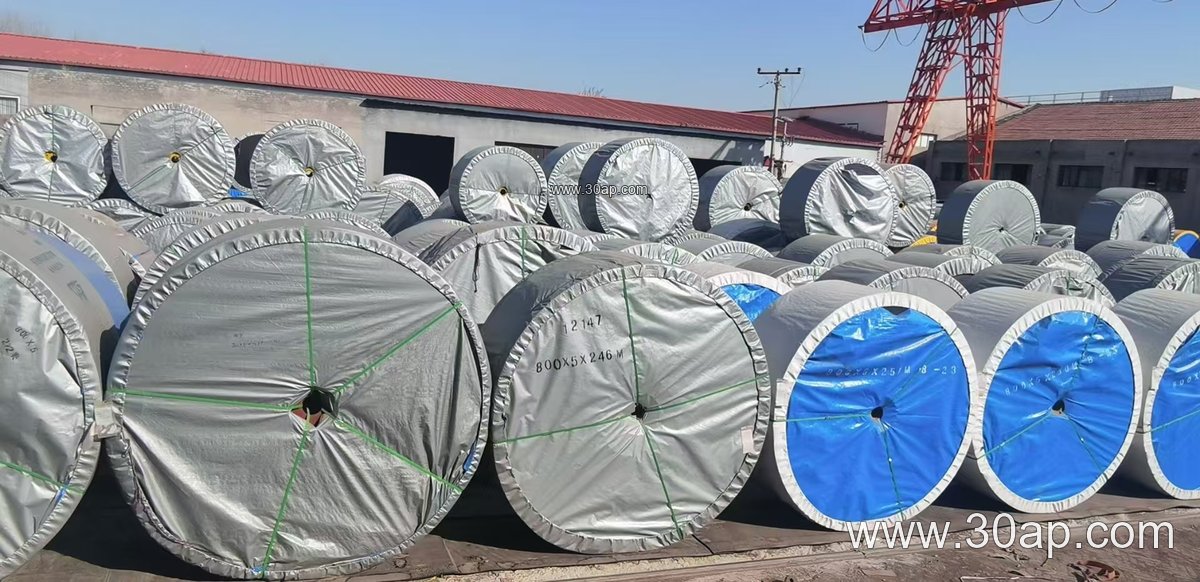
Typical Specifications
Specifications vary by manufacturer and by design. The table below shows common reference values, not fixed supply promises. Belt width and carcass grade are selected together with pulley diameters, idler roller spacing, and load conditions.
| Parameter | Common reference values |
|---|---|
| Belt width | B500, B650, B800, B1000, B1200, B1400, B1600, B1800, B2000 |
| EP carcass grade | EP200, EP315, EP400, EP500, EP630, EP800, EP1000, EP1250, EP1600, EP2000 |
| Cover thickness | 3+1.5 mm, 4+2 mm, 5+2 mm, 6+2 mm, 8+3 mm |
| Fabric plies | 2 to 6 plies, depending on grade |
| Steel cord grade | ST1000, ST1250, ST1600, ST2000, ST2500, ST3150 |
Surface forms include plain, chevron conveyor belt for inclined haulage, and corrugated sidewall conveyor belt or skirted conveyor belt for steep or confined paths. A pipe conveyor belt encloses the material for dust control and curve routing. An endless conveyor belt is prepared for specific center distances.
Where It Is Used
Bulk material conveyor belts appear in mines, coal preparation plants, cement works, power plants, steel plants, quarries, sand and gravel pits, crushing circuits, and port loading terminals. In a coal mining conveyor belt, flame retardant and anti-static properties are usually required. In a cement plant conveyor belt, heat resistant and abrasion resistant covers are common. An ore conveyor belt for iron ore or copper ore may need high strength and impact resistance. A crusher conveyor belt and rock conveyor belt must tolerate lumps and sharp edges. Port conveyor belt and ship loading conveyor belt systems often use wide belts and high-strength carcasses.
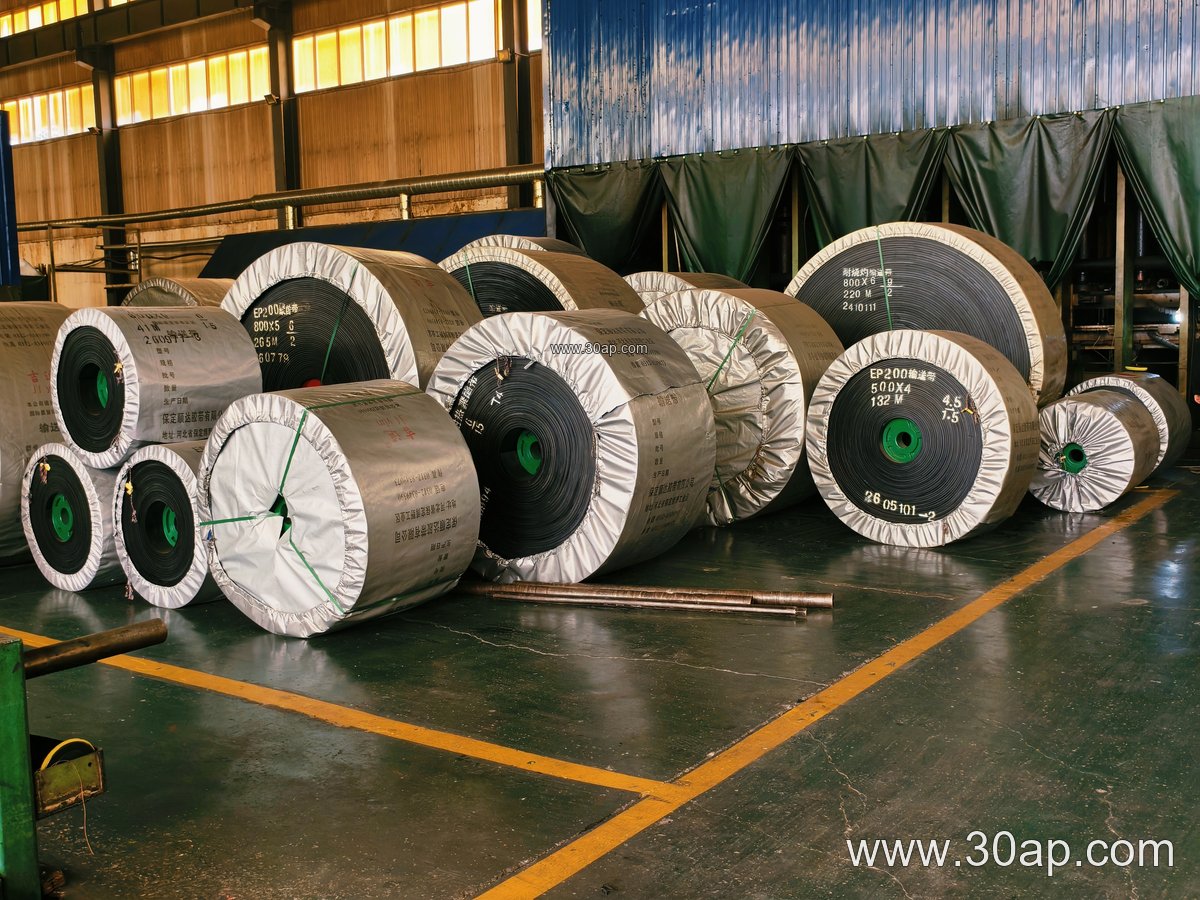
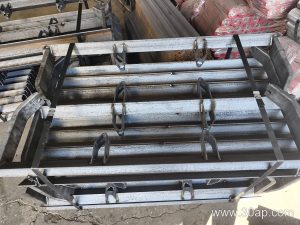
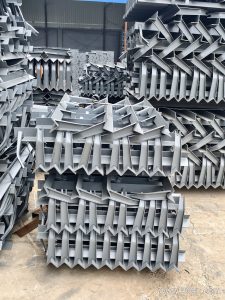
Related equipment matters as well: idler roller alignment, conveyor pulley condition, and conveyor bracket rigidity all affect belt life. A misaligned idler roller or worn conveyor pulley can damage even a well-made belt.
What Buyers Should Check
- Confirm the actual duty: material type, lump size, temperature, oil exposure, and whether the area is explosive or dusty.
- Match carcass grade to the calculated tension, not to a single belt width alone. One belt width can work with different pulley diameters and shaft sizes depending on the conveyor design.
- Specify cover thickness and rubber quality for the wear pattern. A high abrasion resistant conveyor belt is not automatically suitable for heat or oil.
- Check whether the belt needs to be flame retardant, anti-static, cold resistant, or acid and chemical resistant.
- Review the interface with conveyor pulleys, idler rollers, and brackets so the belt tracks correctly and is not over-tensioned.
- Ask for the manufacturer’s own data sheet, since reference grades and dimensions differ between suppliers.
For more information on conveyor belt, idler roller, and conveyor pulley selection for bulk material conveyor belt projects, consult the system designer and the belt supplier together.