What a V-Type Idler Does on a Conveyor
A V-type idler is a return-side roller assembly that supports the empty conveyor belt after it has discharged its load. Its two rolls are set at an angle to form a shallow V, which naturally centers the belt and helps keep it tracking straight on the return run. This idler is part of the V-type idler family and is also correctly called a V-return idler or V-shaped return roller. It is not a substitute for a troughing idler on the carrying side, nor for a drive pulley, tail pulley, or bend pulley, which serve different functions in the conveyor system.
Construction and Common Configurations
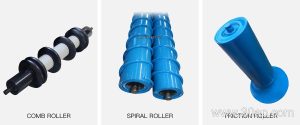
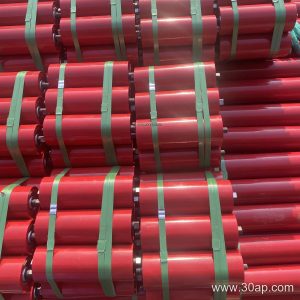
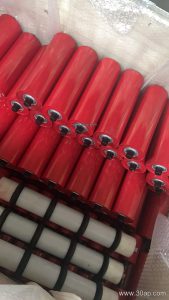
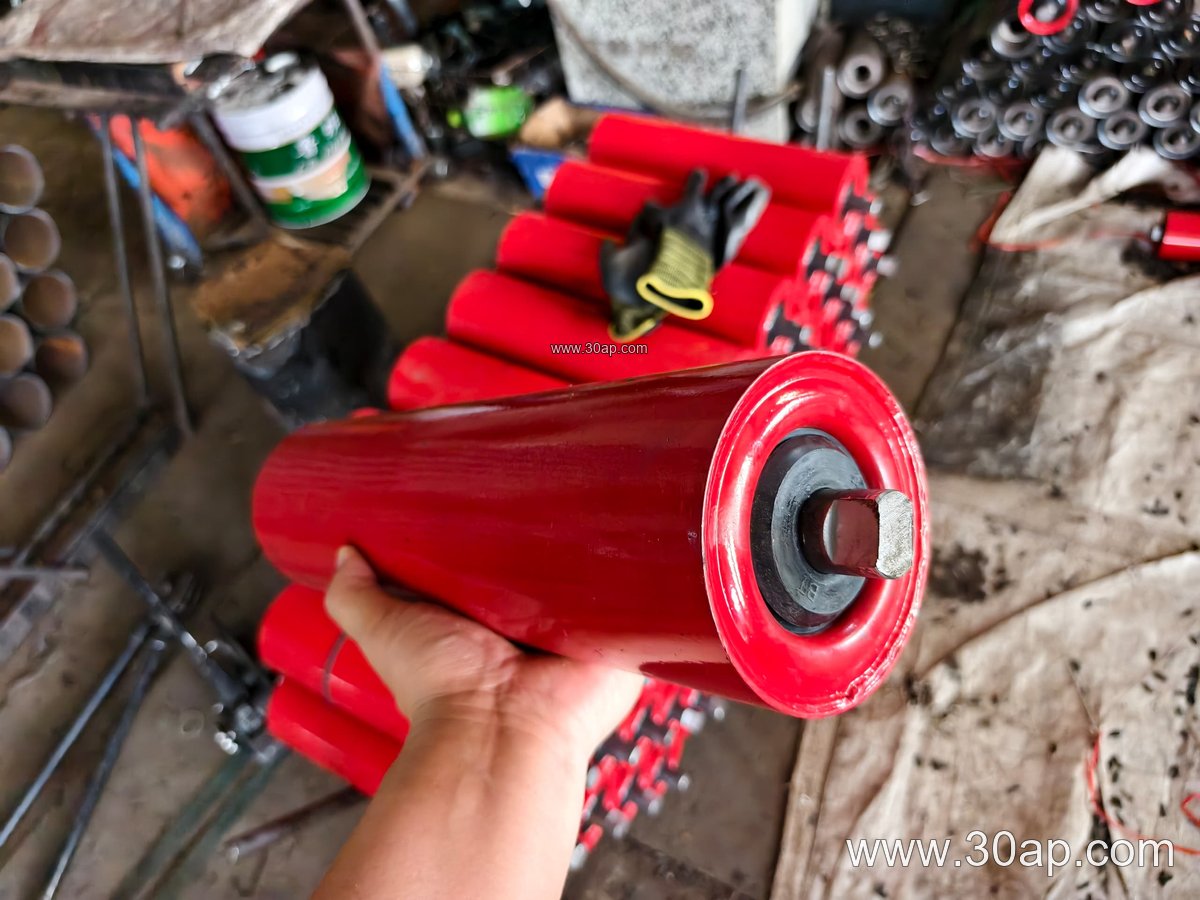
The assembly typically consists of two idler rollers mounted on a common frame or bracket, with each roll inclined a few degrees from horizontal. Roll diameters commonly fall in the range of Ø63 mm to Ø159 mm, depending on belt width and load. Bearing sizes such as 6204, 6205, 6305, or 6306 are often selected to match the roll diameter and speed. Roll surfaces may be steel, nylon, or rubber-covered, and the frame is usually bolted to the conveyor structure using standard conveyor brackets.
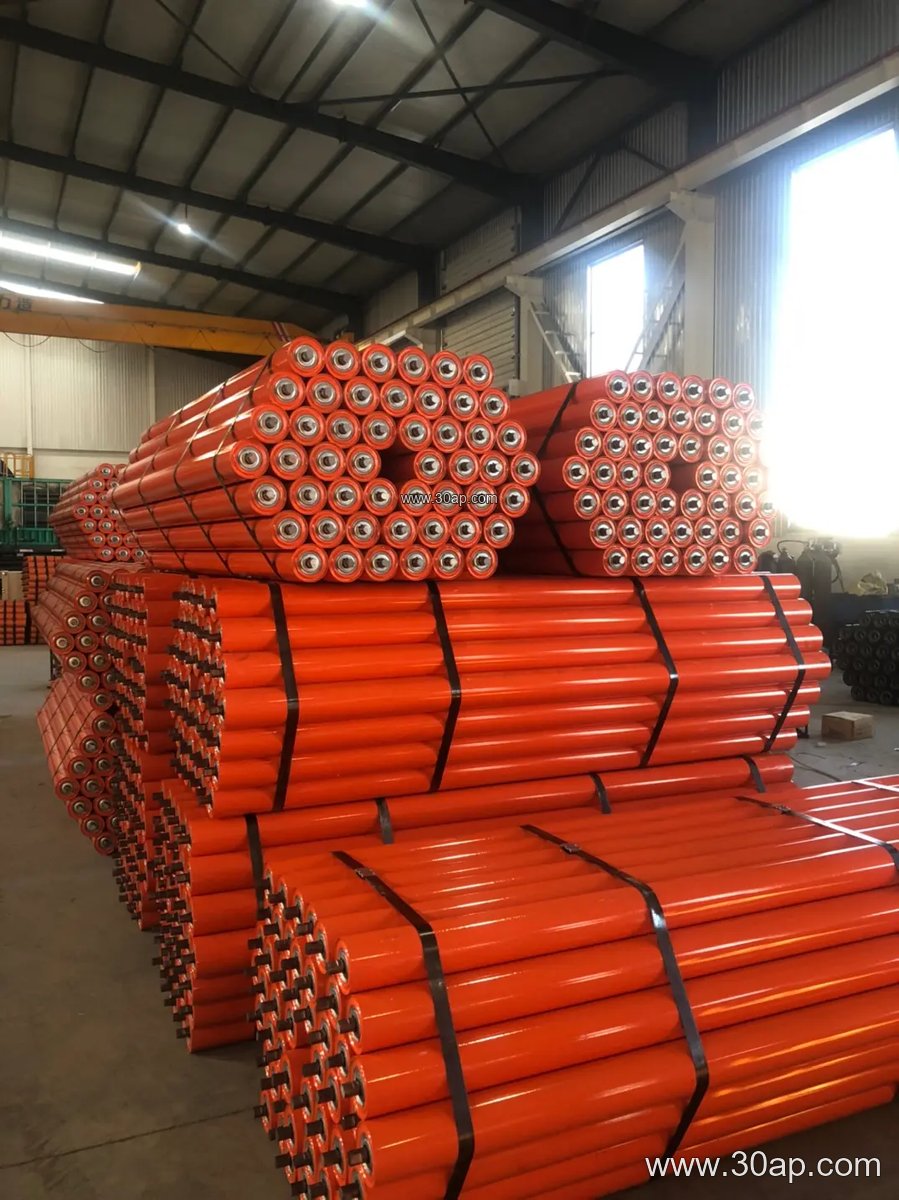
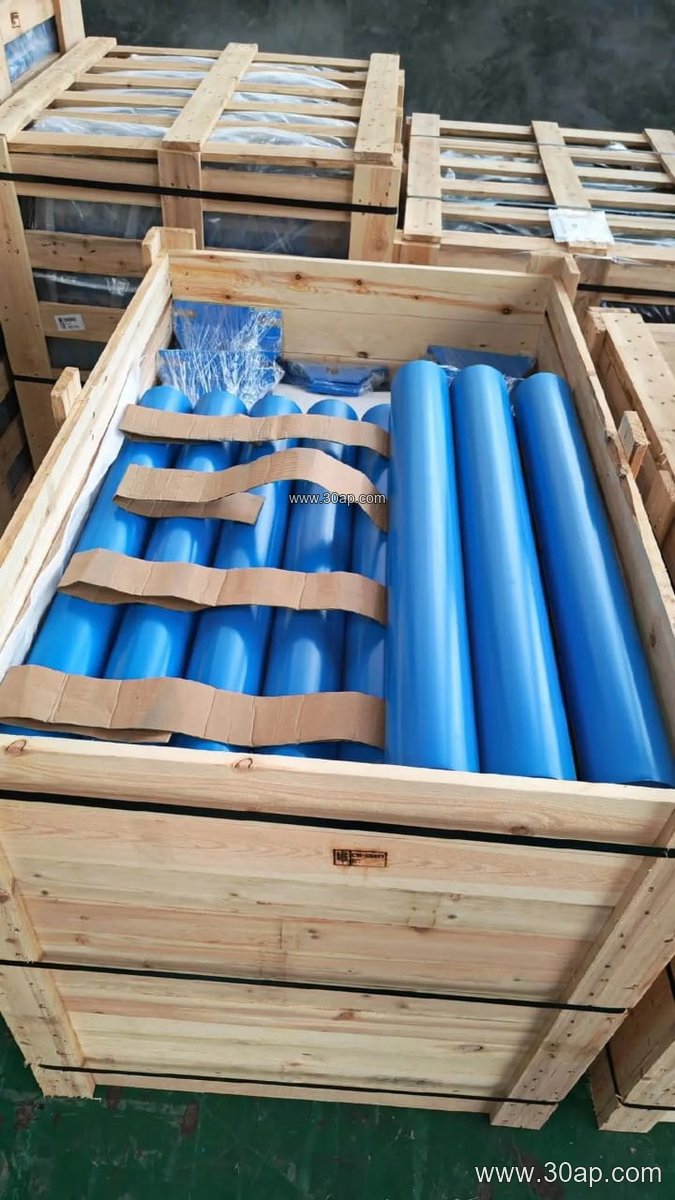
Common belt widths for V-return idlers include B500, B650, B800, B1000, B1200, and B1400, though wider belts up to B2400 are also supported by appropriate designs. The roll length and angle are determined by the belt width and the required troughing effect; there is no single fixed shaft diameter that applies to every belt width. Buyers should confirm the mounting dimensions and roll spacing with the conveyor manufacturer.
Where V-Type Idlers Are Used
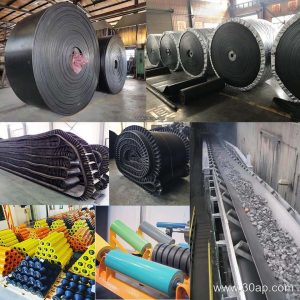
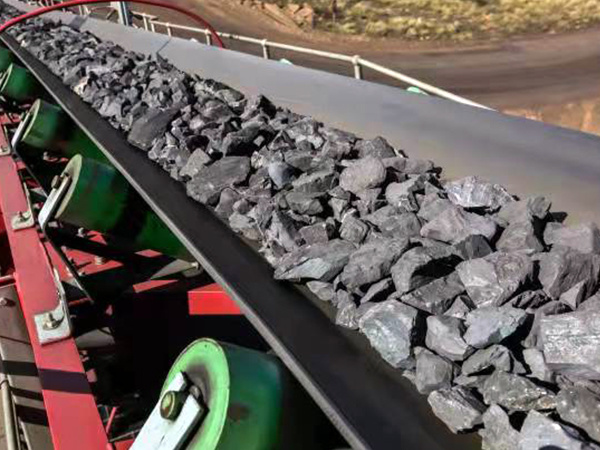
These idlers are common in bulk material handling where belt training and return strand stability matter. In a quarry or aggregate plant, a V-return idler helps keep an abrasion resistant conveyor belt centered after the discharge point, reducing edge wear. In a coal mining operation, a flame retardant conveyor belt on the return run benefits from the self-centering action of the V-shaped rolls. Cement plants and power plant coal handling systems also use V-type idlers to support the empty belt and minimize spillage. The idler works alongside the conveyor belt, conveyor pulley, and conveyor bracket to maintain reliable operation.
Selection and Maintenance Notes
When specifying a V-type idler, consider the belt width, the expected load on the return strand, and the environment. Dusty or wet conditions may call for sealed bearings and corrosion-resistant finishes. The roll diameter should be chosen to suit the belt speed and the allowed sag between idlers. Regular inspection of the idler rollers for wear, buildup, or bearing noise helps prevent belt misalignment. Replacing a worn V-return idler with the correct size and angle preserves the belt’s tracking behavior.
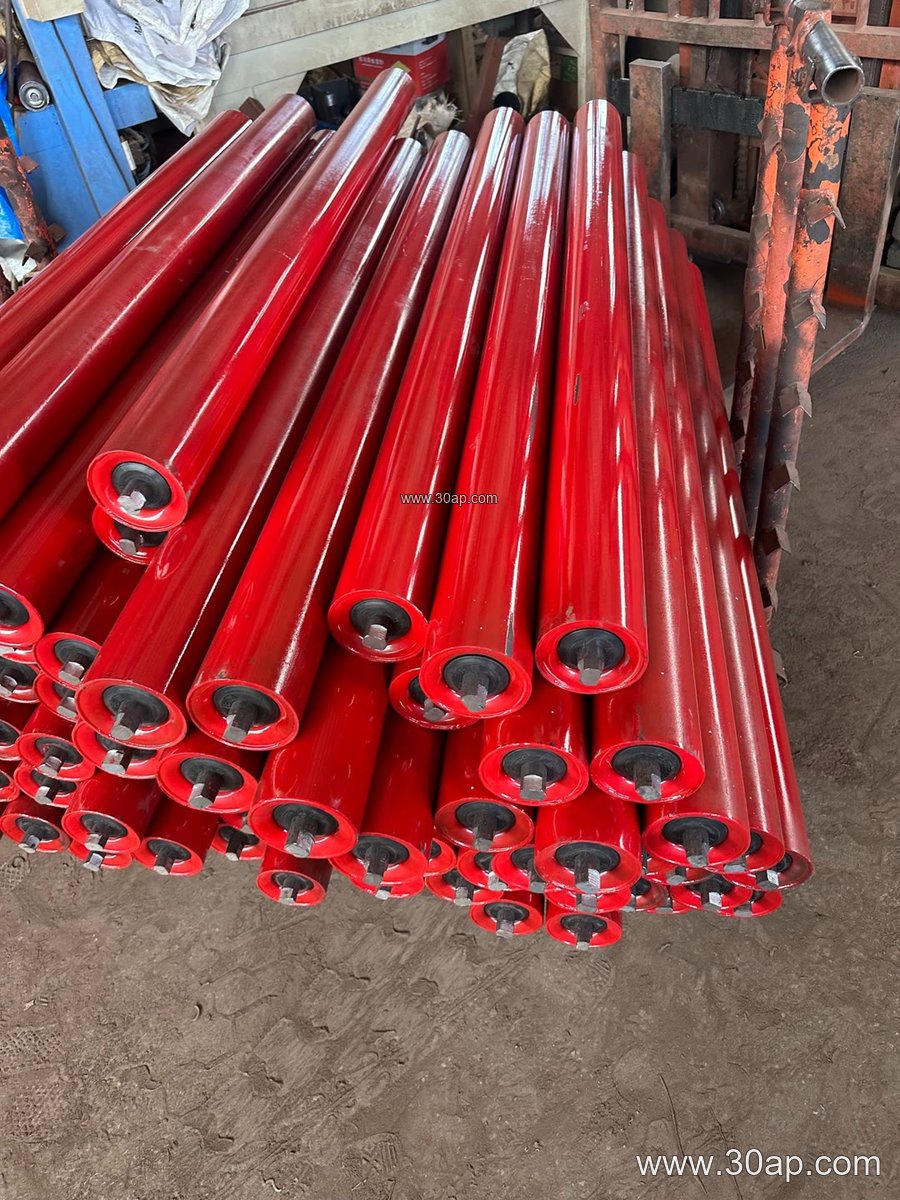
For conveyors carrying heavy or sharp materials, a heavy-duty mining conveyor belt may be paired with robust V-return idlers to handle the return strand. In food or clean applications, a food grade conveyor belt might use smooth-surfaced idlers to avoid contamination. Always match the idler to the actual belt width and conveyor design rather than assuming one size fits all.
Key Parameters at a Glance
| Parameter | Common Options |
|---|---|
| Roll diameter | Ø63, Ø76, Ø89, Ø102, Ø108, Ø127, Ø133, Ø159 mm |
| Belt width | B500, B650, B800, B1000, B1200, B1400, B1600, B1800, B2000 mm |
| Bearing | 6204, 6205, 6305, 6306, 6308 |
| Roll surface | Steel, nylon, rubber |
| Mounting | Bolted to conveyor bracket or frame |
These values are typical references; final selection depends on the conveyor design and operating conditions. A V-type idler is a focused component that improves return strand support, and it should be specified with the same care as any other idler roller in the system.