What a Conveyor Idler Frame Does
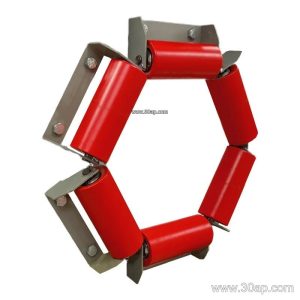
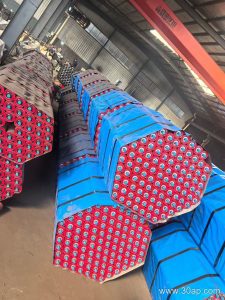
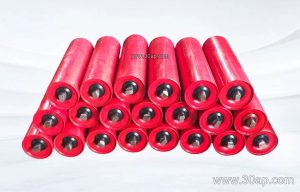
A conveyor idler frame is the structural support that holds idler rollers in the correct position under a moving conveyor belt. It sets the trough angle, keeps roller spacing consistent, and transfers the load of the belt and material into the conveyor stringer or main frame. Without a rigid, well-aligned idler frame, rollers can drift out of position, the belt can mistrack, and spillage or edge damage becomes more likely. In a stone crushing line, a cement plant, or a port transfer tower, this small structural component has a direct effect on belt life and on how smoothly the whole conveyor runs.
Buyers often describe the same item as a conveyor idler support frame, bracket frame, or roller support assembly. These are different ways of naming one product, while the drive pulley, tail pulley, and bend pulley remain separate components with their own mounting arrangements.
How the Frame Is Built
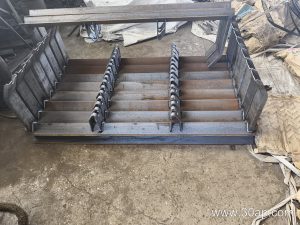
Most frames are fabricated from angle steel, channel steel, or folded steel plate, then drilled or punched for roller shaft mounting. The finish is usually painted or galvanized, depending on the environment. A frame used in a coal mining conveyor or an underground coal mining conveyor may need extra attention to coating and clearances because of dust and moisture, while a frame on a quarry conveyor belt line is more often exposed to impact and abrasion.
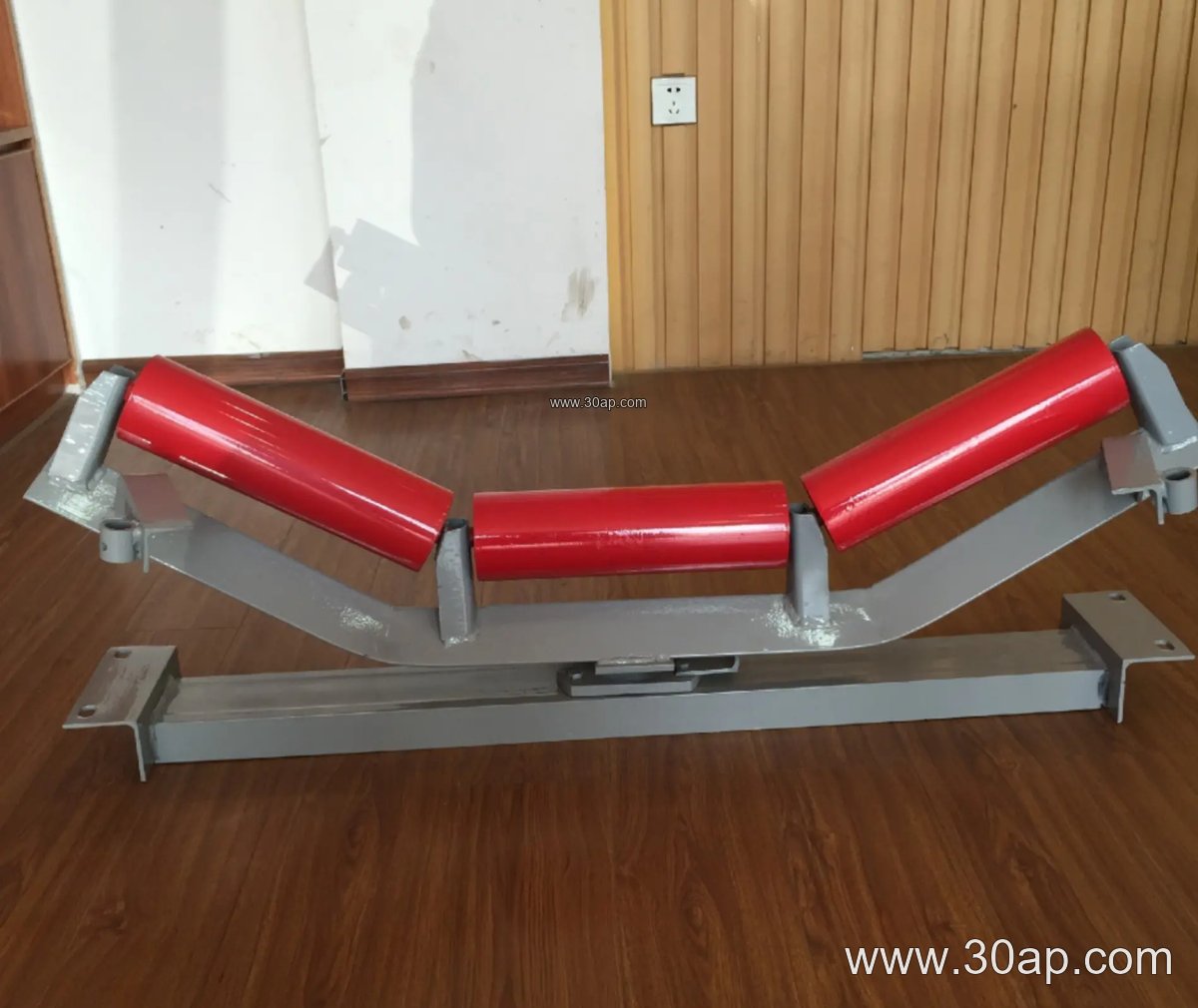
Key construction points include:
- Mounting hole spacing and crossbeam length matched to the belt width and trough angle
- Welded or bolted joints that keep the trough profile stable under load
- Correct roller seat height so the conveyor belt sits evenly on every idler roller
- Compatibility with the conveyor bracket or stringer connection at each end
Because hole spacing changes with belt width and trough angle, the frame should always be ordered against the actual conveyor design rather than a generic size.
Common Types and Where They Fit
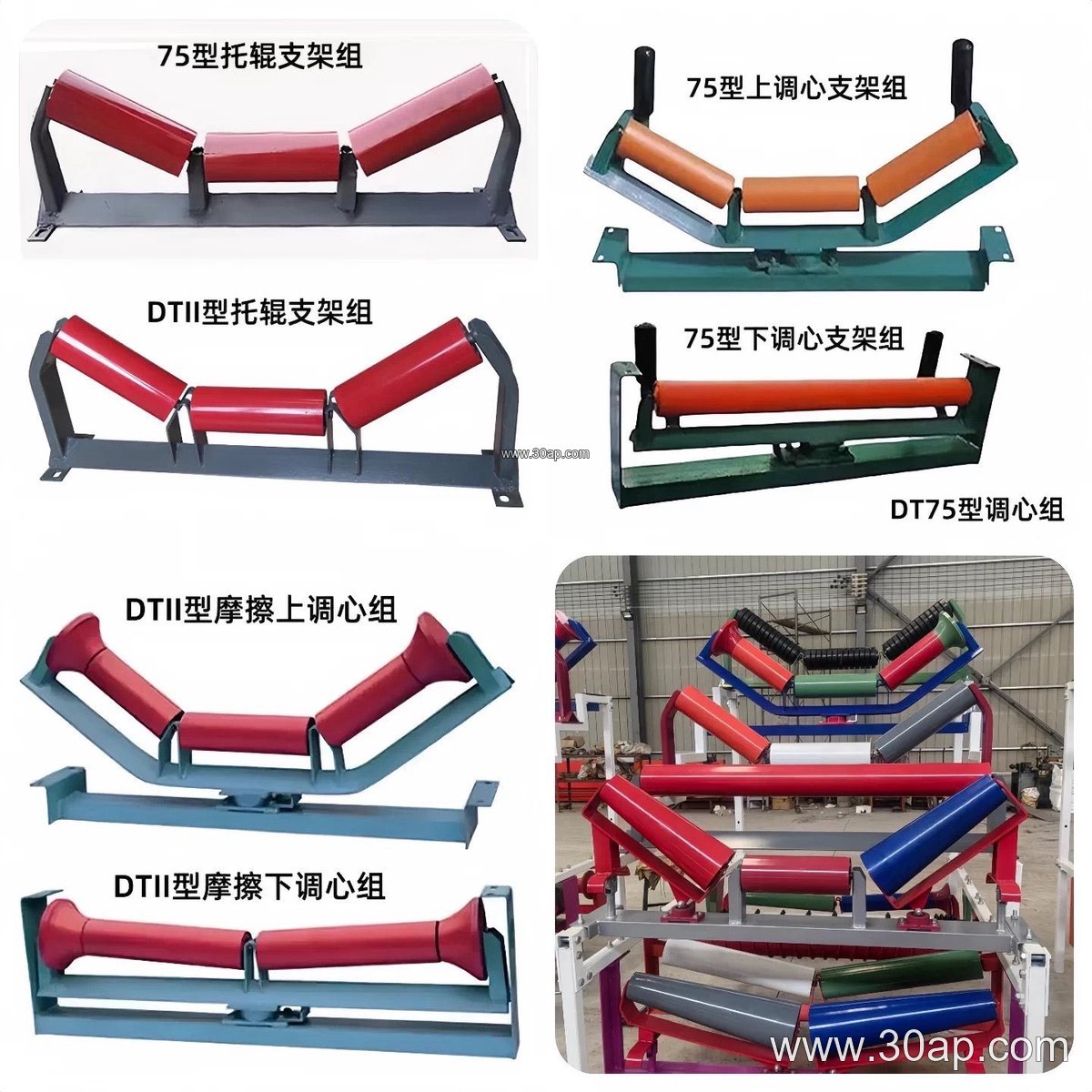
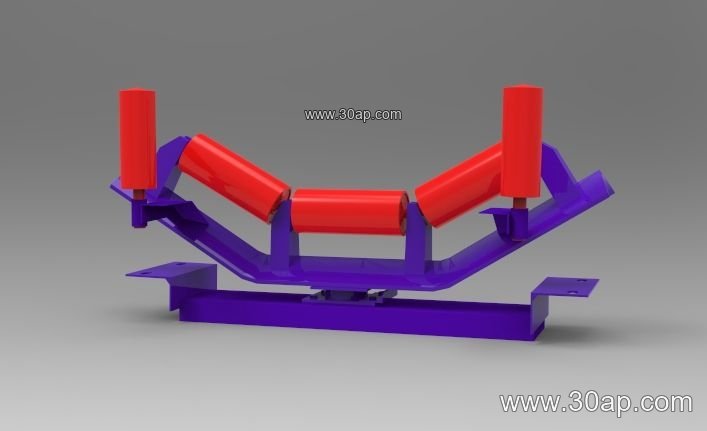
The carrying side usually uses a troughing idler frame, while the return side uses a flat or V-return frame. Transition frames sit near pulleys to guide the belt from flat to troughed, and impact frames carry buffer rollers below loading points. Self-aligning frames help correct belt drift, and suspended or adjustable frames allow fine tuning on site. A screw-adjusted frame can be set at different trough angles, which is useful when a conveyor is designed for more than one material or belt condition.
Typical reference data for frame selection looks like this:
| Belt width | Trough angle | Roller diameter |
|---|---|---|
| B650 | 30 degrees | Ø89 |
| B800 | 35 degrees | Ø108 |
| B1000 | 35 degrees | Ø108 |
| B1200 | 45 degrees | Ø133 |
| B1400 | 35 degrees | Ø159 |
| B1600 | 45 degrees | Ø159 |
| B1800 | 35 degrees | Ø194 |
These are common combinations, not fixed rules. A wide belt can run with more than one trough angle, and roller diameter should be confirmed from the load and speed calculation.
Applications Across Industries
Idler frames appear wherever a conveyor belt carries bulk material. In a coal preparation plant or a power plant coal yard, they support the belt through long horizontal runs and transfer points. In an iron ore or copper ore handling circuit, heavy-duty frames with buffer rollers protect the belt at chute discharge. Aggregate plants, sand making lines, and fertilizer or grain silo operations use lighter frames but still depend on accurate trough alignment to prevent spillage.
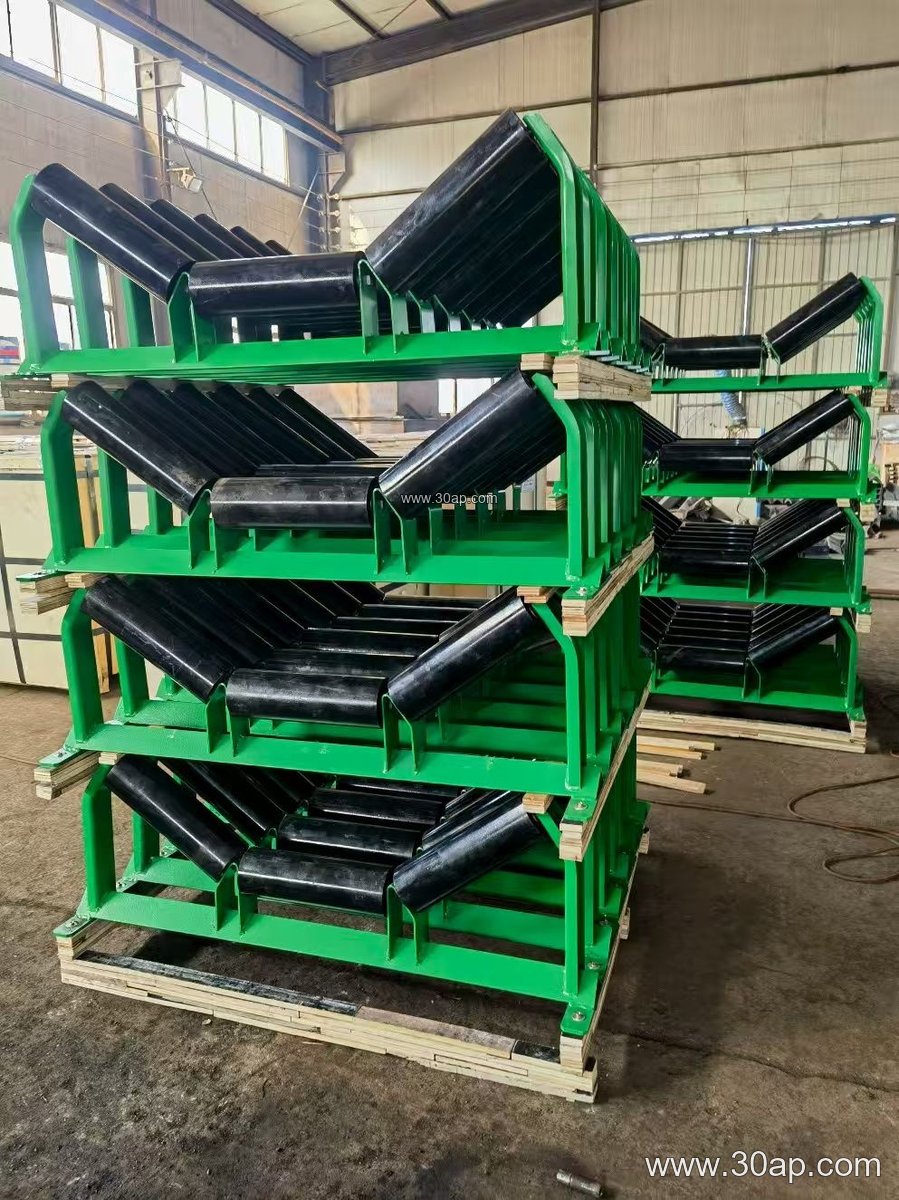
The frame also works together with the belt specification. A heavy-duty mining conveyor belt or a steel cord conveyor belt may call for closer roller spacing and a stronger frame, while a chevron conveyor belt or a corrugated sidewall conveyor belt needs clearances that suit its profile. Rubber conveyor belt, EP conveyor belt, and NN conveyor belt users should check that frame dimensions match the belt width and the pulley arrangement before installation.
What to Confirm Before Ordering
Give the supplier the belt width, required trough angle, roller diameter, and the connection detail at the stringer. State whether the frame is fixed or adjustable, and whether it is for carrying, return, impact, or transition service. Ask for the mounting hole spacing on the drawing, because it must match the conveyor bracket already on site. For a retrofit, a site measurement of the existing frame is often more reliable than the original belt width alone.
During maintenance, check for bent crossbeams, elongated holes, loose bolts, and worn roller seats. A frame that has lost its shape will wear the belt edge and shorten roller life even if the rollers themselves are new. Replacing a damaged idler frame early is usually simpler than correcting the belt tracking problems it causes.