What the Return Self-Aligning Idler Does
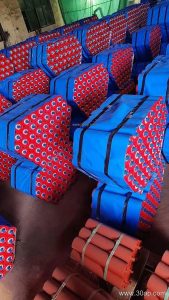
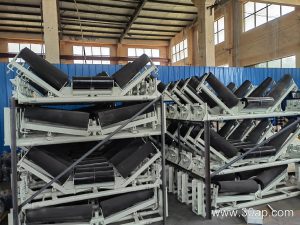
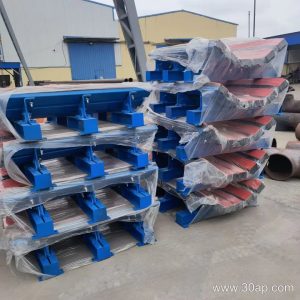
A return self-aligning idler is a training idler mounted on the return strand of a belt conveyor. Its job is to catch a belt that has started to drift and steer it back toward the centerline before the misalignment becomes serious. The idler is usually built as a two-roller V-shaped or angled assembly carried on a pivoting frame, so when the belt edge presses against a vertical guide roller, the whole frame swings slightly and the roller axes change angle relative to the belt travel direction. That small skew creates a lateral force that nudges the belt back on track.
On a long overland or in-plant conveyor, the return strand is often where tracking problems first show up, because there is less belt tension and fewer support points than on the carrying side. A return self-aligning idler, also called a self-tracking return idler or training idler for the return run, gives maintenance teams a mechanical correction that works continuously without operator input.
Construction Details That Matter
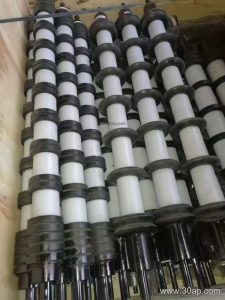
The assembly usually combines a pivoting base, a pair of roller shells, sealed bearing housings and a pair of vertical guide rollers at the ends. Common roller diameters for this duty include Ø89, Ø108, Ø127, Ø133 and Ø159 mm, with larger sizes such as Ø178 or Ø219 mm used on heavy-duty conveyors. The roller face may be plain steel, nylon, or rubber-covered depending on the material being carried and the amount of build-up expected.
Bearing selection follows the load and speed of the conveyor rather than a fixed rule. Typical bearing numbers seen in return idler applications include 6205, 6305, 6306, 6308 and 6310. The seal design deserves close attention: in a coal mining conveyor or a cement plant, fine dust and moisture are the main enemies of bearing life, so a multi-labyrinth seal with a protective cap is often preferred over a simple contact seal.
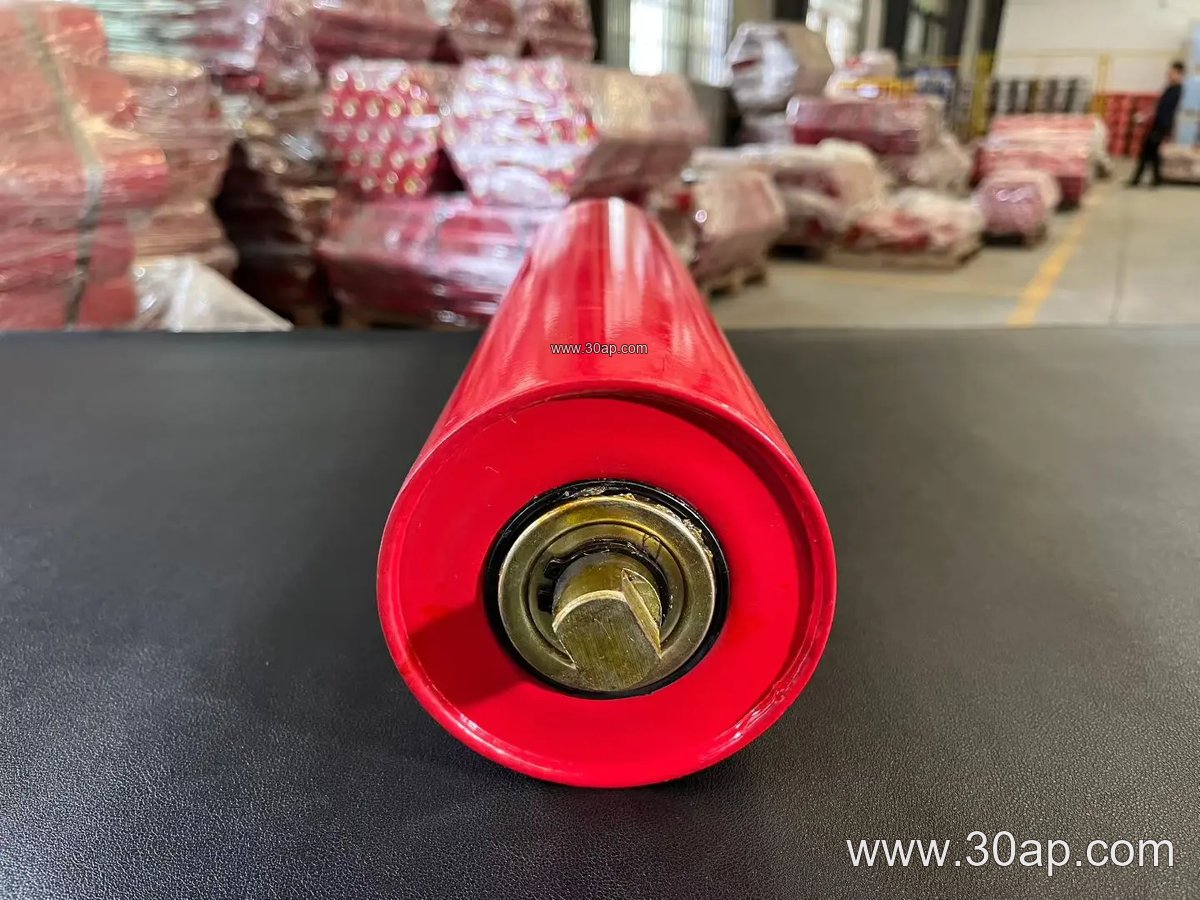
Where It Fits on the Conveyor
The return self-aligning idler is installed on the return run, typically at intervals along the carrying length and especially after curves, transfer points and inclined sections. It is not a substitute for a bend pulley or a tail pulley; those are separate components that change belt direction. Nor does it replace a troughing idler set on the carrying side. It is a dedicated tracking device for the return strand.
Applications are widespread across bulk handling:
- Quarry and aggregate lines moving crushed stone on an aggregate conveyor belt
- Coal handling in power plant coal conveying and wash plants
- Cement plants transporting clinker and raw meal
- Iron ore and copper ore terminals using heavy-duty mining conveyor belts
- Port ship loading systems with long boom conveyors
In these environments, a misaligned belt can quickly damage the belt edge, spill material and wear the structure. A well-placed training idler reduces that risk and protects the conveyor belt investment.
Matching the Idler to Belt Width and Roller Group
Roller length is not a single fixed number; it changes with belt width, trough angle and the roller group form. The table below gives common reference values for three-roll troughing sets on the carrying side, which helps a buyer understand how return idler dimensions scale with belt width. Return idlers are usually shorter than carrying idlers because the belt is flat, but the width class still matters.
| Belt width | Common roller length (three-roll troughing, reference) | Typical return idler roll diameter range |
|---|---|---|
| B500 | 200 mm | Ø63 to Ø89 mm |
| B650 | 250 mm | Ø76 to Ø108 mm |
| B800 | 315 mm | Ø89 to Ø127 mm |
| B1000 | 380 mm | Ø108 to Ø133 mm |
| B1200 | 465 mm | Ø108 to Ø159 mm |
| B1400 | 530 mm | Ø127 to Ø159 mm |
| B1600 | 600 mm | Ø133 to Ø178 mm |
| B1800 | 670 mm | Ø133 to Ø194 mm |
| B2000 | 750 mm | Ø159 to Ø219 mm |
These figures are examples for orientation only. Side rollers and center rollers can differ, and the final shaft diameter must be calculated from the actual load, not inferred from belt width alone. A 1200mm wide conveyor belt and a 1800mm wide conveyor belt will obviously need different frame sizes, but the exact roller length should come from the conveyor design.
Buyer Checklist Before Ordering
- Confirm belt width class, such as B800, B1000, B1200 or B1400, and the return strand configuration.
- Check the existing roller diameter and bearing number so the new idler fits the same brackets.
- Ask about seal type and roller shell material for dusty or wet conditions.
- Verify the mounting height and bracket hole spacing match the conveyor bracket already in place.
- For flame or fire risk areas, ensure the belt and components are compatible with the site’s flame retardant conveyor belt requirements.
For a mining conveyor belt handling abrasive ore, a rubber-covered roller face can reduce shell wear. For a food grade conveyor belt line, stainless or hygienic sealing may be more appropriate. The training idler itself should be selected as part of the whole conveyor system, alongside the conveyor pulley, idler roller set and conveyor bracket arrangement.
Installation and Maintenance Notes
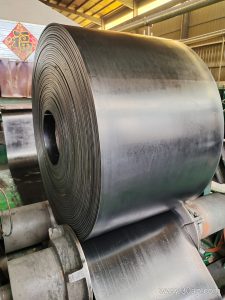
Mount the return self-aligning idler square to the belt centerline and check that the guide rollers contact the belt edges evenly. After the first few days of operation, recheck the pivot for free movement; a stiff pivot defeats the self-aligning action. Keep the roller surface clean, and inspect seals at each shutdown. On a steel cord conveyor belt or a multi-ply fabric core conveyor belt running at high tension, even a small tracking error can cause edge damage quickly, so the training idler should be inspected as part of the routine walk-through.
Used correctly, the return self-aligning idler is a low-maintenance component that extends belt life and reduces spillage in quarries, coal preparation plants, cement works, power stations and port terminals.