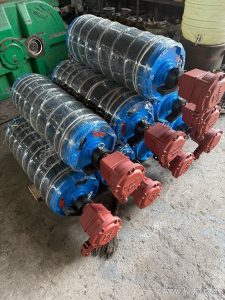
What a Heavy-Duty Lagged Pulley Does
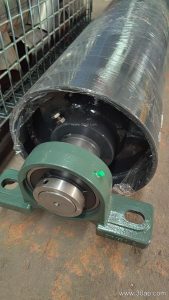
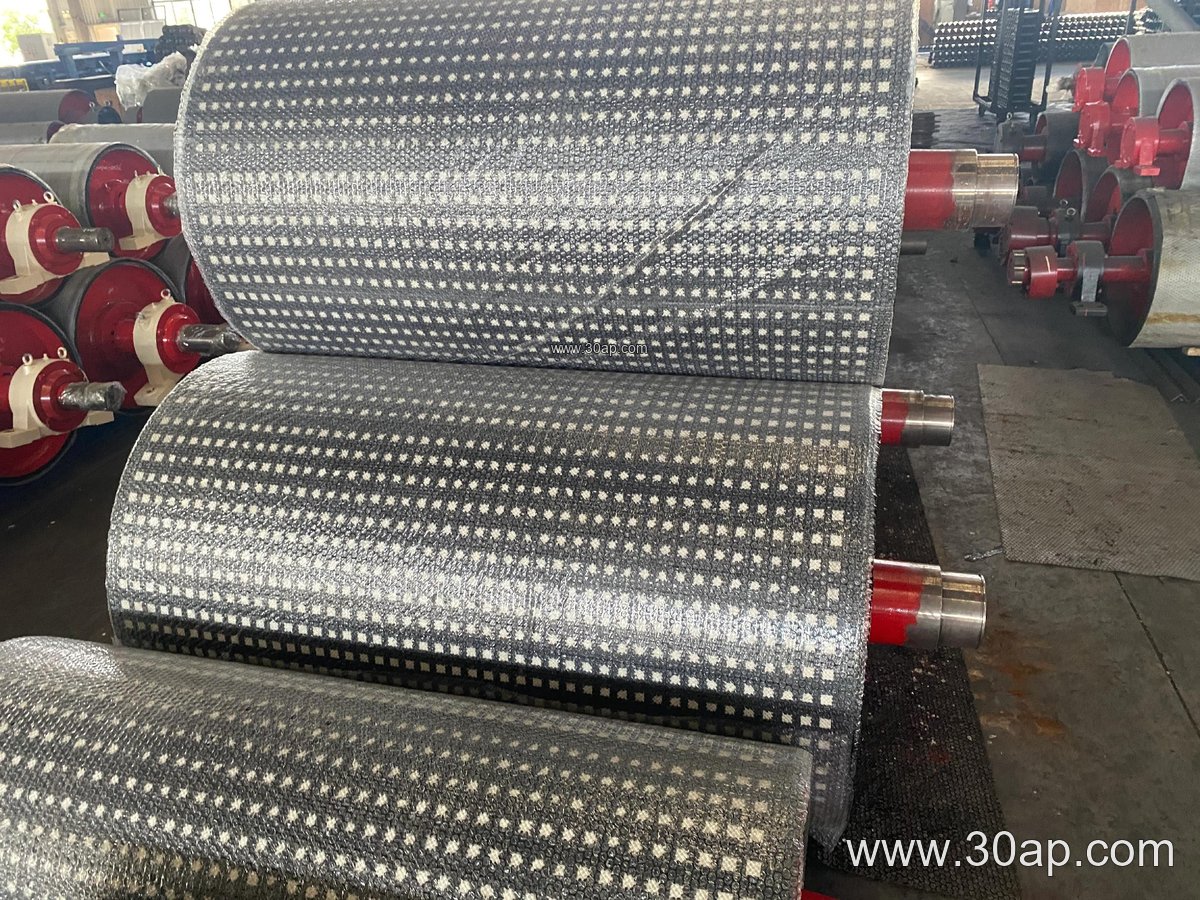
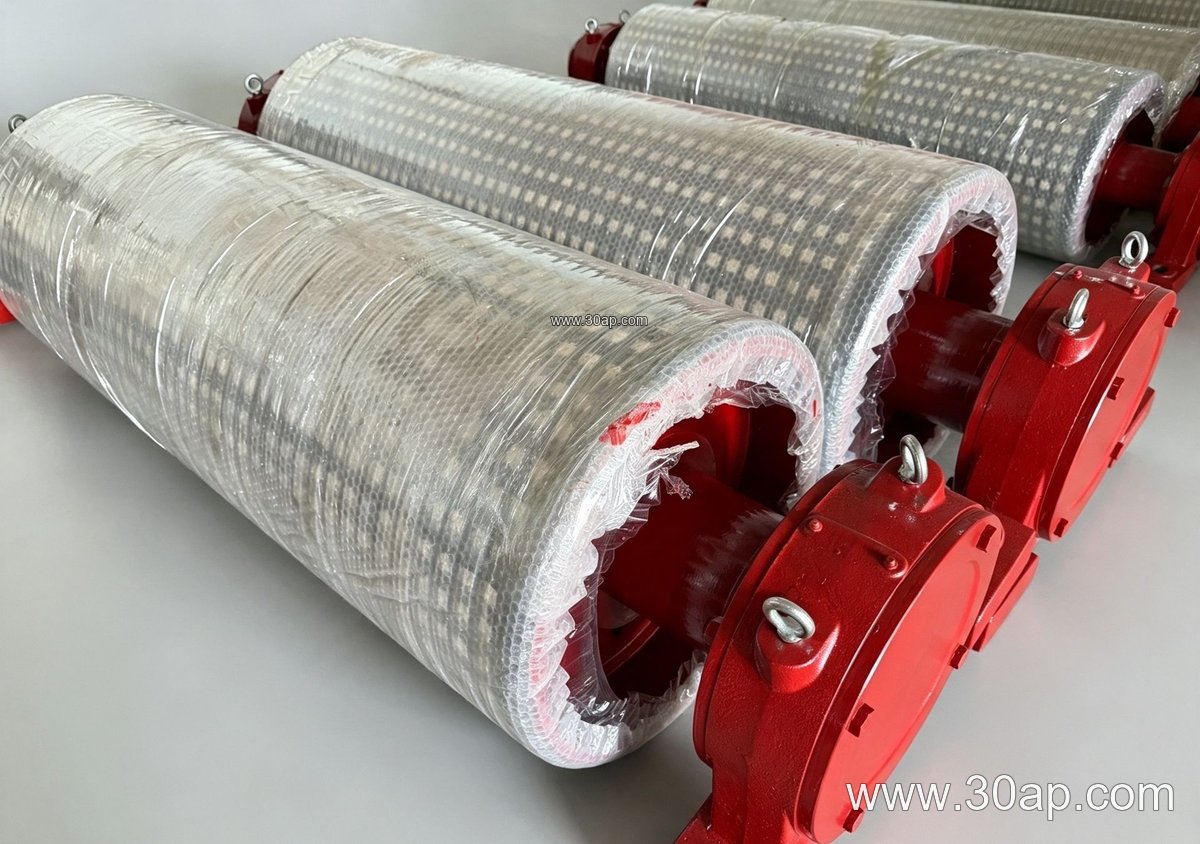
A heavy-duty lagged pulley is the drive or driven drum at the heart of a bulk handling conveyor, wrapped with a rubber or ceramic lagging layer that raises friction between the drum and the conveyor belt. In a coal preparation plant or a limestone quarry, the difference between a smooth drum and a properly lagged one often decides whether the belt starts cleanly under a full load or slips and burns its cover. The lagging also shields the drum shell from abrasive dust and reduces the wear that a bare steel surface would suffer.
This component should not be confused with other drums in the same conveyor. A tail pulley, a bend pulley and a drive pulley each perform a distinct job, and one cannot simply replace another. The heavy-duty lagged pulley discussed here is normally the drive drum, though lagging is also applied to other positions where grip and wear protection matter.
Construction and Surface Options
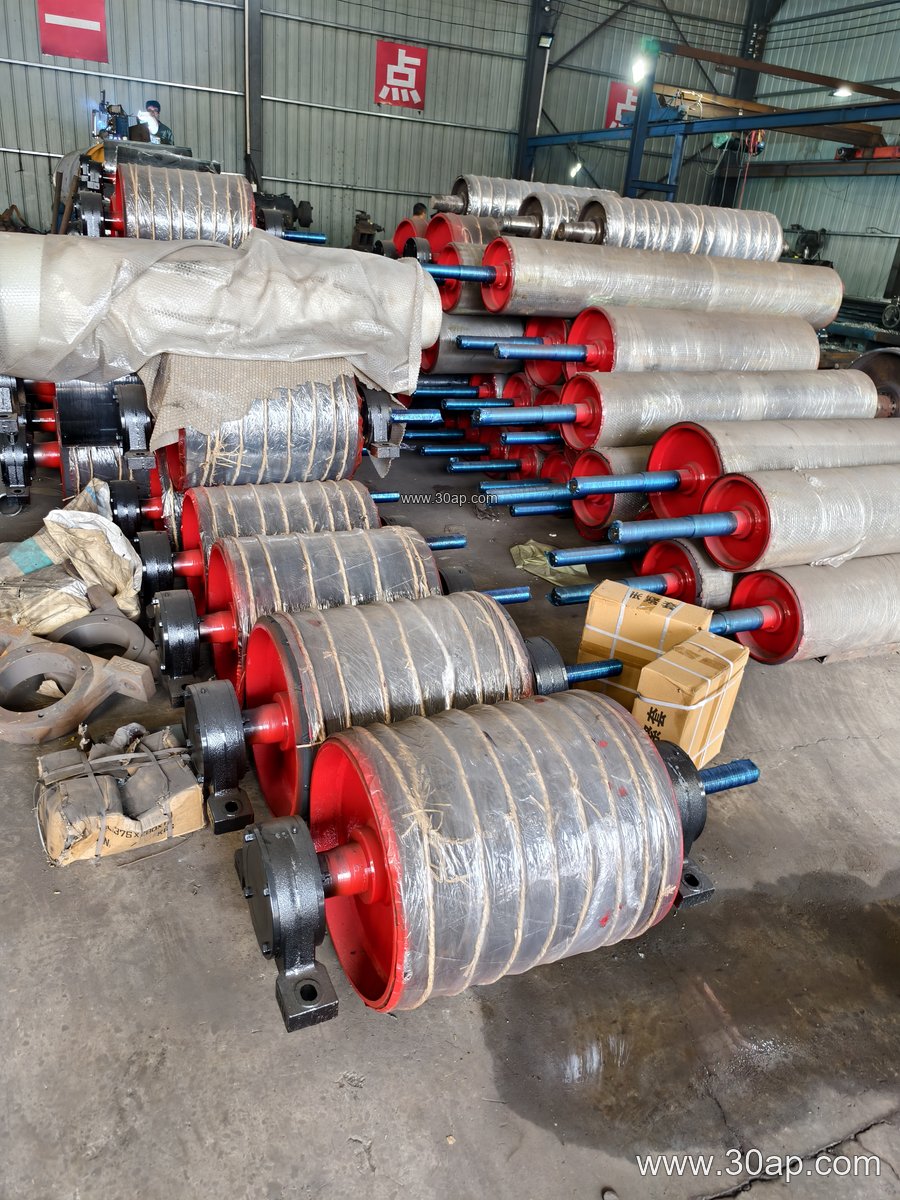
The base is a welded steel shell with machined end discs, a shaft sized by torque and load rather than by belt width alone, and bearing housings that suit the conveyor bracket arrangement. The lagging is bonded to the shell in several ways, and the choice affects both grip and service life.
- Hot vulcanized rubber lagging, often 10 to 15 mm thick, for general high-traction duty
- Cold bonded rubber, easier to replace on site
- Diamond or herringbone grooved rubber to shed water and fines
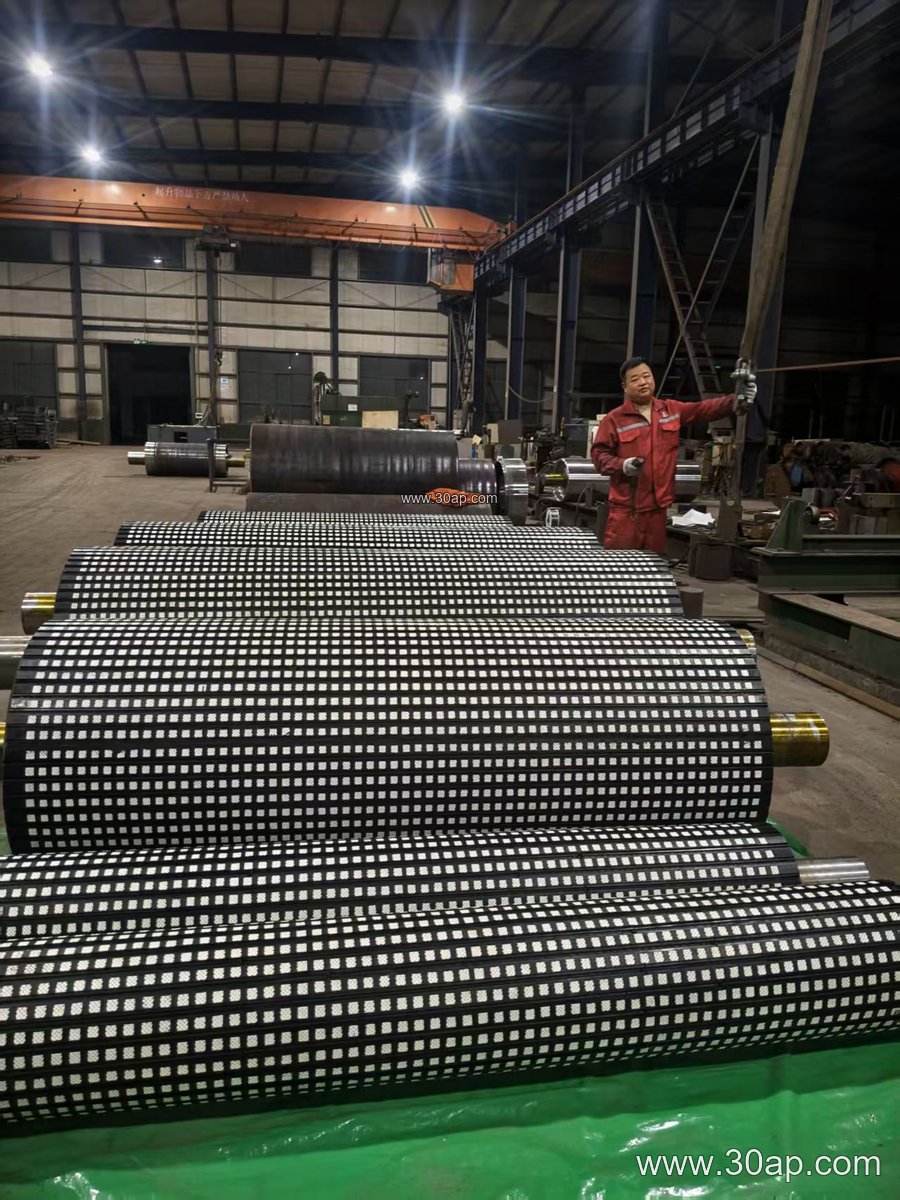
- Ceramic lagging for the most abrasive ore and rock duties
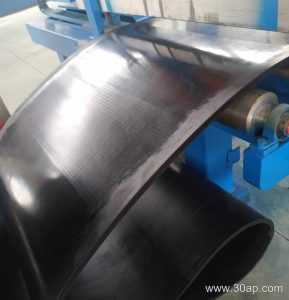
- Plain sheet rubber where a smooth, uniform contact is preferred
Common lagging thicknesses are 8, 10, 12, 15 and 20 mm. Drum diameters typically range from Ø200 up to Ø1800, and shell widths are usually a little wider than the belt, for example B800 with roughly 950 mm face or B1400 with about 1600 mm face. A B1200 × Ø1000 or B800 × Ø500 combination is common, but no single belt width is tied to one diameter; the drive geometry and tension decide the match.
Where It Fits in the Plant
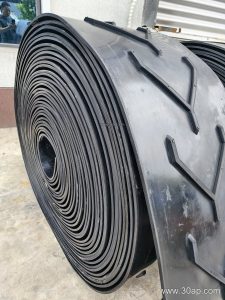
You will find heavy-duty lagged pulleys in crushing and screening circuits, cement clinker lines, power station coal conveyors, iron ore and copper ore handling, port bulk terminals and aggregate plants. They work alongside the idler roller, conveyor bracket and conveyor pulley set that support the belt run. The belt itself may be an abrasion resistant conveyor belt, a flame retardant conveyor belt for underground coal mining, or a steel cord conveyor belt on a long overland route. Matching the lagging to the belt cover and the material is part of getting reliable traction.
In a quarry conveyor belt duty with sharp rock, ceramic or grooved rubber lagging helps both grip and cleaning. In a cement plant where fine dust is everywhere, a diamond pattern sheds fines instead of packing them into the nip point. For a coal mining conveyor belt that must resist fire, the lagging compound should be selected with the same fire safety thinking as the belt.
Buyer Checklist
Before ordering, confirm the drum position, the belt width and the belt type, since an EP conveyor belt and a steel cord conveyor belt load the drum differently. Ask for the calculated shaft diameter, the bearing type and the lagging thickness in writing. Check that the face width suits the belt and that the lagging pattern matches the material. Confirm the balancing grade and the surface finish of the shaft where the bearing sits. Finally, plan the spare: a second lagged drum shortens downtime when the first one is sent out for relagging.
For more on drums, belts and supporting components, see the ranges at www.beltconveyorparts.com and www.conveyorcomponents.net, including lagged pulley options and conveyor pulley assemblies.
Maintenance Notes
Inspect lagging for cuts, glazing and embedded stone, and check bolt torque on the bearing housing during scheduled stops. Keep the belt tracking straight so the lagging wears evenly. When traction drops or the rubber hardens, relagging is usually cheaper than replacing the whole drum. Record the running hours and load conditions so the next lagging choice is based on real duty rather than guesswork.