What a Heavy-Load Bearing Idler Does
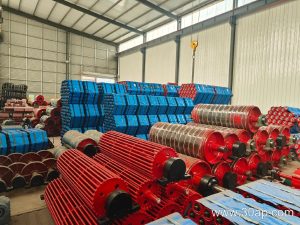
A heavy-load bearing idler is the rotating support that carries a loaded conveyor belt along the carrying side or returns the empty belt underneath the structure. In a quarry, a limestone mine or a crushing and screening line, the belt may be wide, the material lumpy and the operating hours long, so the idler has to keep turning with low resistance while absorbing vibration and occasional impact. The quality of the bearing package is what separates this duty class from a light general-purpose roller.
The same product is often called a heavy-duty conveyor idler or a heavy-load idler roller. Those names describe the same item; they are not a different component such as a drive pulley, a tail pulley or a bend pulley, and they should not be confused with those parts when specifying a conveyor.
How the Roller Is Built
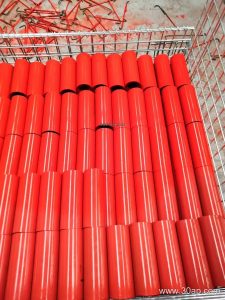
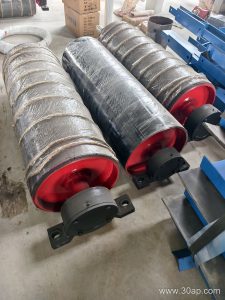
The body is usually a steel tube with machined end faces. Inside each end sits a bearing housing, a bearing, a seal arrangement and a shaft. In heavy-load service the shaft and housing are sized for the belt tension and the material load rather than for convenience. Roller surfaces may be plain steel, nylon, ceramic or rubber rings, depending on whether wear, build-up or impact is the main problem.
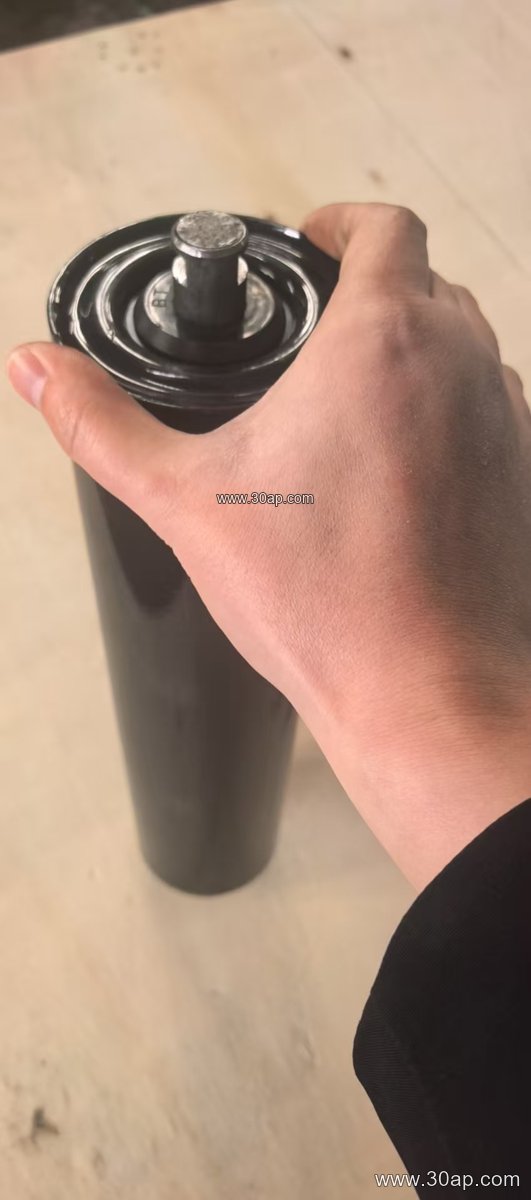
Sealing matters as much as bearing capacity. Dust from a coal handling plant or a cement plant will destroy an unprotected bearing quickly, so labyrinth seals, felt seals or multi-stage seals are common. A well-sealed heavy-load bearing idler should run cool, turn freely by hand and hold grease without weeping.
Where the Duty Class Fits
These rollers appear in ore conveying at an iron ore or copper ore site, in power plant coal handling, in aggregate plants and in port ship loading systems. They are also used on wide belts in steel plants and sinter plants. On a long overland conveyor the carrying idlers support a heavy belt plus the material, while return idlers support the belt alone but still face misalignment and fines.
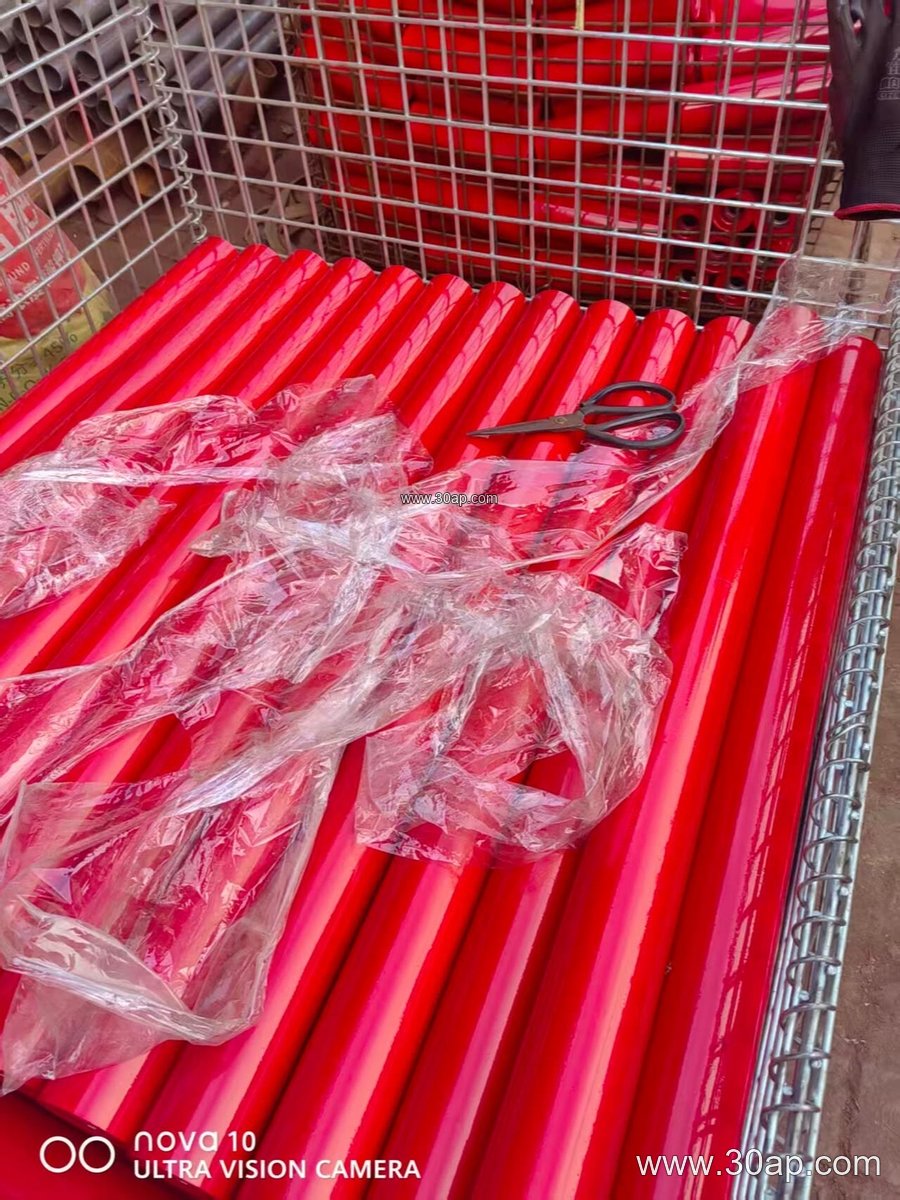
The belt itself influences the choice. A steel cord conveyor belt or a high-strength fabric belt may need a larger roller diameter and a stronger frame than a thin EP conveyor belt on a short run. Abrasion resistant conveyor belt grades reduce belt wear, but they do not remove the need for free-turning idlers.
Common Sizes and Forms
Roller diameter is selected from the load, belt speed and belt width. Typical diameters include Ø89, Ø108, Ø127, Ø133, Ø159 and Ø178 mm, with larger sizes such as Ø194 and Ø219 mm used on very heavy belts. Bearing numbers are often 6205, 6305, 6306, 6308 or 6310; no single bearing is tied to one roller diameter, because housing design and load rating decide the match.
The table below gives common reference values only. Actual roll length depends on belt width, trough angle and whether the station is a single-roller, two-roller or three-roller trough set.
| Belt width | Common roll length, three-roll trough | Typical trough angle |
|---|---|---|
| B500 | about 200 mm | 20 to 35 degrees |
| B650 | about 250 mm | 20 to 35 degrees |
| B800 | about 315 mm | 30 to 35 degrees |
| B1000 | about 380 mm | 30 to 35 degrees |
| B1200 | about 465 mm | 30 to 45 degrees |
| B1400 | about 530 mm | 30 to 45 degrees |
| B1600 | about 600 mm | 35 to 45 degrees |
| B1800 | about 670 mm | 35 to 45 degrees |
Side rollers and centre rollers can differ in length, so a haulage conveyor at 1200 mm or 1400 mm belt width may use a mix of roll lengths within the same station.
Related Equipment Around the Station
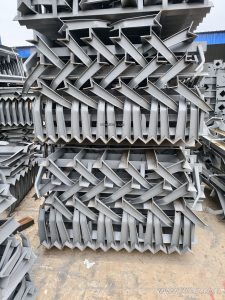
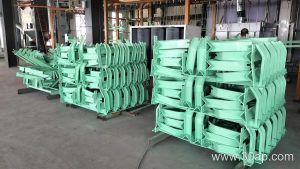
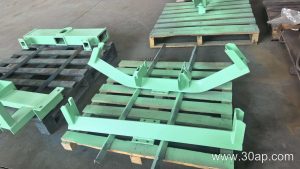
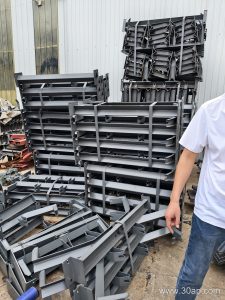
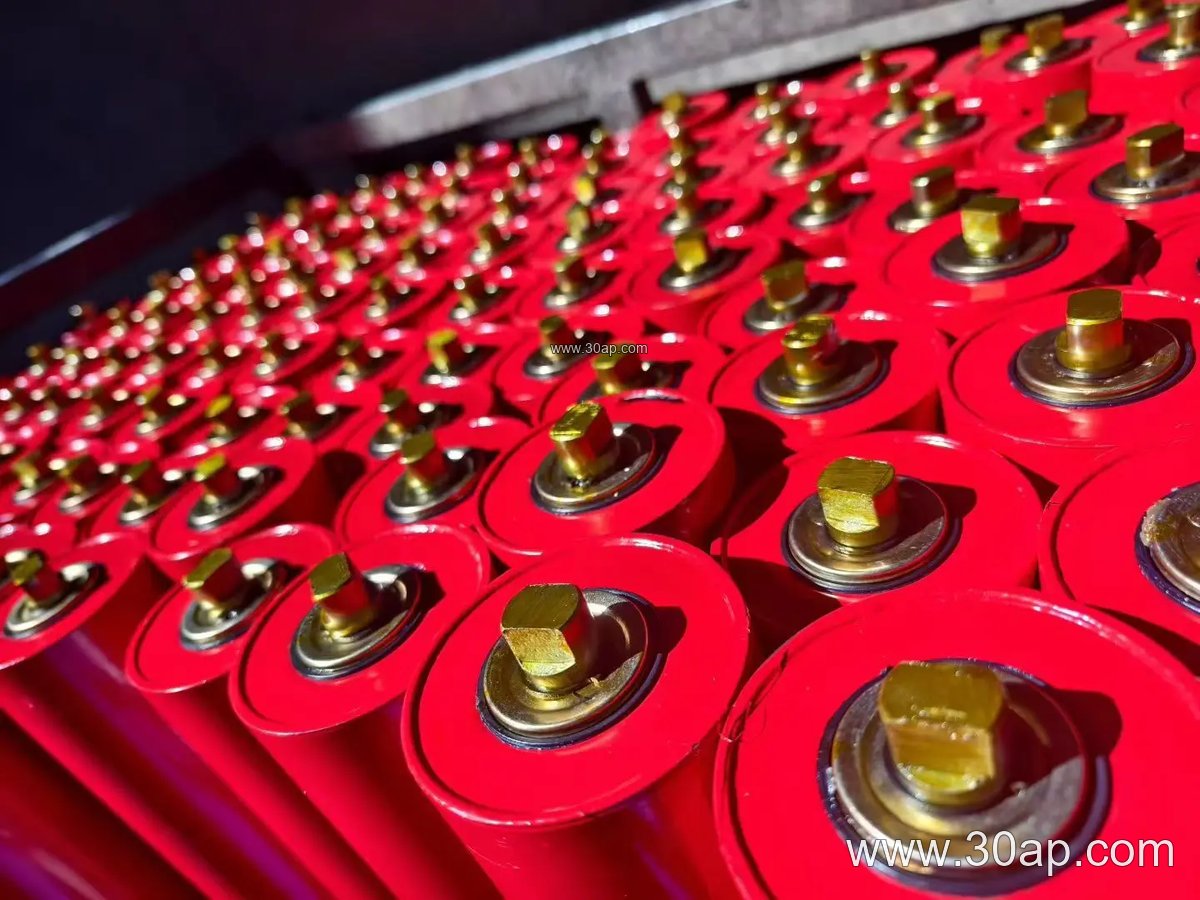
An idler never works alone. It sits in a conveyor bracket or frame, under a conveyor belt, and is fed by a conveyor pulley at the head or tail. The choice of belt also matters: a flame retardant conveyor belt is common underground, while a heat resistant conveyor belt suits sinter or clinker lines. A pipe conveyor belt or a corrugated sidewall belt changes the idler arrangement entirely, and a chevron conveyor belt needs clearance for the cleats.
For buyers sourcing idlers and belting together, matching roller diameter to belt construction avoids unnecessary stress. A heavy-duty mining conveyor belt on a B1800 system will usually call for a larger roller than a B650 line handling sand. Review the belt specification, the load per station and the environment before fixing the size.
What to Check Before Ordering
- Confirm the belt width and the trough angle, since both change roll length and frame geometry.
- State the material, lump size and whether impact is expected; a rubber-ring impact roller may be needed at the load point.
- Ask about seal type and bearing number, not just roller diameter.
- Check shaft end fixing, bracket spacing and whether the roller is for carrying or return duty.
- For dusty coal mining or cement plant sites, confirm that the seal is suited to fine abrasive dust.
Inspect a sample for weld quality, paint coverage and free rotation. A heavy-load bearing idler that turns stiffly when new will only get worse in service. Replacement planning should also consider the whole station, because one worn roller can overload its neighbours and shorten belt life.