What a Tail Pulley Does on a Conveyor
The tail pulley is the return-end drum that supports the conveyor belt at the loading point, helping to maintain belt alignment and tension. It is not a drive pulley, though both are essential to the same system. In a typical bulk handling line, the tail pulley works together with the conveyor belt, idler roller sets, and conveyor bracket assemblies to keep material moving smoothly. Whether you are running a quarry conveyor belt or a power plant conveyor belt, the tail pulley’s design affects belt tracking, wear life, and overall reliability.
Construction and Surface Options
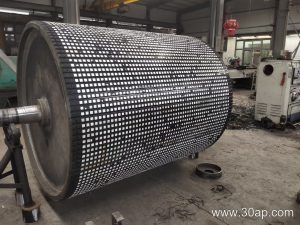
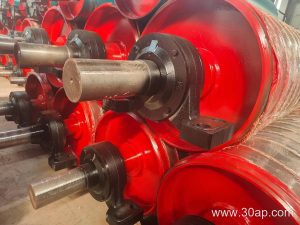
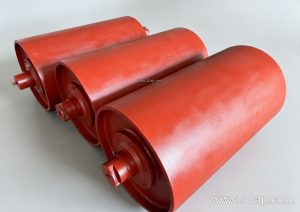
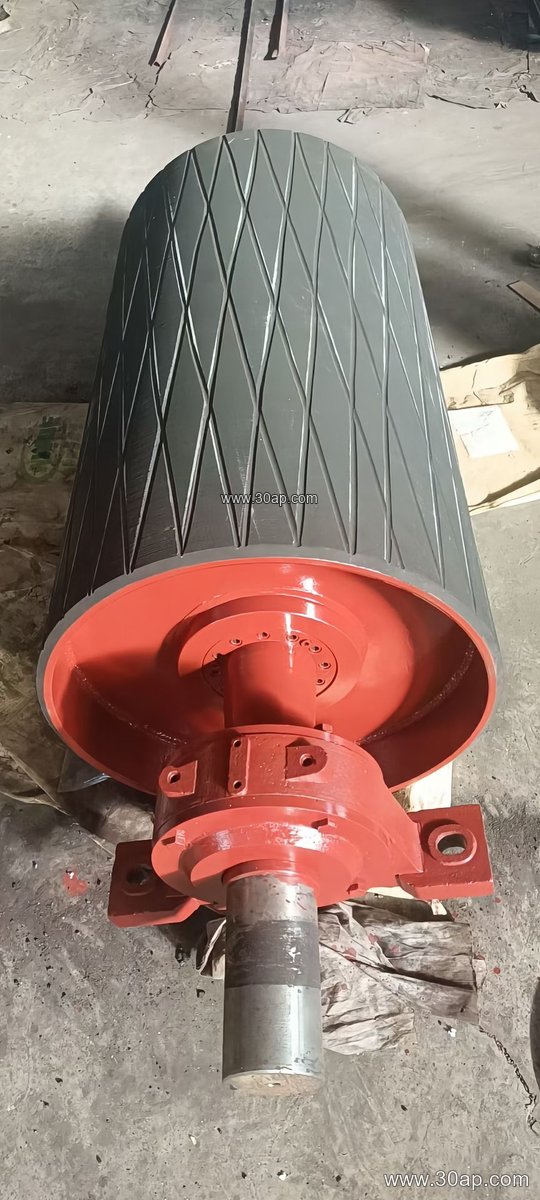
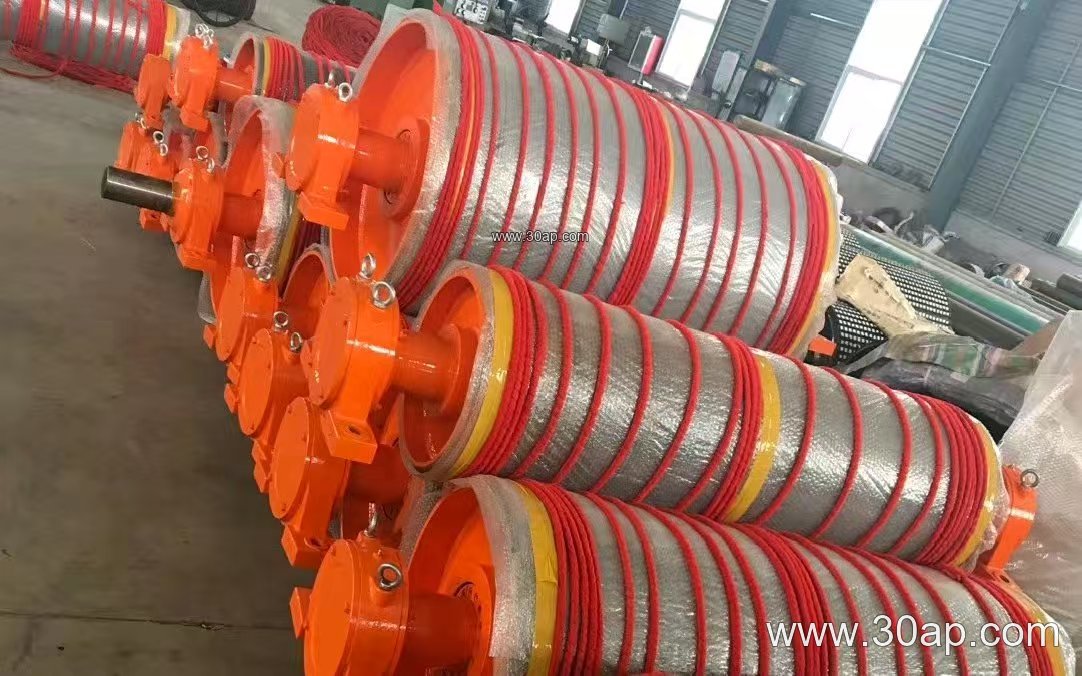
Most tail pulleys are built with a steel drum shell, welded end discs, and a shaft sized to the torque and load of the application. Surface treatment varies by duty: plain steel is common in light, clean service, while rubber lagging—applied as cold-bonded, hot-vulcanized, or cast—improves grip and protects the belt. Diamond or herringbone lagging patterns help shed debris and improve tracking in wet or dusty conditions. Ceramic lagging may be chosen for high-abrasion service. Lagging thickness commonly ranges from 8 mm to 20 mm, depending on the belt and material handled.
Matching Pulley Dimensions to the Belt
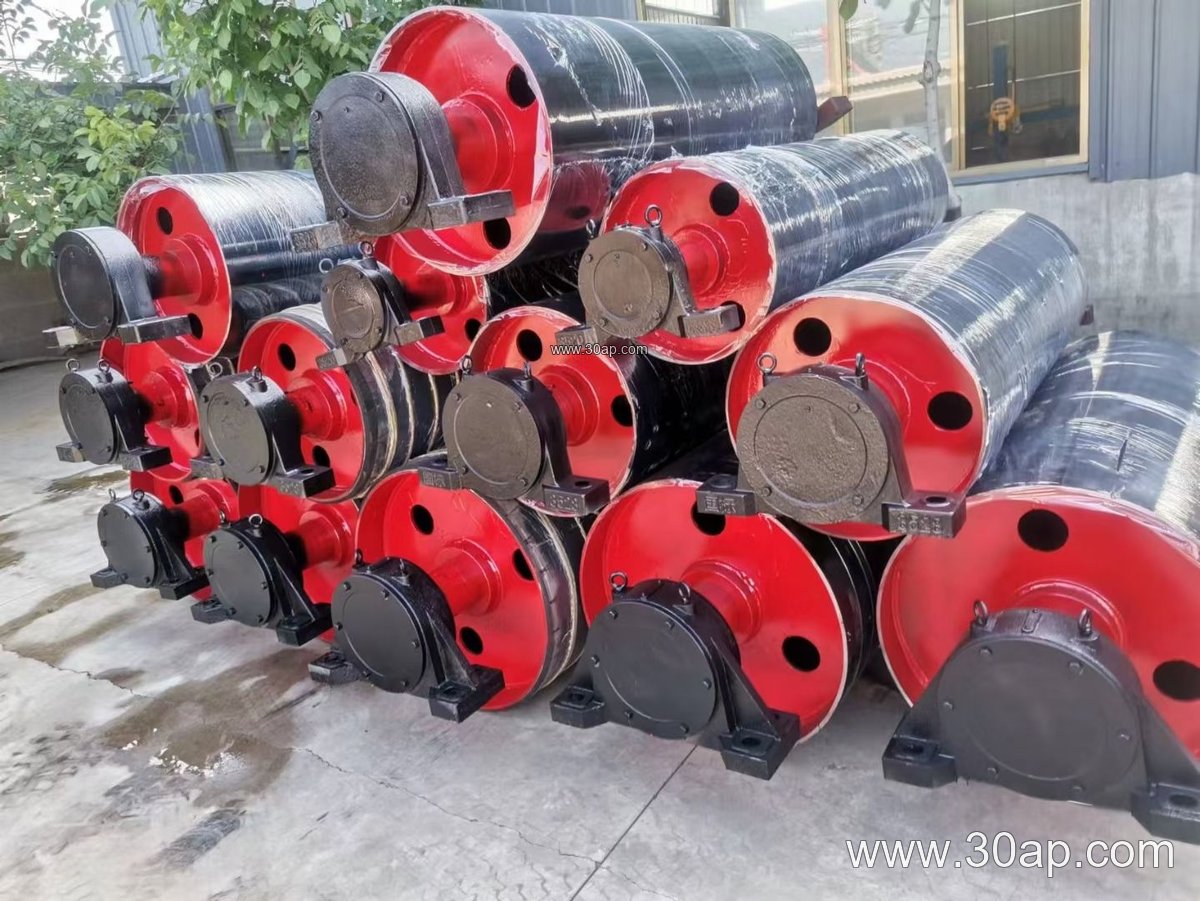
Pulley face width usually exceeds belt width to allow for belt wander. For example, a B800 belt often pairs with a pulley face around 950 mm, and a B1200 belt with roughly 1400 mm. Diameter is selected based on belt tension, speed, and shaft load—not on belt width alone. A B800 × Ø500 tail pulley or a B1200 × Ø1000 unit may both be reasonable in different conveyor designs. Shaft diameter is determined by torque and bearing load; common sizes include Ø80, Ø100, Ø120, and Ø140, but no fixed rule ties one belt width to one shaft size.
Where Tail Pulleys Are Used
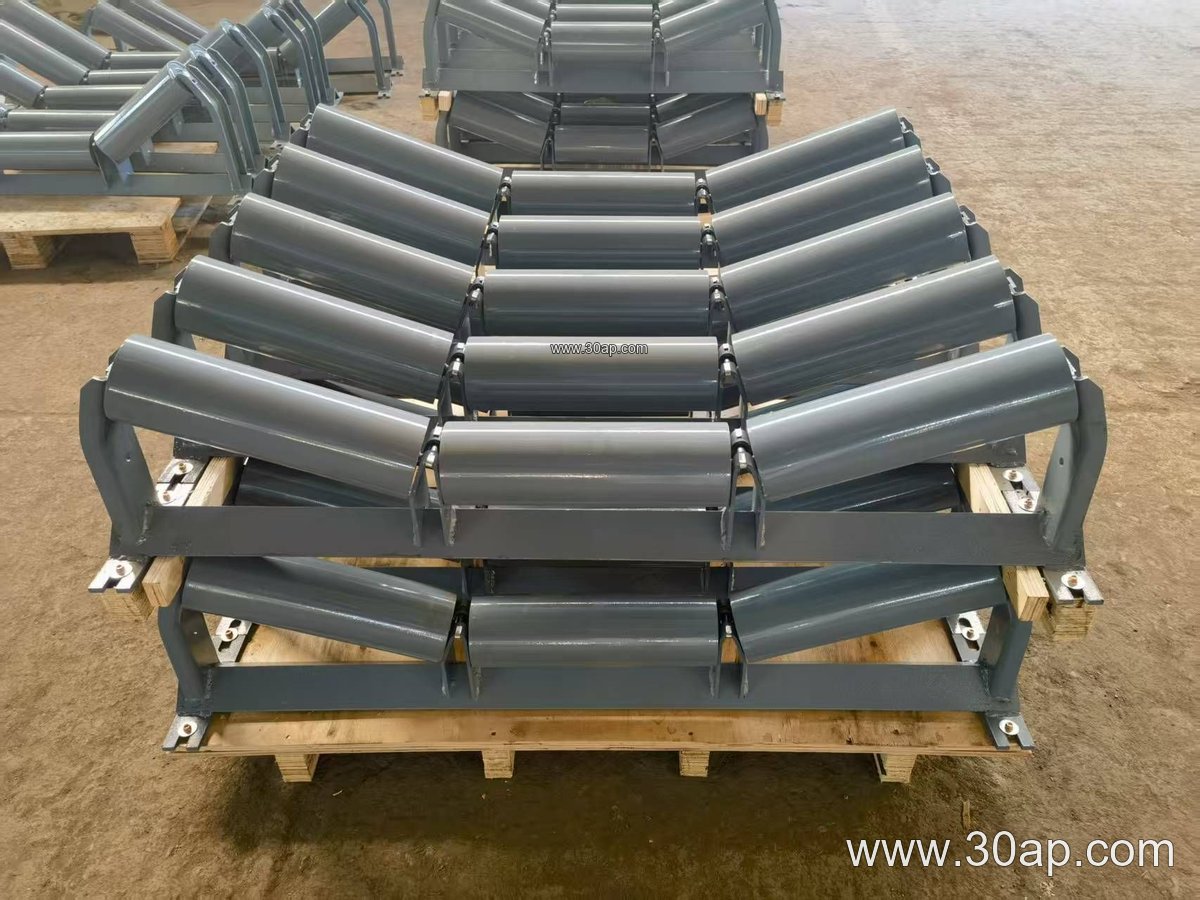
Tail pulleys appear in a wide range of industries. In a limestone quarry, they support the belt at the loading zone beneath a primary crusher, often paired with an abrasion resistant conveyor belt. In cement plant clinker handling, heat-resistant belts may require tail pulleys with heat-tolerant lagging. Other common settings include coal washing plants, iron ore terminals, and aggregate crushing circuits. The tail pulley is distinct from the drive pulley at the head and from bend or take-up pulleys used for redirection or tensioning—each has its own design role.
Buyer Checklist for Tail Pulleys
- Belt width and pulley face width: Confirm the belt width (e.g., B650, B1000, B1400) and required face width to suit the conveyor frame.
- Diameter and shaft size: Provide belt tension and speed data so the supplier can calculate radial load and select shaft diameter.
- Lagging type and thickness: Choose plain, rubber, diamond, or ceramic based on material abrasiveness and moisture.
- Bearing and housing: Ensure compatibility with conveyor bracket and take-up arrangements.
- Application environment: For coal mining or underground use, consider flame retardant conveyor belt and anti-static properties; for food or clean service, specify suitable belt grades.
- Compatibility with other components: The tail pulley should work with the conveyor pulley set, idler roller spacing, and belt type (e.g., EP conveyor belt or steel cord conveyor belt) to avoid tracking issues.
Maintenance and Long-Term Reliability
Regular inspection of lagging wear, shaft alignment, and bearing condition helps prevent belt mistracking and premature failure. In dusty environments such as a sand and gravel plant, keeping the tail pulley area clean reduces buildup that can damage the belt edge. When replacing a tail pulley, verify that the new unit matches the original face width, diameter, and shaft dimensions, and that it is compatible with the existing conveyor belt and support structure. Proper selection and care of the tail pulley contribute to the overall efficiency of any bulk material handling system.
For more information on conveyor components and belt selection, visit example.com/conveyor-pulley or explore related topics on conveyor belt and idler roller.