Conveyor Belt Basics for Industrial Buyers
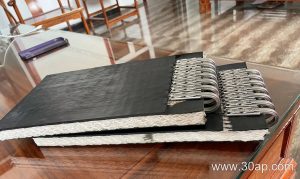
A conveyor belt is the core load-bearing component of any bulk handling or assembly system. Its material, ply, and surface profile determine throughput, safety, and maintenance costs. Before purchasing, assess belt width, speed, and the nature of the conveyed product—sharp, hot, oily, or abrasive items require different covers.
Key Selection Criteria
- Cover compound: Rubber for abrasion, PVC for food contact, and polyurethane for oil resistance.
- Tensile strength: Measured in N/mm; choose based on maximum start-up tension and support spacing.
- Operating temperature: Range from −40°C to +120°C for standard belts; specialty designs exceed this.
Purchasing Advice
Always request a splice joint sample and verify tracking performance with your existing pulleys. Order with a safety factor of at least 8:1 for heavy duty. For retrofit, confirm belt thickness against your idler roll diameters to avoid premature flex fatigue.
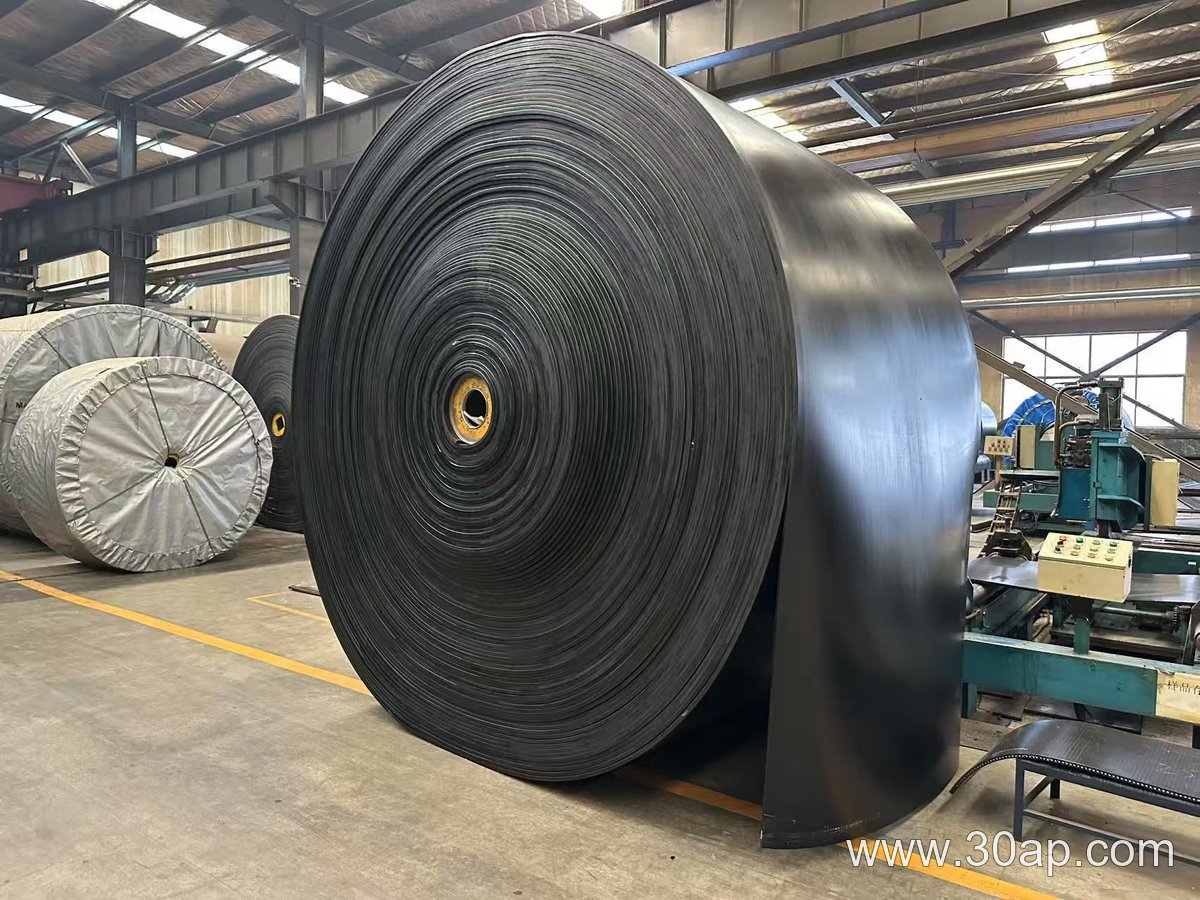
Finally, compare cradle-to-grave costs—not just price per meter. A durable belt reduces downtime and splice failures, yielding lower total ownership cost.
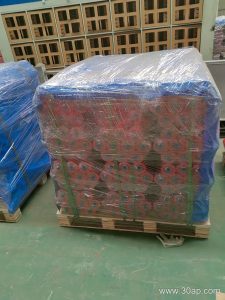
Idler Roller: The Backbone of Your Conveyor System
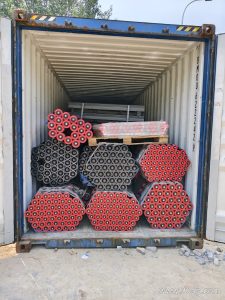
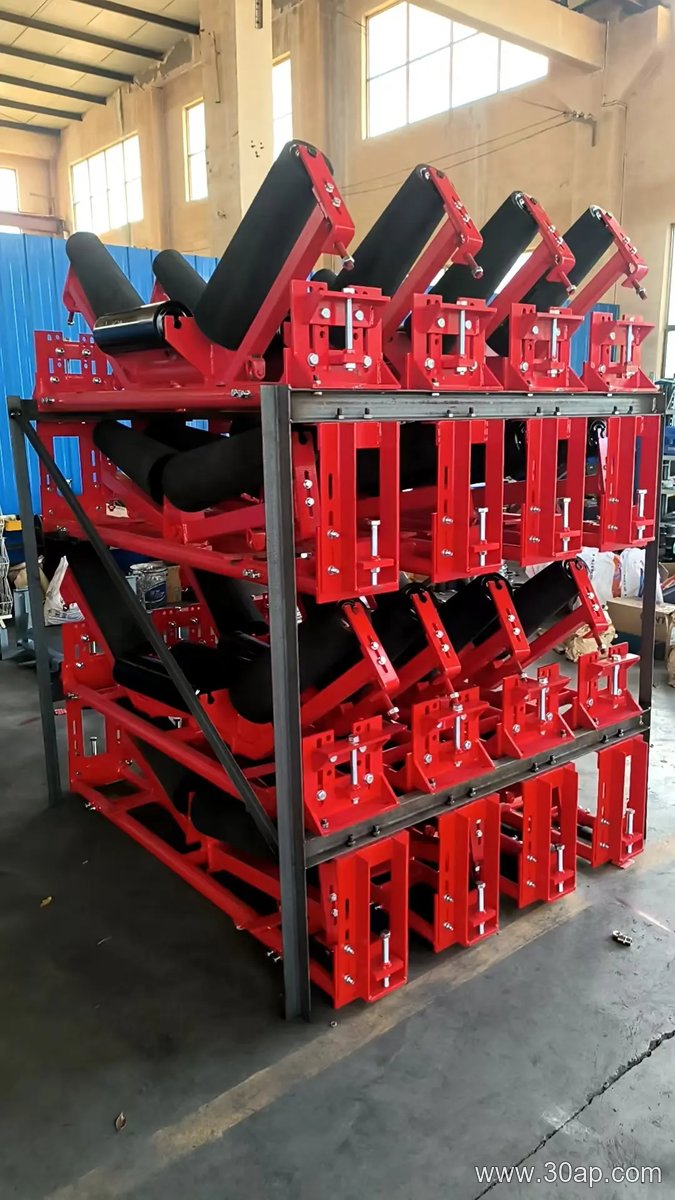
An idler roller is a cylindrical component that supports the conveyor belt and the material load along its path. Without properly selected idlers, belts misalign, sag, and wear prematurely, leading to costly downtime.
Key Selection Criteria
- Load rating: Match the roller’s dynamic load capacity to your maximum belt load, including impact zones.
- Roller diameter: Larger diameters reduce belt sag and friction, but require more clearance and power.
- Sealing and environment: For dusty or wet conditions, choose labyrinth or contact seals to protect bearings.
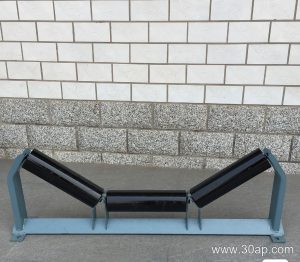
- Frame and spacing: Use troughing idlers (20°, 35°, 45°) for bulk material, and reduce spacing at loading points.
Purchasing Advice
Always verify the idler roller’s shell thickness and bearing type (e.g., C3 clearance) against your operational speed. Request samples for field testing, and consider steel or HDPE shells based on abrasion and corrosion needs. Finally, check that the roller’s shaft ends fit your existing frame brackets—standardized dimensions simplify replacement.
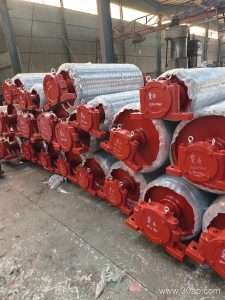
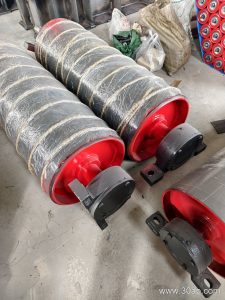
Understanding Conveyor Pulley Fundamentals
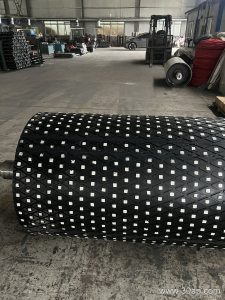
The conveyor pulley is the critical load-bearing component that drives, redirects, and tensions the belt in any bulk handling system. Its design directly impacts belt tracking, power consumption, and operational lifespan.
Key Selection Criteria
- Diameter & face width: Match pulley diameter to belt speed and tension to prevent excessive flexing; face width must exceed belt width by 2–4 inches.
- Shaft & hub design: Verify shaft diameter and keyway strength against maximum torque and dynamic loads, especially at start-up.
- Lagging type: Choose ceramic lagging for high-grip, high-heat environments; rubber lagging is cost-effective for general use but wears faster.
Purchasing Advice
Always request the pulley’s crown profile (flat, crowned, or tapered) based on your belt’s tracking needs. Specify material—steel, stainless, or engineered polymer—for corrosive or food-grade applications. Check for balancing standards (ISO 1940) and include spare pulleys for critical conveyors to minimize downtime.
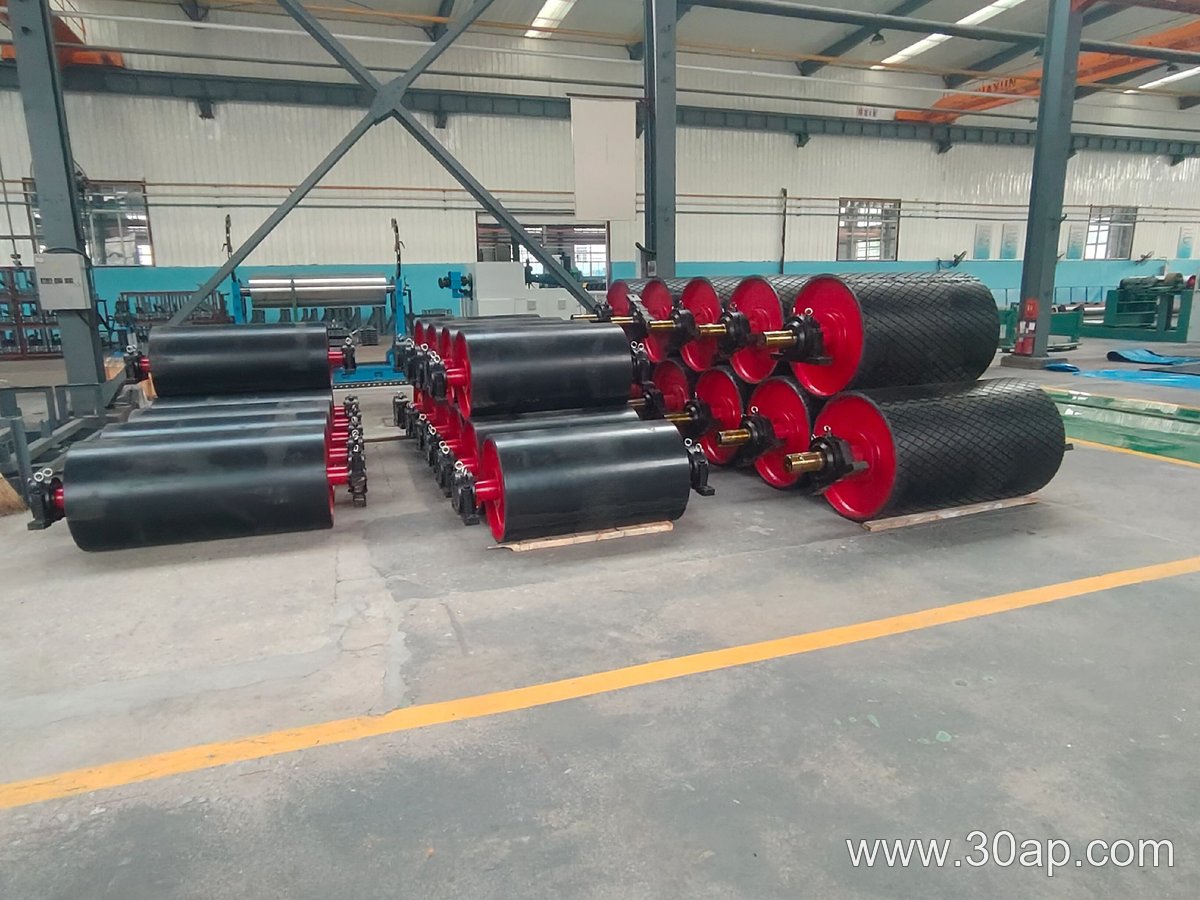
Finally, confirm that the pulley’s bearing housings are sealed and greasable for your maintenance schedule. A properly engineered conveyor pulley reduces belt wear and energy losses by up to 15%.
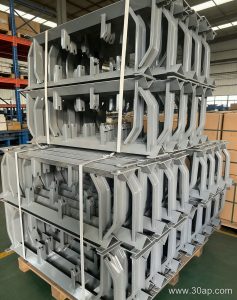
Understanding Conveyor Brackets: More Than a Simple Support
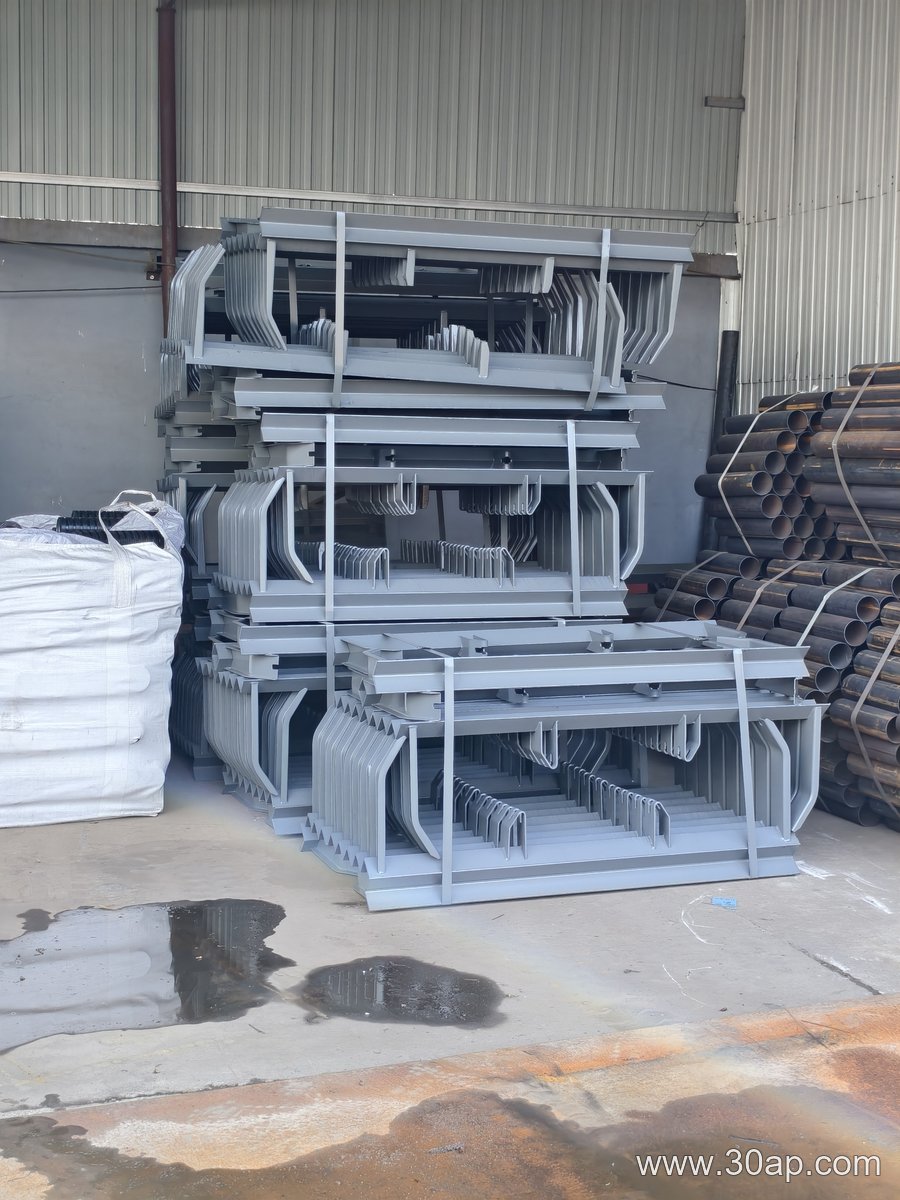
The conveyor bracket is the critical interface between your conveyor frame and its structural supports, ensuring alignment, stability, and safe load distribution. Choosing the wrong bracket can lead to misalignment, excessive wear, or even catastrophic system failure.
Key Selection Criteria for Industrial Buyers
- Load rating: Always match the bracket’s dynamic capacity to your peak product weight plus a 1.5 safety factor.
- Material compatibility: For food or pharmaceutical lines, use stainless steel 304 or 316; for heavy mining, opt for hot-dipped galvanized carbon steel.
- Adjustability: Slotted mounting holes allow fine-tuning of belt tracking, reducing downtime.
- Corrosion resistance: In washdown environments, confirm the bracket has an IP69K-rated coating or electropolished finish.
Purchasing Advice: Avoid These Common Pitfalls
Do not assume universal fit. Measure your conveyor’s C-channel width and bolt pattern before ordering. Request a sample bracket and test it under real vibration. Finally, verify that the bracket supplier provides certified load test reports—this protects your plant’s compliance and your operators’ safety.