What a Highly Wear-Resistant Idler Does
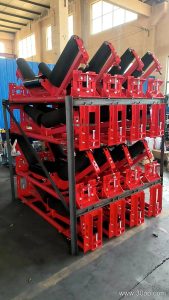
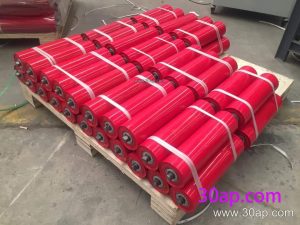
A highly wear-resistant idler is a conveyor carrying or return roller built for lines where grit, sharp edges and heavy loads shorten the life of ordinary rollers. The idler roller supports the conveyor belt, keeps it tracking along the frame and absorbs the small repeated shocks that come with moving crushed rock, ore, clinker or sinter. In a quarry or a cement plant, the difference between a standard roller and a wear-resistant one usually shows up first at the shell surface and the seal, not at the shaft.
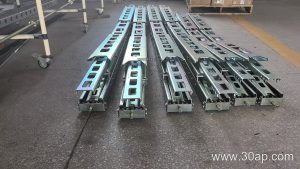
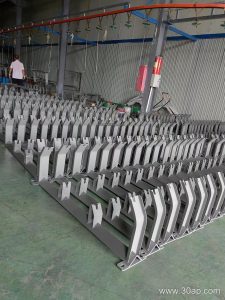
The working principle is simple. The roller turns with the belt, the bearing carries the load and the shell takes the abrasion. Wear protection is therefore a matter of shell material, wall thickness, bearing protection and sealing quality, and a well-matched conveyor bracket that keeps alignment steady.
Construction Details That Matter
Most highly wear-resistant idlers use a thick steel tube shell, and some use nylon, ceramic or rubber-covered surfaces where sliding abrasion or impact is severe. Ceramic tiles or a rubber ring can raise surface life in chute-loaded sections, while a plain heavy-wall steel shell is often enough on clean, high-speed lines. The bearing housing is usually sealed on both sides, with common bearing sizes such as 6205, 6305, 6306 and 6308 depending on roller diameter and load.
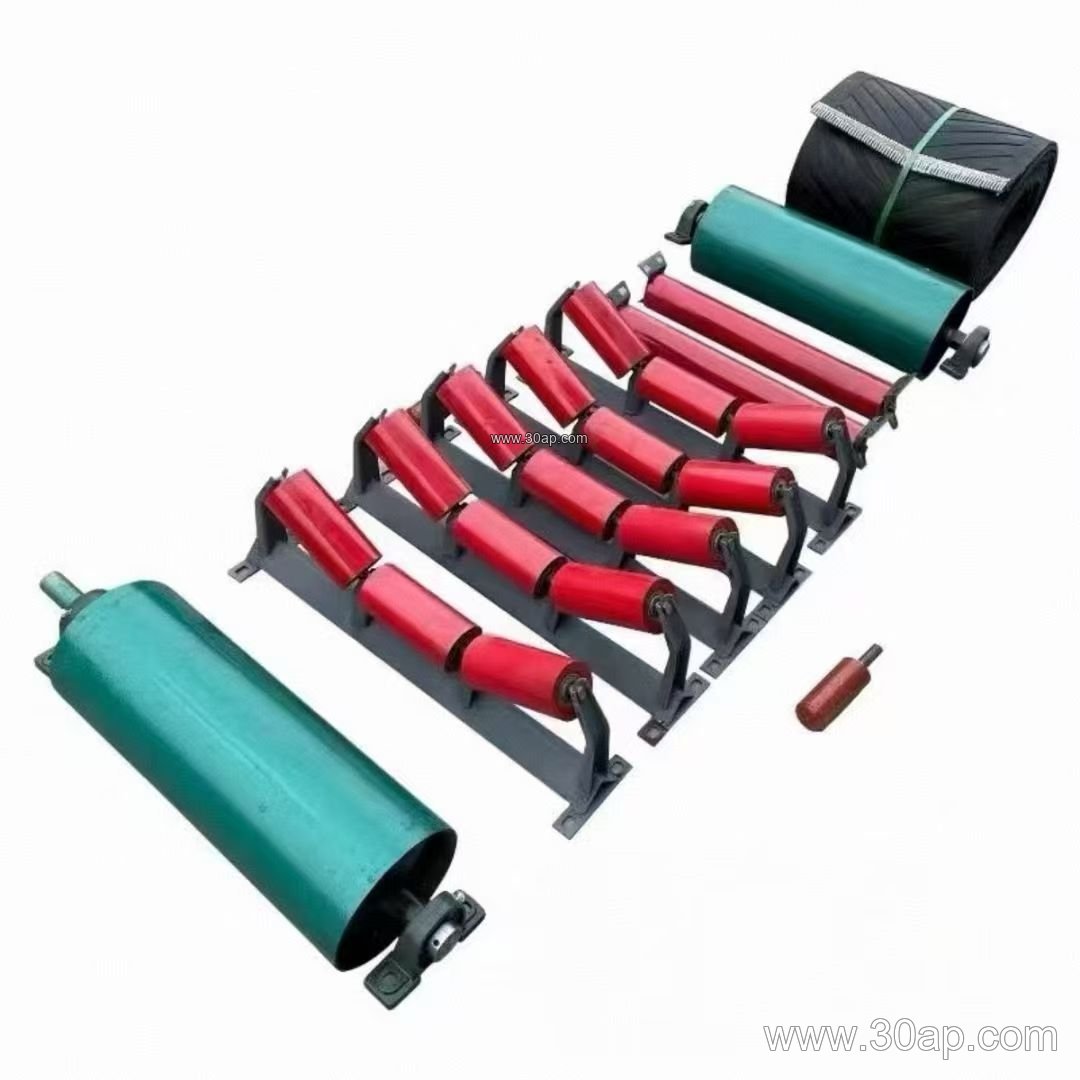
Common roller diameters include Ø89, Ø102, Ø108, Ø127, Ø133, Ø159 and Ø178 mm. Length follows belt width, trough angle and roller arrangement, so the same diameter can serve several belt widths. A three-roll troughing set on a B800 belt commonly uses roller lengths near 315 mm, while a B1200 set may use about 465 mm; side rollers and centre rollers can differ. These are reference examples, not fixed matches.
| Item | Common reference values |
|---|---|
| Roller diameter | Ø63, Ø76, Ø89, Ø102, Ø108, Ø127, Ø133, Ø159, Ø178, Ø194, Ø219 mm |
| Belt width | B400 to B2400 |
| Trough angle | 20°, 30°, 35°, 45° |
| Roller surface | Steel tube, nylon, ceramic, rubber ring |
| Bearing | 6204, 6205, 6305, 6306, 6308, 6310 |
Where the Extra Wear Resistance Pays Off
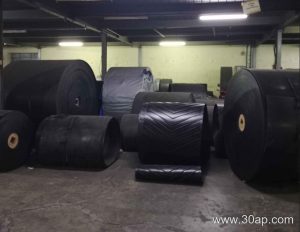
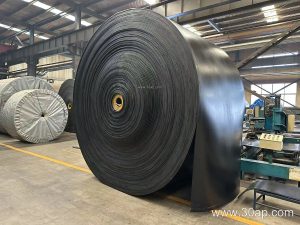
Wear-resistant rollers are common in crushing and screening circuits, limestone and iron ore mines, coal preparation plants and power station coal handling. In these places the belt may be an abrasion resistant conveyor belt or a heavy-duty mining conveyor belt carrying material with sharp edges. A quarry conveyor belt loaded from a crusher puts impact and sliding abrasion on the same roller, so a rubber-ring impact idler at the load point and wear-resistant troughing idlers downstream make a sensible combination.
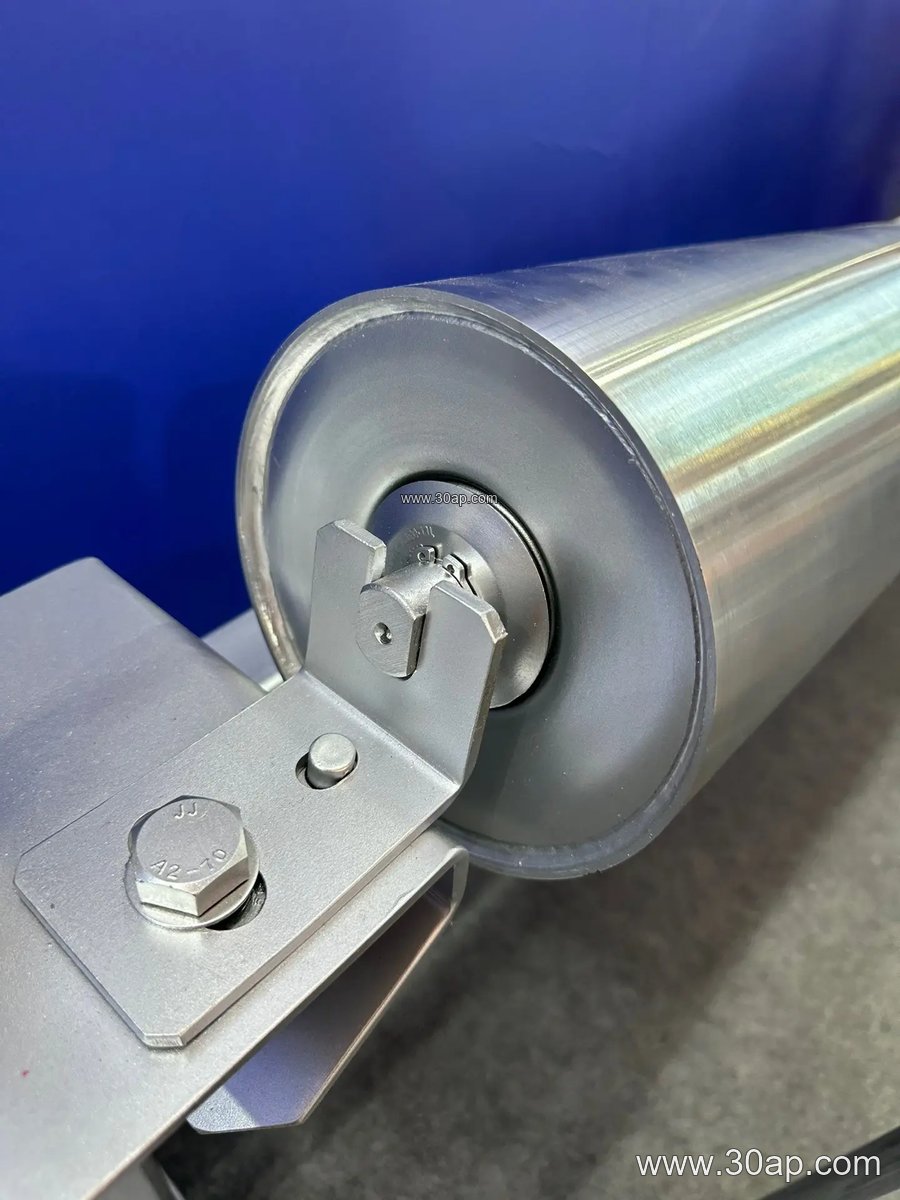
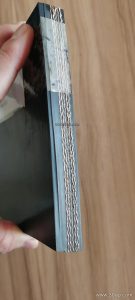
They also appear on aggregate conveyor belts, ore conveyor belts and sinter lines where dust is constant. Sealing quality matters as much as shell hardness, because fine dust entering the bearing shortens life quickly. On long overland lines using a steel cord conveyor belt or an EP conveyor belt, a failed roller can mark the belt cover, so steady roller quality protects the belt as well.
Selection and Maintenance Notes for Buyers
Start from the duty, not from a single size. Confirm belt width, trough angle, roller arrangement, load per roller and the material being handled. Ask whether the return side needs a V-type or flat return roller, and whether the loading zone needs cushioning. For a highly wear-resistant idler, request shell wall thickness, surface type, bearing size and seal design in writing.
- Check that roller length suits the selected trough angle and bracket spacing.
- Match bearing protection to dust and moisture levels, not only to load.
- Keep spare rollers from the same batch to avoid mixed running diameters.
- Inspect for shell wear, seal leakage and belt misalignment during planned stops.
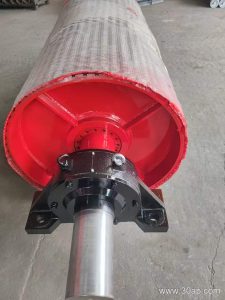
For more on matching rollers with conveyor belt, conveyor pulley and conveyor bracket choices, see the component notes at conveyoridler.com and belt-conveyor.com. A roller that is correctly sized and properly sealed will usually outlast a harder but poorly protected alternative.