What a Mining Ceramic Lagged Pulley Is
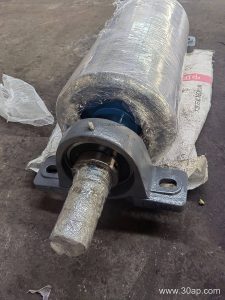
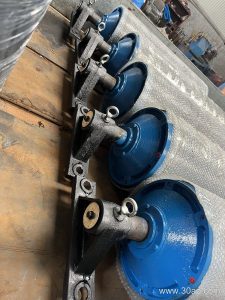
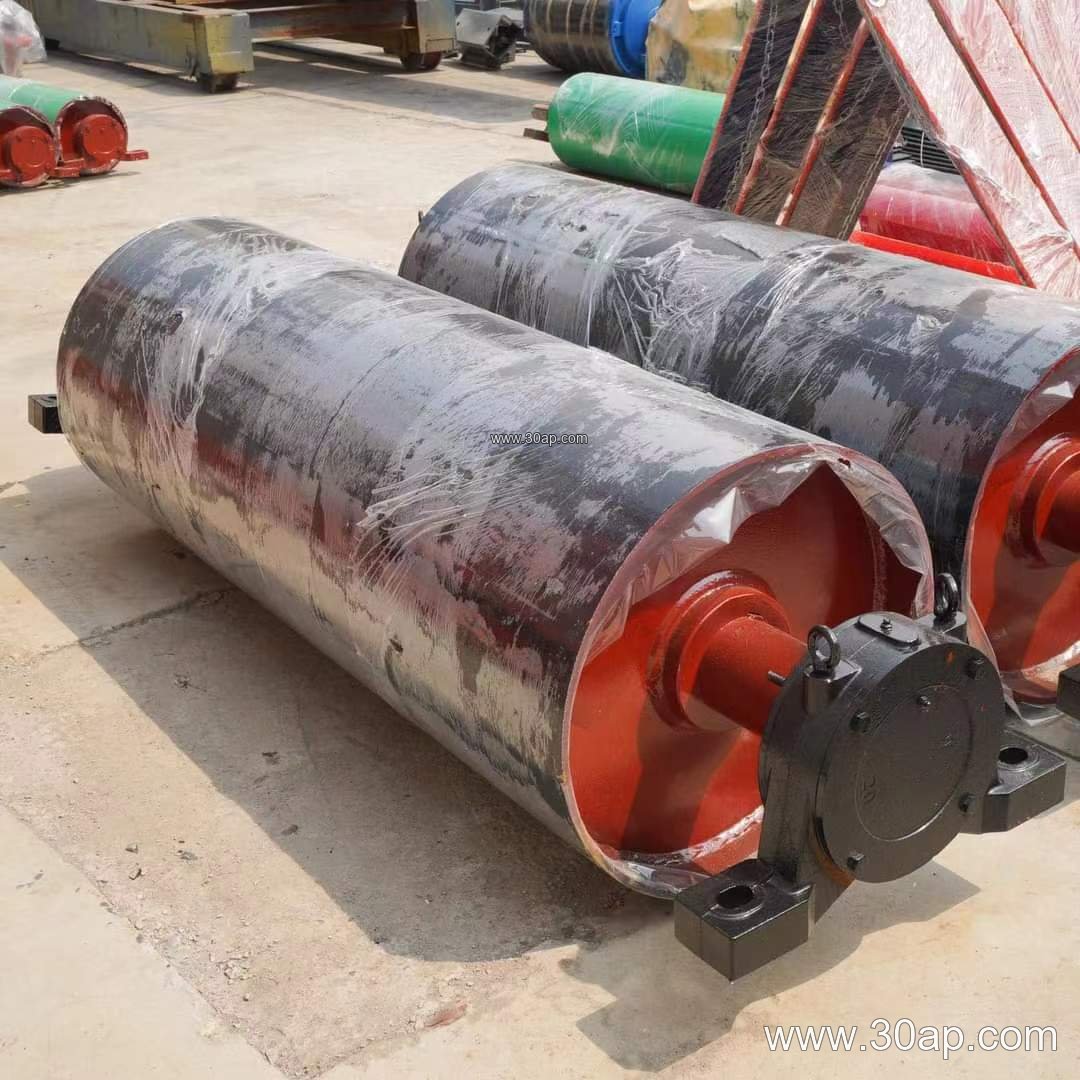
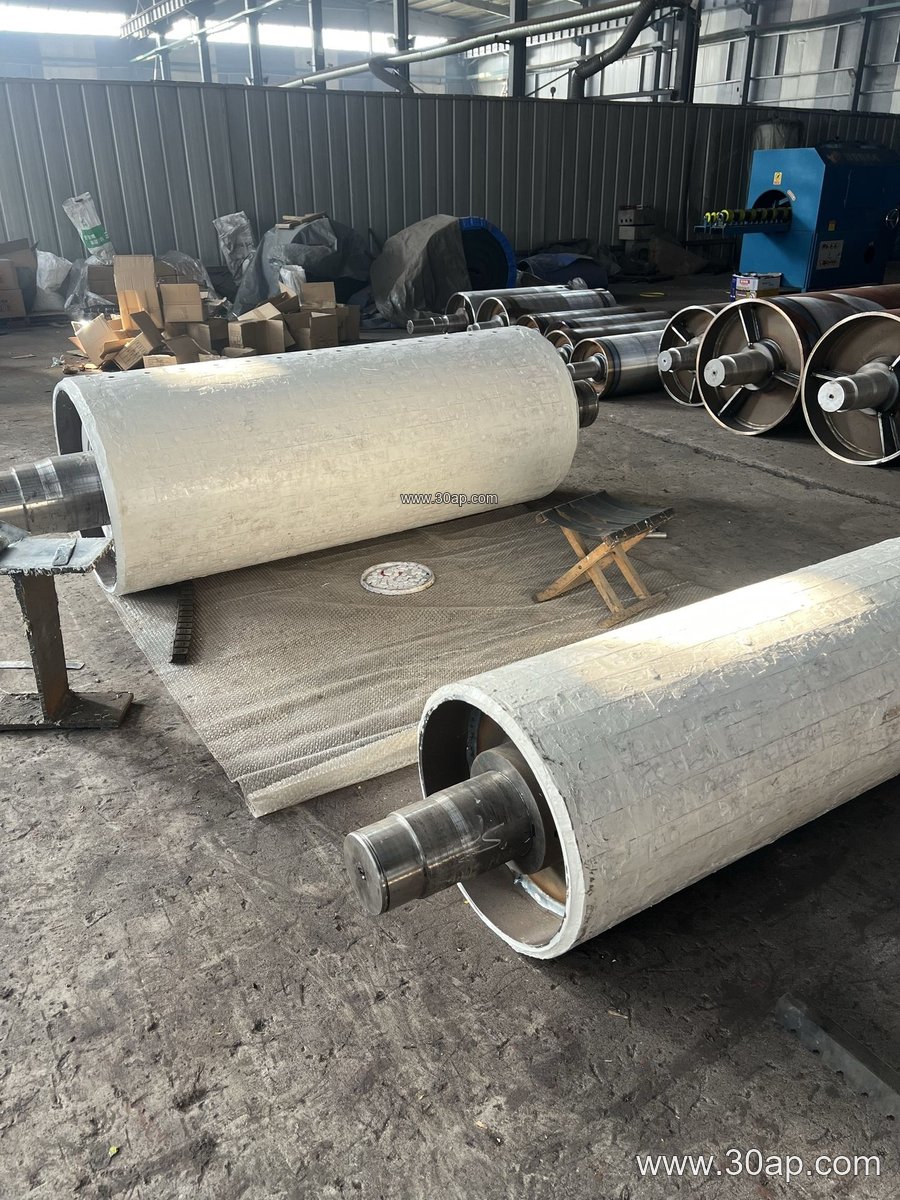
A mining ceramic lagged pulley is a conveyor pulley whose shell is covered with ceramic tiles set in a rubber or polymer backing. The ceramic provides a hard, wear-resistant surface that grips the conveyor belt under heavy loads. This type of pulley is often used as a drive pulley, though the same ceramic lagging can be applied to other pulley positions where slip is a concern. In rugged operations such as an iron ore mine or a coal washing plant, the ceramic lagged pulley helps maintain traction when the belt is wet, muddy, or carrying abrasive material.
Construction and Surface Options
The pulley body is typically a welded steel drum with machined end discs and a shaft sized to the torque and load of the conveyor. The lagging consists of small ceramic tiles bonded to a rubber matrix, which is then attached to the drum. Common lagging thicknesses are 8, 10, 12, 15, and 20 mm, chosen according to belt tension and environmental conditions. Surface patterns can be flat or grooved; the ceramic tiles themselves may be square, rectangular, or interlocking. For comparison, a plain rubber lagged pulley may suit lighter duties, but ceramic lagging offers superior abrasion resistance in harsh mining service.
Where It Fits in the Conveyor
Ceramic lagged pulleys are frequently installed at the head or drive position of a conveyor, where the belt wraps around the pulley and transmits power. They can also be used as tail pulleys in wet or gritty conditions, or as bend pulleys in a take-up system, but each position has different demands. For instance, a drive pulley needs high friction to avoid slip, while a tail pulley mainly guides the belt. The ceramic surface helps resist wear from abrasive fines that can accumulate on the pulley face. In a limestone quarry or a cement plant clinker line, this durability translates into longer service intervals.
Matching Belt Width and Pulley Diameter
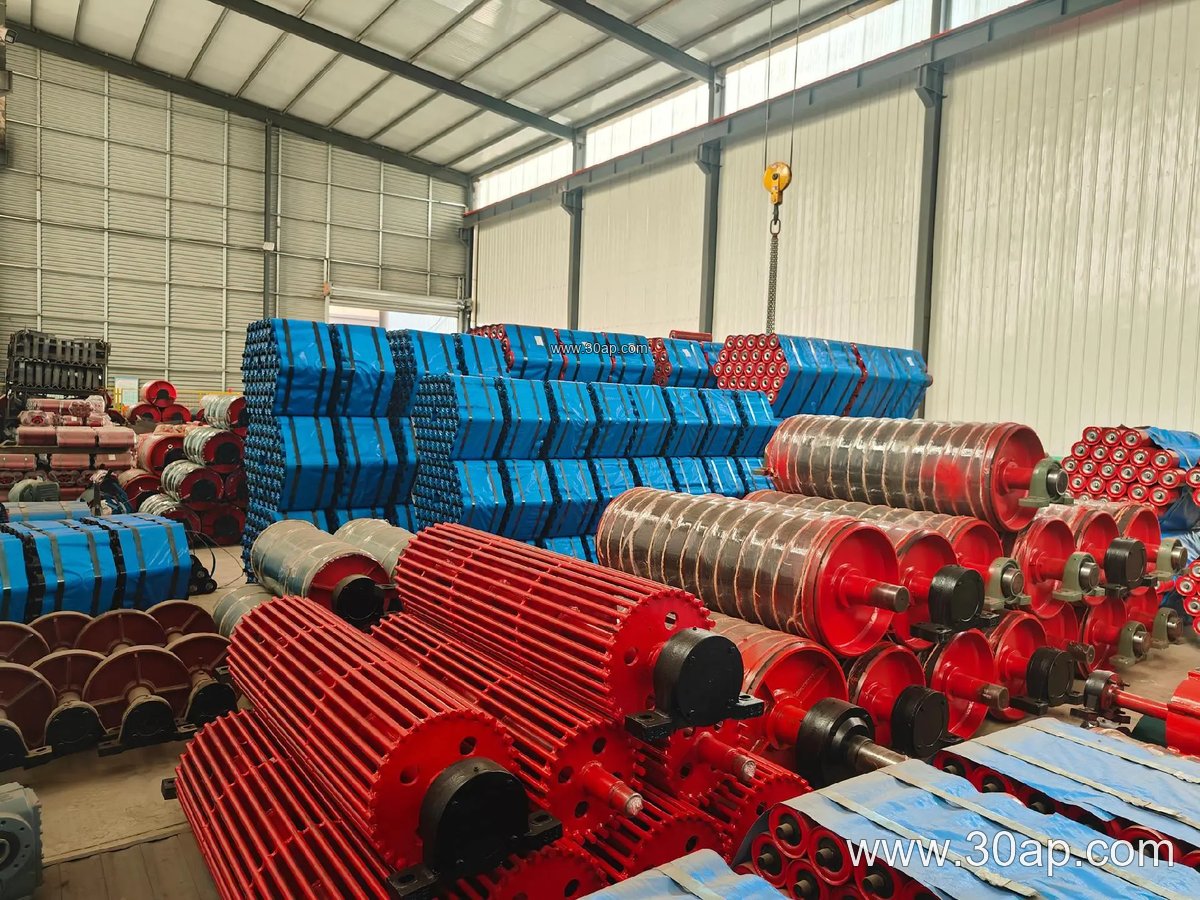
When selecting a ceramic lagged pulley, the belt width and pulley diameter are key variables. The pulley face width is usually slightly wider than the belt to ensure full support. The table below gives typical reference values; actual dimensions should be confirmed with the conveyor design.
| Belt Width (mm) | Typical Pulley Face Width (mm) | Example Diameter (mm) |
|---|---|---|
| B400 | 500 | Ø200, Ø250 |
| B500 | 600 | Ø250, Ø315 |
| B650 | 750 | Ø315, Ø400 |
| B800 | 950 | Ø400, Ø500 |
| B1000 | 1150 | Ø500, Ø630 |
| B1200 | 1400 | Ø630, Ø800 |
| B1400 | 1600 | Ø800, Ø1000 |
| B1600 | 1800 | Ø1000, Ø1250 |
| B1800 | 2000 | Ø1250, Ø1400 |
Note that a given belt width does not dictate a single pulley diameter; the diameter is selected based on belt tension, wrap angle, and shaft load. Shaft diameters commonly range from Ø50 to Ø200 mm, determined by torque and bearing requirements, not by belt width alone.
Buyer Checklist for Mining Applications
- Confirm the pulley position: drive, tail, bend, or take-up. Ceramic lagging is most beneficial on drive pulleys where slip risk is high.
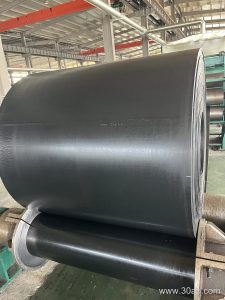
- Specify the conveyor belt type and tension. A heavy-duty mining conveyor belt or an abrasion resistant conveyor belt may require higher friction and a more robust lagging.
- Check environmental conditions: wet, dusty, or oily conditions influence lagging choice. For oil contamination, an oil resistant conveyor belt may be used, and the pulley lagging should be compatible.
- Review the pulley diameter and shaft size with the conveyor designer. Do not assume a fixed shaft diameter from belt width.
- Consider maintenance access. Ceramic tiles can chip if struck, so proper belt tracking and cleaning are important.
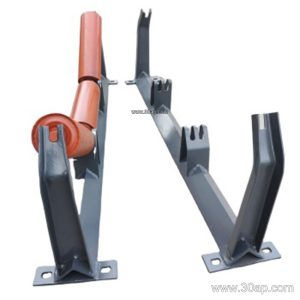
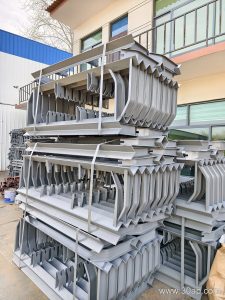
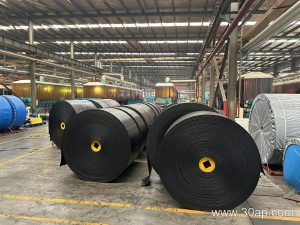
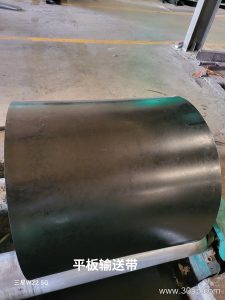
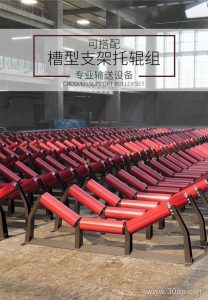
In a sand and gravel plant or a power plant coal yard, a ceramic lagged pulley can reduce downtime caused by belt slip and lagging wear. For other conveyor components, such as idler rollers and conveyor brackets, ensure they are rated for the same duty. The conveyor belt itself, whether an EP conveyor belt or a steel cord conveyor belt, should be matched to the pulley surface to avoid excessive wear.
Maintenance and Longevity
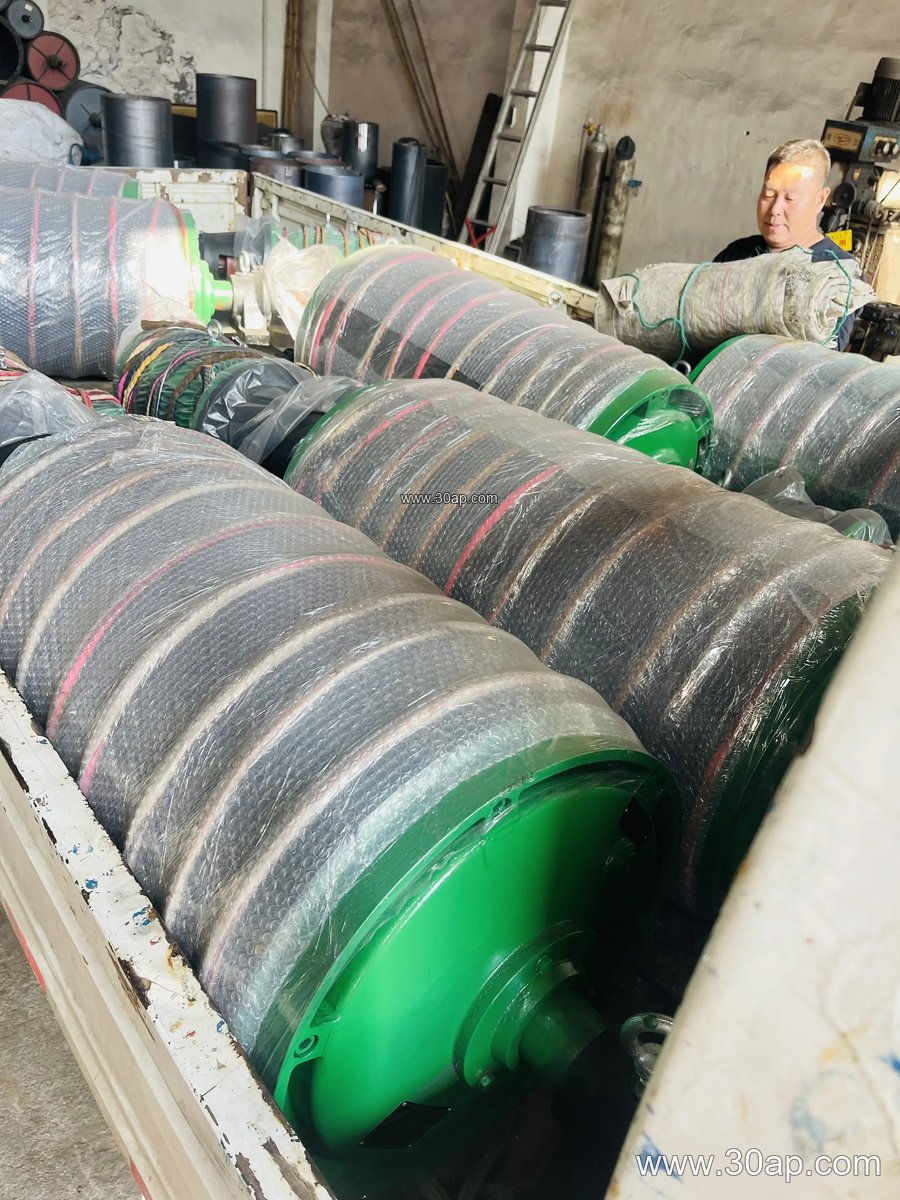
Ceramic lagged pulleys are not maintenance-free. Inspect the lagging periodically for cracked or missing tiles, especially after impact events. Keep the pulley face clean; material build-up can reduce friction and cause tracking problems. When replacing lagging, choose a thickness that suits the application—thicker is not always better if it affects belt clearance. With proper selection and care, a mining ceramic lagged pulley can deliver long service in demanding environments like copper ore handling or tunnel spoil removal.