What a Custom Conveyor Bracket Really Is
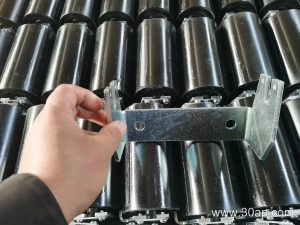
A custom conveyor bracket is a made-to-order support frame that positions idlers under or over the belt at the exact geometry your conveyor needs. Instead of forcing a standard frame onto a structure that was never designed around it, the bracket is fabricated to suit the belt width, trough angle, roller diameter and mounting points of a specific line. In quarry and aggregate work, where frames are often retrofitted onto existing steel, this flexibility saves a great deal of cutting and re-drilling on site.
The same component is often called a bespoke idler support frame or a tailor-made roller mounting bracket. Those names describe the same item; they are not different products. A drive pulley, a tail pulley and a bend pulley remain separate components and are never substitutes for this frame.
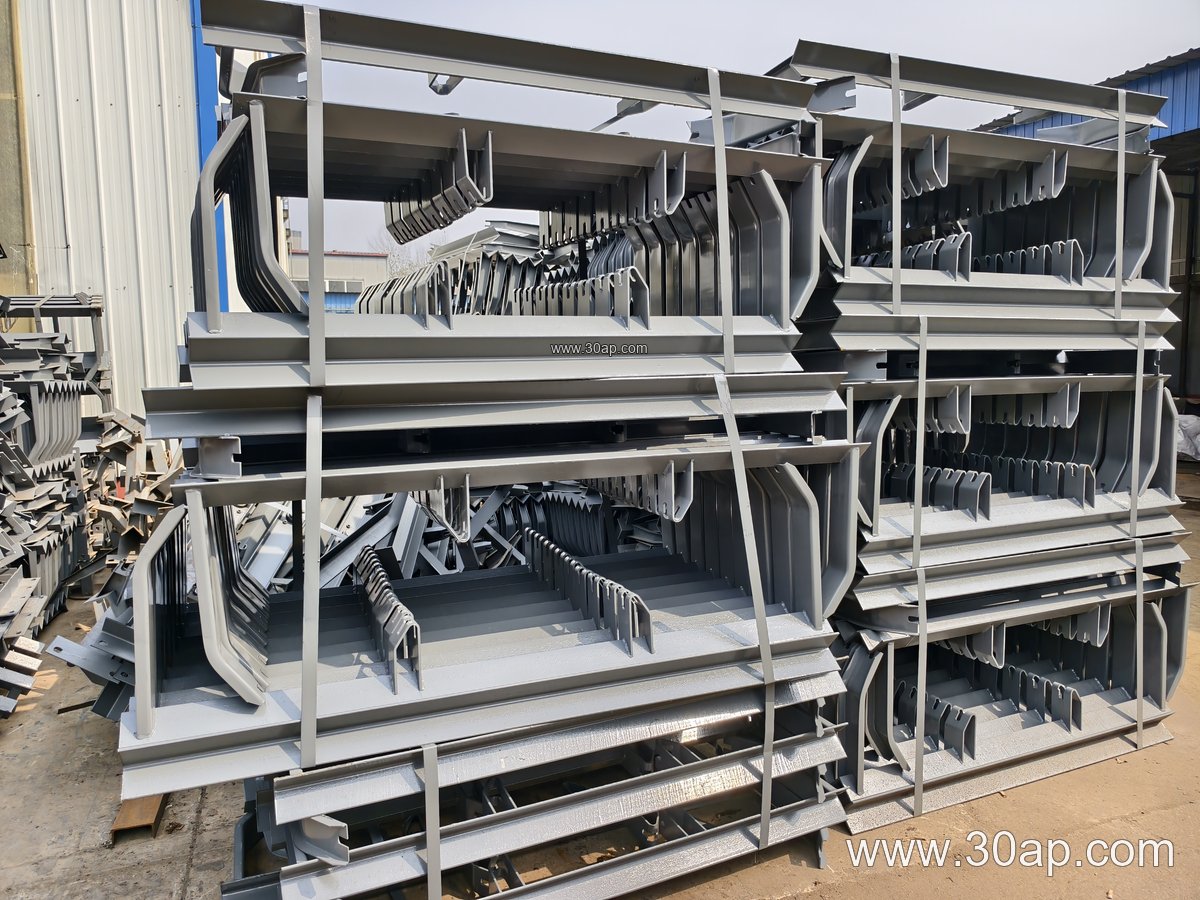
How the Frame Is Put Together
Most units are welded or bolted assemblies made from angle steel, channel steel or folded steel plate. The crossbeam carries the idler stations, while the end supports bolt to the conveyor stringer. On a troughing bracket, the side rollers sit at an angle that forms the trough; the centre roller stays flat. Adjustable versions use slotted or pivoted arms so the same frame can be set to different trough angles.
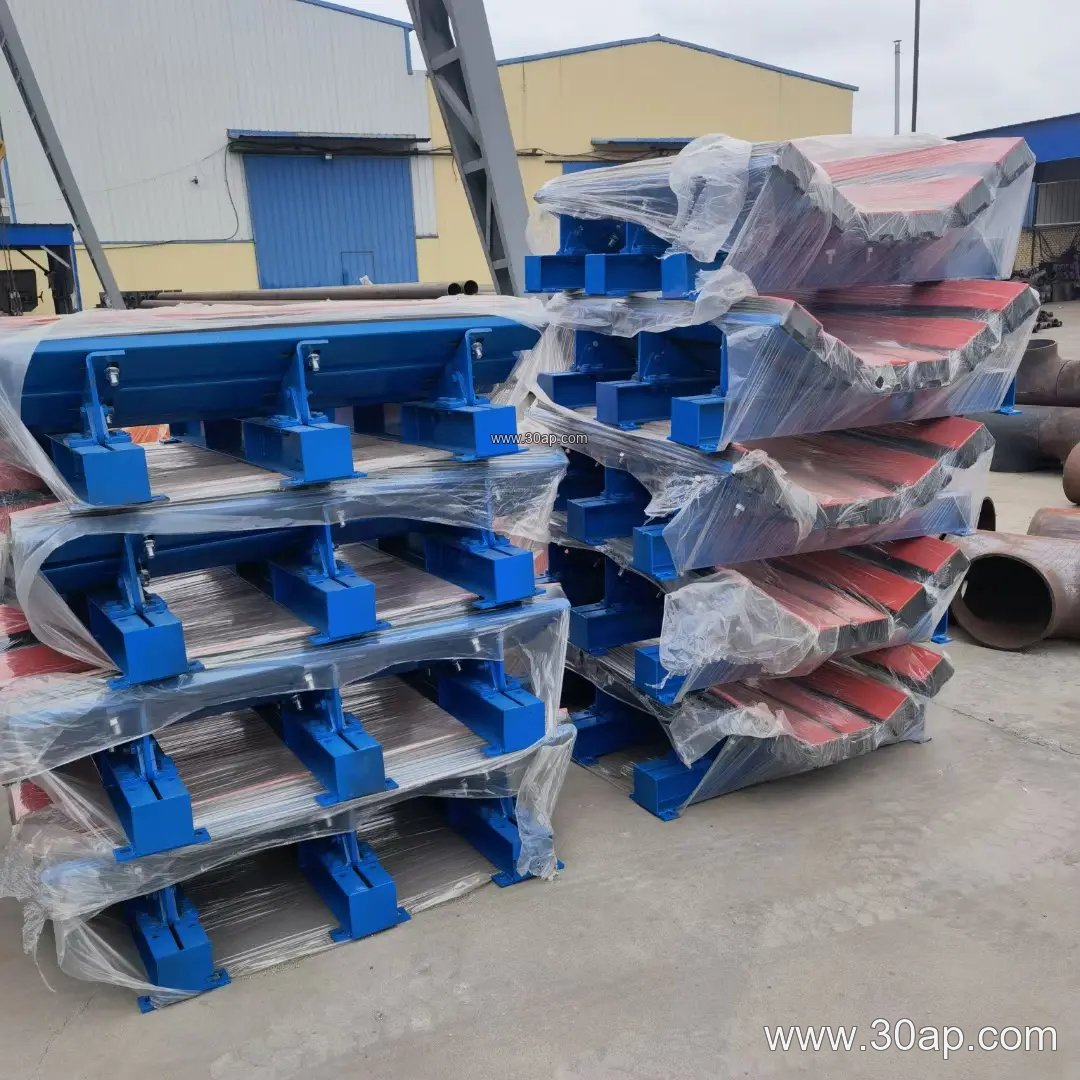
Typical reference values used in design conversations include:
| Parameter | Common reference range |
|---|---|
| Belt width | B500, B650, B800, B1000, B1200, B1400, B1600, B1800, B2000 |
| Trough angle | 20°, 30°, 35°, 45° (adjustable frames cover a span of these) |
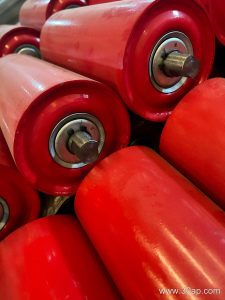
| Idler diameter | Ø89, Ø108, Ø133, Ø159, Ø194 |
| Forward tilt (where used) | about 1.5° to 2° |
Hole spacing and crossbeam length change with belt width and trough angle, so they are confirmed per drawing rather than taken as fixed numbers. A common combination might read B800, 35°, Ø108, but a B1200 line at 45° with Ø133 rollers is equally normal. No single belt width locks you into one trough angle or one roller size.
Where These Frames Earn Their Keep
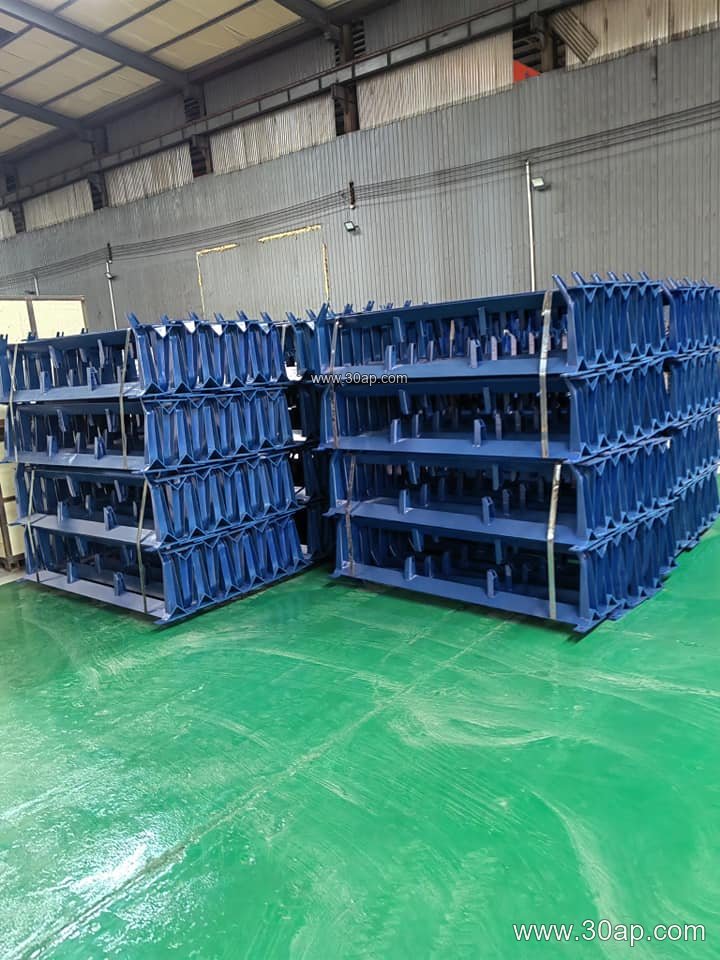
In a limestone mine or a stone crushing circuit, the transition from the feed point to the carrying run is where belt behaviour is hardest to control. A transition bracket set gives the belt gradual support as it opens from flat to troughed, reducing edge stress. In a coal washing plant or a power station coal yard, impact brackets under the loading chute absorb the drop energy before it reaches the belt cover. Return-side frames, including V-return and flat return types, keep the empty strand tracking cleanly.
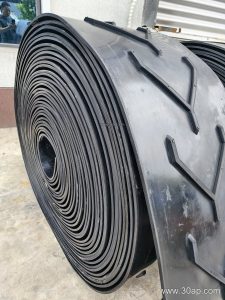
The belt itself matters too. A heavy-duty mining conveyor belt or an abrasion resistant conveyor belt running over poorly aligned frames will wear unevenly no matter how good the cover compound is. Matching the bracket to an EP conveyor belt or a steel cord conveyor belt load profile is part of getting the whole support system right. At www.hnconveyorbelt.com we see this most often on quarry conveyor belt lines and crusher conveyor belt discharge points.
Fixed or Adjustable
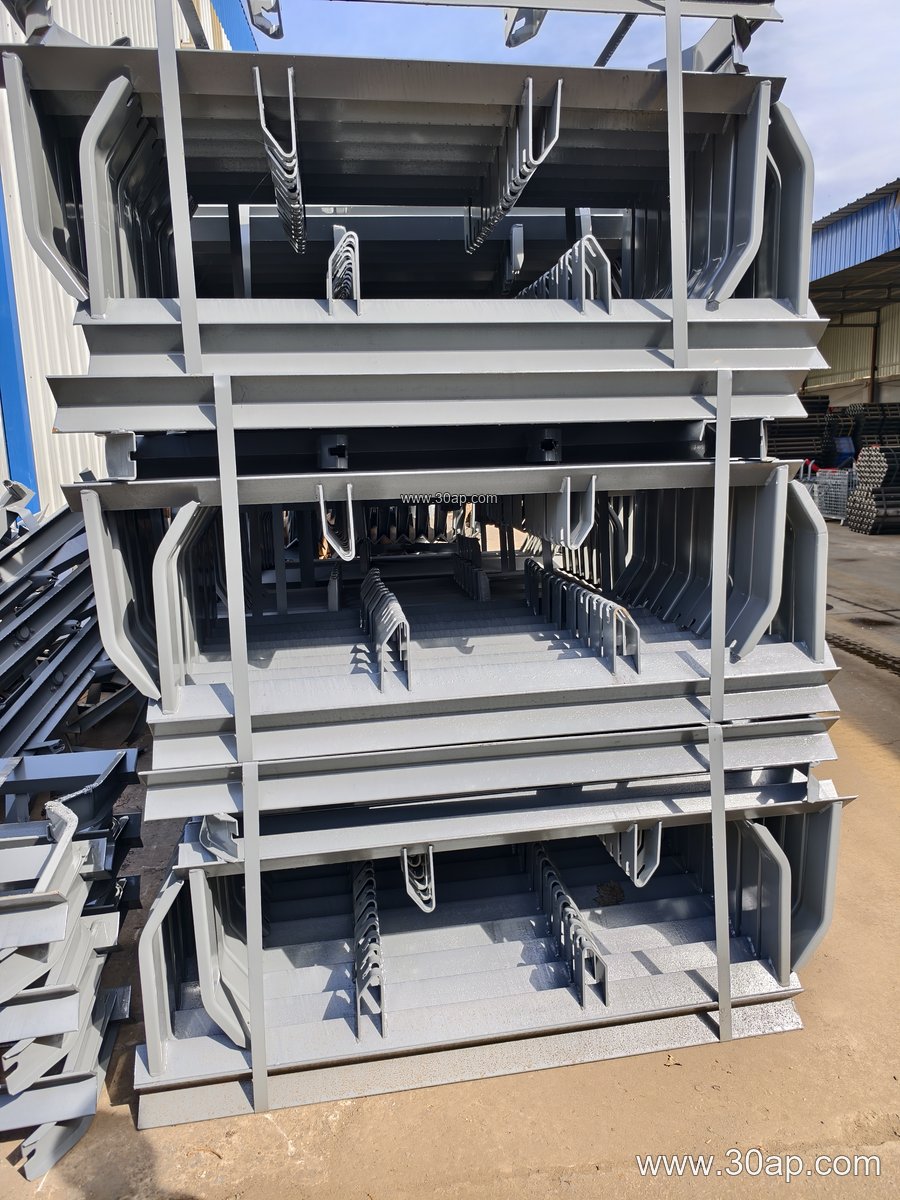
A fixed bracket is welded to a set angle and is the simpler, stiffer choice once the belt path is settled. An adjustable bracket lets maintenance staff correct the trough angle after a belt change or a structure settlement, which is useful on long overland runs and in underground mining conveyor belt installations where access is tight. Self-aligning and forward-tilt frames address mistracking rather than load, and are usually specified separately from plain carrying frames.
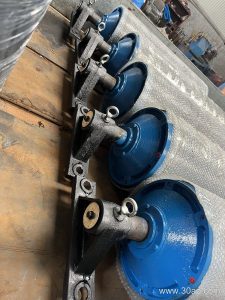
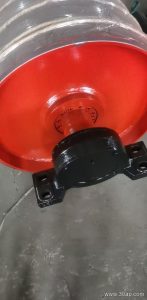
None of these replaces the pulley set. A bend pulley or a drive pulley controls belt direction and tension; the bracket only controls where the idlers sit. Confusing the two leads to the wrong purchase order.
What a Buyer Should Confirm Before Ordering
- Belt width and the exact trough angle required at each station.
- Idler diameter and the mounting hole pattern of the rollers you already use.
- Stringer spacing and the bolt centres on the existing structure.
- Material thickness and finish, especially for wet or corrosive service in a port or fertilizer plant.
- Whether the frame must be adjustable, and over what angle span.
Send a sketch or a photo of the mounting point along with the belt and roller data. A frame drawn from real dimensions fits the first time, and that is the whole point of ordering a custom conveyor bracket rather than adapting a stock one. For roller and belt matching questions, the team at www.hnconveyorbelt.com can review the layout together with the frame drawing.