What a Ceramic Lagged Drive Pulley Does
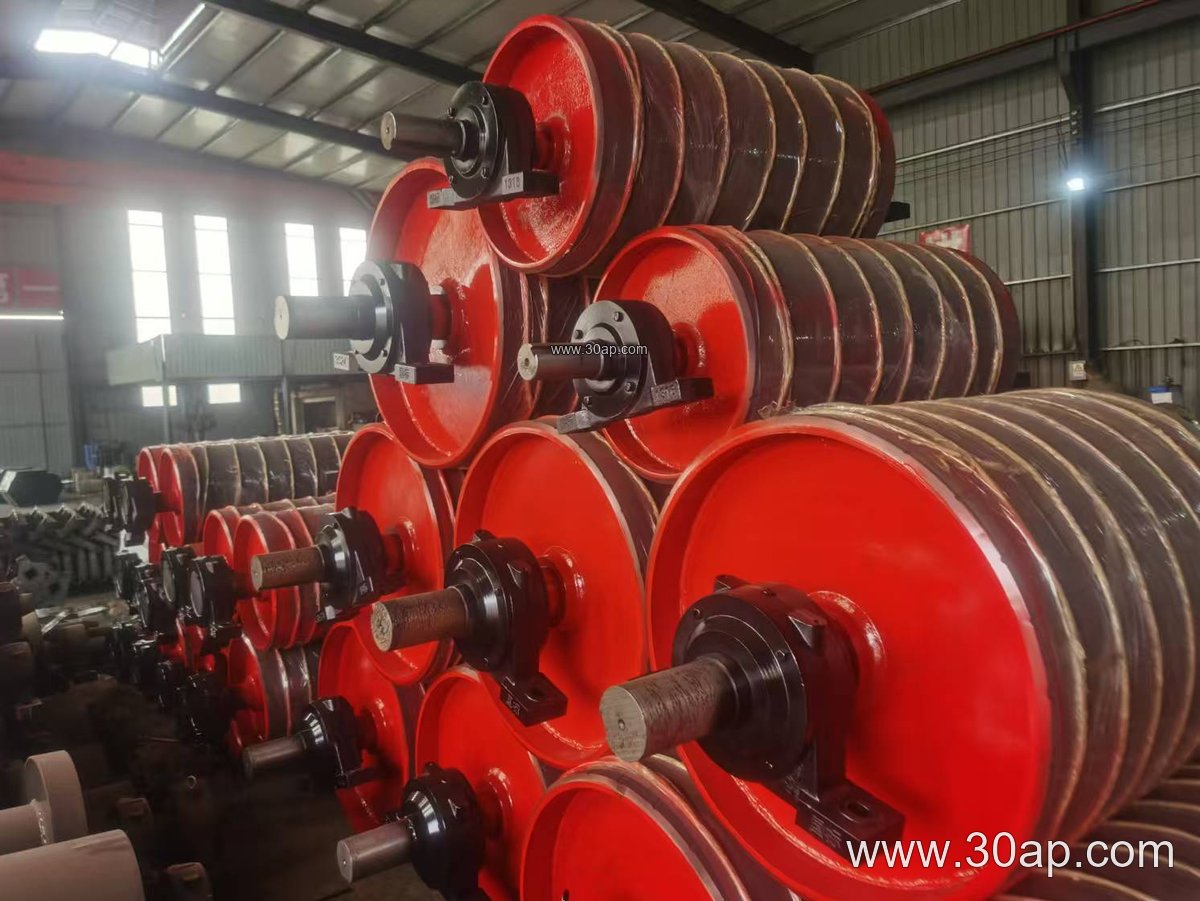
A Ceramic Lagged Drive Pulley is the head-end pulley that transmits motion to the conveyor belt. Its ceramic lagging is the key detail: small ceramic tiles embedded in a rubber matrix give the shell a hard, gritty surface that grips the belt under load. In a quarry, a limestone mine, or a crushing and screening line, that grip is what keeps a fully loaded belt moving instead of slipping on the drum.
This is a drive pulley, not a tail or bend pulley. Those other positions guide and tension the belt, but the drive pulley is where torque enters the system. In a typical arrangement, an electric motor and gearbox turn the shaft, the shell rotates, and the lagging transfers that force to the belt cover.
How the Ceramic Lagging Is Built
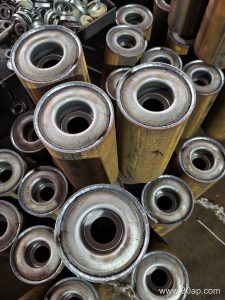
The pulley body is usually a welded steel shell with end discs and a shaft, machined for balance and concentricity. The lagging is applied as tiles set into a rubber base, often 8 to 20 mm thick depending on duty. The tiles sit proud of the rubber so the belt contacts ceramic rather than smooth rubber, improving friction in wet or dusty conditions.
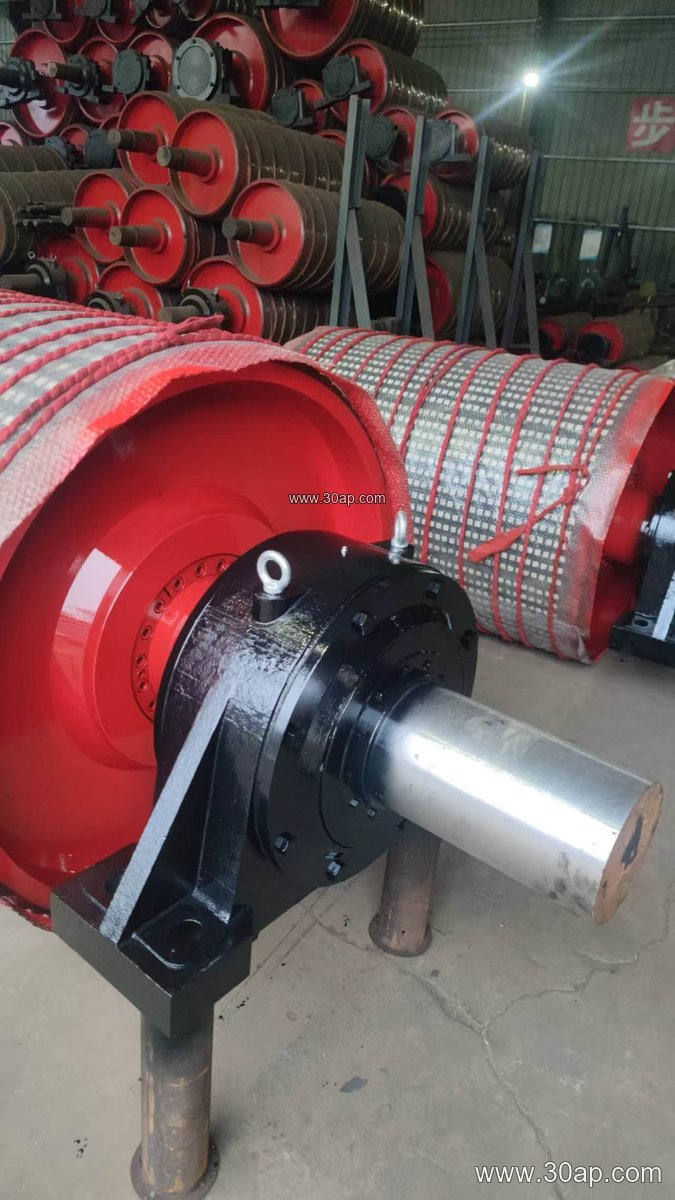
Because the tiles are hard, they resist the polishing and glazing that plain rubber can develop after long service. The rubber between the tiles provides flexibility and helps shed water. Buyers should confirm tile retention, bond quality, and the lagging profile, since a poorly bonded tile can come loose and damage the belt cover.
Where It Fits in the Conveyor
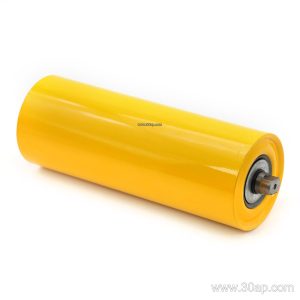
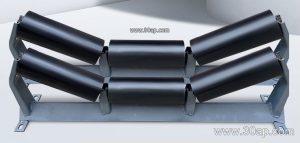
This pulley suits heavy-duty and abrasive service where slip is a real risk: primary crusher discharge, plant feed conveyors, and inclined sections carrying bulk material. It works alongside the conveyor belt, conveyor pulley frame, and conveyor bracket, and it is often paired with troughing idler rollers on the carrying side.
Surface condition matters. In a wash plant or a port handling damp bulk material, ceramic lagging keeps traction when rubber alone might slip. In a cement plant or power plant coal yard, dust and fines make the same argument. For very abrasive ore, a high abrasion resistant conveyor belt and a properly lagged drive pulley together reduce wear on both components.
Sizes and Common Combinations
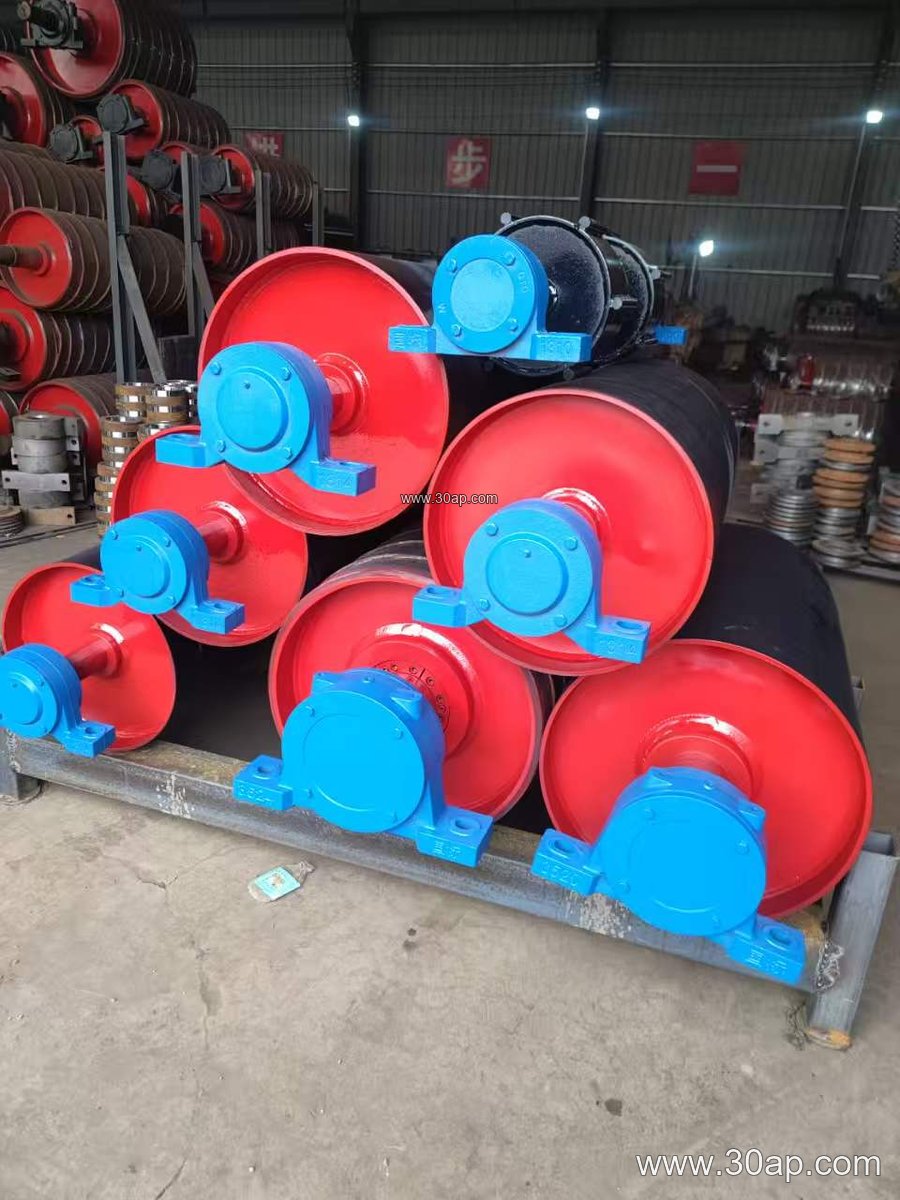
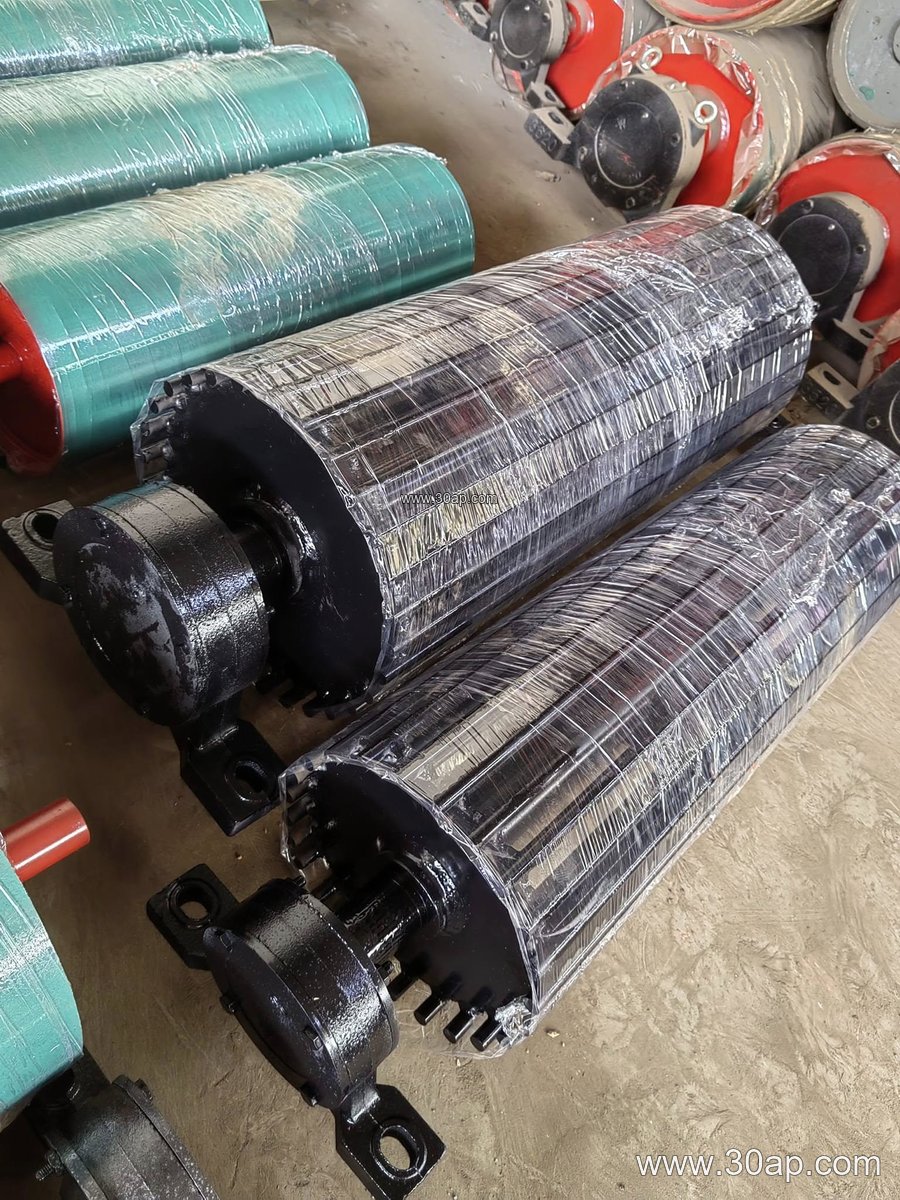
Diameters and face widths are selected from belt width, wrap angle, torque, and belt tension, not from a single fixed rule. The table below shows reference data that designers often start from.
| Item | Common Reference Values |
|---|---|
| Belt width (B) | B400, B500, B650, B800, B1000, B1200, B1400, B1600, B1800, B2000, B2200, B2400 |
| Pulley diameter | Ø200, Ø250, Ø315, Ø400, Ø500, Ø630, Ø800, Ø1000, Ø1250, Ø1400, Ø1600, Ø1800 |
| Face width (typical) | B400 about 500 mm; B650 about 750 mm; B800 about 950 mm; B1200 about 1400 mm; B1600 about 1800 mm |
| Lagging thickness | 8, 10, 12, 15, 20 mm |
| Shaft diameter | Ø50 to Ø200, set by torque and load |
Useful combinations include B800 x Ø500, B1200 x Ø1000, and B1400 x Ø800. These are examples, not fixed matches; the same belt width can work with different diameters depending on wrap angle and tension. Shaft size should be calculated from torque and bearing loads, never copied from belt width alone.
What to Check Before Ordering
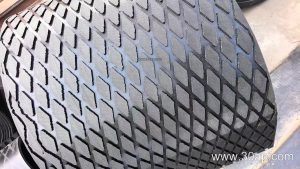
- Duty and slip risk: confirm whether ceramic lagging is needed or whether rubber or diamond grooving is enough.
- Belt type: a steel cord conveyor belt, an EP conveyor belt, or a multi-ply fabric core conveyor belt each behaves differently on the drum, so share the belt specification.
- Environment: wet, oily, or high-temperature service affects lagging choice; a heat resistant conveyor belt may need a different pulley surface treatment.
- Interface details: shaft diameter, keyway, bearing type, and bracket mounting should match the existing conveyor bracket and frame.
- Maintenance plan: inspect tile edges and rubber bond at each shutdown, and keep the belt tracking correct so the lagging wears evenly.
For a coal mining conveyor belt or an underground mining conveyor belt, flame retardant and anti-static properties are usually specified for the belt, while the pulley must still deliver reliable traction. Matching the drive pulley to the belt and the duty keeps the whole conveyor stable.
Related equipment such as the conveyor pulley frame and idler roller set should be reviewed together with the drive pulley selection. A ceramic lagged drive pulley is a long-life component, but it performs best when the belt, tracking, and loading are all correct. See more conveyor component guidance at www.example.com/conveyor-pulley and www.example.com/ceramic-lagged-drive-pulley.