What the Head Drive Pulley Does
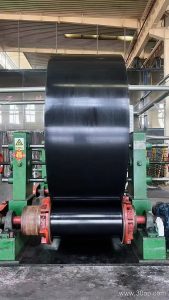
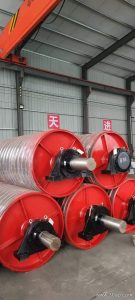
The head drive pulley is the powered drum at the discharge end of a belt conveyor. It grips the conveyor belt, pulls the loaded strand toward the head, and rotates fast enough to keep material moving at the design speed. Because it transmits the drive torque into the belt, it is also the point where belt tension, traction, and wear tend to concentrate. In a quarry, a coal washing plant, or a power plant coal yard, a poorly matched head pulley can cause belt slip, premature cover wear, or tracking problems along the whole line.
People sometimes call this component the head pulley, drive drum, or head drum. All of these refer to the same part. It should not be confused with a tail pulley or a bend pulley, which serve different positions and duties.
Construction and Surface Options
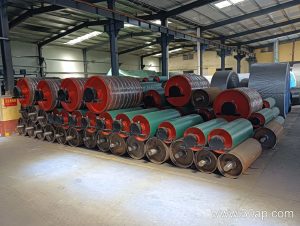
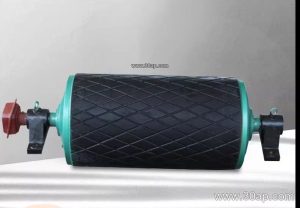
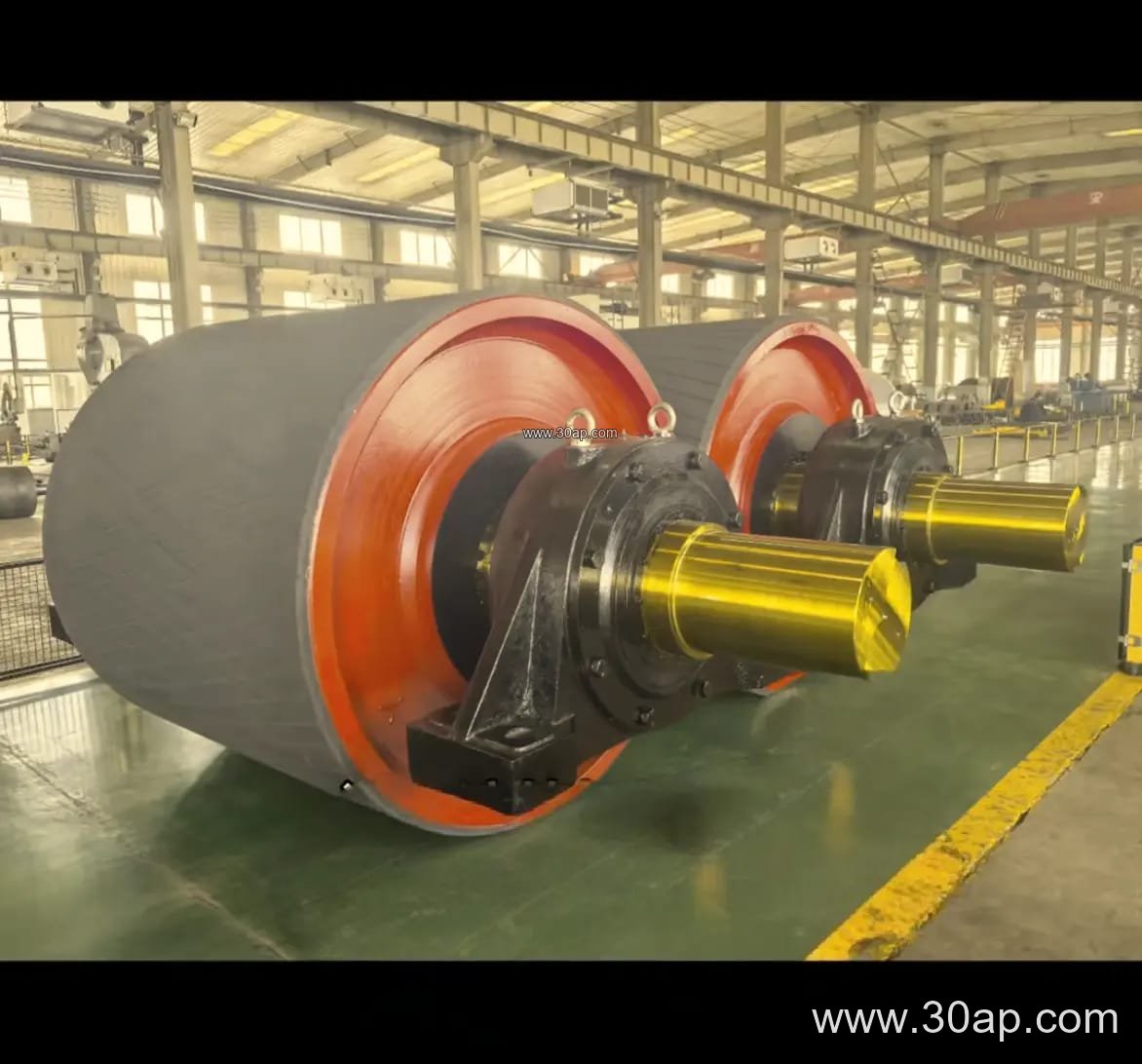
A typical head drive pulley is built around a steel shell, welded end discs, a shaft, and bearing housings that sit in conveyor brackets on the head frame. The shell diameter and face width are matched to the belt and the required torque. Larger diameters improve belt wrap and reduce bending stress in the belt carcass, while the face width is usually a little wider than the belt itself.
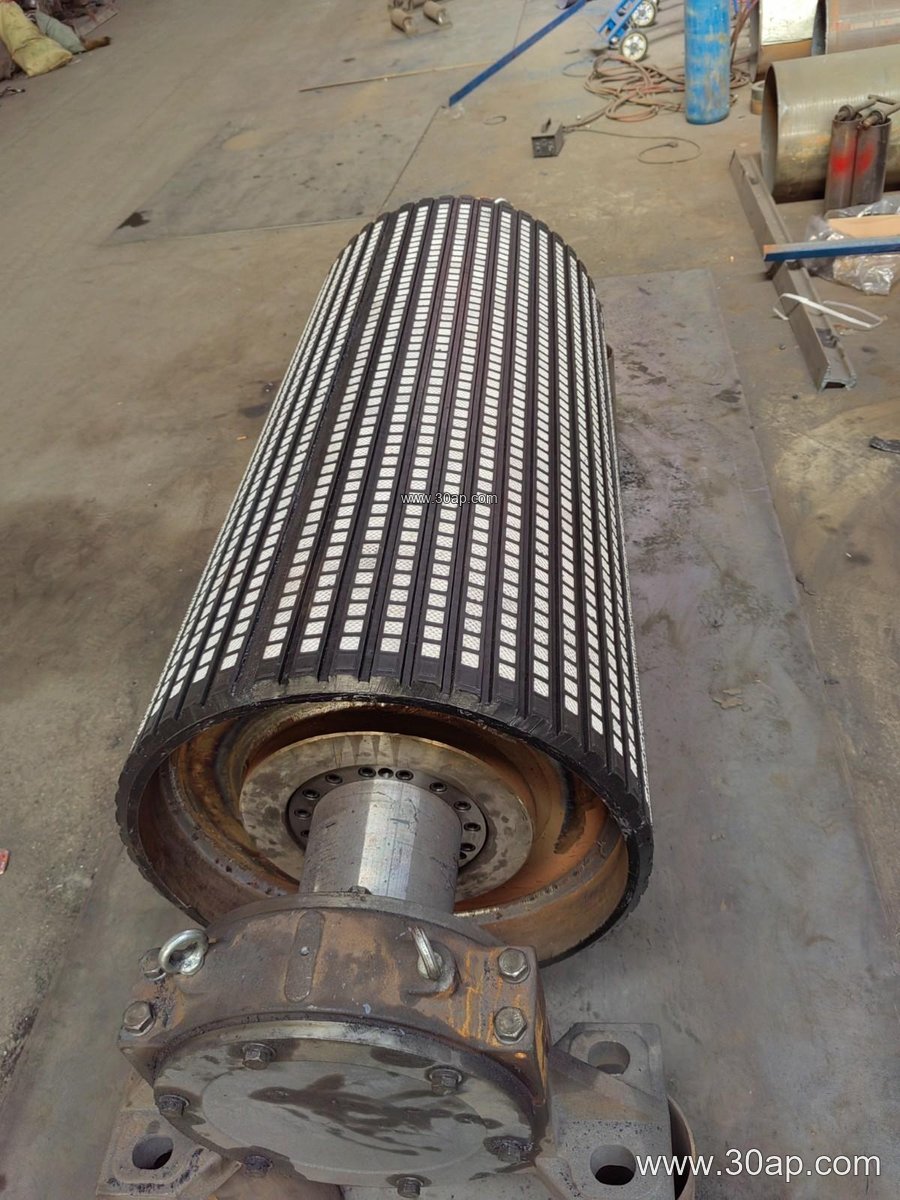
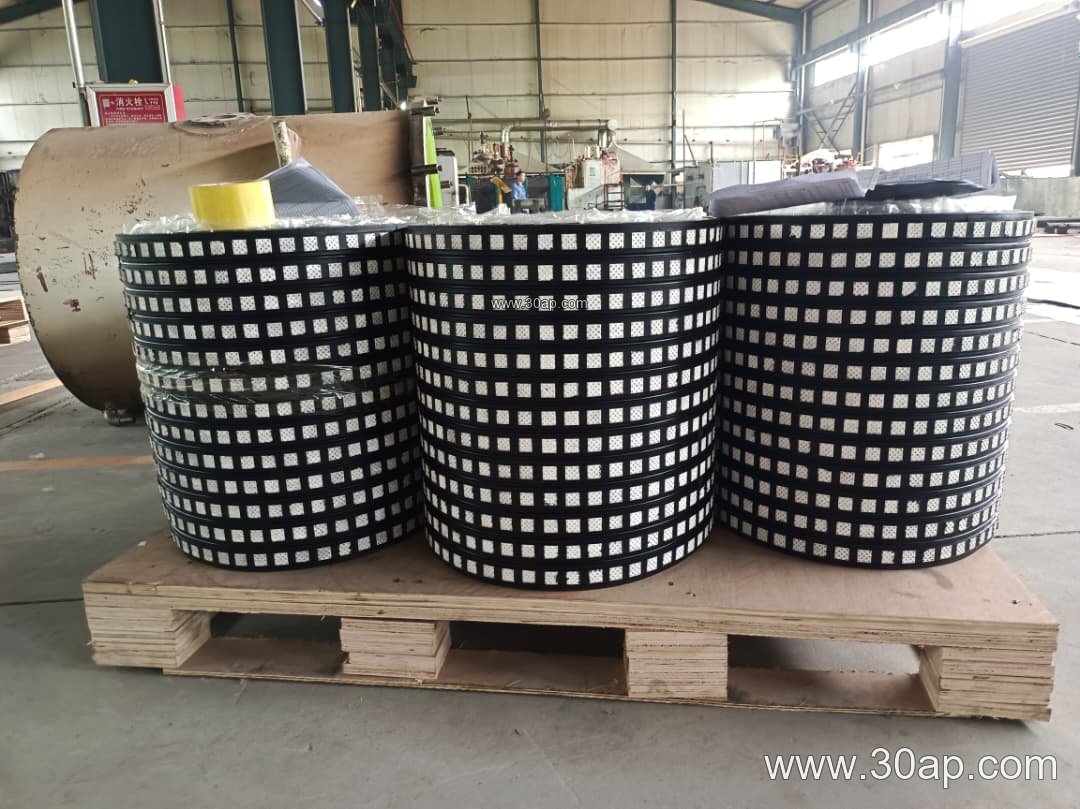
The surface is where most buyers focus. Plain shells are used where grip is not critical. Rubber lagging, applied by hot vulcanizing, cold bonding, or casting, raises friction and protects the shell. Diamond lagging helps shed water and fines, while ceramic lagging is chosen for high-abrasion duty in iron ore or aggregate service. Chevron lagging can improve traction on wet belts. Common lagging thicknesses include 8, 10, 12, 15, and 20 mm, selected according to load and slip risk.
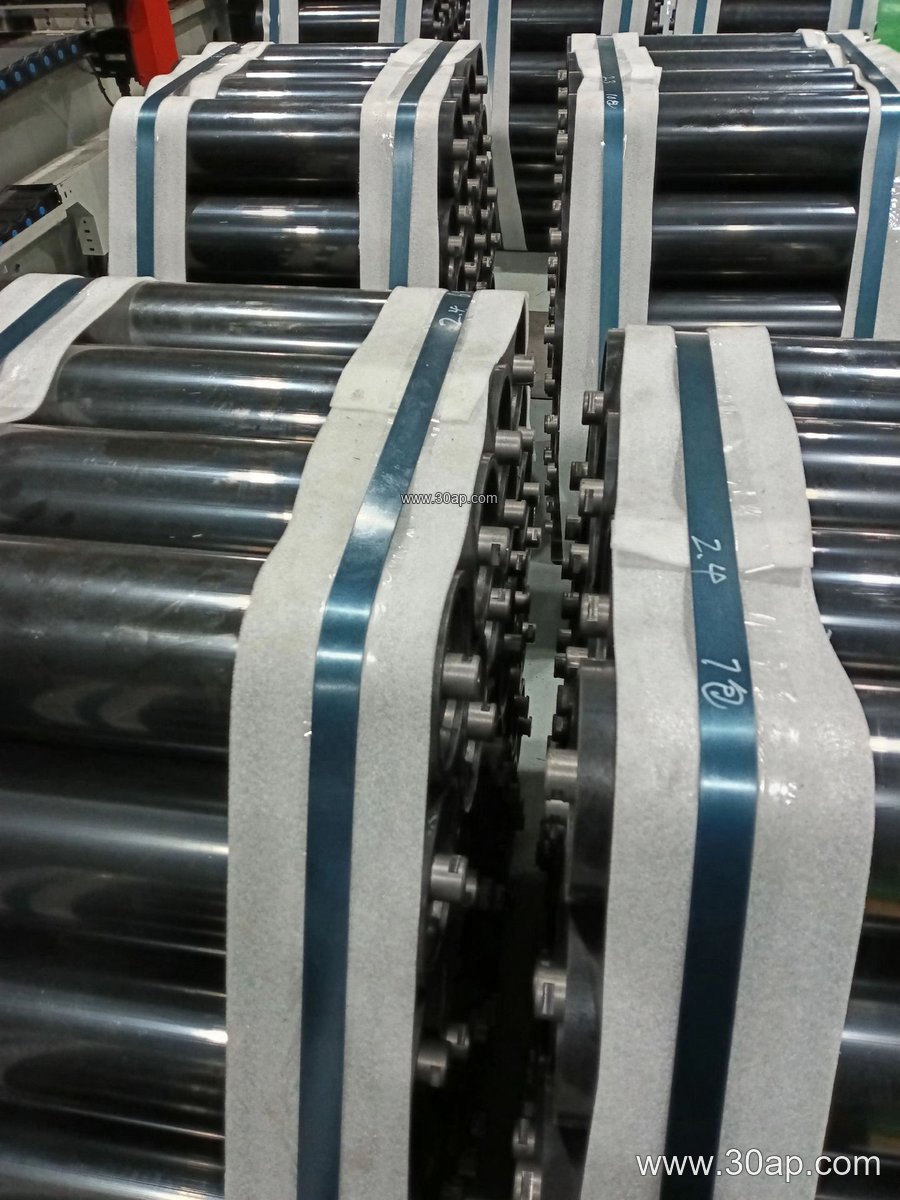
- Shell and end disc: welded steel, machined for balance
- Shaft: sized by torque and load, not by belt width alone
- Lagging: plain, rubber, diamond, chevron, or ceramic
- Bearings: housed in brackets on the head frame
Reference Dimensions
The values below are common reference points, not fixed rules. Final dimensions are confirmed by the conveyor design and the duty profile.
| Belt width | Typical pulley face width | Example diameter |
|---|---|---|
| B400 | about 500 mm | Ø250 to Ø400 |
| B650 | about 750 mm | Ø400 to Ø630 |
| B800 | about 950 mm | Ø500 to Ø800 |
| B1000 | about 1150 mm | Ø630 to Ø1000 |
| B1200 | about 1400 mm | Ø800 to Ø1000 |
| B1400 | about 1600 mm | Ø800 to Ø1250 |
| B1600 | about 1800 mm | Ø1000 to Ø1400 |
| B1800 | about 2000 mm | Ø1250 to Ø1600 |
Shaft diameters commonly fall in the Ø50 to Ø200 range, but the correct size depends on torque, radial load, and bearing selection. A B1200 × Ø1000 head drive pulley and a B800 × Ø500 unit can both be correct on different conveyors.
Where It Fits in the Plant
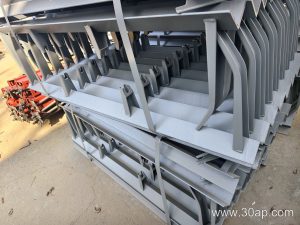
In a limestone quarry or a sand and aggregate line, the head drive pulley normally sits above the crusher feed or the transfer chute, so the belt discharges cleanly. In a cement plant it may handle clinker or raw meal on a long incline. In a coal yard or underground coal mining conveyor, flame retardant and anti-static belt grades are often specified alongside the pulley, and the lagging must suit wet, dusty conditions. The head drum also works with the conveyor belt, idler roller sets, and conveyor brackets to keep the line aligned and stable.
On a heavy-duty mining conveyor, the drive pulley may be paired with a Steel Cord Conveyor Belt or a thick EP Conveyor Belt, while a smaller plant might run a Fabric Core Conveyor Belt or a Multi-Ply Fabric Core Conveyor Belt. The belt grade and the pulley lagging should be chosen together, because traction and wear are shared between them.
Buyer Checklist
- Confirm belt width, belt type, and expected tension before sizing the drum.
- State the material, moisture, and temperature so the lagging compound suits the duty.
- Check shaft diameter against torque and bearing load, not against belt width alone.
- Ask how the lagging is applied and whether grooves or ceramic tiles are needed.
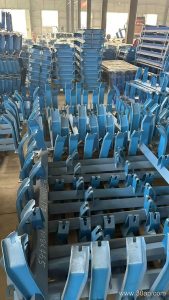
- Match mounting dimensions to the existing conveyor bracket and head frame.
- Plan inspection of lagging wear, bearing condition, and belt tracking at regular intervals.
For more conveyor components, see the pulley and drum pages at conveyoraccessories.com, and compare belt options such as abrasion resistant, heat resistant, and oil resistant grades before finalizing the drive end design.