What a 1400mm Conveyor Belt Is
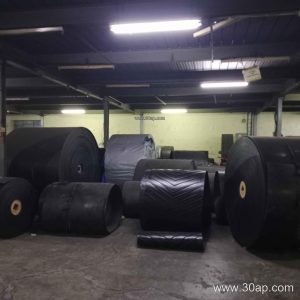
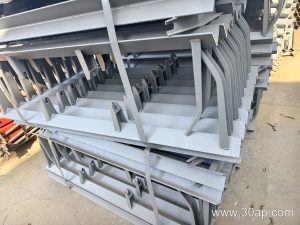
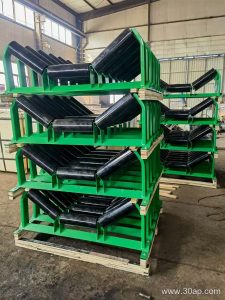
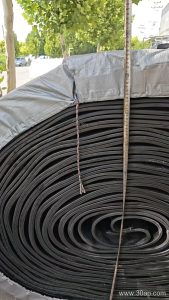
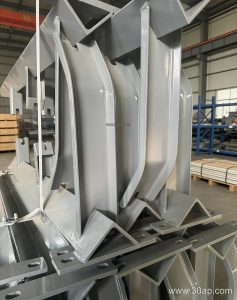
A 1400mm conveyor belt is a wide belt format used on bulk material handling systems where high capacity and stability matter. The 1400mm width, often written as B1400, sits between standard 1200mm and 1600mm belts, making it a practical choice for primary crushing circuits, stockyard conveyors and long overland lines in mining, cement, power and quarry operations. This belt is not a single product type; it is a width class that can be supplied in several constructions, including EP fabric core, NN nylon, steel cord and specialty covers. A 1400mm conveyor belt is typically paired with conveyor pulleys, idler rollers and conveyor brackets sized for the belt width and load, but the belt itself remains the core subject here.
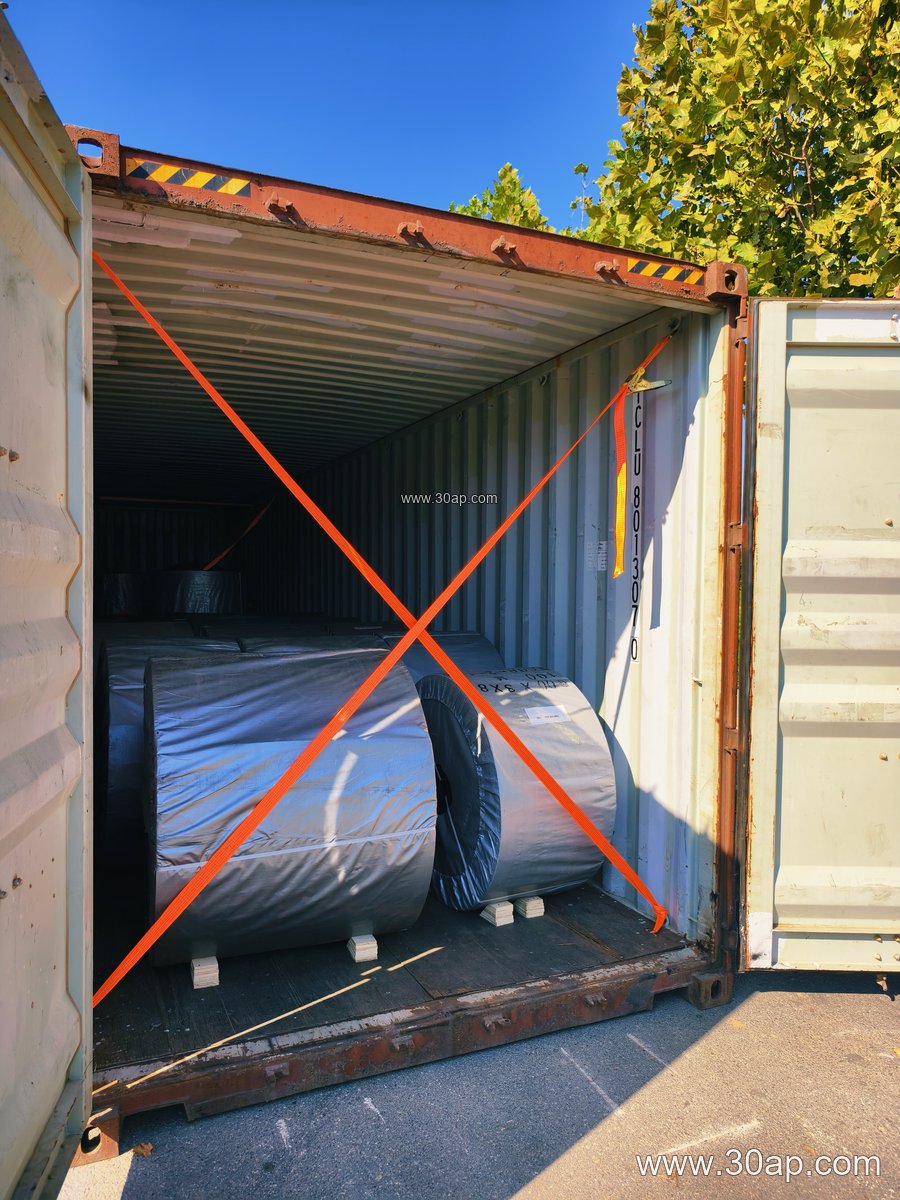
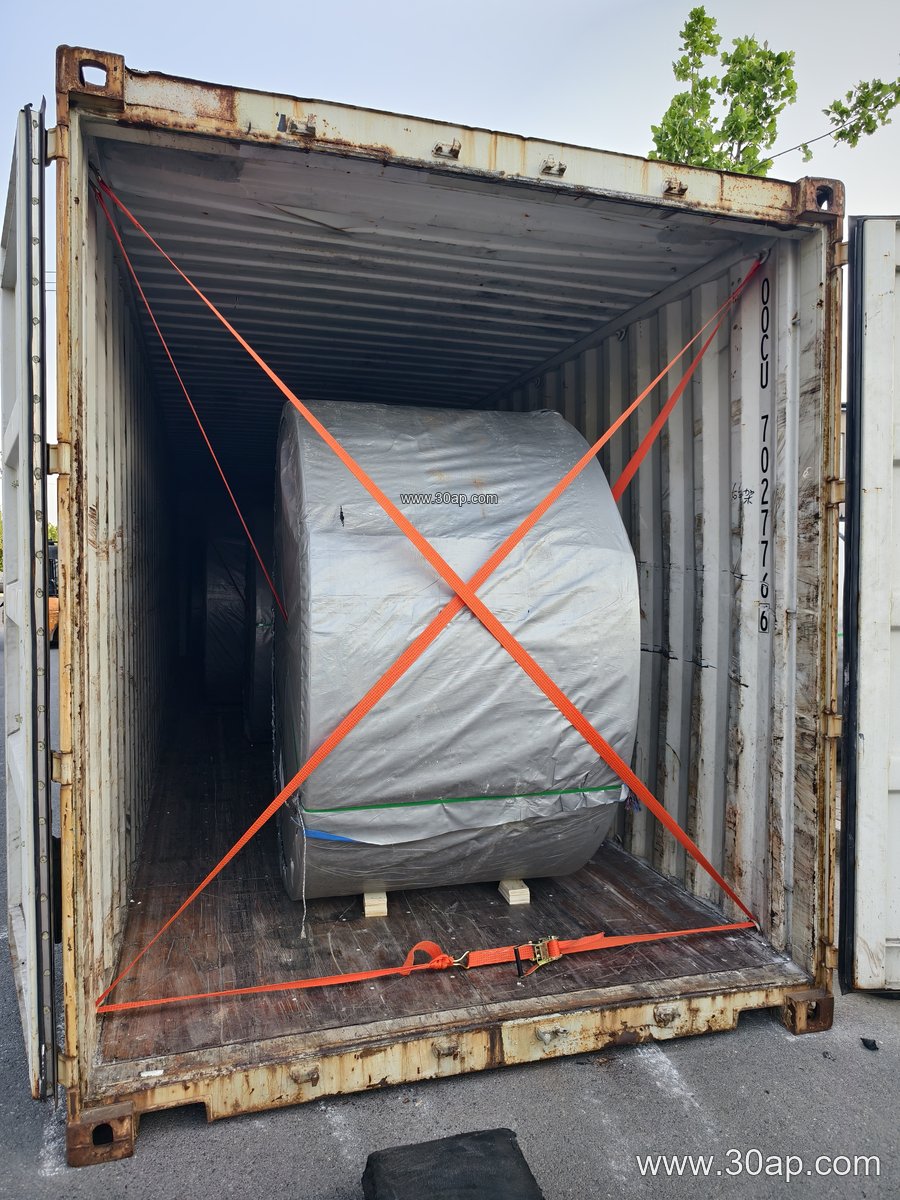
Construction and Common Specifications
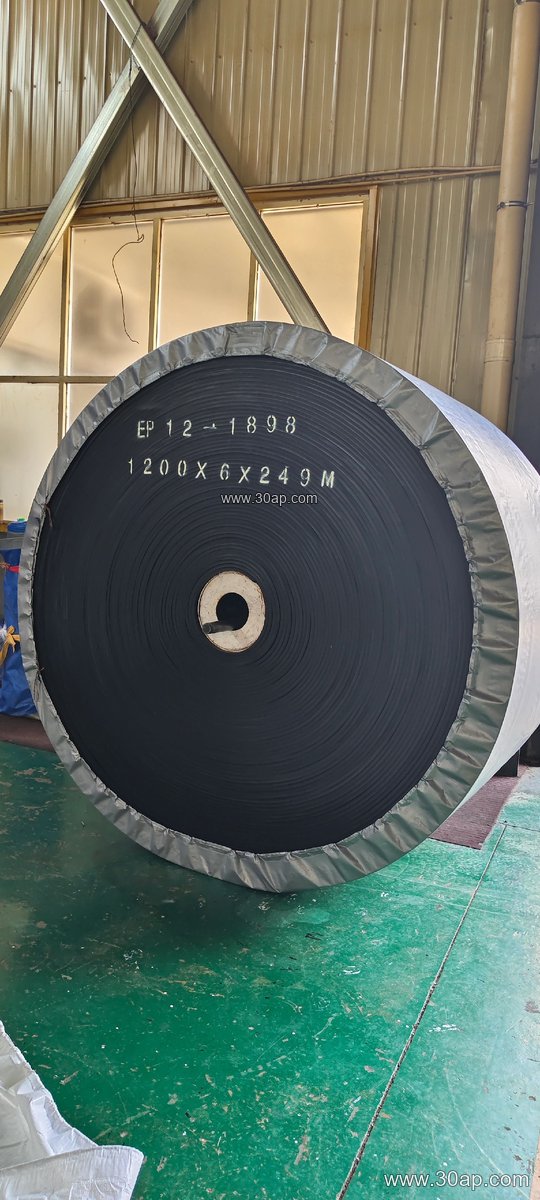
The build of a 1400mm wide conveyor belt depends on the duty. EP conveyor belts (EP100, EP200, EP315, EP400, EP500, EP630, EP800 and higher) use polyester warp and nylon weft fabric plies. NN conveyor belts use nylon both ways. Steel cord conveyor belts such as ST1000, ST1250, ST1600 and ST2000 are chosen for long centers and high tension. Cover rubber grades address abrasion, heat, oil, flame and cold. A typical heavy-duty 1400mm belt may have 4 to 6 fabric plies and covers like 6+2 mm or 8+3 mm, but these values are common references, not fixed rules. Belt thickness, ply count and cover grade are confirmed by the conveyor design.
| Parameter | Common Reference Range |
|---|---|
| Belt width | 1400 mm (B1400) |
| Fabric core types | EP100 to EP2000; NN100 to NN400 |
| Steel cord strengths | ST1000 to ST3150 |
| Cover thickness (top + bottom) | 4+2, 5+2, 6+2, 8+3 mm |
| Ply count | 2 to 6 layers, depending on tension |
Where It Fits in the Plant
In a mine or quarry, a 1400mm conveyor belt often carries run-of-mine rock from a crusher to a transfer point or stockpile. In coal mining, flame retardant and anti-static grades are common for underground and surface lines. Cement plants use abrasion resistant and heat resistant belts for clinker and raw meal. Power plants rely on heavy-duty belts for coal handling. The same width can appear as a pipe conveyor belt, a chevron conveyor belt or a corrugated sidewall belt when the route needs special handling, but those are different belt forms and should be specified separately. A 1400mm belt also works with conveyor pulleys, idler rollers and conveyor brackets selected for the load, and the pulley diameter is set by belt tension and carcass type, not by width alone.
Buyer Checklist
- Confirm the material, lump size, temperature and presence of oil or chemicals.
- Match the carcass to the calculated tension: EP or NN for moderate duty, steel cord for long and high-tension routes.
- Select cover grade for abrasion, heat, flame or cold, and consider an abrasion resistant conveyor belt for sharp rock.
- Check belt thickness and ply count against pulley diameters and transition distances.
- Review splicing method and whether an endless conveyor belt is required.
- Verify compatibility with idler roller spacing, conveyor pulley dimensions and conveyor bracket layout.
Maintenance and Selection Notes
Inspect a 1400mm conveyor belt for edge wear, cover gouges and splice fatigue. Keep idler rollers turning freely and check that conveyor pulleys are aligned. For coal or underground work, use flame retardant and anti-static grades where the risk assessment calls for them. For hot clinker or sinter, a heat resistant belt with suitable cover compound is preferred. Buyers should ask for the actual belt data sheet, since strength class, cover thickness and ply count vary by manufacturer. A 1400mm width is not mandatory for every line; it should be chosen from the required capacity, belt speed and material characteristics.