What a 1200mm Conveyor Belt Is
A 1200mm conveyor belt is a wide belting product with a nominal belt width of 1200 millimeters, often written as B1200. It sits in the mid-to-wide range of standard belt widths, above 1000mm and below 1400mm and 1600mm, and it is a common choice where a single conveyor line must move a high volume of bulk material without making the structure excessively wide. In practice, a 1200mm wide conveyor belt is used on both surface and underground systems, and the same width can be supplied in several constructions depending on the duty.
The width alone does not define the belt. Buyers should treat 1200mm as the dimensional starting point, then confirm carcass type, strength grade, cover compound and thickness against the actual conveyor design. A 1200mm conveyor belt for a quarry transfer point and one for a coal mining conveyor may share the same width but differ greatly in construction.
Construction and Common Constructions
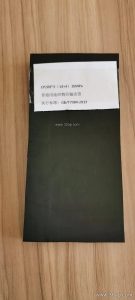
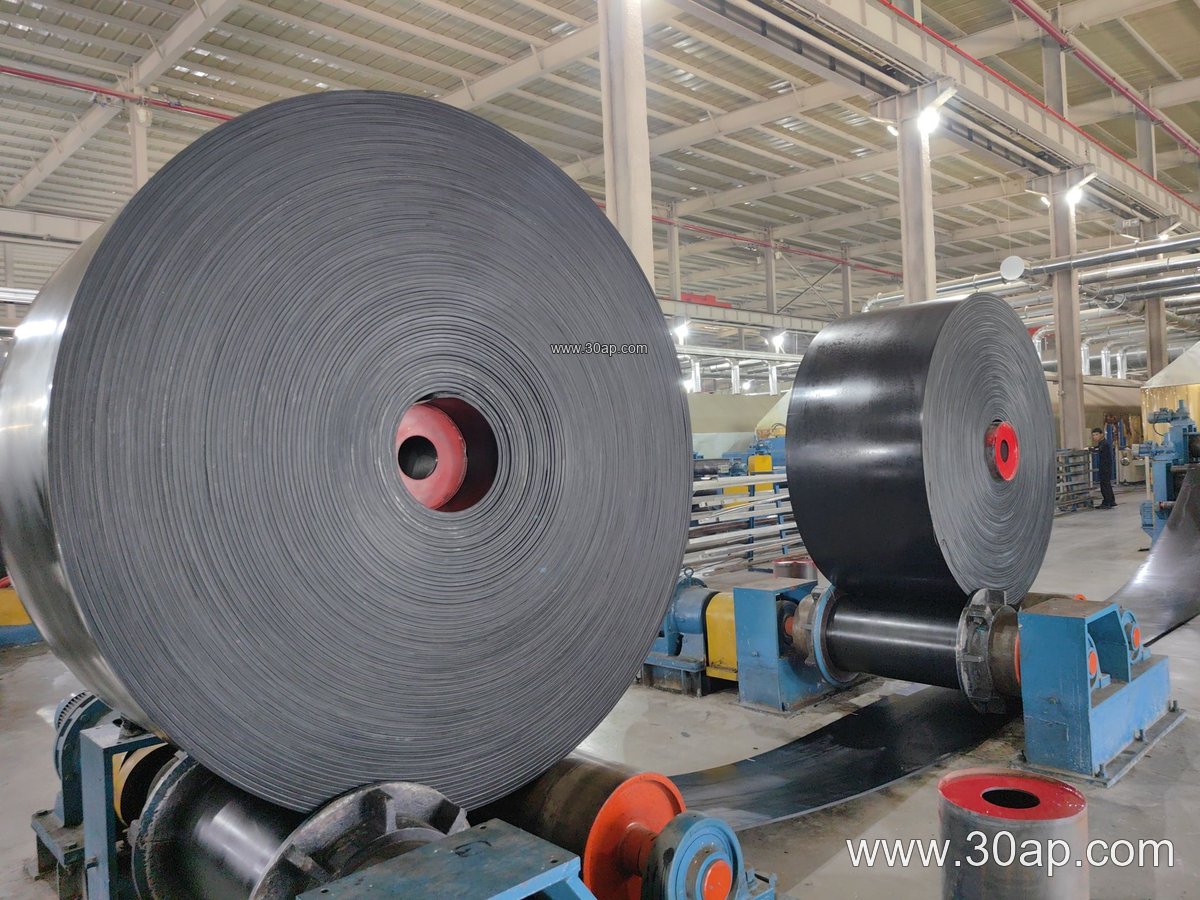
Most belts at this width are built from a fabric carcass or a steel cord carcass, protected by rubber covers on the carrying and pulley sides. Fabric constructions include EP conveyor belt (polyester warp, nylon weft) and NN conveyor belt (nylon warp and weft). Multi-ply fabric core conveyor belt designs are common, with two to six plies typically used depending on the required tension rating. Steel cord conveyor belt is chosen for long distances and high tension, while PVC and PVG belts appear in underground coal applications where flame resistance is required.
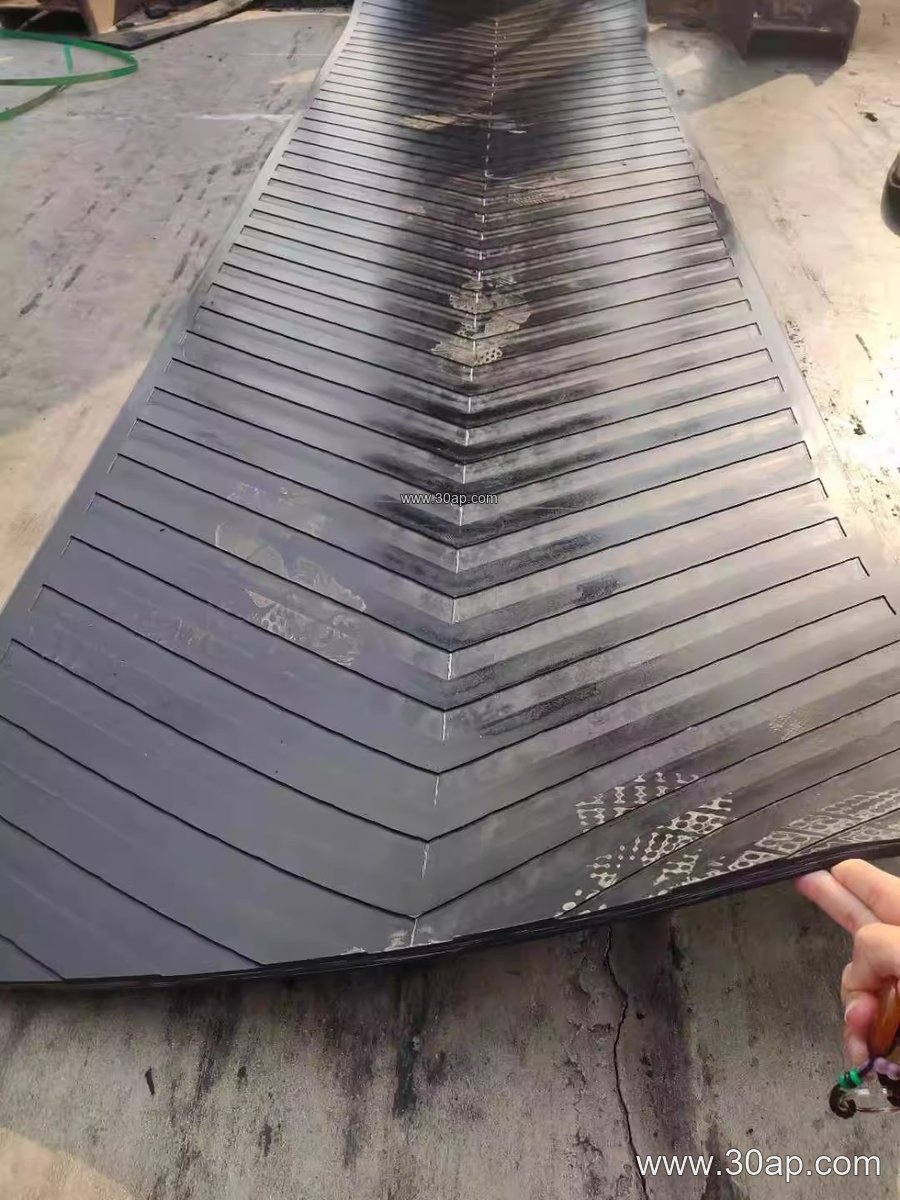
The cover compound is selected for the cargo and the environment. Abrasion resistant conveyor belt grades suit crushed stone, sand and ore; heat resistant conveyor belt grades suit cement clinker and sinter; oil resistant conveyor belt grades suit grain and some recycled materials; flame retardant conveyor belt and anti-static conveyor belt grades are specified for coal mining conveyor systems. Chevron conveyor belt, skirted conveyor belt and corrugated sidewall conveyor belt versions are used on inclines or where material containment matters.
Indicative Reference Data
The values below are common reference ranges, not a fixed specification. Actual values are confirmed by the belt manufacturer and by conveyor design.
| Parameter | Common reference values |
|---|---|
| Belt width | B1200 (1200mm) |
| Fabric strength grades | EP200, EP315, EP400, EP500, EP630, EP800, EP1000, EP1250 |
| Steel cord grades | ST1000, ST1250, ST1600, ST2000 |
| Cover thickness | 4+2mm, 5+2mm, 6+2mm, 8+3mm |
| Carcass plies | 2 to 6 plies, by design |
Where the Width Fits in a Plant
In a sand and gravel plant, a 1200mm conveyor belt often appears on the main feed or discharge line after primary crushing, where throughput is high and the belt must tolerate sharp rock. In a cement plant it may carry limestone, clinker or additive material, and the cover grade changes with temperature and dust. In a power plant, coal conveyor lines at this width move fuel from stockpile to bunker. In iron ore, copper ore and gold mining operations, ore conveyor belt duty usually calls for heavy-duty conveyor belt construction with impact resistant conveyor belt covers at transfer points.
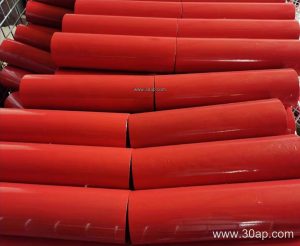
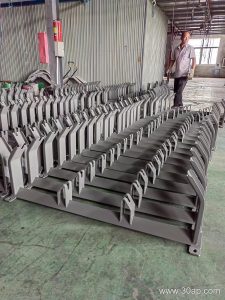
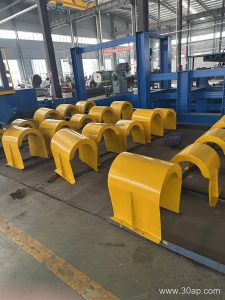
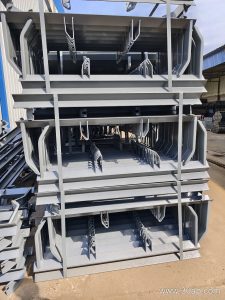
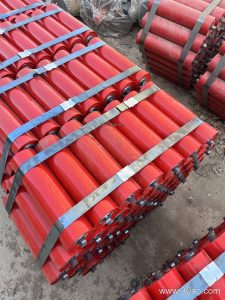
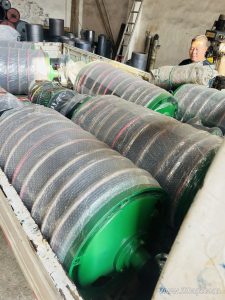
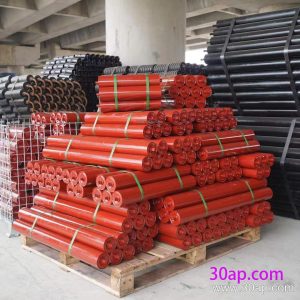
Port and ship loading conveyors also use this width when a single stream must handle a large tonnage. Aggregate conveyor belt and crusher conveyor belt circuits frequently pair the 1200mm width with impact idler roller stations under the loading zone, a conveyor pulley at the drive and tail positions, and a sturdy conveyor bracket set. Note that drive pulley, tail pulley and bend pulley are separate components with separate duties and are not interchangeable. The belt width does not fix pulley diameter or shaft size; those are determined by the conveyor designer from tension, wrap angle and shaft loading.
Selection and Maintenance Notes
- Define the material first: lump size, moisture, temperature, oil content and abrasiveness.
- Confirm the required strength grade and safety factor rather than choosing by width alone.
- Match the cover thickness to wear life and impact severity at transfer points.
- For underground coal work, verify flame retardant conveyor belt and anti-static properties with the supplier.
- Check that the idler roller trough angle, spacing and pulley diameters suit the belt stiffness.
- Keep the belt tracking straight; misalignment accelerates edge wear on a wide belt.
Maintenance should include inspection of cover wear, splice condition, edge damage and material build-up on the return side. A 1200mm belt carries more material per meter than narrower widths, so a small tracking fault can cause larger spillage and faster edge damage. Splicing method, storage conditions and installation tension all affect service life.
Buyer Checklist
Ask for the carcass type, strength grade, number of plies or cord pitch, cover thickness, cover compound class and applicable quality documents. State the conveyor length, lift, capacity and material data so the supplier can recommend a construction rather than only a width. A well-matched 1200mm conveyor belt should fit the pulley and idler layout, handle the duty without excess stretch, and remain serviceable through the planned maintenance cycle.