What a Heavy-Duty Conveyor Idler Does on the Line
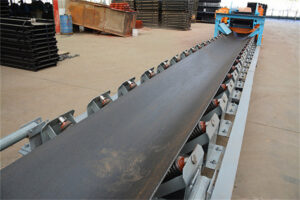
A heavy-duty conveyor idler is the rotating support that carries the loaded conveyor belt along the length of a conveyor. In quarries and aggregate plants, the belt may be moving crushed rock at high tonnage, so the idler roller has to hold its shape, keep turning freely and resist dust and grit. The main job sounds simple: reduce friction under the belt and keep the belt in a stable trough. In practice, the idler is one of the hardest-working parts of the whole conveyor.
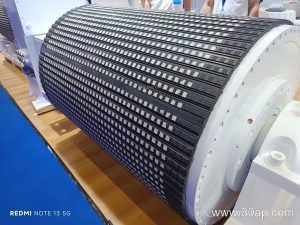
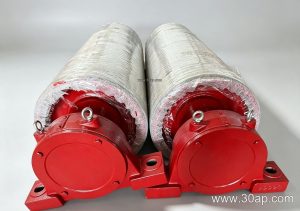
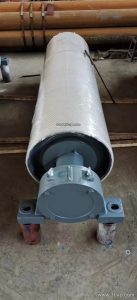
This article looks at the heavy-duty conveyor idler as a product, how it is built, where it fits, and what a buyer should check before ordering. A heavy-duty idler roller is not the same thing as a conveyor pulley. Drive pulleys, tail pulleys and bend pulleys transmit or redirect belt tension at the ends and bends of the conveyor, while idlers support the belt between those points.
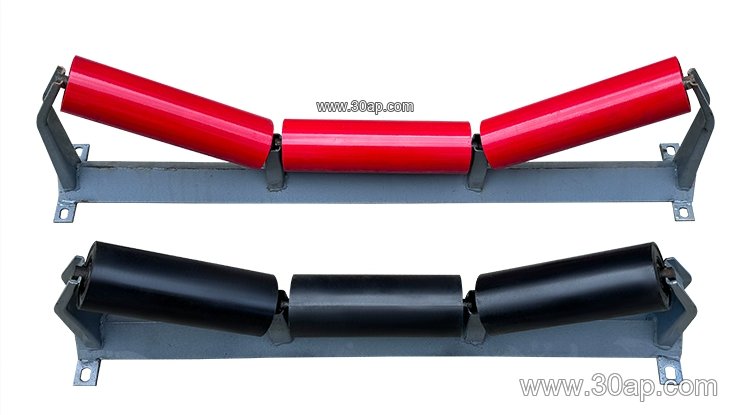
Construction and Surface Options
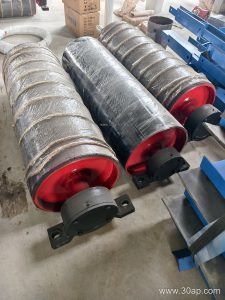
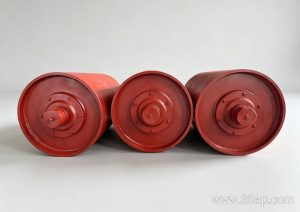
A heavy-duty conveyor idler usually combines a thick steel tube shell, welded bearing housings, a shaft, and sealed bearings. The seal arrangement matters as much as the tube wall thickness, because fine dust from a crusher or a cement plant can destroy an ordinary bearing in a short time. Common bearing sizes for this class of idler include 6205, 6305, 6306, 6308 and 6310, but the bearing must be matched to the load and the shaft design rather than picked by belt width alone.
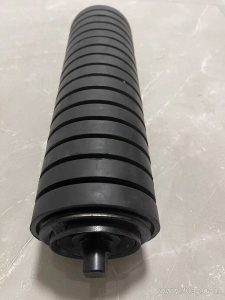
The roller surface can be a plain steel tube, nylon, ceramic or a rubber ring. Rubber-ring impact idlers are often used at transfer points under a crusher, where the belt receives falling lumps. Ceramic or nylon surfaces may be chosen where sticking material or wear is a concern. The idler is mounted in a conveyor bracket or frame, and the bracket type should match the idler series so the roll sits at the correct height and angle.
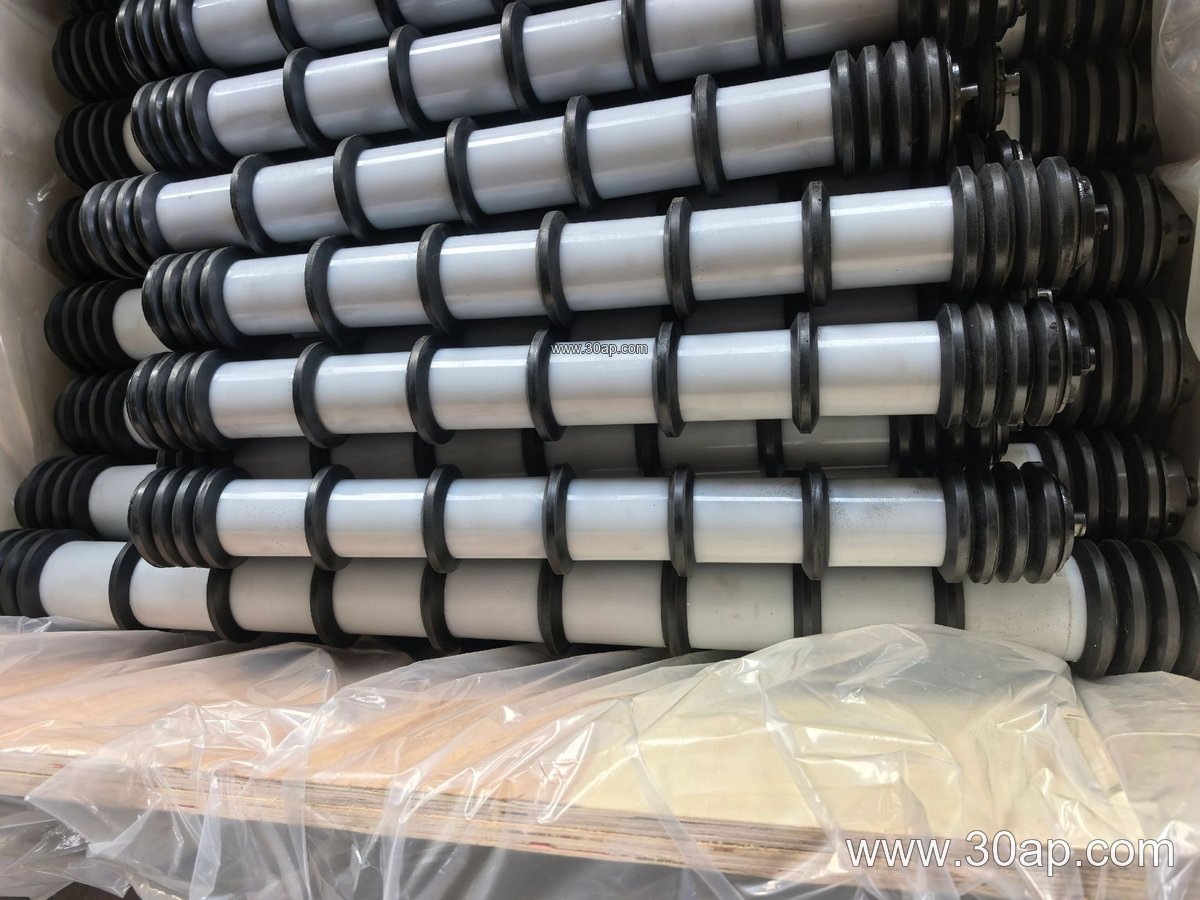
Common Idler Forms in Heavy Service
Troughing idlers are normally arranged in two-part or three-part sets, with trough angles commonly around 20, 30, 35 or 45 degrees. A three-part troughing set is typical on a wide belt carrying bulk material. Transition idlers are placed near the head and tail to ease the belt from flat to troughed. Return idlers support the empty belt on the lower run, and V-return or flat return forms are common choices.
Self-aligning idlers, including friction and tapered types, help correct belt drift on long conveyors. Spiral idlers can reduce build-up on the return side. These are different idler types serving different duties, not interchangeable replacements for the heavy-duty troughing idler that carries the main load.
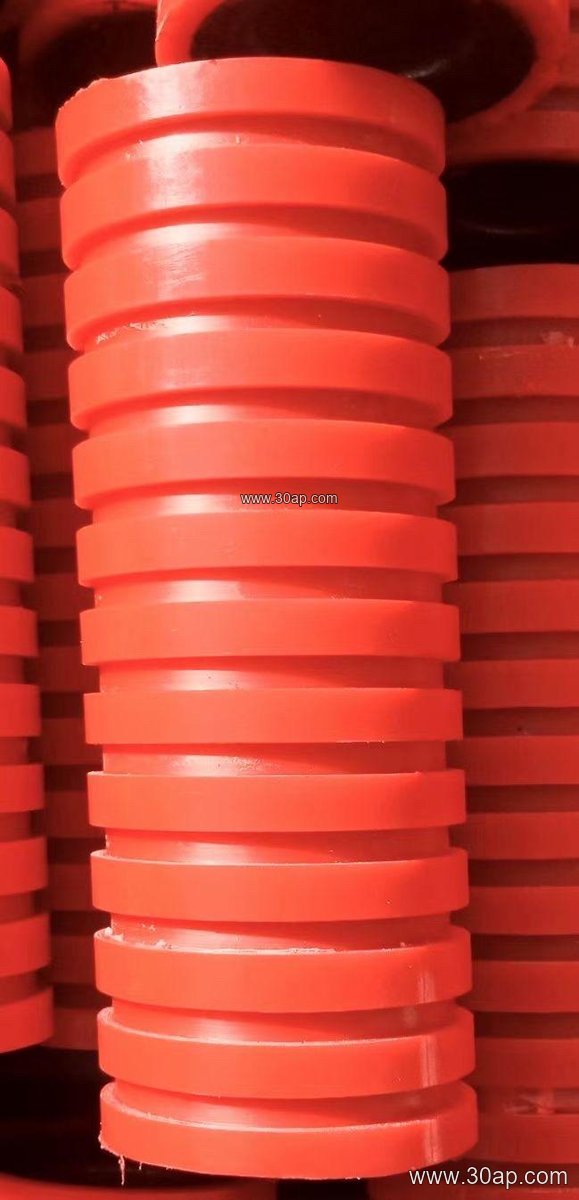
Where Heavy-Duty Idlers Are Used
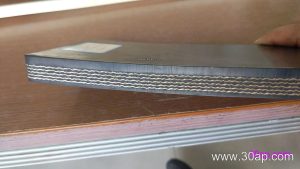
Heavy-duty conveyor idlers appear in limestone and iron ore operations, coal washing plants, cement plants, power plant coal handling, steel plants and port bulk terminals. In a sand and gravel line, they sit under a crusher conveyor belt that receives abrasive aggregate. In a cement plant, they may run under a heat resistant conveyor belt carrying clinker, where the idler must tolerate warmth as well as dust. The belt itself may be an EP conveyor belt, an NN conveyor belt, a steel cord conveyor belt or a flame retardant conveyor belt for underground coal mining; the idler selection should follow the belt width, load and environment, not the belt brand name.
Matching Roller Diameter and Belt Width
Roller diameter is usually chosen from the load, belt speed and space available. Common diameters include 89, 102, 108, 127, 133, 159 and 178 mm, with larger sizes used where the load is high. Belt widths range from B500 up to B2400, and the idler length changes with belt width, trough angle and the number of rolls in the set. A three-part troughing set might use a roll length near 250 mm at B650 or near 465 mm at B1200, but these are common examples, not fixed rules. Side rolls and centre rolls can differ, and one belt width can work with more than one pulley or idler diameter.
| Parameter | Typical Range or Example | Note |
|---|---|---|
| Roller diameter | 89, 108, 133, 159 mm | Selected by load and design |
| Belt width | B650 to B1800 | Wider belts need longer rolls |
| Trough angle | 20, 30, 35, 45 degrees | Affects material containment |
| Bearing | 6205, 6306, 6308, 6310 | Match to shaft and load |
| Surface | Steel, nylon, ceramic, rubber ring | Rubber ring for impact zones |
Buyer Checklist
- Confirm the belt width and the trough angle before ordering idler sets.
- State the material, lump size and whether the idler sits at a transfer point.
- Check the seal and bearing arrangement for dust, water or heat exposure.
- Keep the idler series and conveyor bracket compatible so the roll height is correct.
- Ask for roller diameter and shaft details rather than assuming them from belt width.
For a heavy-duty conveyor idler, the best result comes from matching the roll to the actual duty. A quarry conveyor belt and a cement plant conveyor belt may look similar, but the idler seals, surface and bearing class should reflect what the line really carries. Buyers comparing an abrasion resistant conveyor belt with a heat resistant conveyor belt should also confirm that the idlers suit the same environment.