What a Rust-Resistant Idler Is and Why It Matters
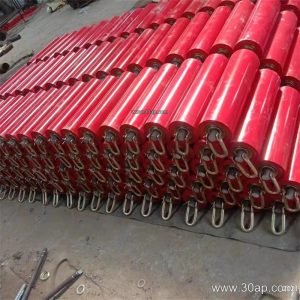
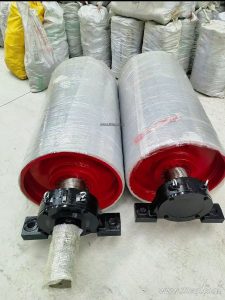
A rust-resistant idler is a conveyor roller built to resist corrosion in wet, humid, or chemically exposed environments. Unlike a standard idler roller that may use painted carbon steel, this type typically employs stainless steel, galvanized steel, or specialized coatings on the shell, shaft, and bearing housing. In industries such as coal mining, cement plants, power plant coal handling, and port bulk terminals, moisture and corrosive dust quickly attack ordinary rollers. A rust-resistant idler keeps the conveyor belt running smoothly by preventing shell pitting, shaft seizure, and bearing contamination. While a conveyor pulley drives or redirects the belt, the idler simply supports it—yet its reliability directly affects belt life and energy consumption.
Construction and Materials
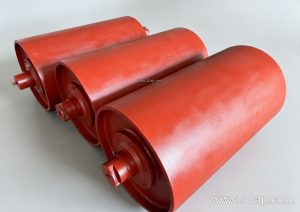
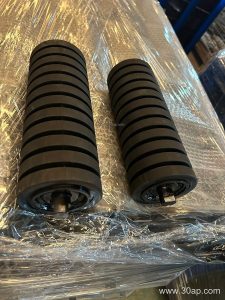
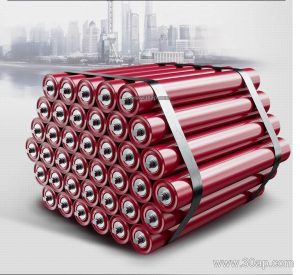
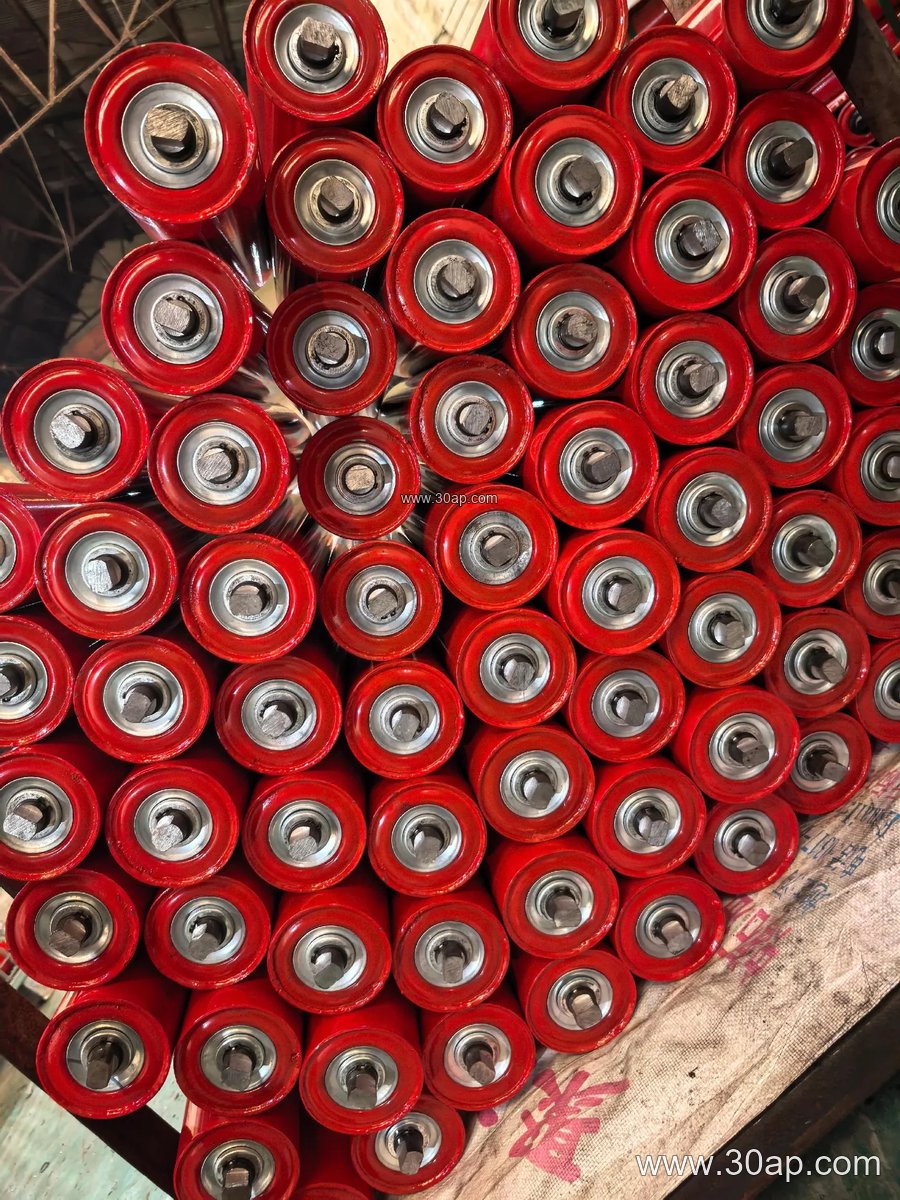
The corrosion resistance starts with the roller shell. Common options include stainless steel (304 or 316 grade) for severe chemical exposure, hot-dip galvanized steel for general outdoor use, and polymer or ceramic coatings for abrasive and wet conditions. The shaft is often stainless or zinc-plated, and the bearing housing uses sealed, rust-inhibiting lubricant. Bearing sizes like 6204, 6205, 6305, and 6306 are frequently paired with shell diameters such as Ø89, Ø108, Ø133, and Ø159 mm. The roller surface may be plain steel, nylon, rubber rings, or ceramic tiles—each chosen for the specific wear pattern. A rust-resistant idler does not replace a drive pulley or tail pulley; it works alongside them to keep the belt aligned and supported.
Where Rust-Resistant Idlers Are Used
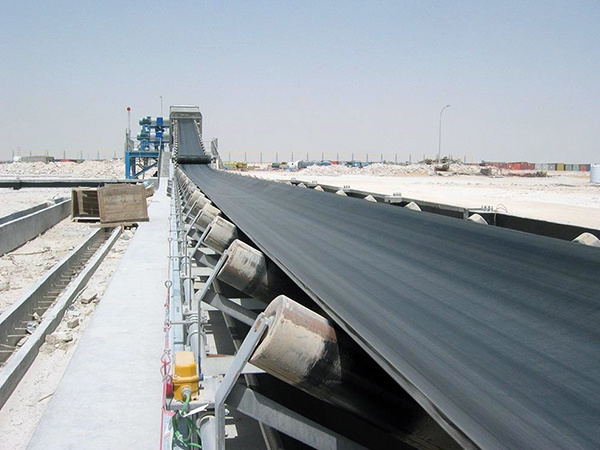
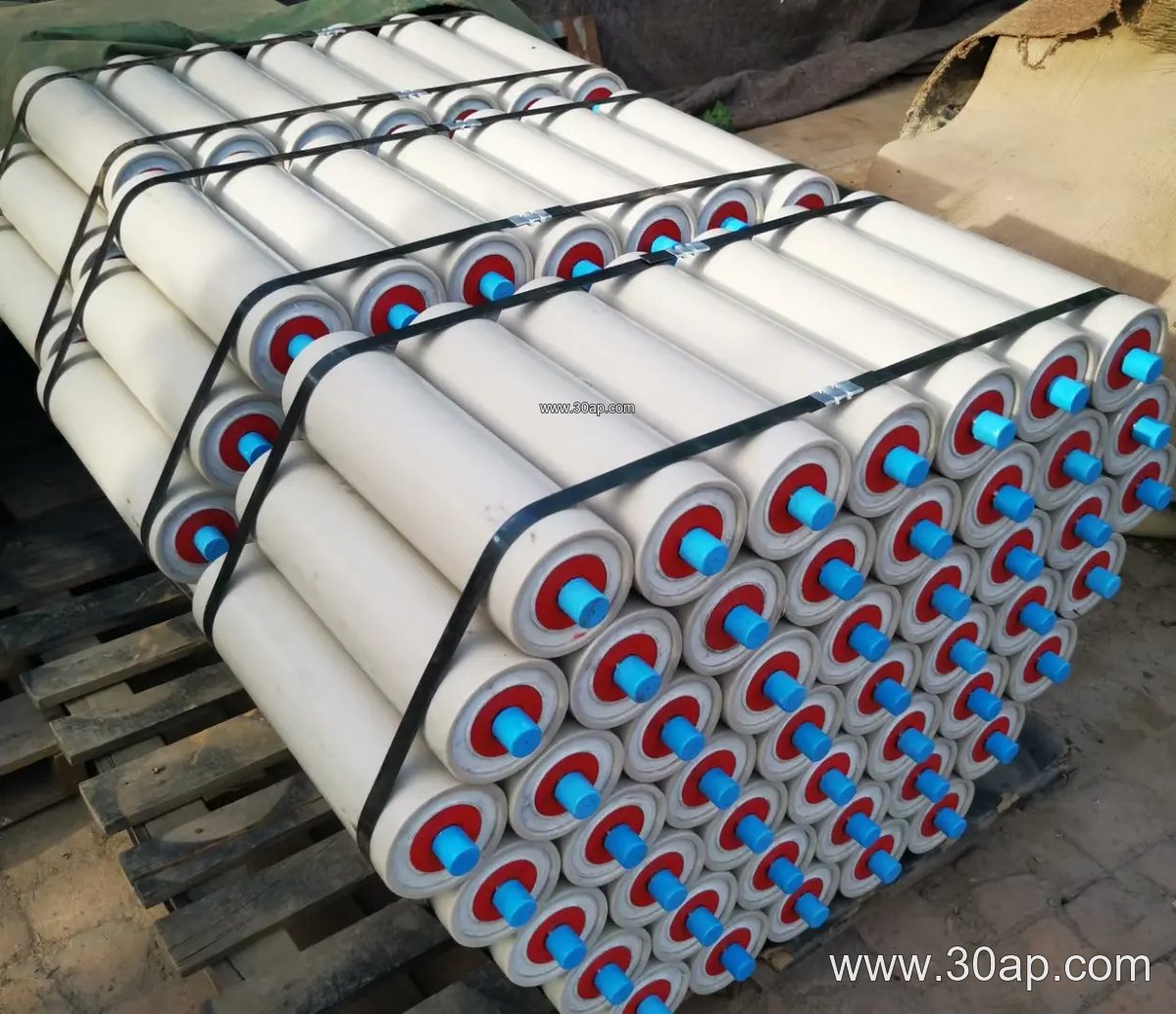
These idlers shine in applications where moisture is unavoidable. In a coal mining conveyor system, wash-down water and acidic drainage attack standard rollers, while rust-resistant idlers last longer. In a cement plant, alkaline dust combined with humidity can corrode mild steel; here, galvanized or stainless idlers on the return side reduce maintenance. Port facilities handling bulk materials like iron ore or copper ore face salt-laden air, making rust-resistant return rollers a smart choice. Power plants burning coal or biomass also benefit, especially in outdoor stockpile conveyors. For material comparison, a rubber conveyor belt may handle abrasive stone, but the idlers beneath it must resist both abrasion and corrosion. A chevron conveyor belt or corrugated sidewall conveyor belt may be used on steep inclines, but the idler selection remains focused on load support and corrosion protection.
Key Parameters and Selection Guide
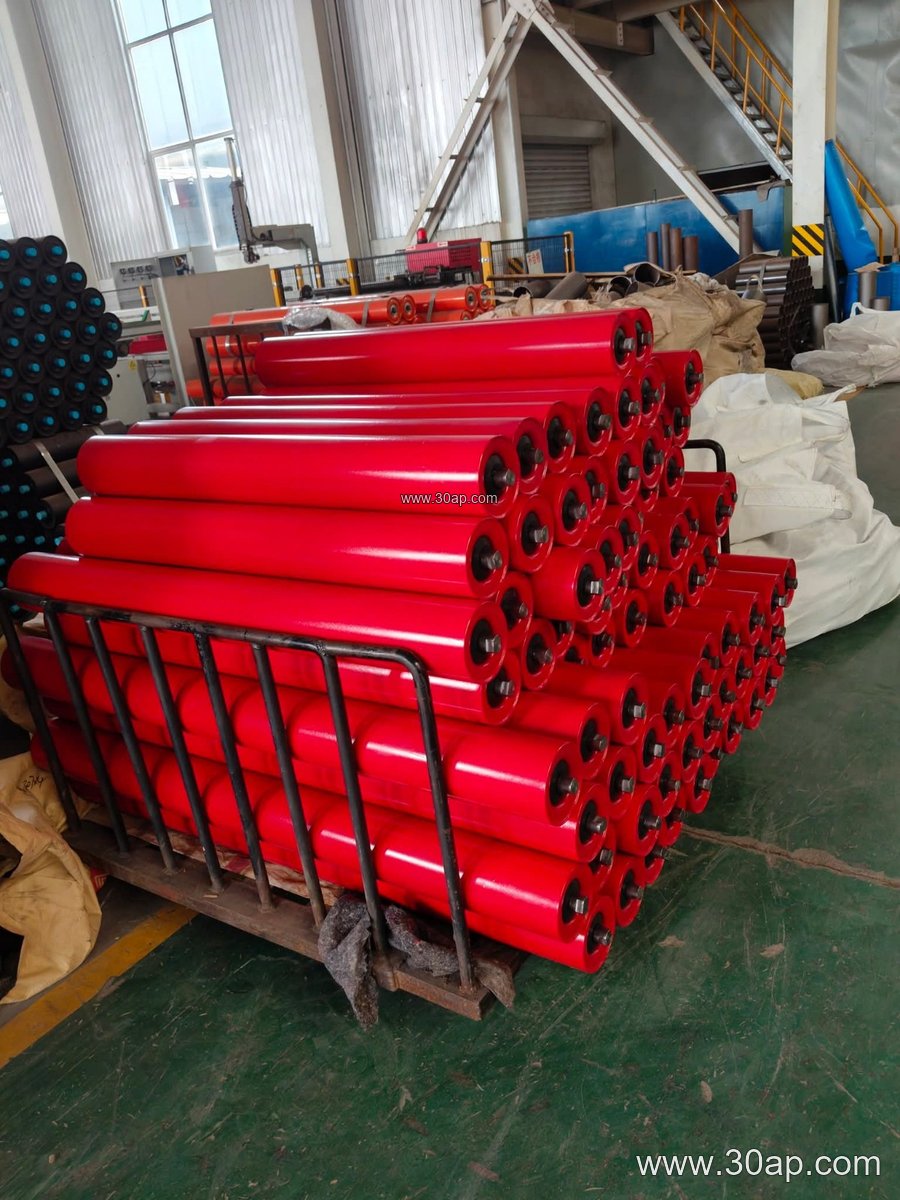
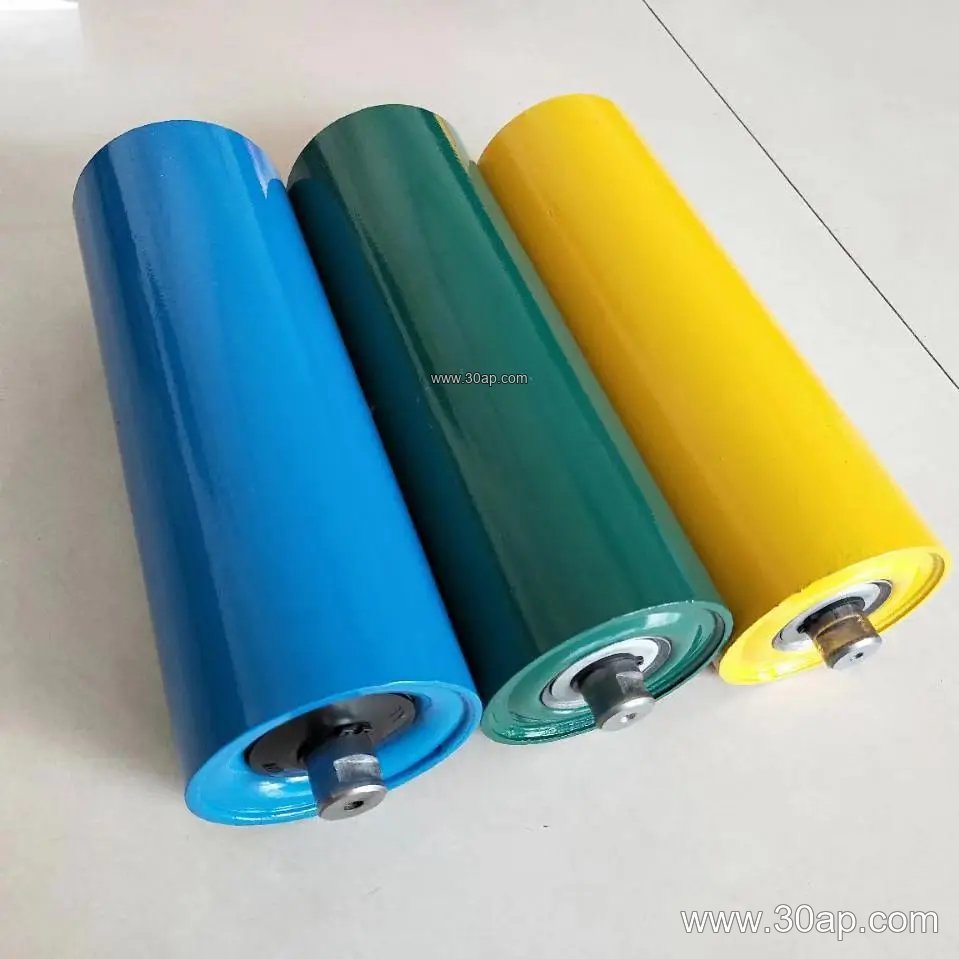
Choosing the right rust-resistant idler involves matching roller diameter, belt width, and trough angle. The table below shows common examples—these are reference values, not fixed combinations. Always confirm with your conveyor design.
| Parameter | Common Options / Examples |
|---|---|
| Idler type | Troughing, return, impact, training, spiral |
| Roller diameter (mm) | Ø63, Ø76, Ø89, Ø102, Ø108, Ø127, Ø133, Ø159, Ø178, Ø194, Ø219 |
| Belt width (mm) | B400, B500, B650, B800, B1000, B1200, B1400, B1600, B1800, B2000, B2200, B2400 |
| Trough angle | 20°, 30°, 35°, 45° (forward tilt about 1.5°–2° for training idlers) |
| Roller surface | Steel, nylon, ceramic, rubber rings |
| Bearing number | 6204, 6205, 6305, 6306, 6308, 6310 |
For a three-roll troughing set, common roller lengths (approximately) are: B500 – 200 mm, B650 – 250 mm, B800 – 315 mm, B1000 – 380 mm, B1200 – 465 mm, B1400 – 530 mm, B1600 – 600 mm, B1800 – 670 mm, B2000 – 750 mm. Side rollers may differ. A rust-resistant idler with a larger diameter generally handles higher belt speeds and heavier loads, but always check the load rating. The conveyor bracket must also be compatible with the idler’s shaft ends.
Buyer Checklist for Rust-Resistant Idlers
- Environment: Identify moisture, salt, acid, or alkaline exposure to choose between stainless, galvanized, or coated steel.
- Belt width and trough angle: Ensure the idler set matches your belt width and desired trough angle—do not assume one size fits all.
- Sealing: Look for labyrinth seals or contact seals that keep water and dust out of the bearing.
- Roller surface: For sticky material, nylon or rubber rings may reduce buildup; for abrasive ore, ceramic may be better.
- Compatibility: Confirm shaft diameter and bracket mounting with your conveyor frame. A rust-resistant idler should integrate without modification.
Regular inspection of idlers—checking for shell wear, bearing noise, and free rotation—extends the life of your conveyor belt. In dusty or wet plants, rust-resistant idlers reduce downtime and protect the belt from misalignment caused by seized rollers. Whether you operate a quarry conveyor, a cement plant, or a coal handling system, selecting the right rust-resistant idler is a practical investment in conveyor reliability. For related equipment such as conveyor pulleys and brackets, work with a supplier who understands your specific material and environment.