What a Large-Diameter Conveyor Pulley Is
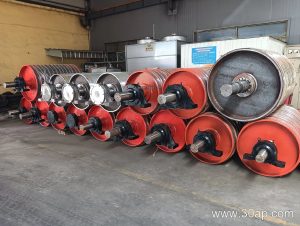
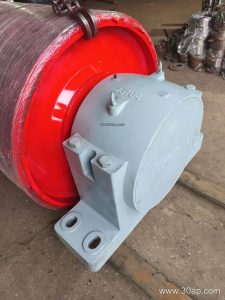
A large-diameter conveyor pulley is a robust cylindrical component used to drive, tension, or redirect the conveyor belt in bulk material handling systems. Unlike standard pulleys, these units feature a larger shell diameter relative to the belt width, which reduces belt bending stress, improves traction, and extends the service life of both the belt and the pulley bearings. In quarry and aggregate operations, a large-diameter conveyor pulley is often specified at the head drive position where high torque and continuous operation demand a durable, low-maintenance solution.
Construction and Key Components
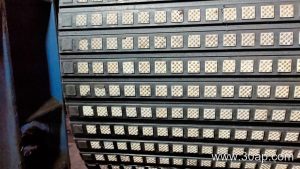
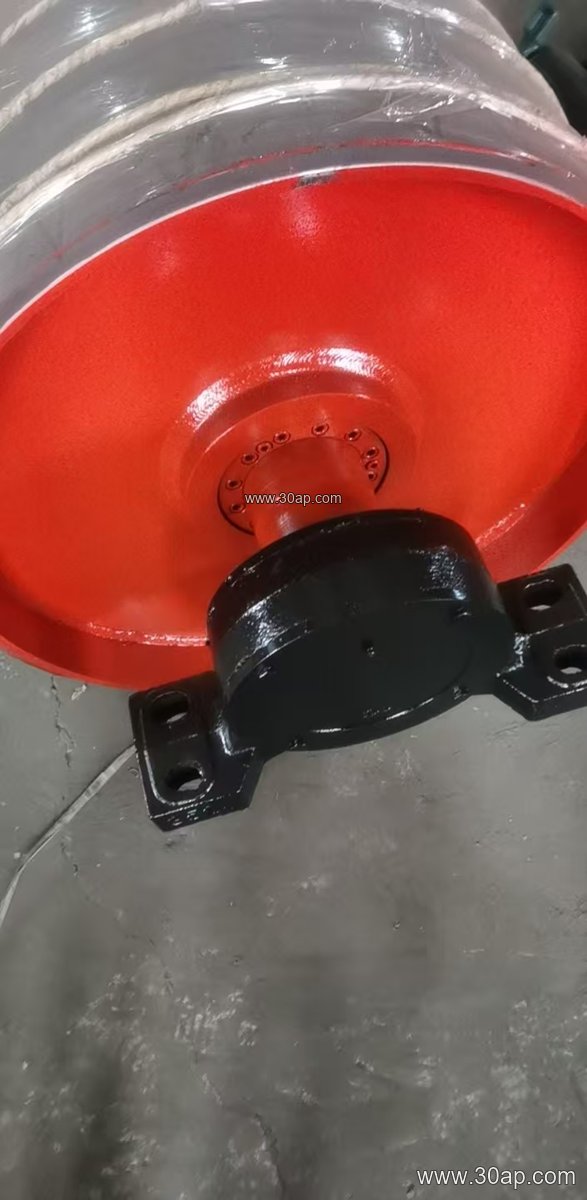
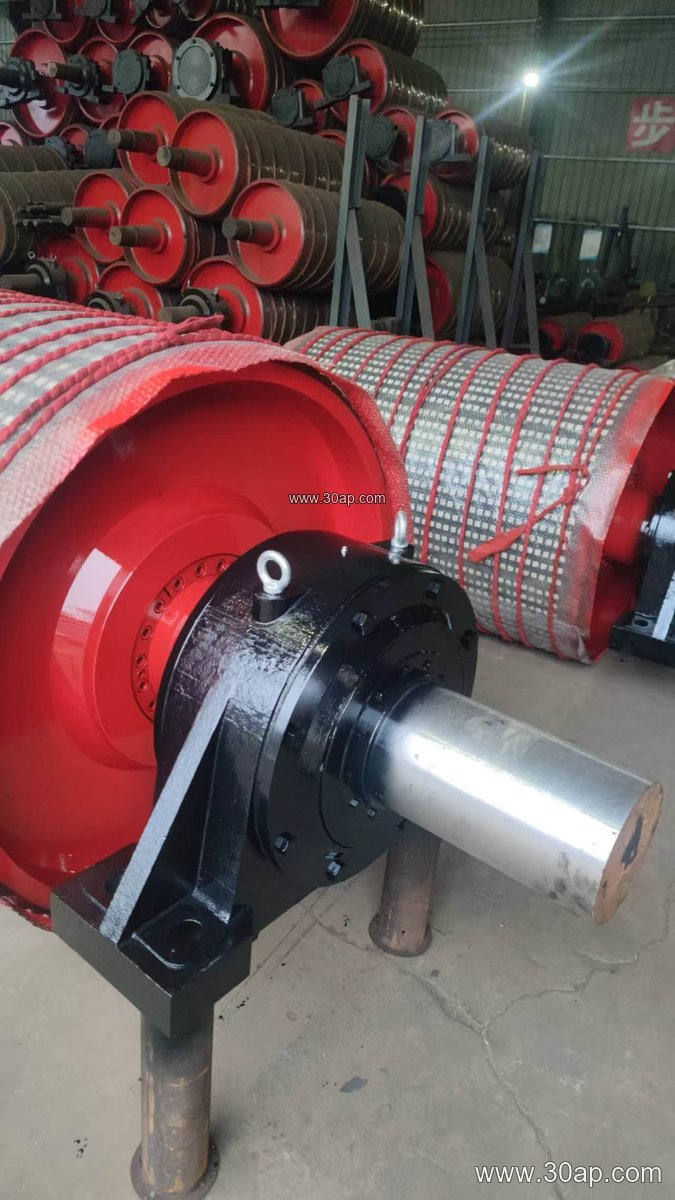
The construction of a large-diameter conveyor pulley typically involves a heavy-duty steel shell, welded end discs, a shaft sized by torque and load, and bearing housings mounted on a sturdy frame. Surface options include plain finish, rubber lagging (cold-bonded or hot-vulcanized), diamond groove, herringbone, and ceramic lagging. Lagging thickness commonly ranges from 8 mm to 20 mm, selected based on the required friction coefficient and environmental conditions. The pulley face width is usually slightly wider than the belt to ensure full support—for example, a B1200 belt may pair with a pulley face of about 1400 mm, but the exact combination depends on the conveyor design, not a fixed rule.
Where Large-Diameter Pulleys Are Used
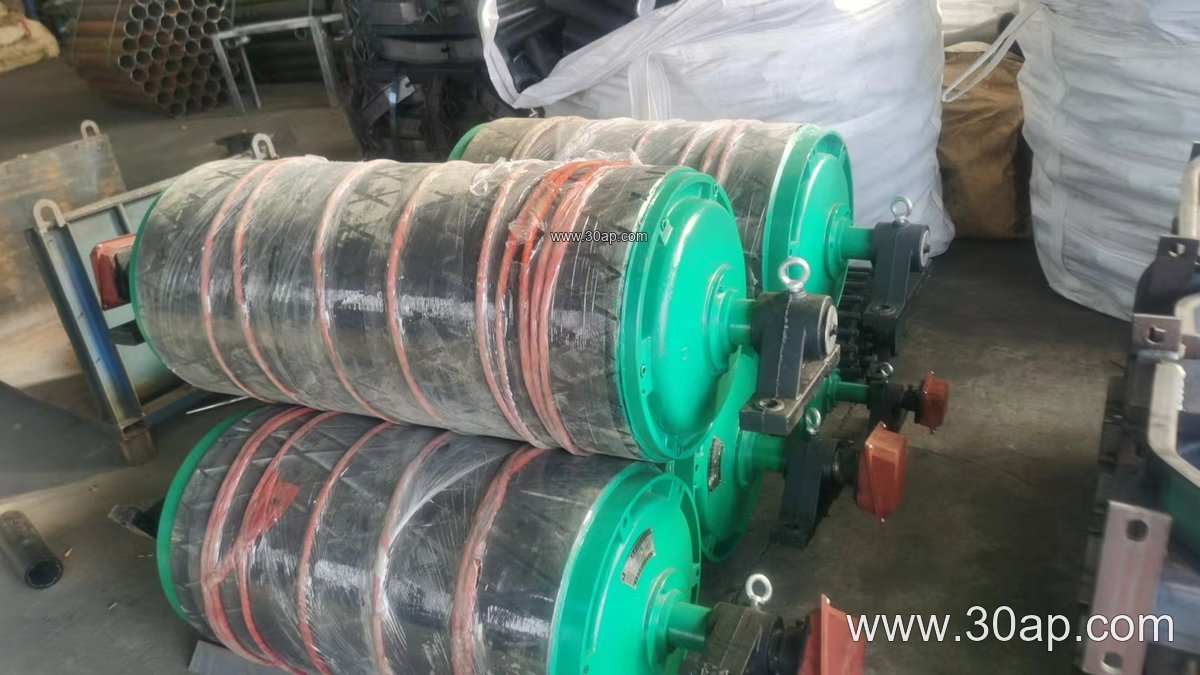
These pulleys are frequently found in tough industrial settings such as limestone mines, iron ore processing plants, coal washing facilities, cement clinker lines, and power plant coal handling systems. In a typical quarry conveyor, a large-diameter conveyor pulley at the discharge end helps maintain belt alignment and reduces material spillage. Similarly, in a copper ore concentrator, the tail pulley with a large diameter can minimize belt slippage under high tension. The choice between a drive pulley, tail pulley, or bend pulley depends on the specific location and function—these subtypes are not interchangeable, and each requires a tailored design approach.
Matching the Pulley to the Conveyor Belt
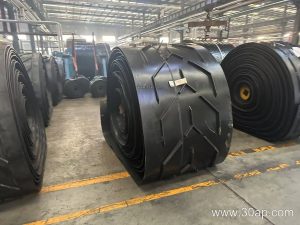
Selecting a large-diameter conveyor pulley involves more than picking a size from a catalog. The pulley must complement the conveyor belt’s tensile strength, flex fatigue resistance, and cover grade. For instance, a steel cord conveyor belt (e.g., ST1600 or ST2000) often requires a larger pulley diameter to limit bending stress on the cords, while an EP conveyor belt (such as EP400 or EP630) may tolerate a smaller diameter but still benefit from a generous pulley size in high-cycle applications. Heavy-duty mining conveyor belts and abrasion resistant conveyor belts used in crushing circuits also favor larger pulleys to reduce wear on the belt splice and improve tracking.
Specification Examples and Selection Notes
When specifying a large-diameter conveyor pulley, engineers consider belt width, pulley diameter, shaft diameter, lagging type, and bearing capacity. The table below lists common reference values; these are not mandatory combinations and should be verified against actual load calculations.
| Belt Width (mm) | Typical Pulley Face Width (mm) | Example Pulley Diameter (mm) | Common Lagging Thickness (mm) |
|---|---|---|---|
| B800 | ~950 | Ø500, Ø630 | 10, 12 |
| B1000 | ~1150 | Ø630, Ø800 | 10, 12, 15 |
| B1200 | ~1400 | Ø800, Ø1000 | 12, 15 |
| B1400 | ~1600 | Ø1000, Ø1250 | 15, 20 |
| B1600 | ~1800 | Ø1250, Ø1400 | 15, 20 |
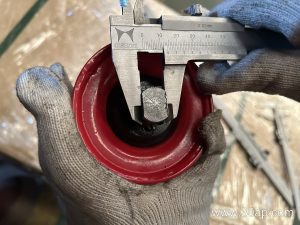
Shaft diameters commonly range from Ø80 to Ø200, determined by torque and radial load rather than belt width alone. A buyer should request a detailed drawing showing shell thickness, shaft material, bearing type, and lagging pattern. For conveyors handling sticky or wet material, diamond or herringbone lagging can improve grip and self-cleaning. In coal mining conveyor belt systems, flame retardant and anti-static properties of the belt must be matched with a pulley that avoids static buildup—ceramic lagging is sometimes chosen for its conductivity and wear resistance.
Buyer Checklist for Large-Diameter Conveyor Pulleys
- Confirm the pulley’s role: drive, tail, bend, or take-up—each has different load profiles.
- Verify belt width and pulley face width to ensure proper belt support and tracking.
- Select lagging based on material abrasiveness, moisture, and required friction.
- Check shaft diameter and bearing life against the conveyor’s actual torque and speed.
- Consider environmental factors: heat resistant conveyor belts in cement plants may require a pulley with heat-tolerant lagging; oil resistant belts in recycling facilities need compatible rubber compounds.
- Review maintenance access and lubrication points for long-term reliability.
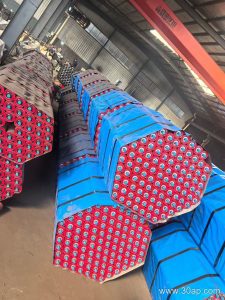
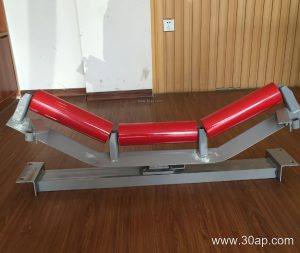
For more information on compatible conveyor components, visit conveyor pulley and conveyor belt resources. Proper integration of a large-diameter conveyor pulley with the right belt, idler roller, and conveyor bracket ensures a smooth, efficient material flow in any bulk handling operation.