What an EP100 Conveyor Belt Is
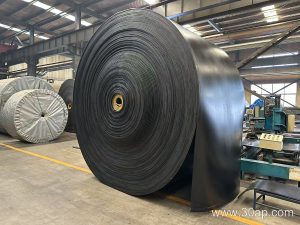
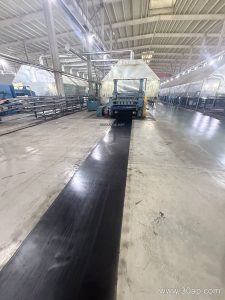
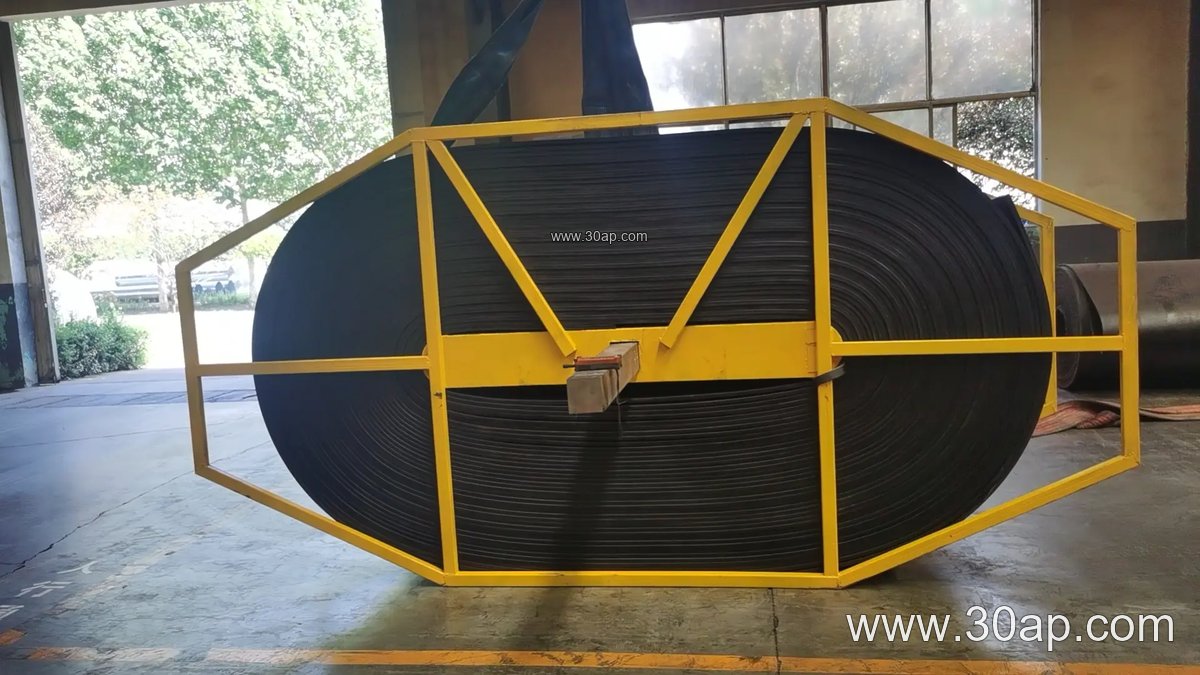
An EP100 Conveyor Belt is a fabric-core rubber belt built on polyester warp and polyamide weft (EP) carcass plies. The “100” refers to the nominal tensile strength of the carcass, commonly expressed as 100 N/mm per ply. It sits at the lighter end of the EP range, which also includes EP200, EP315, EP400, EP500, EP630, EP800, EP1000, EP1250, EP1600 and EP2000 for heavier duties. This makes it a practical choice for medium-duty conveying where the belt must track well, resist fatigue and keep a reasonable weight.
Because the carcass is a fabric core, this product is also accurately described as an EP fabric core conveyor belt or simply an EP rubber conveyor belt. Buyers comparing carcass families may also look at NN conveyor belts, steel cord conveyor belts, PVC and PVG belts, but those are different constructions rather than alternative names for the EP100 itself.
Construction and Typical Specifications
The belt is usually made with two to six EP plies, skims between plies, and rubber covers on both faces. Cover thickness is selected for the duty: common combinations include 3+1.5 mm, 4+2 mm, 5+2 mm, 6+2 mm and 8+3 mm, with the first figure being the carrying-side cover. Cover compounds can be formulated for abrasion resistance, heat resistance, oil resistance, flame retardancy or anti-static service.
| Item | Common Range or Reference |
|---|---|
| Carcass type | EP (polyester-polyamide) fabric |
| Nominal strength | EP100; heavier grades include EP200 to EP2000 |
| Number of plies | Typically 2 to 6 |
| Belt width | B500, B650, B800, B1000, B1200, B1400, B1600, B1800, B2000 |
| Cover combinations | 3+1.5, 4+2, 5+2, 6+2, 8+3 mm |
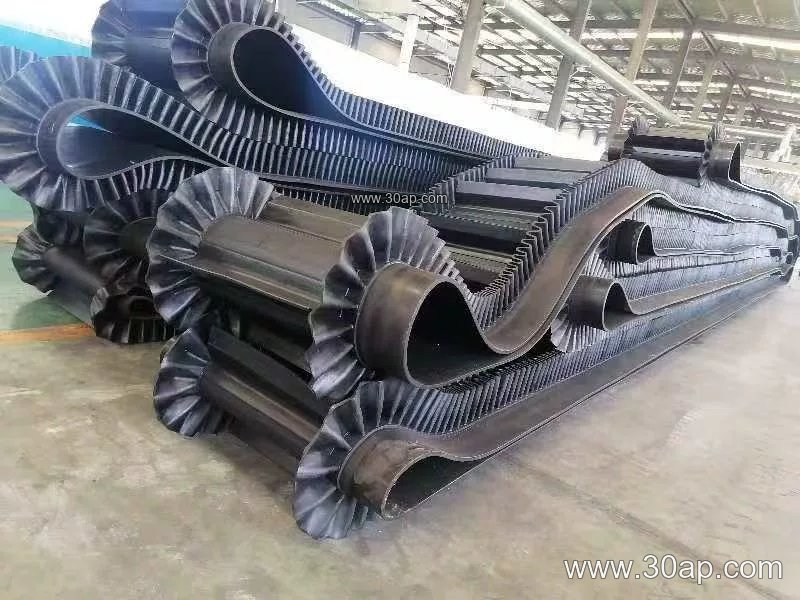
| Surface options | Smooth, chevron, corrugated sidewall, skirted |
These are reference figures, not fixed supply promises; each mill confirms ply count, cover gauge and width against the conveyor design. A wider belt does not dictate one pulley diameter, and shaft sizing follows the pulley and drive design rather than belt width alone.
Where It Fits in a Conveyor Line
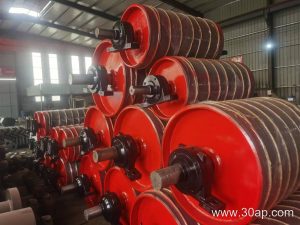
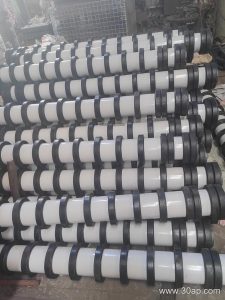
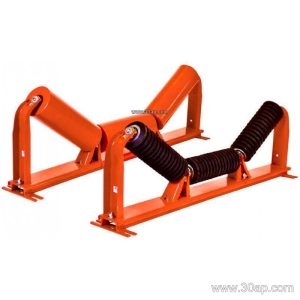
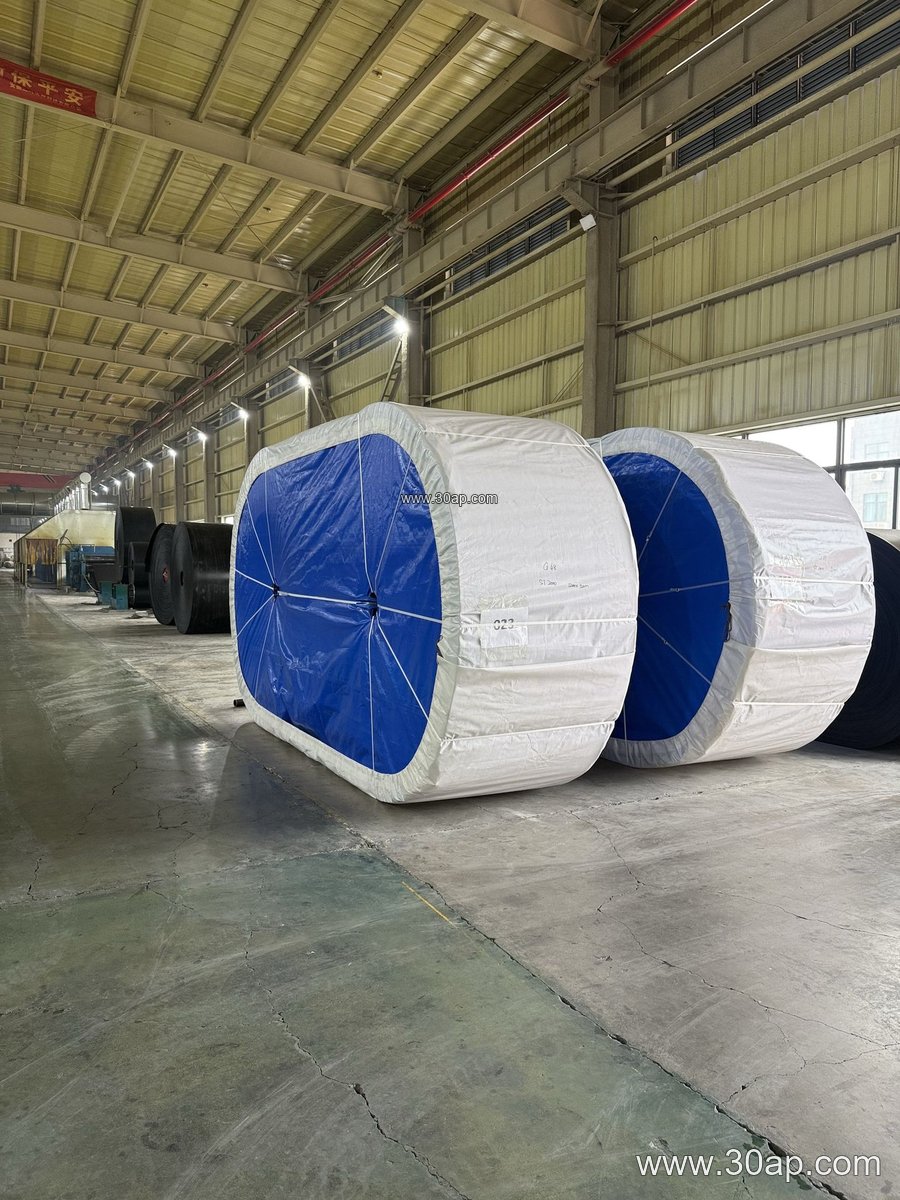
The belt runs over a drive pulley, tail pulley and bend pulleys, supported by idler rollers and located by conveyor brackets and frames. Each pulley type has its own role, and they are not interchangeable in either selection or maintenance. In a typical installation, the EP100 belt carries bulk material such as crushed stone, sand, aggregate, cement clinker or coal between transfer points.
It is common in sand and gravel plants, stone crushing lines, cement plants, power plants, ports and general bulk material handling. Where the material is abrasive, a high abrasion resistant conveyor belt grade may be preferred; where the environment is dusty and potentially explosive, flame retardant and anti-static constructions are considered. Underground coal mining usually calls for PVG or PVC belts with specific fire safety properties, so an EP100 belt is not automatically the right answer there.
Surface Forms and Related Options
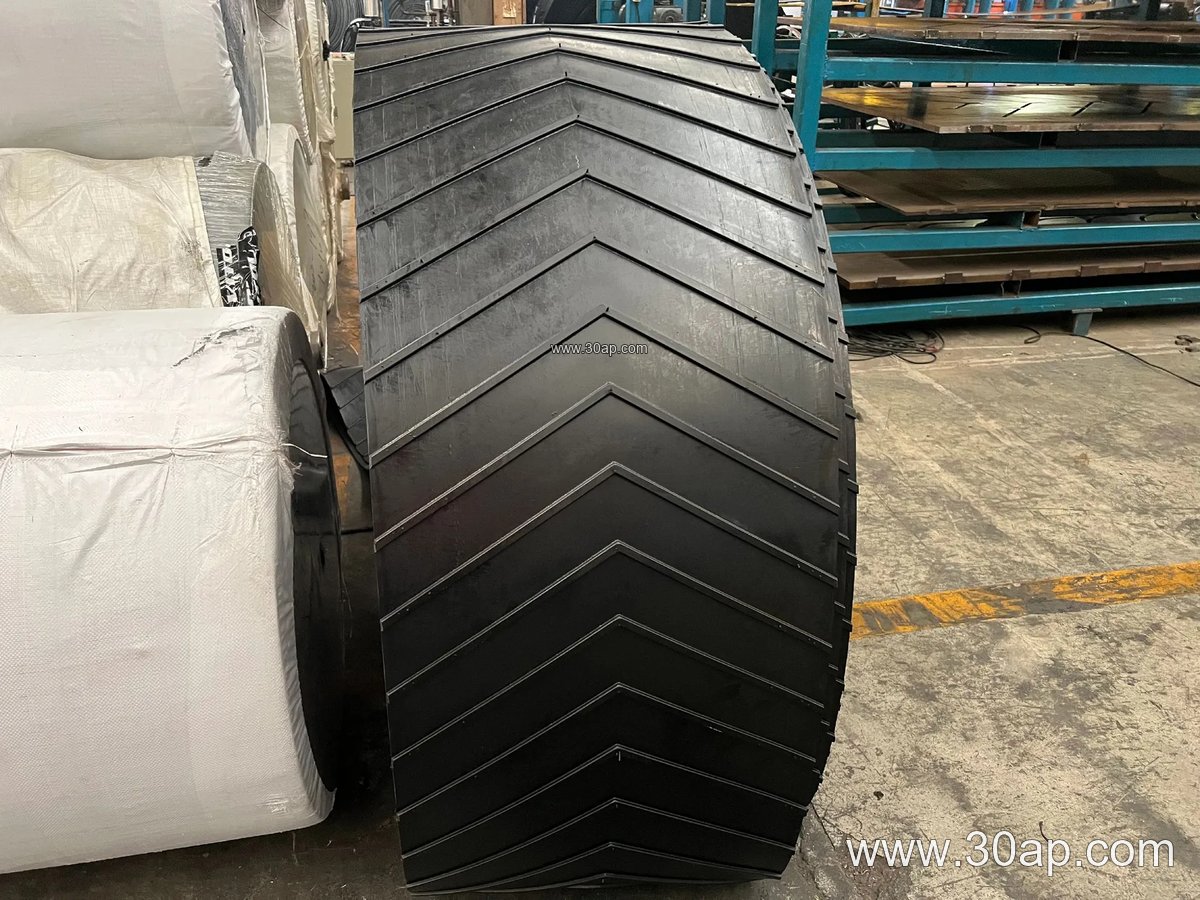
Smooth-top EP100 belting suits flat troughed conveyors. For inclined runs, a chevron conveyor belt profile helps prevent material rollback. Where space is tight or the path needs to be enclosed, corrugated sidewall or pipe conveyor belt designs may be reviewed instead. Skirted conveyor belts are used when material must be contained along the edges. These are different belt forms, not replacements for the base EP100 carcass.
Endless conveyor belts are made for fixed-center drives where splicing on site is difficult. Heat resistant, oil resistant, cold resistant and acid or chemical resistant covers are available for specific service conditions, and food grade belting is a separate category.
Buyer Checklist
- Confirm the required tensile grade and ply count against the conveyor design, not just the material type.
- State belt width, cover thickness and cover compound, since a 1000mm conveyor belt and a 1200mm conveyor belt may need different cover gauges for the same duty.
- Describe the material: lump size, temperature, moisture, oil content and abrasiveness.
- Check pulley diameters, trough angle and take-up travel with the belt supplier.
- Plan splicing, storage and inspection intervals before installation.
For buyers sourcing a medium-duty fabric belt, the EP100 Conveyor Belt offers a balanced starting point. Matching it to the right pulley, idler roller and frame layout is as important as the belt itself. More technical details are available at www.beltconveyorpro.com for conveyor belt selection.