Understanding the Five-Roll Idler Bracket
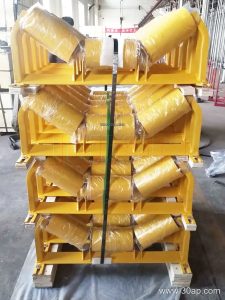
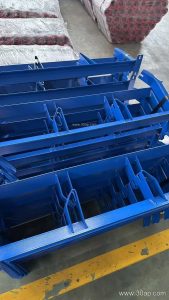
A five-roll idler bracket is a specialized support structure that holds five idler rollers in a specific arrangement to support the conveyor belt. Unlike standard three-roll troughing sets, this bracket uses two additional rolls to create a deeper, more uniform trough profile, which helps contain bulk materials and reduce spillage. It is commonly referred to as a five-roll idler frame or five-roll troughing bracket. This component is essential in industries handling high-capacity or wide belts, such as coal mining, ore transport, and cement plants.
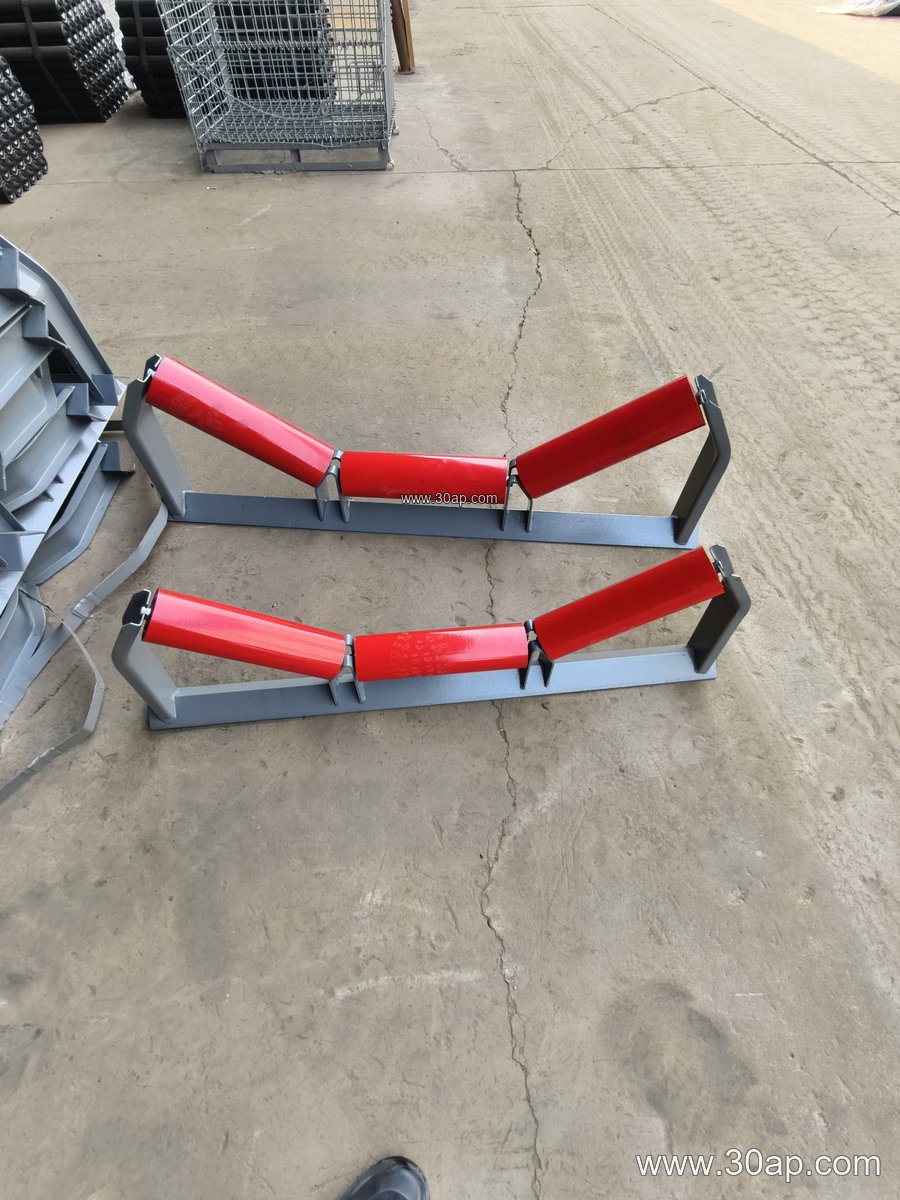
Construction and Design
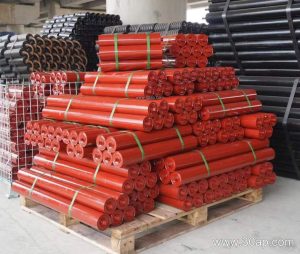
The bracket is typically fabricated from angle steel, channel steel, or folded steel plate to withstand heavy loads and harsh conditions. The five rolls are arranged with a central roll and two rolls on each side, forming a multi-segment trough. The wing rolls are angled to create a smooth transition and prevent material from escaping. The bracket may be fixed or adjustable, allowing changes to the trough angle. Common trough angles include 20, 30, 35, and 45 degrees. For example, a B1200 belt with a 45-degree trough angle and Ø133 idler rollers is a typical configuration in high-capacity mining conveyors. The bracket’s crossbeam length and mounting hole spacing are determined by the belt width and trough angle, ensuring proper fit and alignment.
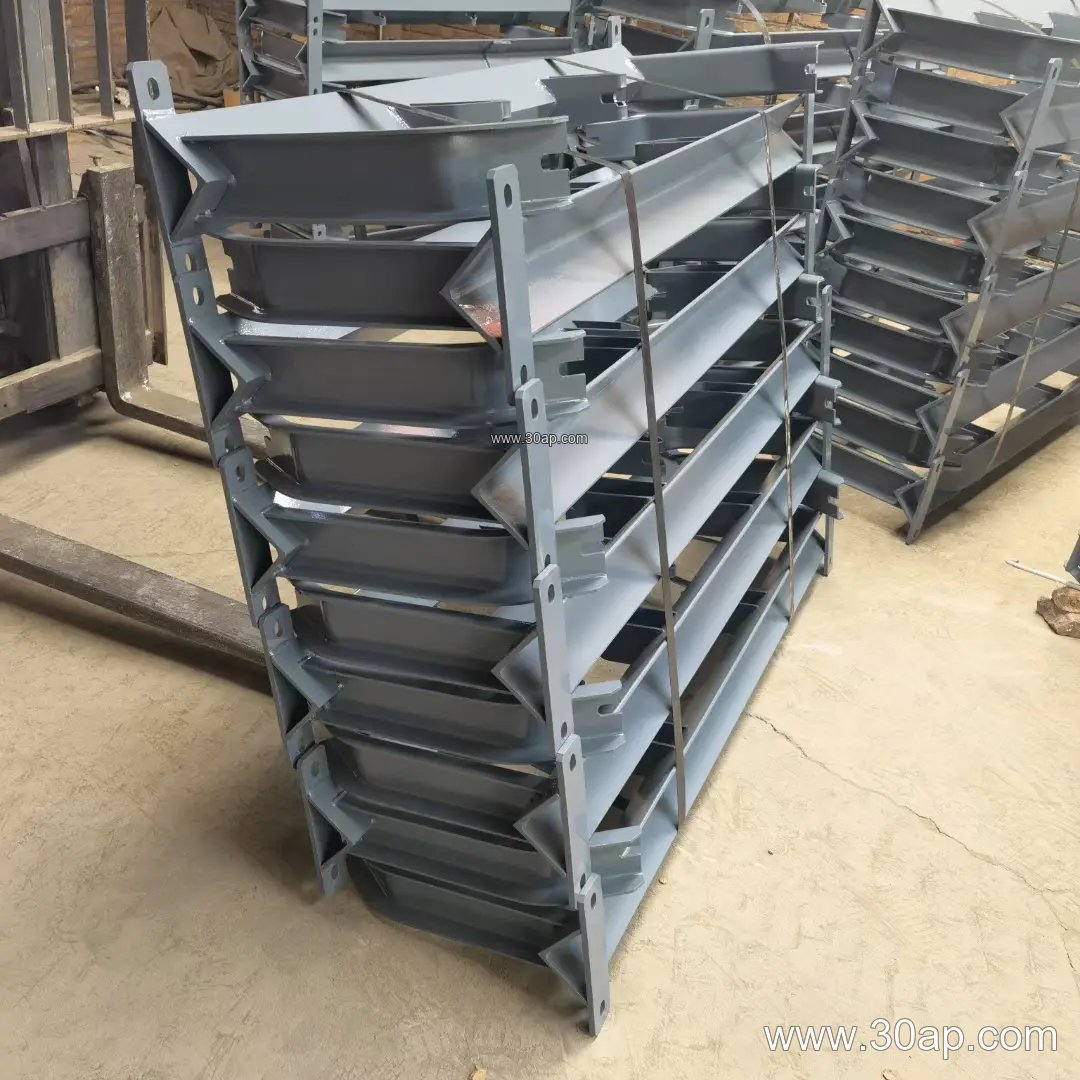
Key Applications
Five-roll idler brackets are widely used in bulk material handling where belt widths exceed 1000mm and loads are severe. In coal mining, they support heavy-duty conveyor belts carrying coal from underground or open-pit operations. In iron ore and copper ore processing, they help maintain belt stability under impact and abrasion. Cement plants use them in clinker and raw material transport, while power plants rely on them for coal feeding systems. The five-roll design is particularly effective in reducing belt edge damage and extending conveyor belt life in quarry and aggregate operations.
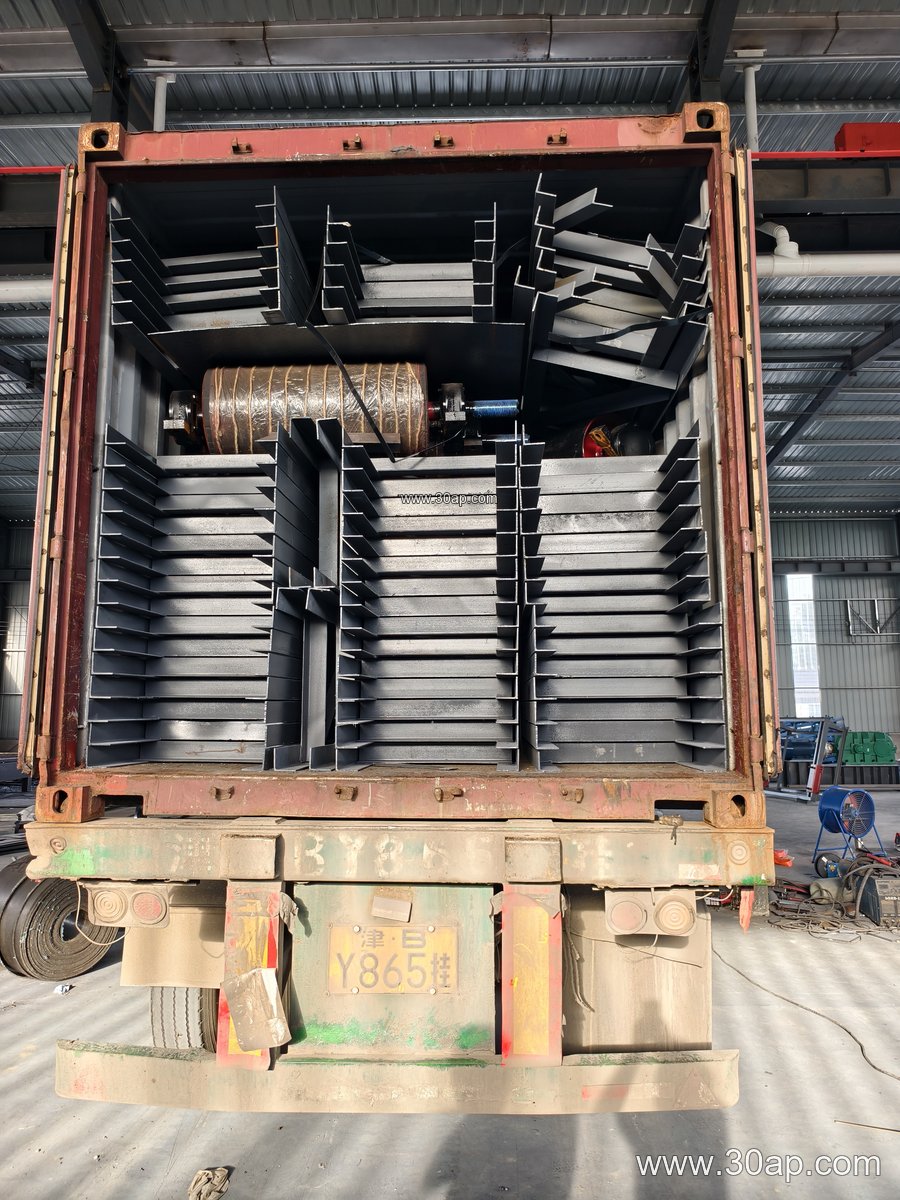
Selection and Maintenance Tips
When choosing a five-roll idler bracket, consider the belt width, trough angle, and roller diameter. Common belt widths include B800, B1000, B1200, B1400, and B1600. Roller diameters such as Ø89, Ø108, Ø133, Ø159, and Ø194 are available to match load requirements. The bracket material should suit the environment: for corrosive areas, consider galvanized or coated options. Adjustable brackets are useful where belt tracking issues may arise. Regular inspection of the bracket for wear, misalignment, or loose bolts is recommended. Properly installed five-roll brackets help maintain belt shape, reduce spillage, and improve the efficiency of the entire conveyor system.
Compatibility with Conveyor Components
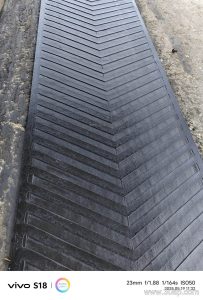
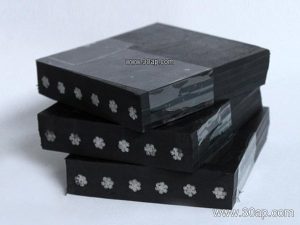
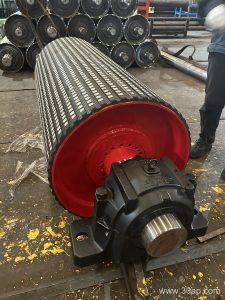
Five-roll idler brackets work in harmony with various conveyor components. The idler rollers should be selected based on belt speed and load; for instance, a heavy-duty mining conveyor belt may require Ø159 rollers. The bracket must align with the conveyor pulley and drive system to ensure smooth operation. In some cases, a five-roll bracket can be compared to a three-roll bracket, but the five-roll version offers better material containment for wider belts. For specialized belts like steel cord conveyor belt or heat resistant conveyor belt, the bracket design should account for potential thermal expansion and belt stiffness. Always consult the conveyor design manual for specific installation guidelines.