What a 1200mm Wide Conveyor Belt Is
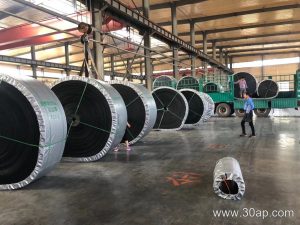
A 1200mm wide conveyor belt is a heavy-duty belt with a nominal width of 1200 millimeters, commonly written as B1200. At this width, the belt can carry high tonnage and large lump sizes, so it is a frequent choice for main haulage lines in mines, cement plants, power stations, quarries, and port bulk terminals. The width is one part of the specification only; the carcass type, cover grade, and splice design decide how the belt performs in a given duty. Buyers often search for this size as a 1200mm conveyor belt or B1200 belt, and all three names refer to the same product.
Compared with a 1000mm conveyor belt, the 1200mm size gives more load per meter and better stability for wide material streams. Narrower belts such as 650mm or 800mm remain common on short or light-duty runs, while 1400mm and above is usually reserved for very high capacity systems. Width should always follow the conveyor design rather than the other way around.
Construction and Carcass Options
The belt body is built from a carcass and rubber covers. For this width, fabric core and steel cord designs are both used. Fabric carcasses are usually multi-ply, with 2 to 6 plies common, and may be EP (polyester-nylon) or NN (nylon-nylon). Steel cord belts use parallel steel wires and suit long, high-tension conveyors. A 1200mm wide conveyor belt may be supplied as an EP conveyor belt, an NN conveyor belt, or a steel cord conveyor belt, depending on tension and elongation limits.
| Item | Common Options |
|---|---|
| Belt width | B1200 (1200mm) |
| Carcass | EP200, EP315, EP400, EP500, EP630, EP800, EP1000, EP1250, EP1600, EP2000; NN grades; ST1000 to ST3150 |
| Cover thickness | 3+1.5, 4+2, 5+2, 6+2, 8+3 mm |
| Ply count (fabric) | 2 to 6 plies, by design |
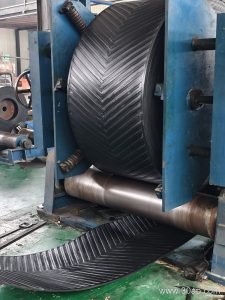
| Surface forms | Smooth, chevron, corrugated sidewall, skirted |
Cover compounds set the working environment. Abrasion resistant conveyor belt grades handle crushed rock and ore; heat resistant conveyor belt grades serve clinker and sinter; flame retardant and fire resistant grades are typical for coal mining conveyor belt duties underground. Oil resistant, cold resistant, and anti-static versions are available when the site demands them.
Where It Fits in the Plant
This width appears across many industries. In a coal mining conveyor belt system, a 1200mm belt often links the crusher to the main incline. In a cement plant it may move limestone, clinker, or raw meal. Power plants use it for coal and ash; steel plants for ore and coke; sand and gravel pits for aggregate. Port conveyor belt lines and ship loading systems also favor wide belts for fast transfer of bulk material.
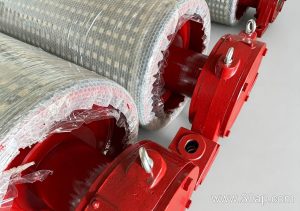
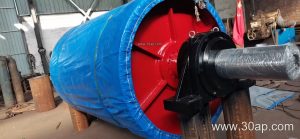
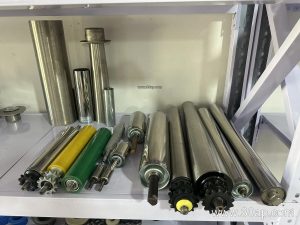
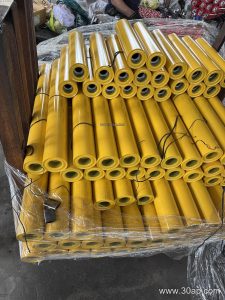
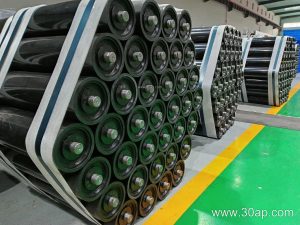
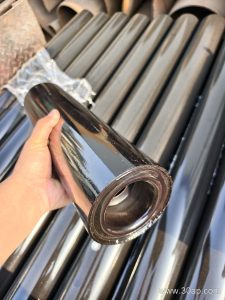
The belt does not work alone. It runs on a frame fitted with idler rollers, a drive pulley, a tail pulley, and bend pulleys, all held by conveyor brackets. These parts are not interchangeable: the drive pulley transmits torque, the tail pulley sets return tension, and bend pulleys only change belt direction. A 1200mm belt can match more than one pulley diameter; the correct size comes from the conveyor design, not from the belt width alone. Shaft diameter is likewise a design decision, never a fixed figure taken from width.
Specification and Selection Notes
Selection starts with the duty: material type, lump size, tonnage per hour, incline, and ambient conditions. A high strength conveyor belt may be needed where tension is high, while a heavy-duty conveyor belt with thicker covers suits sharp, abrasive rock. For steep inclines, a chevron conveyor belt or corrugated sidewall conveyor belt can prevent rollback. Enclosed routes may call for a pipe conveyor belt. An endless conveyor belt is preferred where splice quality must be very high and downtime is costly.
Check that the 1200mm width matches the troughing idlers and pulley face, and confirm cover thickness against wear life. Ask for the carcass grade, ply count, and splice method in writing, since suppliers differ. For more on matching belts with idler roller, conveyor pulley, and conveyor bracket choices, see the technical pages at beltconveyorsolution.com. A second reference, conveyorpartspro.com, covers belt selection and maintenance topics such as rubber conveyor belt cover grades.
Installation and Maintenance
Proper alignment protects the belt edge from damage. Keep idler rollers turning freely, check pulley lagging, and inspect the splice regularly. Store spare belts flat and dry, and avoid sharp bends during handling. Track wear on the top cover; when it thins, the carcass is at risk. A well-matched 1200mm conveyor belt, with the right covers and a sound splice, gives long service in demanding mining, quarry, and bulk handling work.