What a Belt Conveyor Bracket Does on the Line
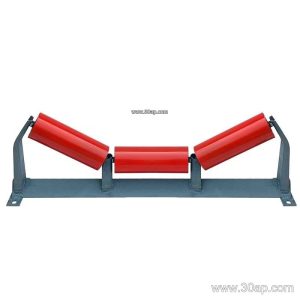
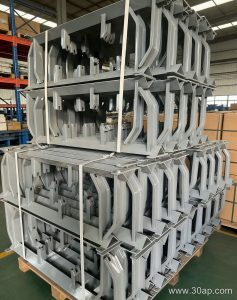
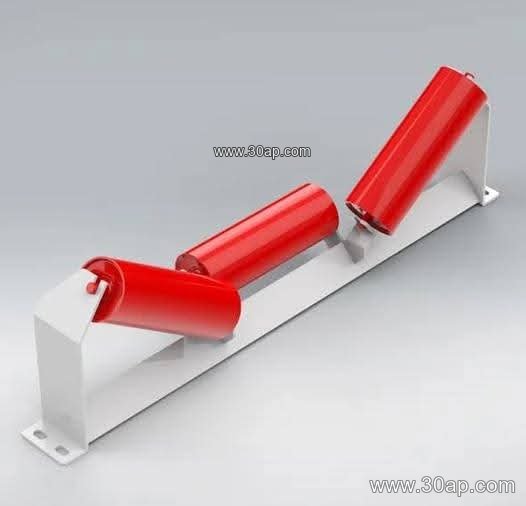
A belt conveyor bracket is the structural interface that holds idlers and rollers in the correct position under and around the conveyor belt. It is not a single universal part but a family of support frames that carry the load, guide the belt, and keep the idler spacing stable along the conveyor route. In a quarry, a cement plant, or a power plant coal yard, these brackets are the quiet workhorses that determine whether the belt runs centered or drifts, whether the idlers last their full service life, and whether maintenance crews can replace components quickly.
The bracket is usually fabricated from angle steel, channel steel, or folded steel plate. Its job is to transfer the weight of the loaded belt and the material through the idler roller into the conveyor stringer or frame. Because the bracket sits between the belt and the structure, its geometry — particularly the trough angle and the mounting hole pattern — must match the idler type and the belt width. On a typical 1200mm wide conveyor carrying aggregate, a troughing bracket with a 35 degree angle and Ø133 idlers is a common sight, but the same belt width may also run with a 45 degree trough for higher capacity or a 30 degree trough for better belt training.
Common Bracket Types and Where They Sit
Brackets are usually classified by their position and function on the conveyor:
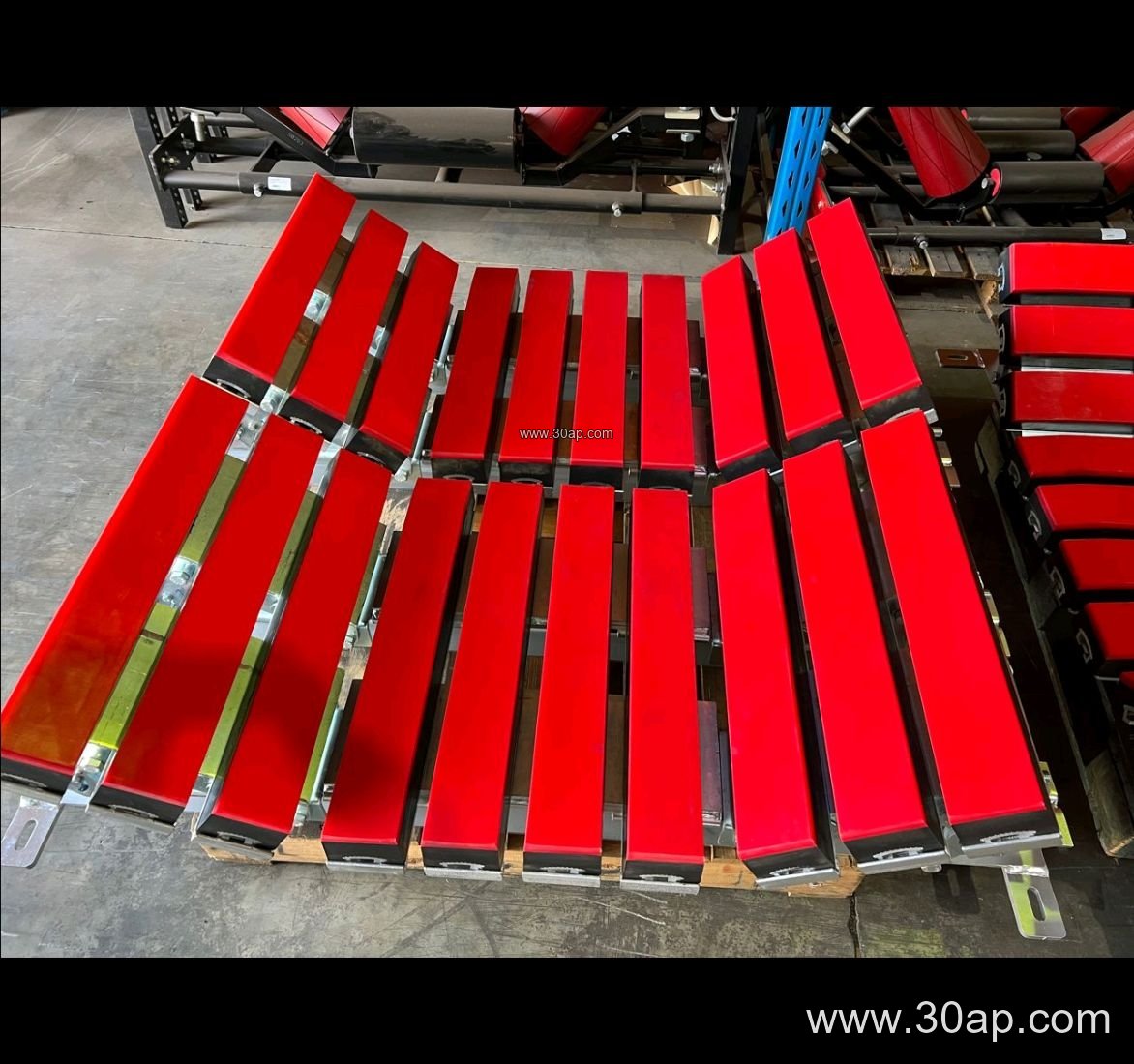
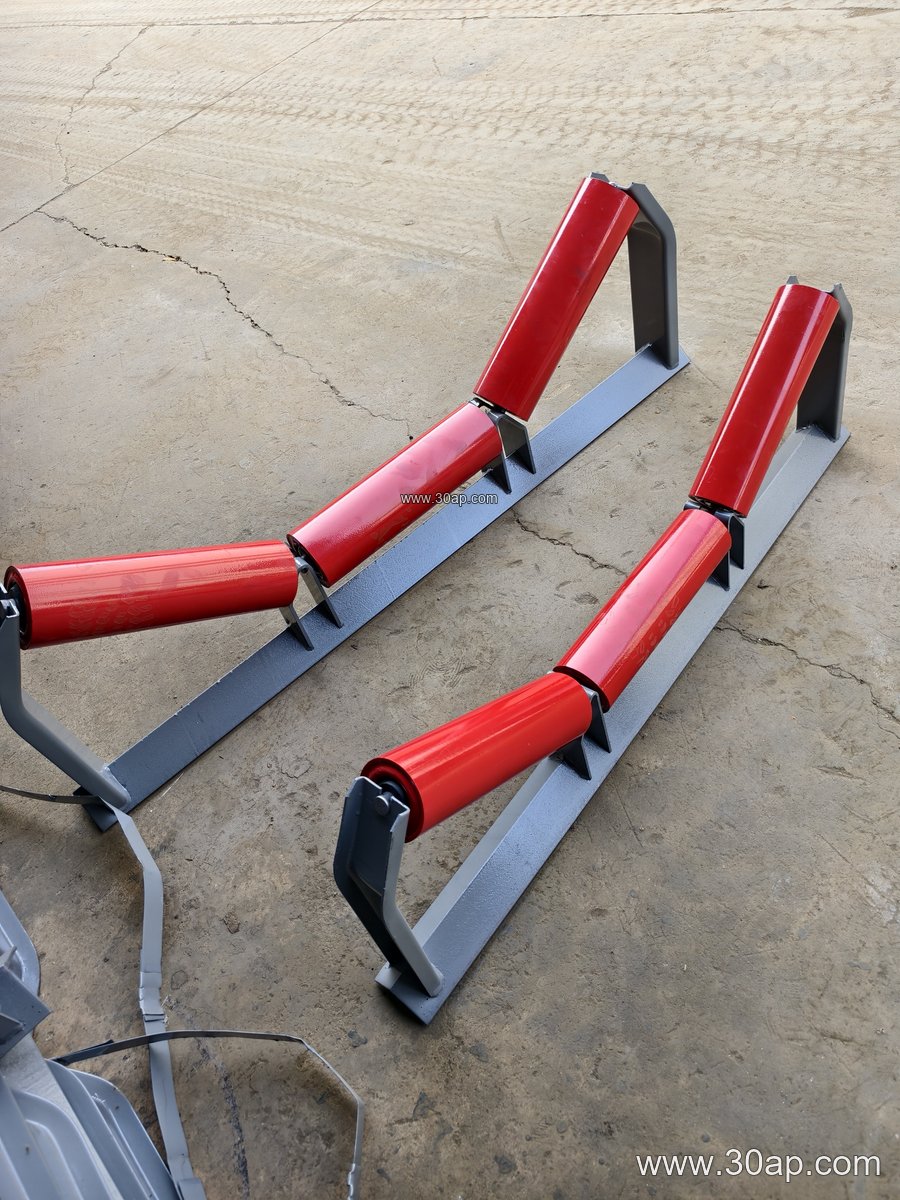
- Troughing brackets (carrying side): support the three-roll or five-roll idler sets that shape the belt into a trough. Common trough angles include 20, 30, 35, and 45 degrees. Adjustable versions allow the angle to be changed within a range for belt training or capacity adjustment.
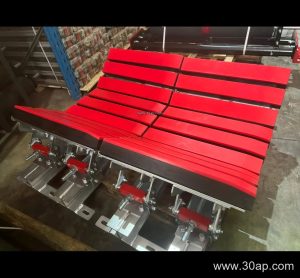
- Impact brackets: used at transfer points where material drops onto the belt, often fitted with impact idlers or rubber rings to absorb shock.
- Return brackets: support the return side of the belt. Flat return brackets and V-return brackets are both common, with the V-type helping to keep the belt centered.
- Transition brackets: placed where the belt changes from flat to troughed, or near pulleys, to control the belt path gently.
- Self-aligning brackets: fitted with training idlers that pivot to correct belt drift, often used on long overland conveyors or where loading is uneven.
- Suspended brackets: hang from the structure above, useful in confined spaces or where a conventional stringer is not practical.
It is worth noting that drive pulleys, tail pulleys, and bend pulleys are separate components with their own support requirements; the bracket discussed here is specifically the idler support frame, not a pulley bracket or a pulley itself.
Matching Bracket, Idler, and Belt Width
The most common mistake in specifying a belt conveyor bracket is treating belt width as the only variable. In practice, the bracket must be selected together with the idler diameter, the trough angle, and the mounting hole spacing. A B650 conveyor might use Ø89 idlers with a 30 degree trough, while a B1800 conveyor in an iron ore terminal might use Ø159 or Ø194 idlers with a 35 or 45 degree trough. The bracket dimensions — crossbeam length, hole pitch, and height — are determined by the design, not by a fixed rule that ties one belt width to one idler size.
For reference, the following combinations are often seen in bulk material handling, but they are examples rather than mandatory pairings:
| Belt Width | Typical Trough Angle | Common Idler Diameter | Typical Bracket Style |
|---|---|---|---|
| B500 | 20–30° | Ø89 | Troughing, fixed |
| B650 | 30° | Ø89 | Troughing, adjustable |
| B800 | 35° | Ø108 | Troughing, fixed |
| B1000 | 35–45° | Ø108–Ø133 | Troughing, impact |
| B1200 | 35–45° | Ø133 | Troughing, self-aligning |
| B1400 | 35–45° | Ø133–Ø159 | Troughing, transition |
| B1600 | 35–45° | Ø159 | Troughing, heavy-duty |
| B1800 | 35–45° | Ø159–Ø194 | Troughing, impact |
These values should be treated as reference data. Actual bracket selection depends on the conveyor design, the belt type, the material being carried, and the load conditions. A steel cord conveyor belt on a long overland route may call for different bracket spacing than a fabric core conveyor belt on a short aggregate line.
Installation and Maintenance Notes for Buyers
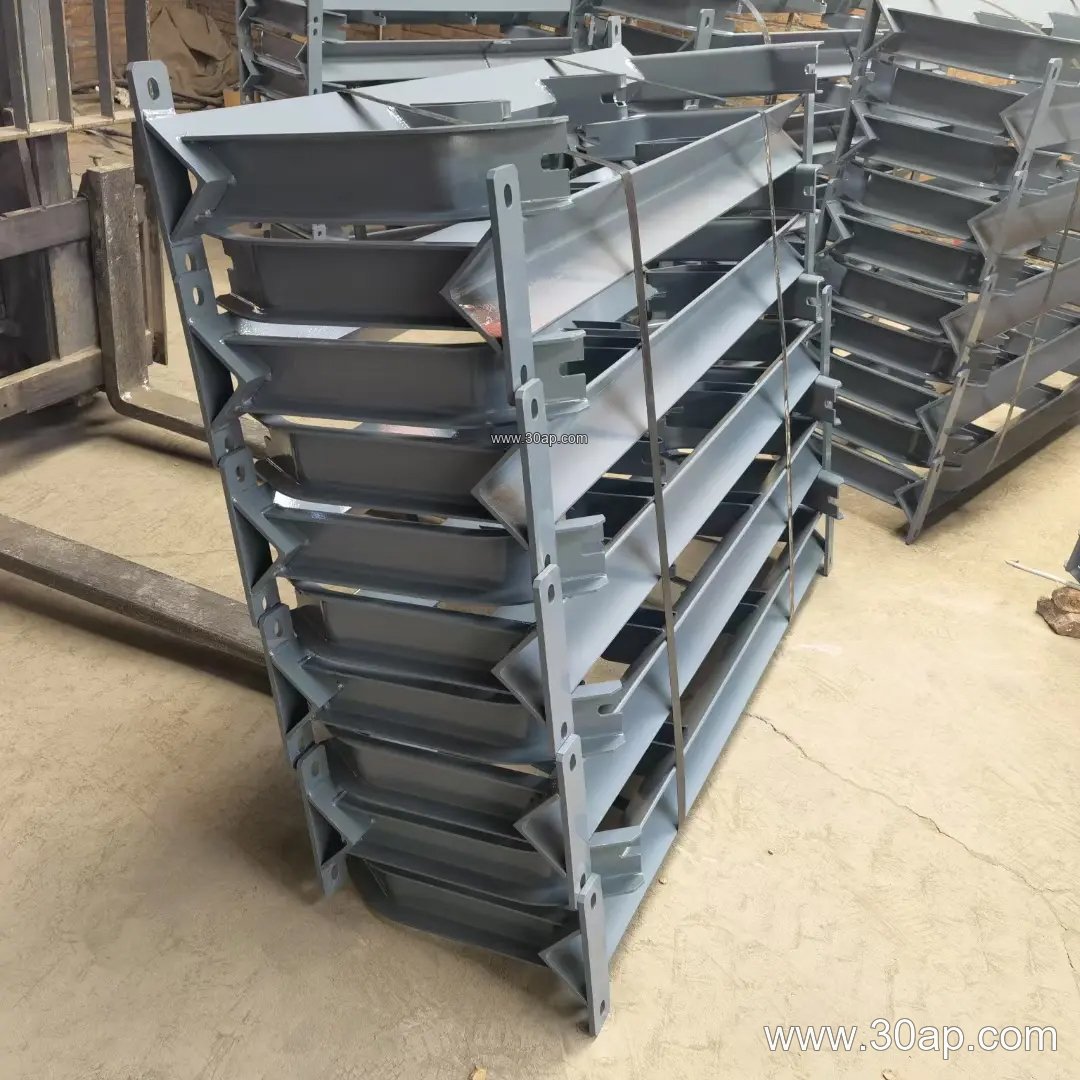
When purchasing belt conveyor brackets, ask for the mounting hole pattern and crossbeam dimensions rather than assuming they are standard. A bracket that fits one manufacturer’s idler frame may not fit another’s. Check that the bracket material and finish suit the environment: galvanized or painted brackets are common in port and quarry applications, while coal mining conveyors may require brackets that resist corrosion and fire risk.
During installation, align brackets to the conveyor centerline and check the trough angle with a template. Uneven bracket height is a frequent cause of belt drift and premature idler wear. For adjustable brackets, lock the setting after training the belt, and record the angle for future maintenance. In dusty locations such as a cement plant or a crushing and screening line, keep the bracket mounting surfaces clean so idlers seat properly.
Finally, consider the full conveyor system: the bracket works with the conveyor belt, the idler roller, and the conveyor pulley to keep material moving. A bracket that is undersized for the belt width or the idler load will flex, loosen, and shorten the life of the components it supports. Buyers should request dimensional drawings and material grades, and confirm that the bracket is designed for the specific belt width, trough angle, and idler diameter used on their conveyor.