What an 800mm Diameter Conveyor Pulley Is
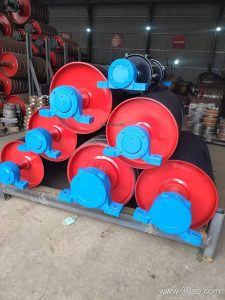
An 800mm diameter conveyor pulley is a large-diameter drum used to drive, tension, or redirect a conveyor belt in heavy bulk handling systems. At this size, the pulley is typically a welded steel shell fitted with shaft, hubs, bearing housings, and a lagged surface. It is often found at the head or drive position of high-capacity conveyors where belt wrap, torque transmission, and belt tracking need to be carefully balanced.
Because the diameter is substantial, this drum suits wide belts and high-tension circuits. A B1200 or B1400 conveyor belt can run over a Ø800 pulley without excessive bending stress, while narrower belts may also use it where the layout demands greater wrap angle or where a large drive pulley improves grip. The size is a design choice, not a fixed rule tied to one belt width.
Construction and Surface Options
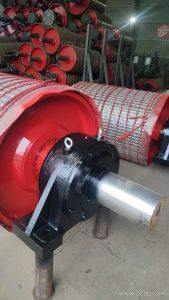
The shell is usually rolled steel plate, machined at the ends and welded to end discs. The shaft is sized by torque and radial load, commonly ranging from Ø100 to Ø200 for this class of pulley, though the final value depends on the conveyor design. Bearings are mounted in pillow block housings or flange-type bearing assemblies, and the whole unit sits on a conveyor bracket that aligns with the frame.
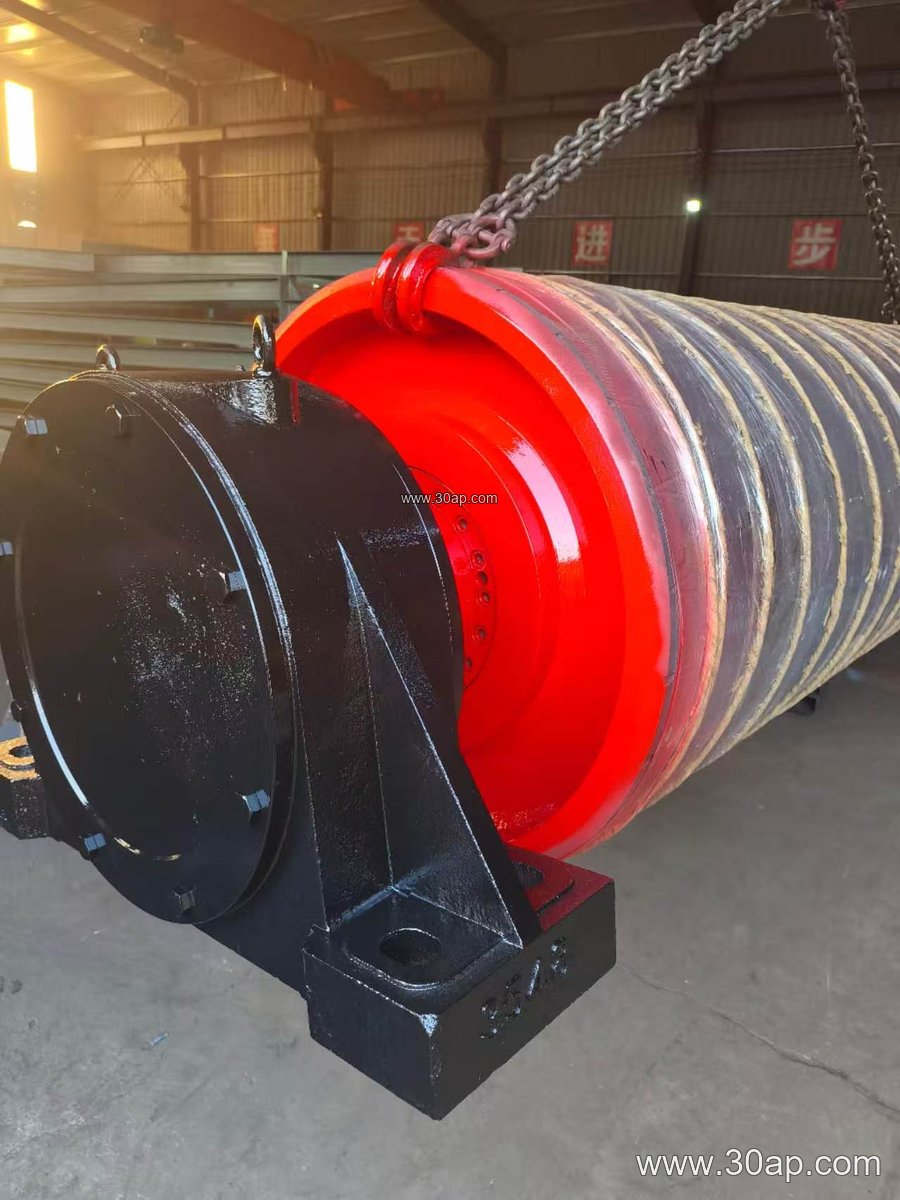
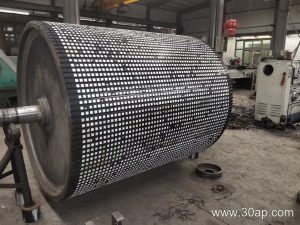
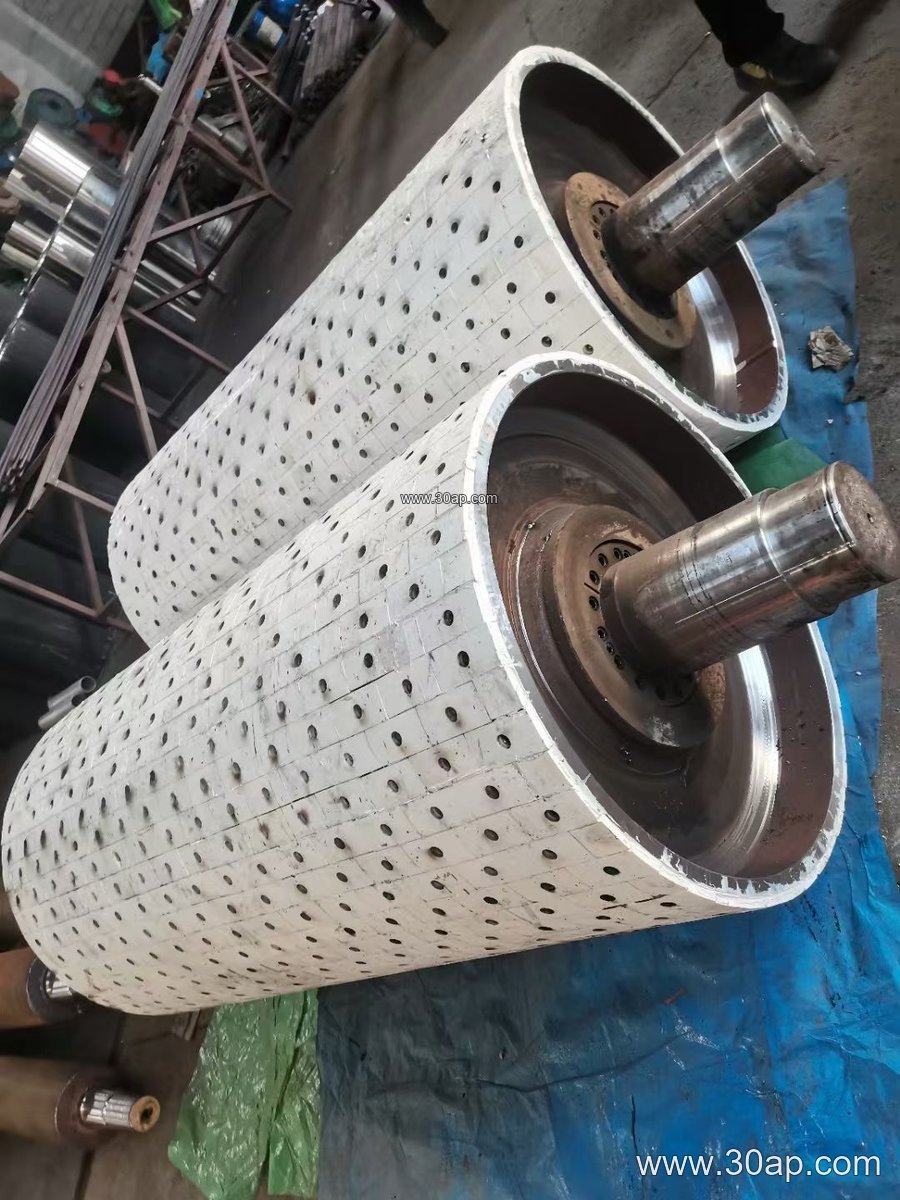
Surface treatment matters as much as the shell. Plain finish is used where grip is not critical. Rubber lagging, applied by cold bonding or hot vulcanizing, improves friction and protects the shell. Diamond grooved lagging helps shed water and fines, while ceramic lagging is chosen for abrasive service. Lagging thickness commonly falls between 8 mm and 20 mm depending on duty. For an 800mm diameter conveyor pulley, the lagging adds to the effective diameter, so the belt path and take-up stroke should account for it.
Where This Pulley Fits in a Conveyor
This drum is often used as a drive pulley or head pulley at the discharge end. In a coal mining conveyor or a power plant coal handling line, a large drive pulley gives good belt contact and reduces the risk of slip under starting torque. In a quarry or aggregate plant, the same size may serve as a bend pulley where the belt route changes direction, or as a tension pulley in a take-up arrangement.
It is not a tail pulley by default, and it should not be treated as interchangeable with a bend or tension drum. Each position has its own load profile. A drive pulley carries torque and high tension; a bend pulley mainly changes belt direction; a tail pulley supports the return side and helps control belt tracking. Choosing the right role for an 800mm diameter conveyor pulley starts with the conveyor layout, not with the diameter alone.
- Drive and head positions: high torque, steady grip, lagged surface preferred
- Bend and snub positions: direction change, moderate tension, plain or lightly lagged surface
- Tension positions: take-up travel, alignment with the take-up frame
Matching the Pulley to the Belt and Load
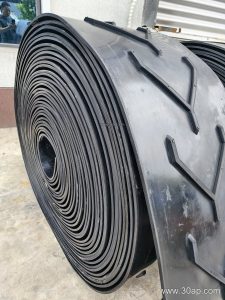
The conveyor belt is the other half of the equation. A heavy-duty mining conveyor belt or a steel cord conveyor belt may require a larger drum to keep bending stress within limits, while an EP conveyor belt or multi-ply fabric core belt can often run on a smaller diameter. In practice, the pulley diameter is checked against belt construction, tension, and the manufacturer’s recommended minimum pulley size.
Belt width also shapes the drum face. A B800 belt usually runs on a pulley face around 950 mm, and a B1200 belt on a face near 1400 mm, so the belt is supported across its full width. The drum face should be wider than the belt, but this does not mean one belt width locks in one pulley diameter. An 800mm diameter conveyor pulley can be built with different face widths to suit B800, B1000, B1200, or wider belts.
| Reference item | Common range or note |
|---|---|
| Pulley diameter | Ø800 mm (this article’s subject) |
| Belt width examples | B800, B1000, B1200, B1400 |
| Pulley face width examples | About 950 mm for B800; about 1150 mm for B1000; about 1400 mm for B1200 |
| Shaft diameter examples | Ø100, Ø120, Ø140, Ø160, Ø180, Ø200 (by torque and load) |
| Lagging thickness | 8, 10, 12, 15, 20 mm |
| Surface forms | Plain, rubber lagging, diamond grooved, ceramic lagging |
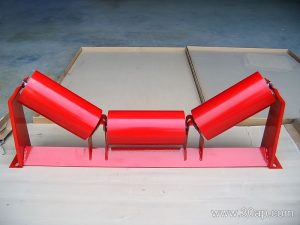
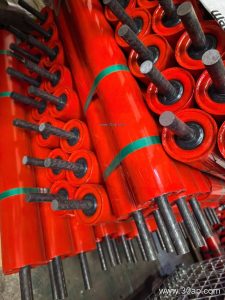
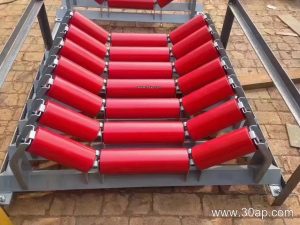
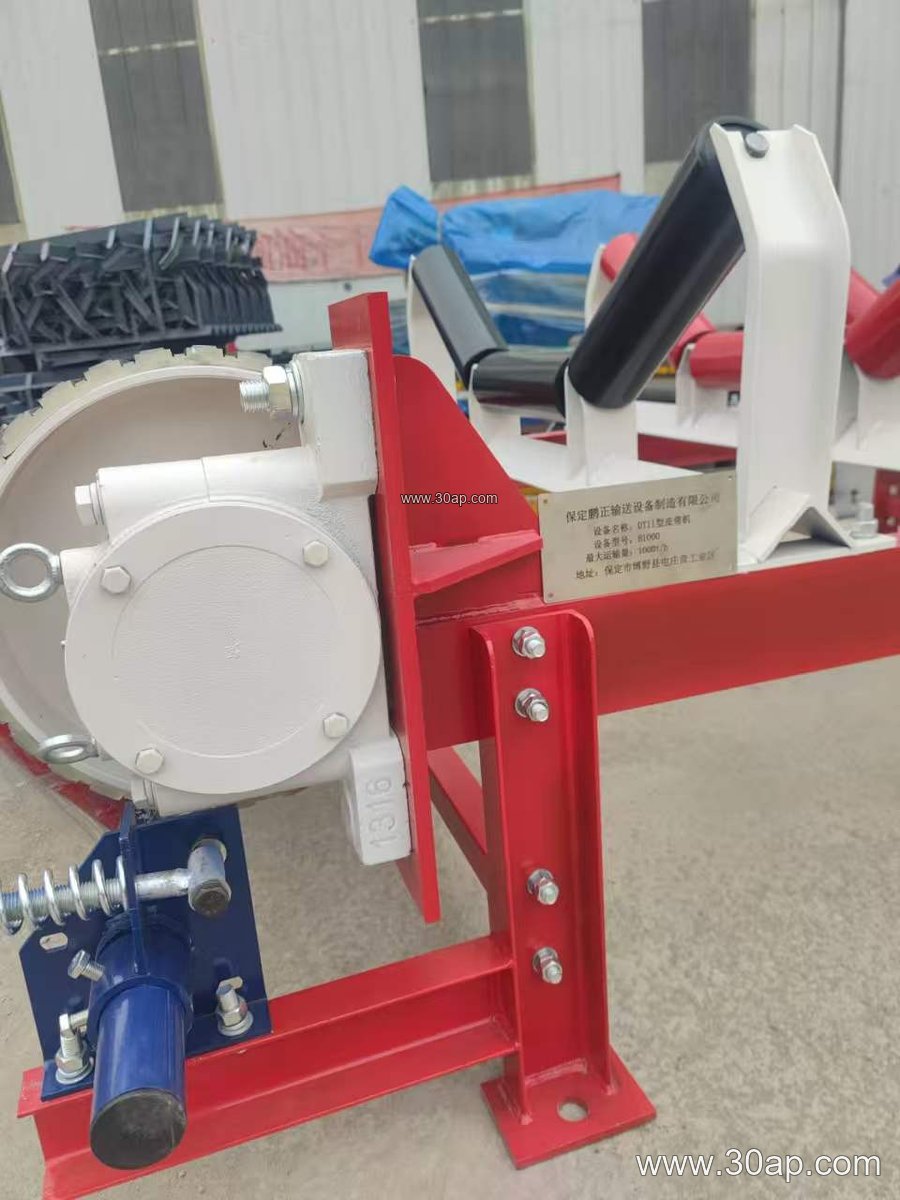
Supporting components deserve equal attention. The conveyor idler roller set under the belt affects belt sag and tracking, and a misaligned idler frame can wear the pulley lagging unevenly. The conveyor bracket and bearing housing should be checked for squareness during installation. In a cement plant or limestone quarry, dust ingress is a common cause of bearing failure, so sealed housings and regular greasing matter.
Buyer Checklist
Before ordering, confirm the pulley’s position and duty, the belt width and construction, the required face width, the shaft size from the conveyor designer, the lagging type and thickness, and the bearing arrangement. Ask for the balance grade and runout tolerance, since a large drum running out of true can shorten belt life. Also confirm the mounting dimensions against the conveyor bracket and the available take-up travel.
For abrasive or wet service, consider rubber or ceramic lagging and check that the lagging is bonded to suit the environment. For hot material such as clinker or sinter, discuss heat-resistant lagging and bearing protection. For underground coal mining, flame retardant conveyor belt and fire resistant conveyor belt are separate belt choices, but they also influence pulley selection through tension and safety requirements.
Finally, plan maintenance. Inspect lagging wear, check bearing temperature, and verify that the drum remains aligned with the belt centerline. A well-matched 800mm diameter conveyor pulley, supported by properly selected conveyor idler rollers and a sturdy bracket, will run smoothly across quarry, cement, power, and bulk port operations. More conveyor pulley and belt guidance can be reviewed at www.example.com/conveyor-pulley alongside related pages on conveyor belt and idler roller selection.