What a Ceramic-Lined Pulley Is
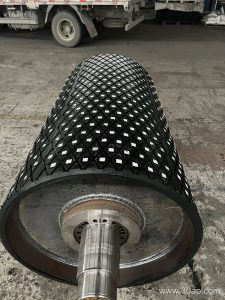
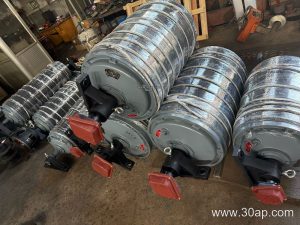
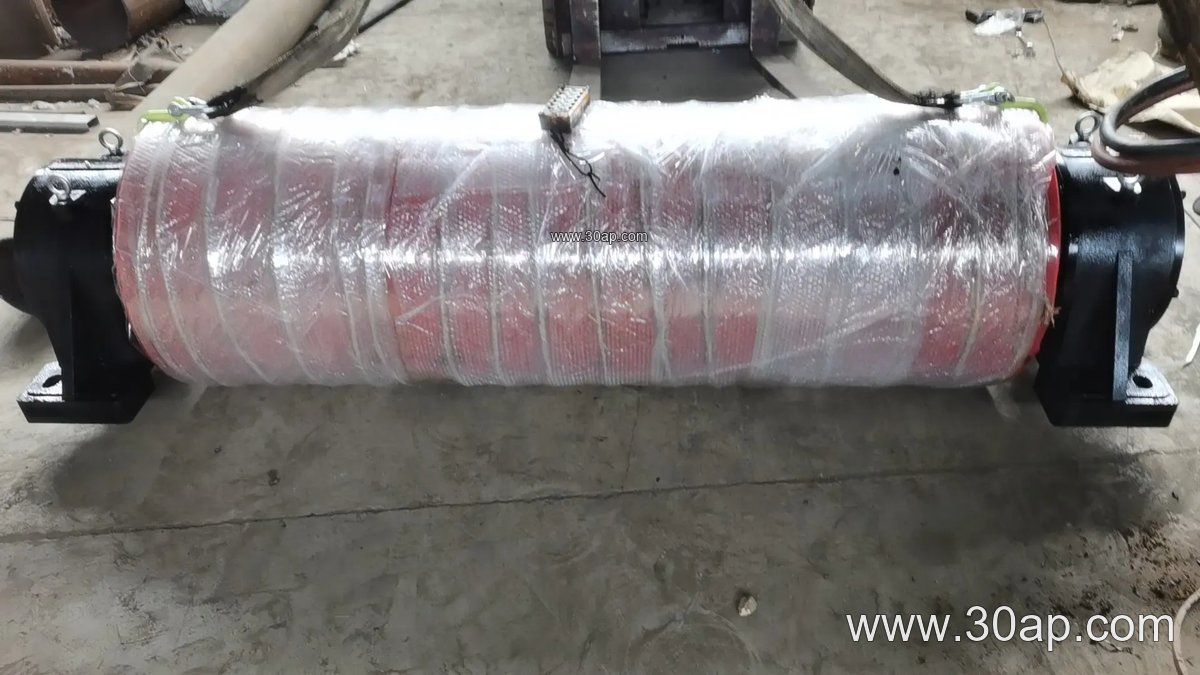
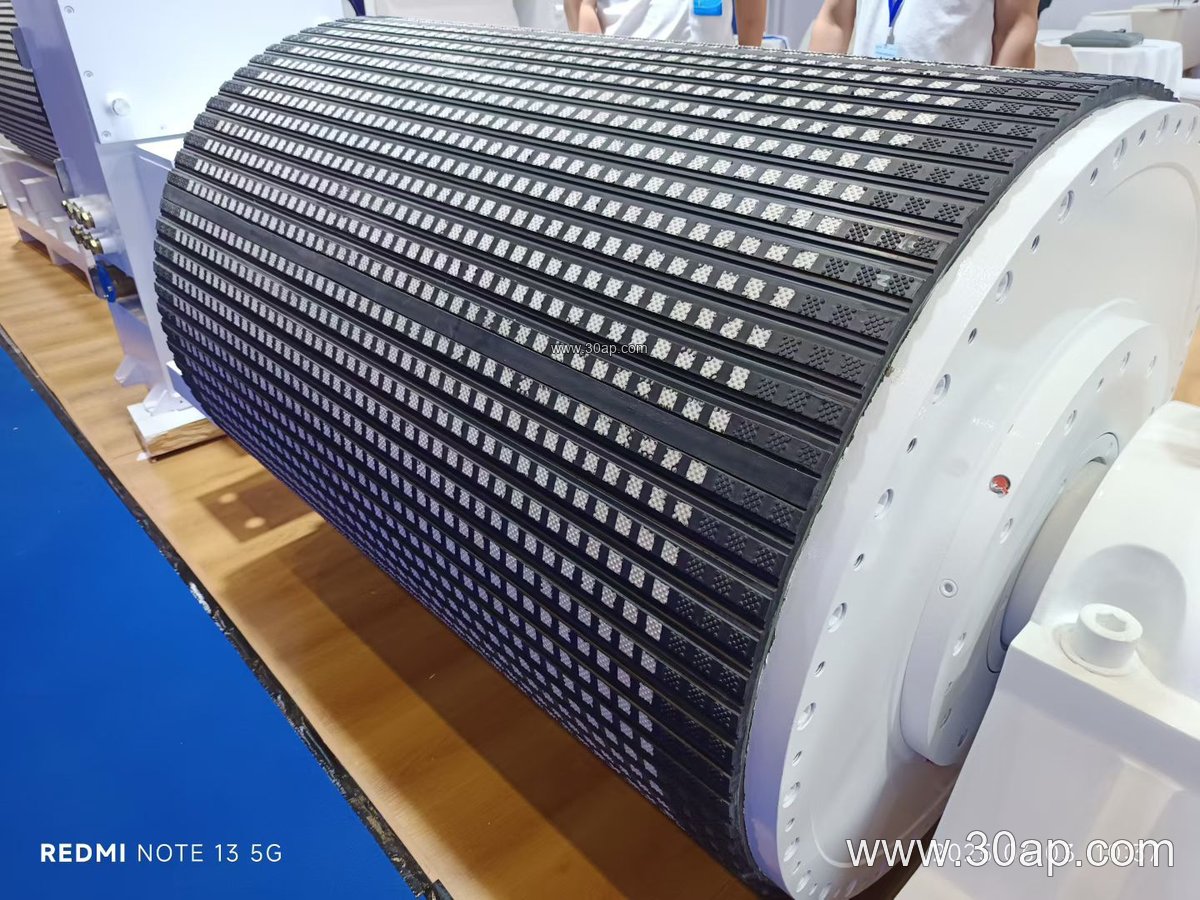
A ceramic-lined pulley is a conveyor pulley whose shell is fitted with ceramic tiles to resist abrasion and extend service life in demanding bulk handling operations. Often called a ceramic lagged pulley or ceramic rubber lagged pulley, it combines a steel drum with a wear-resistant ceramic surface. This product is distinct from standard drive, tail, or bend pulleys, though it can be supplied in any of those positions when the application calls for extra wear protection. You might see it in a quarry conveyor line handling sharp rock, or in a cement plant moving clinker.
Construction and Surface Options
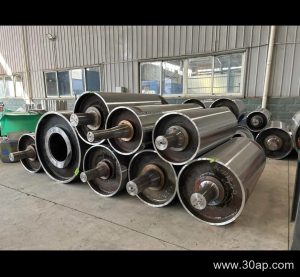
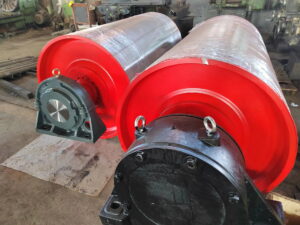
The pulley body is typically fabricated from steel tube with welded end discs and a shaft. The ceramic lining consists of small alumina tiles embedded in a rubber or epoxy matrix, applied to the shell surface. Common surface forms include ceramic lagging with plain or diamond pattern. Lagging thickness often ranges from 8 mm to 20 mm, with 10 mm, 12 mm, and 15 mm being frequent choices. The pulley face width is usually wider than the belt; for example, a B800 belt may use a pulley face around 950 mm. Diameters vary by design, such as Ø500 for a B800 tail pulley or Ø1000 for a B1200 drive pulley, but no single diameter is mandatory for a given belt width. Shaft diameters are determined by torque and load, not simply by belt width. Common shaft sizes include Ø80, Ø100, Ø120, and Ø140, among others. The ceramic tiles provide a high-friction, abrasion-resistant surface that helps maintain belt traction while protecting the pulley shell from wear.
Where It Is Used
Ceramic-lined pulleys are common in industries where the conveyor belt carries abrasive materials. In a limestone quarry or iron ore mine, the head pulley and bend pulleys often face sharp, heavy loads. In a coal washing plant, the combination of moisture and fine particles can accelerate wear on standard rubber lagging. A ceramic lagged pulley is also found in power plant coal handling, steel plant sinter lines, and aggregate crushing circuits. It works alongside a conveyor belt, idler roller, and conveyor bracket to keep the system running. For high-wear primary crusher discharge conveyors, a ceramic pulley can be a practical upgrade over plain or rubber lagged pulleys, especially when the belt is a heavy-duty mining conveyor belt or an abrasion resistant conveyor belt.
Selection and Buyer Considerations
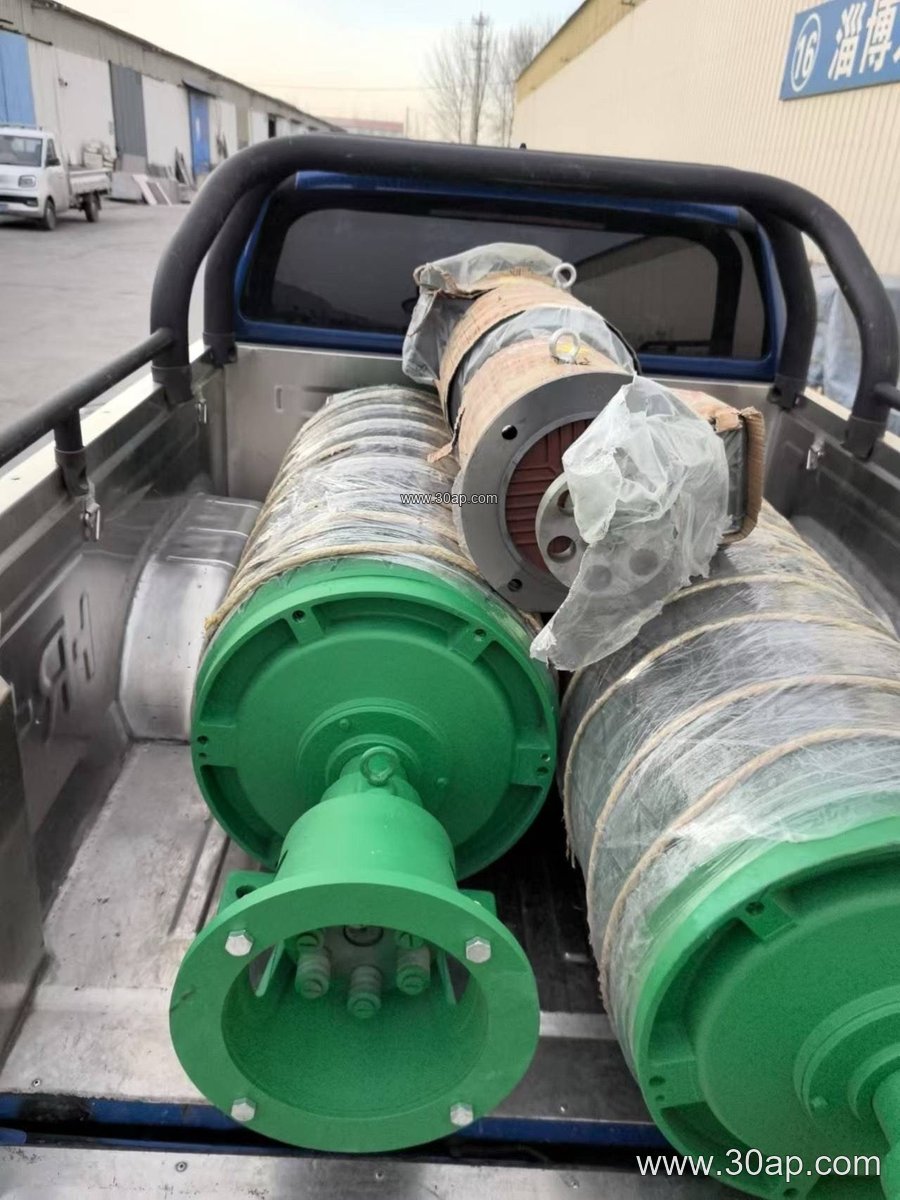
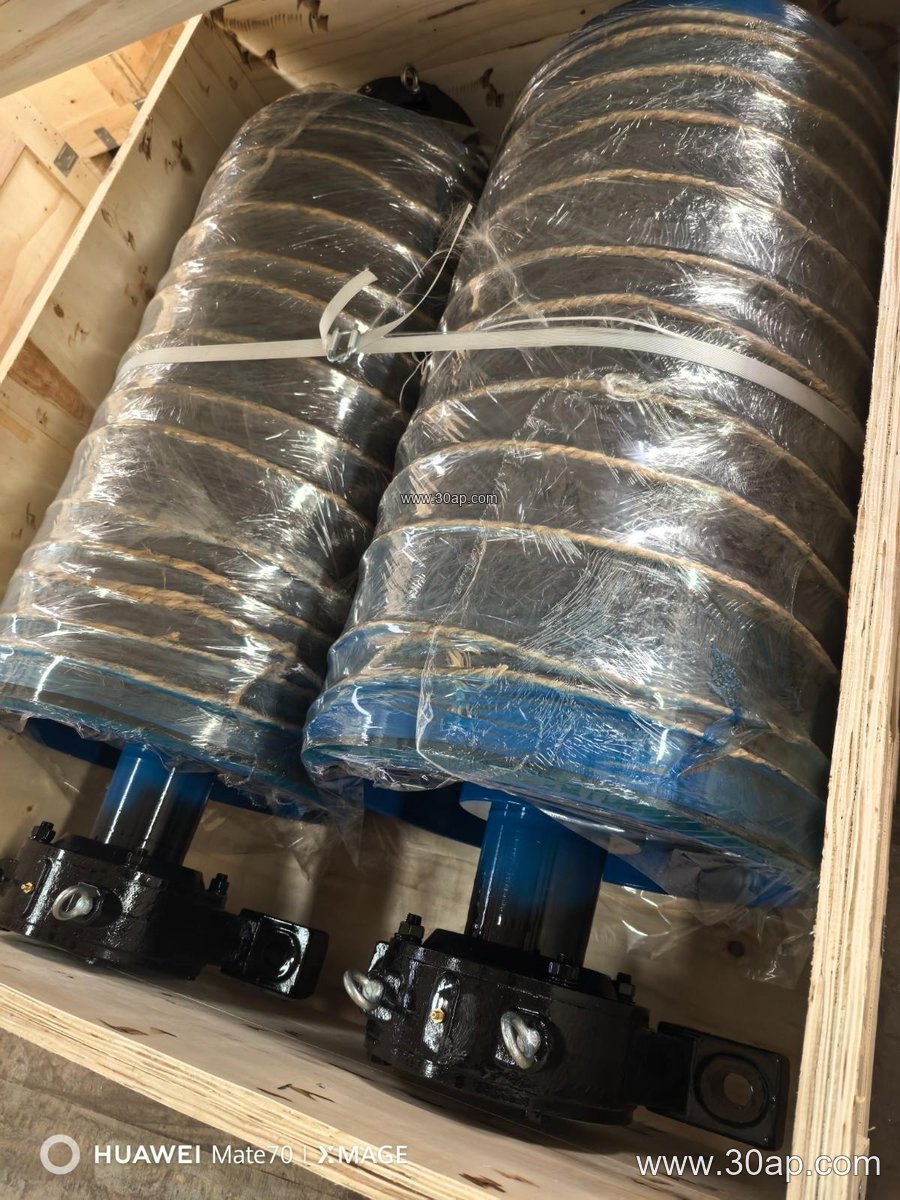
When choosing a ceramic-lined pulley, buyers should first identify the pulley’s duty: drive, tail, bend, or take-up. Drive pulleys need adequate traction, and ceramic lagging can help, but the belt type matters. For example, an EP conveyor belt or NN conveyor belt with a smooth cover may interact differently with ceramic tiles than a chevron conveyor belt or corrugated sidewall conveyor belt. The belt width and pulley face width should be matched: a B1000 belt might use a face width around 1150 mm, while a B1400 belt might use around 1600 mm. Common combinations include B800 × Ø500 and B1200 × Ø1000, but these are examples, not fixed rules. Diameter selection depends on belt speed, tension, and wrap angle. For a drive pulley, larger diameters can reduce belt bending stress; for a bend pulley, space may limit size. Shaft diameter should be confirmed by the pulley manufacturer based on calculated torque and radial load. Lagging thickness and tile pattern should suit the material: sharp rock may require thicker ceramic, while fine cement dust may be fine with standard 10 mm lagging. It is wise to specify the conveyor belt type, such as flame retardant conveyor belt for underground coal mining or heat resistant conveyor belt for clinker, because the pulley surface and belt cover must work together. Also consider environmental factors: a cold resistant conveyor belt in a freezer or a oil resistant conveyor belt in a recycling plant may need different lagging adhesion. Finally, check that the pulley is balanced and that the ceramic tiles are properly bonded; poorly applied tiles can crack or detach. A ceramic-lined pulley is not a substitute for a drive pulley or a tail pulley; it is a surface option applied to the correct pulley type for the position.
Maintenance and Compatibility
Routine inspection of the ceramic surface helps catch tile damage early. Worn or missing tiles reduce traction and can damage the conveyor belt. Keep the pulley clean and aligned with the conveyor bracket and idler roller to avoid edge wear. When replacing a pulley, confirm the shaft size and keyway match the existing drive. Ceramic-lined pulleys are available in many standard belt widths and diameters, so buyers can often find a unit that fits without major modification. For extreme abrasion, a ceramic pulley may outlast a rubber lagged pulley, but it should be selected with the same care as any conveyor pulley. Whether the system handles ore, aggregate, or cement, matching the pulley to the belt and load is the key to reliable performance.