What This Belt Is Built to Do
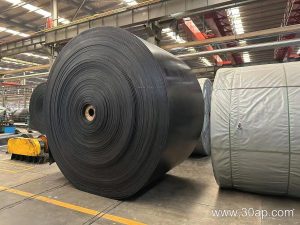
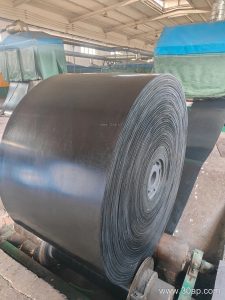
A high abrasion resistant conveyor belt is a heavy-duty rubber belt designed for the parts of a conveyor system where the surface takes constant punishment. In a quarry, a cement plant, a coal mine, or an iron ore terminal, the belt is not merely carrying material; it is being rubbed, cut, and scuffed by sharp rock, clinker, and sinter. The cover compound on this belt is formulated to resist that wear, so the belt keeps its thickness and its grip for longer than a standard general-purpose belt.
The natural product name in most catalogues is simply abrasion resistant rubber conveyor belt, and buyers often refer to it as a wear-resistant belt. Both describe the same product. The key point is that the wear resistance belongs to the rubber cover, not to the fabric or steel carcass underneath.
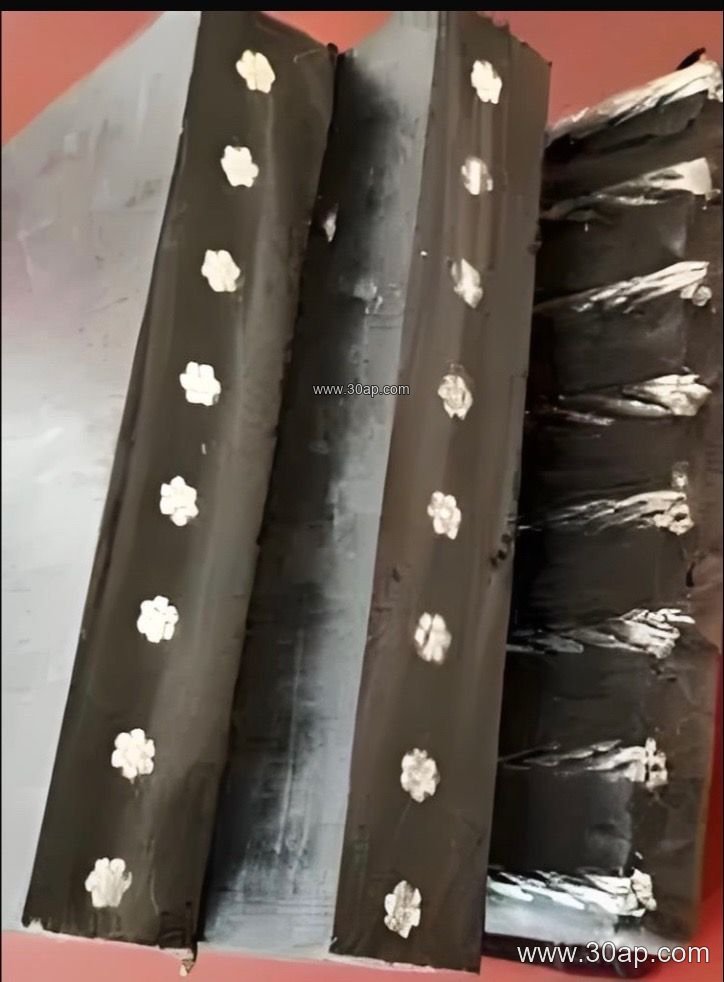
How the Belt Is Put Together
The construction follows the usual layered logic of a fabric or steel reinforced belt. A tension-bearing carcass sits in the middle, and rubber covers protect it from the material and the environment. For an abrasion-focused belt, the top cover is usually the thickest part, because that is the surface that meets the load.
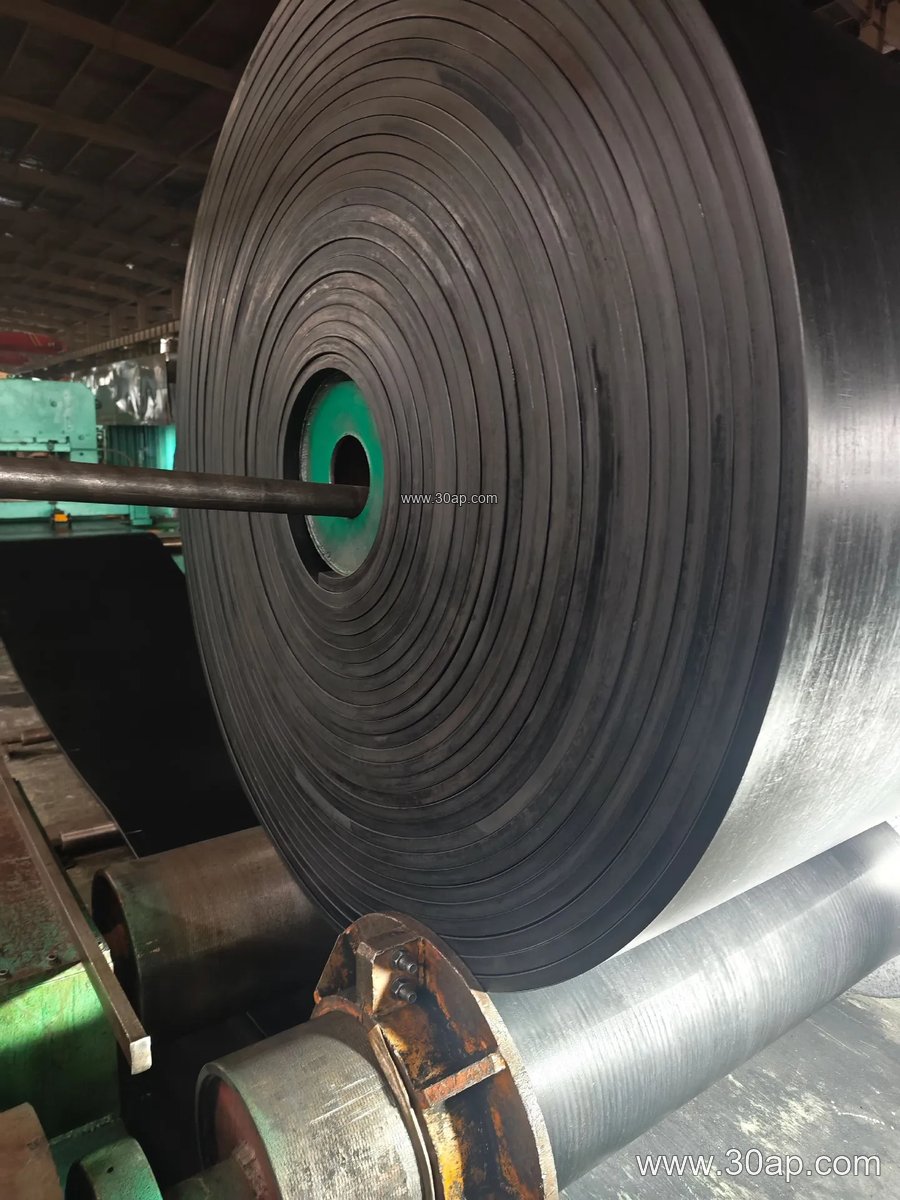
- Top cover: high abrasion resistant rubber, often in the range of 4+2, 5+2, 6+2, or 8+3 mm total cover thickness, depending on the duty.
- Carcass: 2 to 6 plies of EP or NN fabric for most plant conveyors, or a steel cord core where very long runs and high tension are involved.
- Bottom cover: a thinner rubber layer, sized to run over the idler roller and conveyor pulley without excess drag.
An EP conveyor belt is a common choice for the carcass because polyester warp and nylon weft give low stretch and good troughability. A multi-ply fabric core conveyor belt is also common in cement and aggregate plants, where moderate tension and tight pulley spacing suit a flexible carcass. Where the belt must handle both sharp rock and long distances, a steel cord conveyor belt may be selected, but the abrasion resistance still comes from the cover compound.
Where the Belt Earns Its Keep
Wear is not uniform across a plant. The hardest duty usually appears at the transfer point below a crusher, on the incline out of a primary stockpile, and on belts that carry clinker or sinter at temperature. A high abrasion resistant conveyor belt is often specified for those positions, while a heat resistant conveyor belt may be needed on the same site for a different stream. The two are related but not interchangeable: heat resistance addresses temperature, abrasion resistance addresses mechanical wear.
Typical industries include mining, coal preparation, cement, power generation, sand and gravel, and port handling. A quarry conveyor belt carrying blasted rock, an aggregate conveyor belt moving crushed stone, and a crusher conveyor belt receiving primary feed all benefit from a tougher cover. In underground coal mining, a flame retardant conveyor belt is usually required for safety, and an abrasion resistant grade can be combined with flame retardant properties when the buyer specifies both.
Reading the Specification
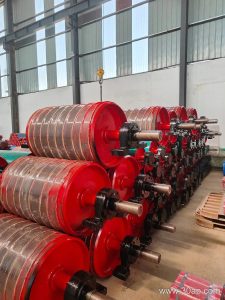
Belt strength is usually quoted as an EP or NN grade, such as EP200, EP400, EP630, EP1000, or EP1250. Width is quoted in millimetres, and common plant sizes include B650, B800, B1000, B1200, B1400, and B1600. These are reference points, not fixed rules. A wider belt does not automatically dictate a particular pulley diameter; the conveyor pulley, drive pulley, and bend pulley are sized from the belt tension, the wrap angle, and the shaft load, which the conveyor designer calculates.
| Parameter | Common Reference Range |
|---|---|
| Belt type | EP, NN, steel cord, PVG for underground |
| Strength grade | EP200 to EP2000 |
| Belt width | B500 to B2000 |
| Cover thickness | 3+1.5, 4+2, 5+2, 6+2, 8+3 mm |
| Carcass plies | 2 to 6 layers |
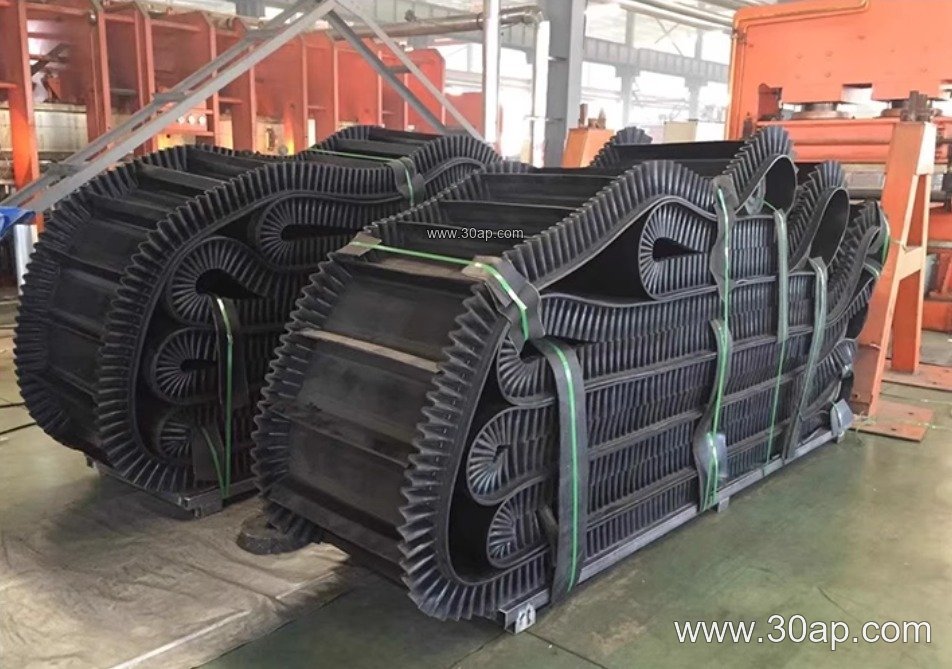
For a plant that also handles sticky or wet material, a chevron conveyor belt or a corrugated sidewall conveyor belt may solve the incline problem, but those are different surface forms. They are mentioned here only for comparison, not as a substitute for the abrasion resistant belt itself.
What a Buyer Should Check
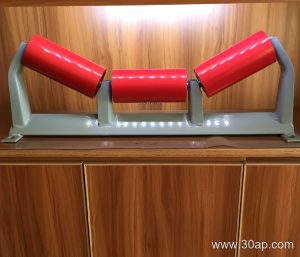
Ask for the cover compound data and the carcass grade together, because a thick cover on a weak carcass will not last. Confirm the belt width against the existing conveyor structure, and check that the conveyor bracket and idler roller positions suit the belt thickness. On site, keep the belt tracking straight, avoid material spillage at transfer points, and inspect the cover for cuts before they reach the carcass. A well-matched abrasion resistant conveyor belt, run on properly aligned pulleys and rollers, will usually outlast a general belt by a wide margin in hard rock and clinker service.