What a 1400mm Conveyor Belt Is
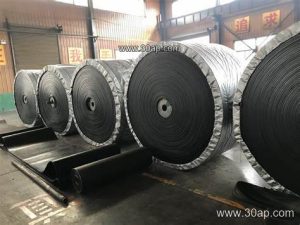
A 1400mm conveyor belt is a wide-format rubber or fabric belt built for conveying lines that need high capacity without running at extreme speed. With a nominal width of 1400 mm, it sits in the heavy end of standard belt widths and is often chosen where lump size, throughput and belt stability all matter at once. In practice, buyers refer to it simply as a 1400mm wide conveyor belt, and the same product may be supplied as an EP conveyor belt, an NN conveyor belt, or a steel cord conveyor belt depending on the duty.
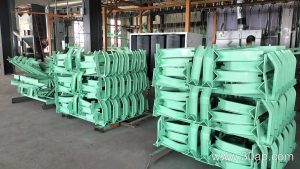
Width alone does not define the belt. The carcass, cover grade, number of plies and splice method are all selected together with the conveyor structure, including the idler roller frames, conveyor pulley arrangement and conveyor bracket spacing.
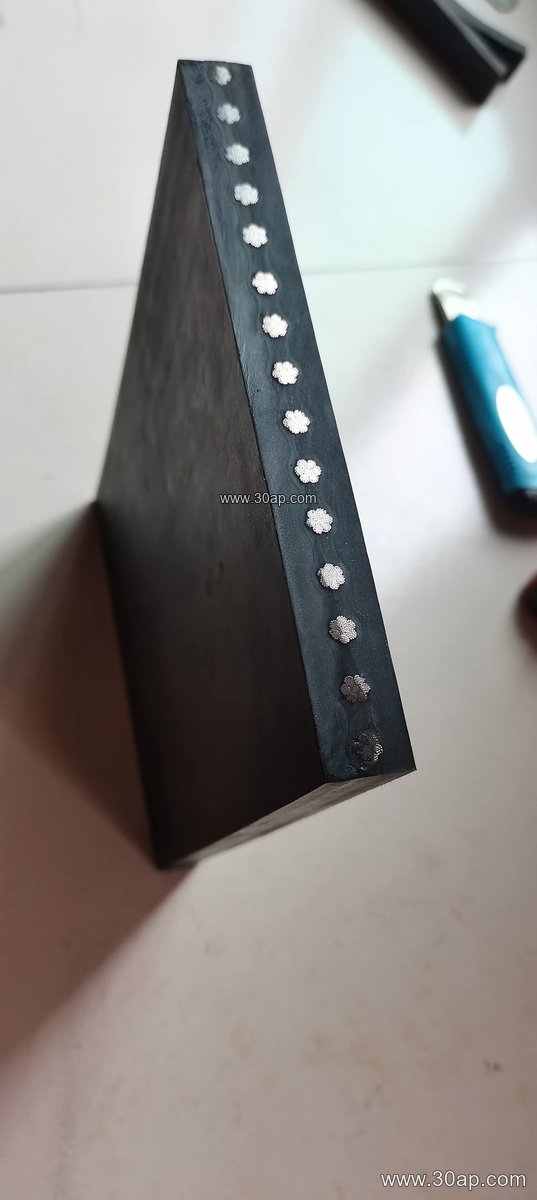
Construction and Common Specifications
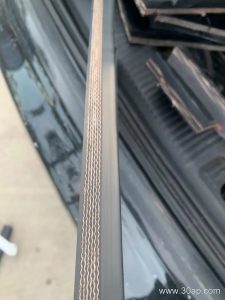
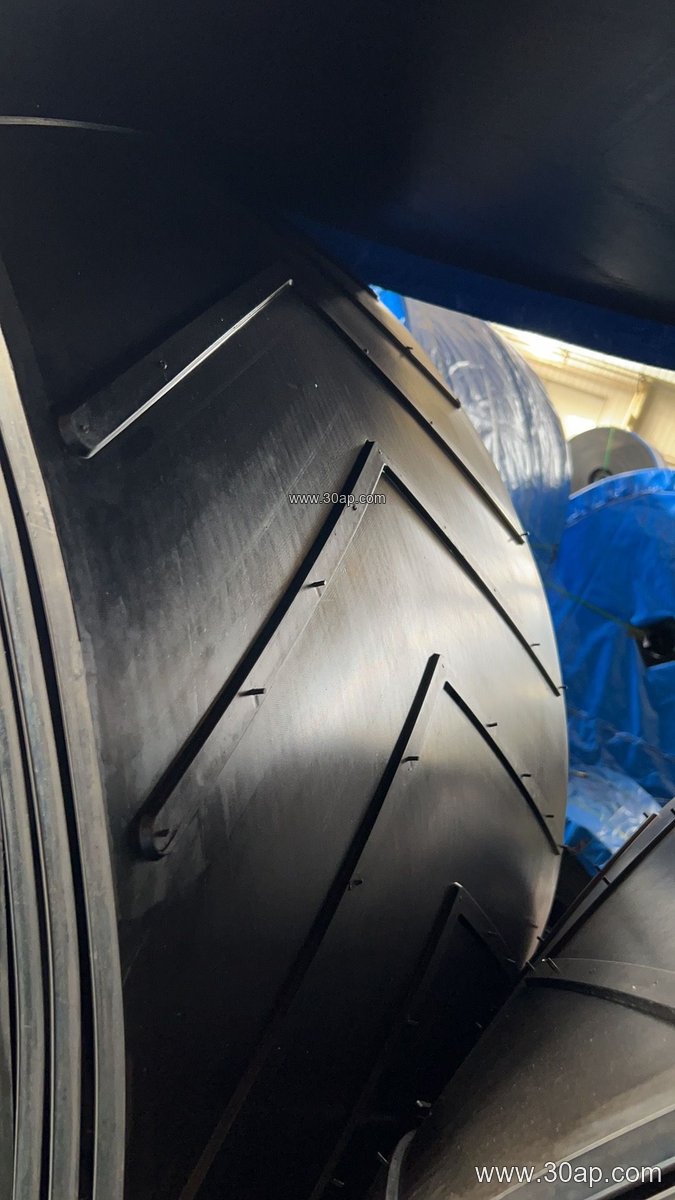
A belt of this width is usually built around a multi-ply fabric core or a steel cord carcass. Fabric designs are common in quarry, cement and aggregate service, while steel cord constructions suit long overland runs and high tensions. Cover rubber is chosen for the material being carried: abrasion resistant for crushed rock, heat resistant near clinker or sinter, oil resistant for recycled and oily loads, and flame retardant for coal mining and underground coal mining conveyors.
The table below shows typical reference values. Actual values are confirmed by design and vary between manufacturers.
Reference Parameters for 1400mm Wide Belts
- Nominal width: B1400 (1400 mm)
- Fabric carcass: 2 to 6 plies, depending on tension
- EP grades seen in this width: EP200, EP315, EP400, EP500, EP630, EP800, EP1000, EP1250
- Steel cord grades for heavy duty: ST1000, ST1250, ST1600, ST2000, ST2500
- Cover thickness examples: 4+2 mm, 5+2 mm, 6+2 mm, 8+3 mm
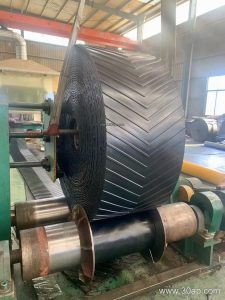
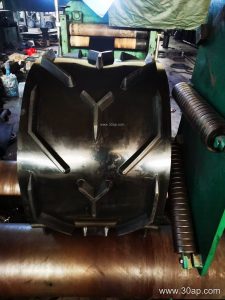
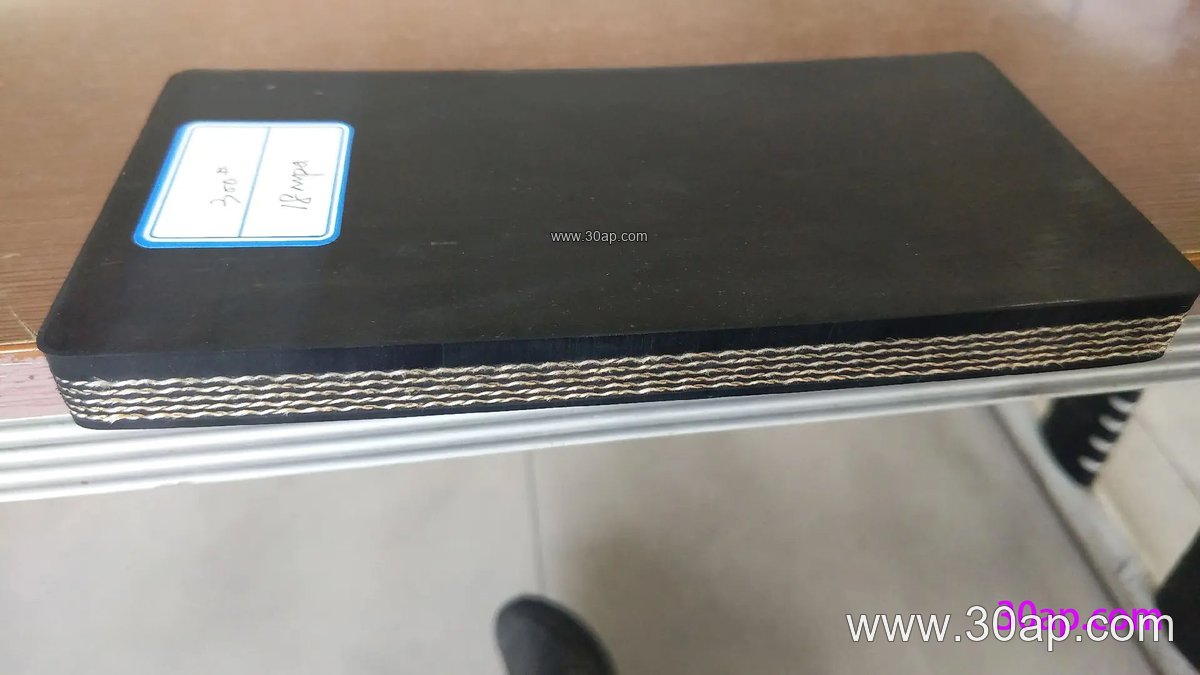
- Surface forms: plain, chevron, corrugated sidewall, skirted
For a 1400mm conveyor belt, cover thickness and carcass grade are usually stated together, for example EP630 with 6+2 mm covers, so the specification is complete before ordering.
Where This Width Fits
A 1400 mm belt is a practical middle ground between 1200mm and 1600mm wide belts. Mines, coal preparation plants, cement works, power plants and large sand and gravel yards use it on main haulage and transfer lines where a 1200mm belt would be marginal but a 1600mm or 1800mm belt would add unnecessary structure cost.
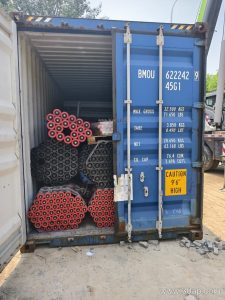
Typical duties include crusher discharge, stockyard feed, ship loading and bulk material transfer. In these positions the belt works with troughing idler rollers, a drive pulley at the head, a tail pulley and bend pulleys on the return run, all carried on fabricated conveyor brackets. A 1400mm belt also appears in pipe conveyor and corrugated sidewall designs where the flat width is folded or fitted with sidewalls, but those are separate constructions and should be specified as such.
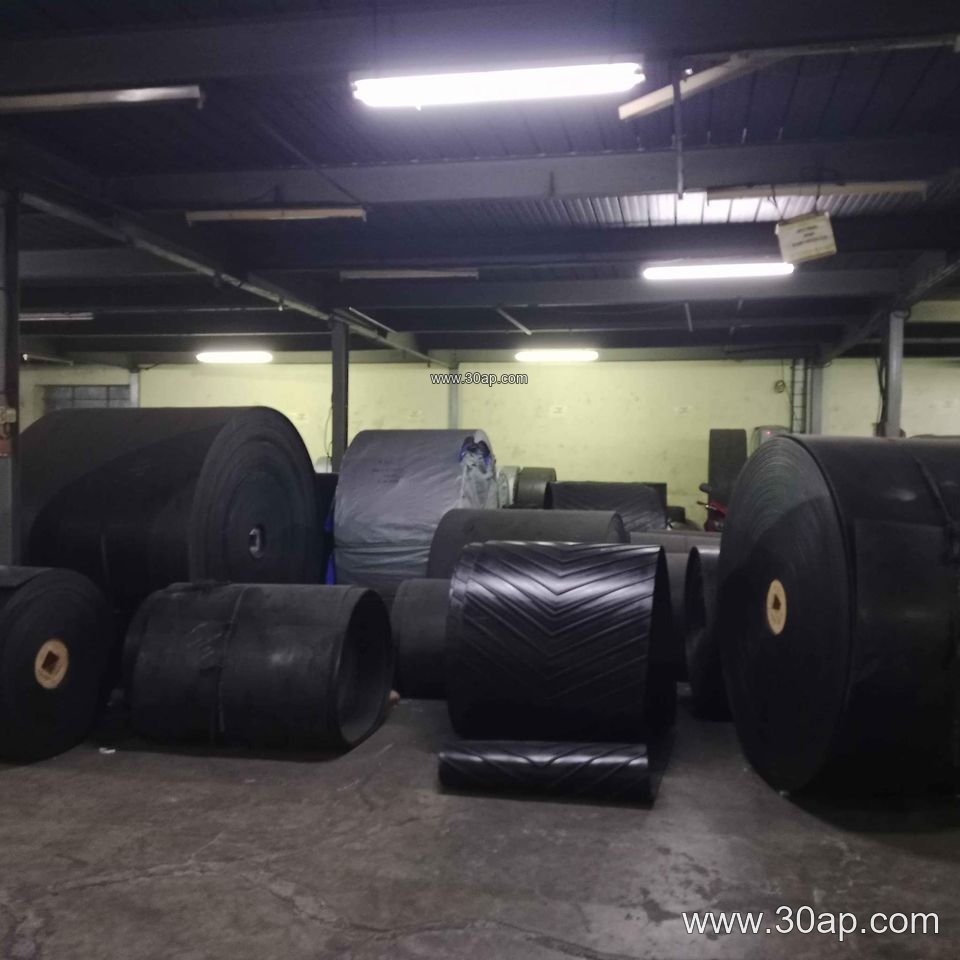
Selection Points for Buyers
Start with the material: lump size, bulk density, moisture, temperature and whether the load is oily or chemically active. Then confirm the required tension so the carcass grade and ply count can be fixed. A 1400mm abrasion resistant conveyor belt for stone crushing duty is a different product from a flame retardant belt for an underground coal mine, even though both are 1400 mm wide.
Check the pulley diameters and idler roller spacing against the belt thickness and flexibility, since a stiff heavy-duty belt needs larger pulleys than a thin two-ply belt. Do not assume a fixed pulley or shaft size from belt width alone; these come from the conveyor design. Confirm edge condition, splice type and whether an endless conveyor belt is required for the application.
Installation and Maintenance Notes
Wide belts are less forgiving of misalignment. Keep the tail pulley and bend pulleys square to the frame, maintain uniform idler roller heights, and check conveyor brackets for looseness after the first weeks of running. Track the belt at low speed before loading it fully. Inspect covers for cuts and exposed carcass, and check the splice regularly, since most failures begin at the joint or at the edges.
Store spare belts flat and away from ozone and sunlight, and record the belt grade so a replacement matches the original specification rather than only its width.