What Is a Non-Standard Conveyor Bracket?
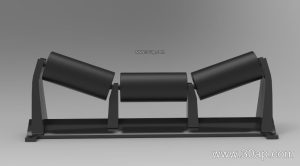
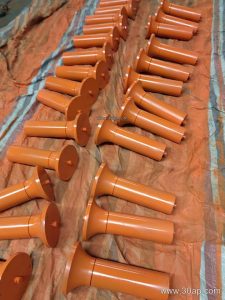
A non-standard conveyor bracket is a custom-fabricated support component that holds idler rollers in place along a conveyor frame. Unlike catalog-standard brackets, these are engineered to match specific belt widths, trough angles, roller diameters, and mounting interfaces that fall outside common ranges. In industries such as mining, coal preparation, cement plants, and power station coal handling, the conveyor path often includes transitions, curves, or space restrictions that standard brackets cannot accommodate. This is where a non-standard conveyor bracket becomes essential.
Construction and Materials
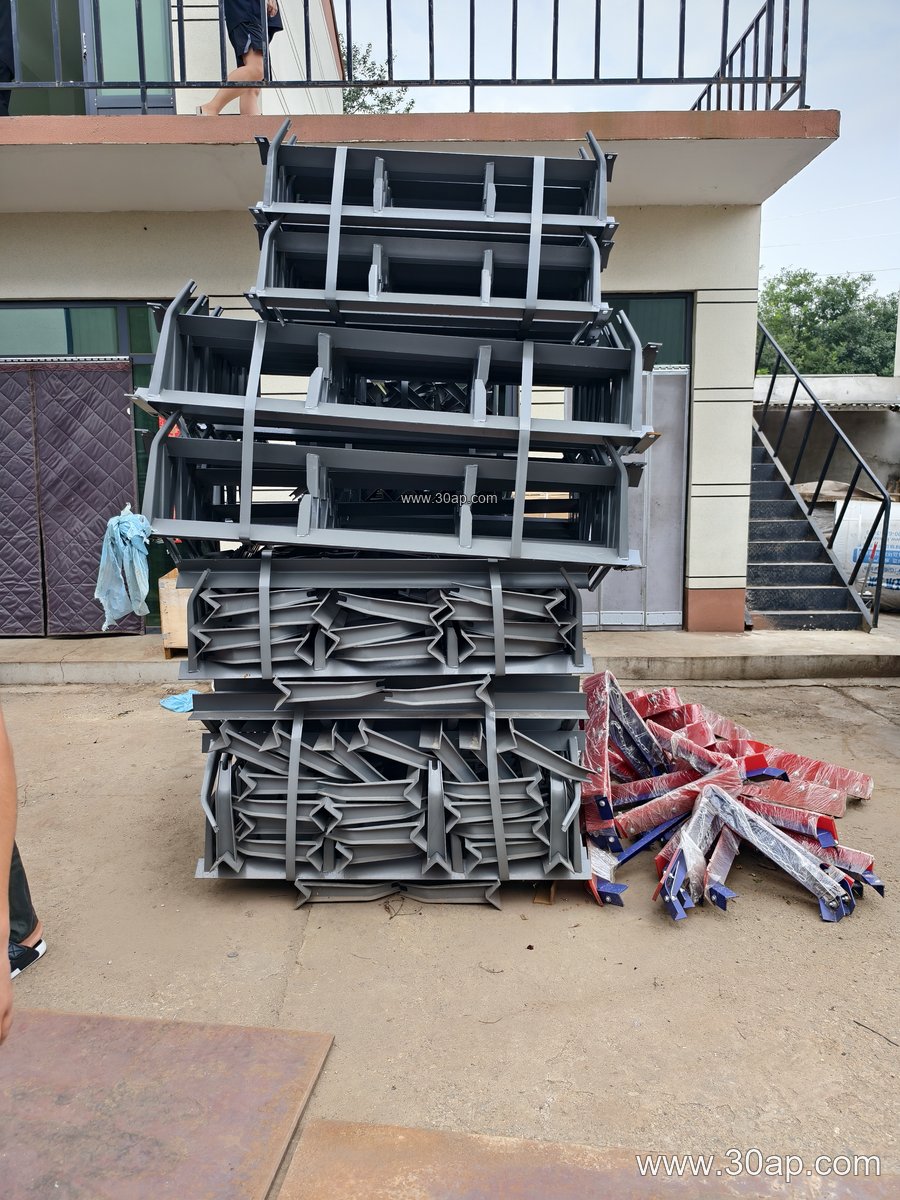
These brackets are typically made from angle steel, channel steel, or bent steel plate. The choice of material depends on load requirements and environmental conditions. For heavy-duty mining conveyor belt systems, thicker channel steel is common. In dusty or corrosive settings, surface treatment and material grade are selected to suit the site. Fabrication involves cutting, drilling, bending, and welding to achieve precise mounting hole spacing and beam length. Because every non-standard conveyor bracket is made to order, the design must account for the actual conveyor pulley and idler roller positions, as well as the belt width and trough angle.
Where They Are Used
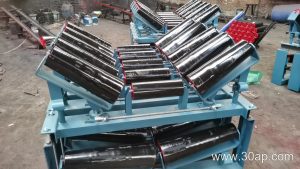
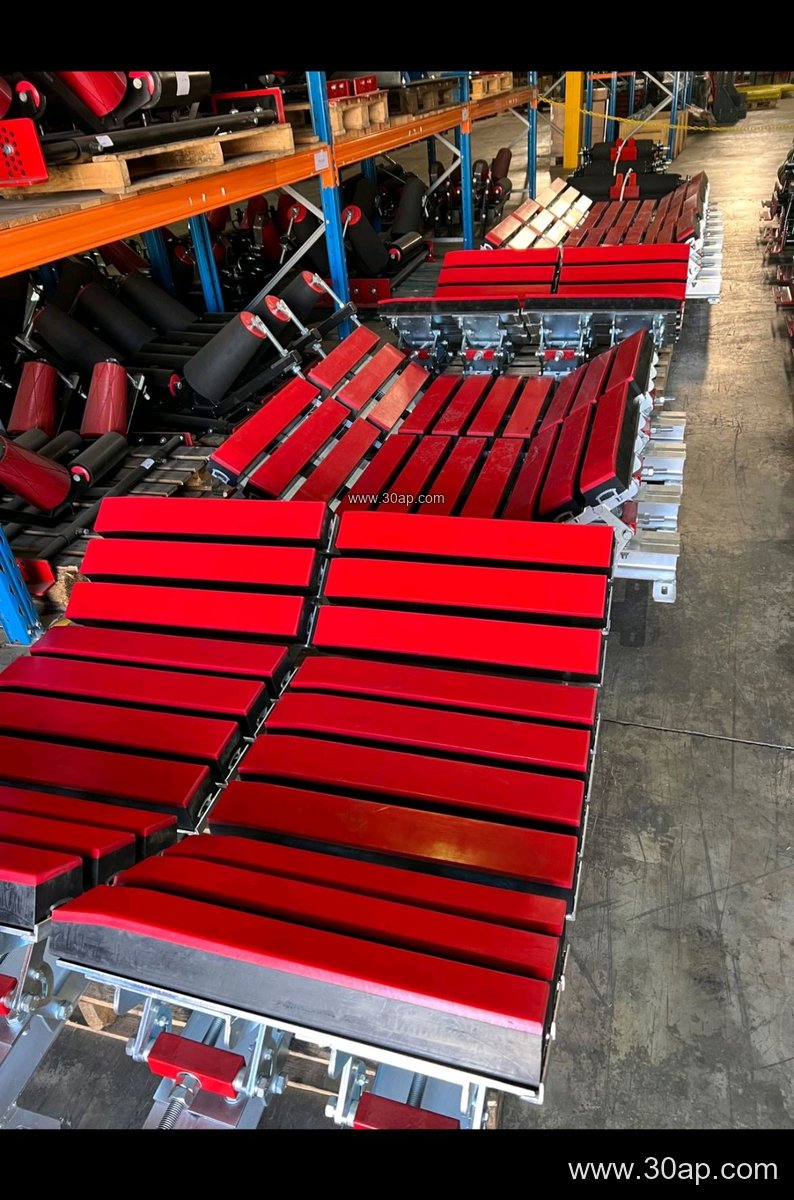
Non-standard conveyor brackets appear in a range of bulk material handling operations. In a quarry or aggregate plant, they may support transition idlers where the belt changes from flat to troughed. In a coal mining conveyor system, they can be found at transfer points or where the frame must fit around structural steel. Cement plants use them in clinker and raw material conveying lines, while power plants rely on them in coal handling systems. The common thread is that the bracket must adapt to a non-standard frame or roller arrangement without compromising belt support.
Key Parameters and Selection
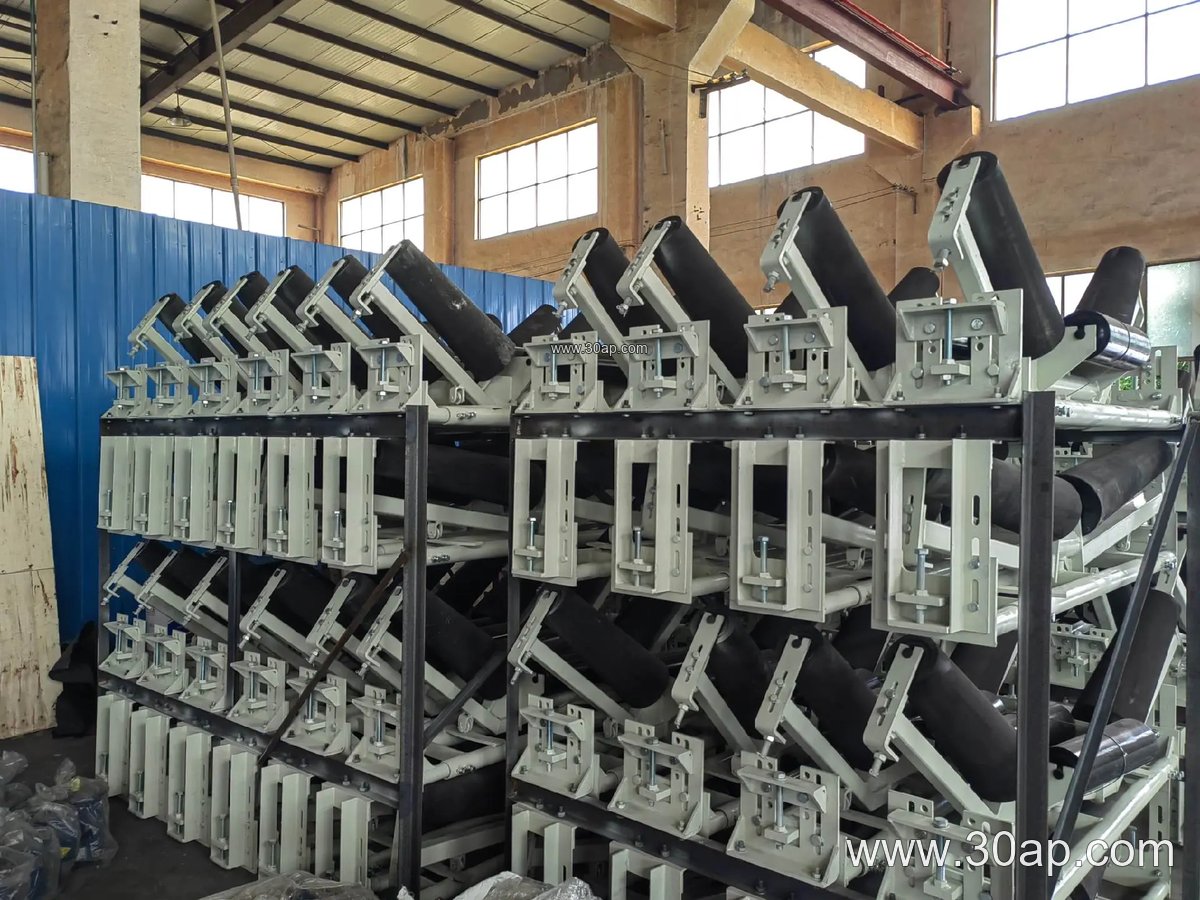
When specifying a non-standard conveyor bracket, several parameters come into play. The table below lists common reference values; actual dimensions are determined by the conveyor design.
| Parameter | Common Reference Values |
|---|---|
| Belt width (B) | B500, B650, B800, B1000, B1200, B1400, B1600, B1800, B2000, B2200 |
| Trough angle | 20°, 30°, 35°, 45° (adjustable brackets can vary within this range) |
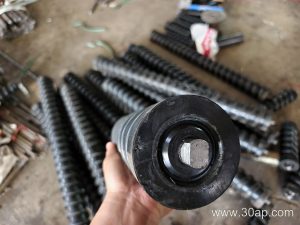
| Idler diameter | Ø89, Ø108, Ø133, Ø159, Ø194 |
| Material | Angle steel, channel steel, bent steel plate |
| Mounting hole spacing | Determined by belt width and trough angle |
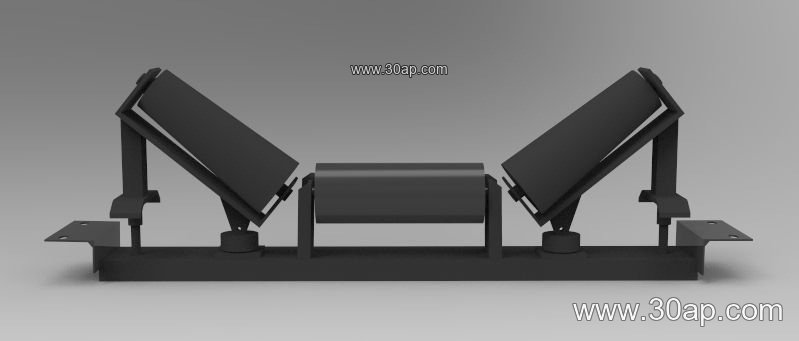
Examples of combinations include B800 with 35° and Ø108, or B1200 with 45° and Ø133. However, no single belt width is locked to one trough angle or roller diameter; the bracket design must match the overall conveyor specification. Adjustable brackets allow on-site changes to the trough angle, which can be useful during commissioning or when belt tracking needs fine-tuning. Forward-leaning brackets, often set at about 1.5° to 2°, are another variant that can be incorporated into a non-standard design.
Buyer Checklist
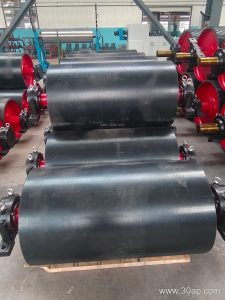
Before ordering a non-standard conveyor bracket, gather the following information: the conveyor belt width, the required trough angle, the idler roller diameter, the mounting hole pattern, and the available space around the frame. Also consider the environment—for example, a coal mining conveyor belt may require flame retardant properties in surrounding components, while a cement plant may demand abrasion resistance. The bracket itself does not carry the belt; it supports the idlers that in turn support the belt. Therefore, accurate coordination with the conveyor pulley and idler roller supplier is critical. Remember that drive pulleys, tail pulleys, and bend pulleys are not interchangeable, and each has its own bracket or support requirements. A non-standard conveyor bracket should be specified with the exact pulley or idler interface in mind.
For more information on conveyor components, visit conveyor bracket and conveyor pulley resources. Related equipment such as EP conveyor belt, steel cord conveyor belt, and flame retardant conveyor belt are often used alongside these brackets in mining and cement applications.