What a Guide Idler Does
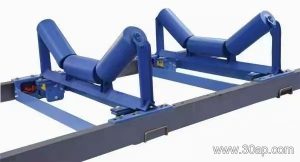
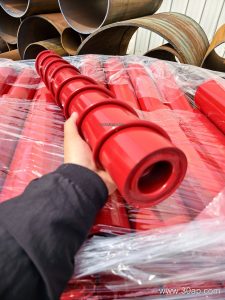
A guide idler is a small-diameter idler roller mounted where the conveyor belt needs a gentle correction or a defined edge. Instead of carrying the full material load like a troughing idler, it acts as a steering and locating element: vertical guide rollers pinch the belt edges on a pipe conveyor or a corrugated sidewall belt, while inclined guide rollers near a loading point keep the belt centered before the load settles. In many plants the same duty is described simply as a belt guide roller or a training roller, but its job is distinct from the load-bearing idler group.
Because it touches the belt edge rather than the belt center, a guide idler is usually built lighter than a troughing idler, yet its bearing and seal quality matter just as much. Dust from a limestone quarry or fine cement powder will find any weak seal, and a seized guide roller can scuff the belt edge faster than a worn carrying idler.
Construction Details That Matter
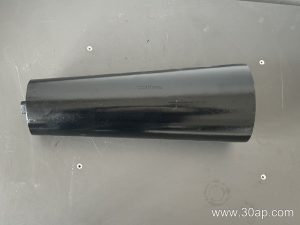
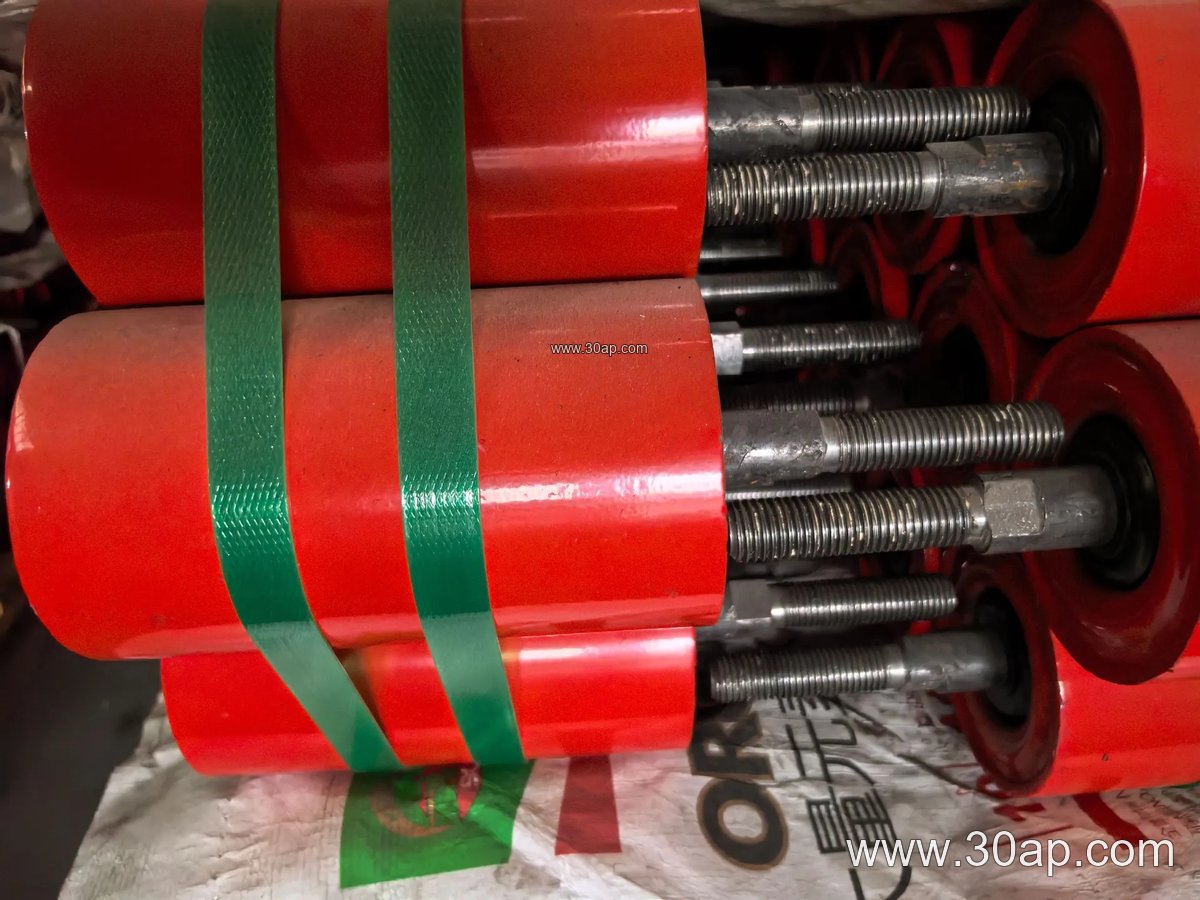
A typical guide idler uses a steel tube shell, pressed end caps, a through shaft and a pair of deep-groove ball bearings. Common bearing sizes include 6204, 6205, 6305 and 6306, selected according to shaft and load rather than matched to one shell diameter. Roller diameters are often smaller than carrying idlers, with Ø63, Ø76, Ø89 and Ø102 appearing frequently in edge-guide positions; larger sizes such as Ø127 or Ø133 are used when the guide roller also carries part of the belt weight.
Surface options follow the duty. Plain steel is normal for dry, abrasive ore; nylon or ceramic covers reduce friction where the belt edge slides; rubber rings give grip and cushioning on a steep or reversing section. Shaft ends can be threaded, flattened or fitted with a bracket mount, which is why the conveyor bracket drawing should be checked before ordering.
Where Guide Idlers Are Used
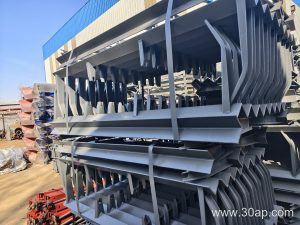
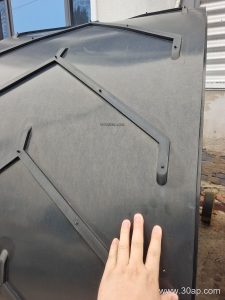
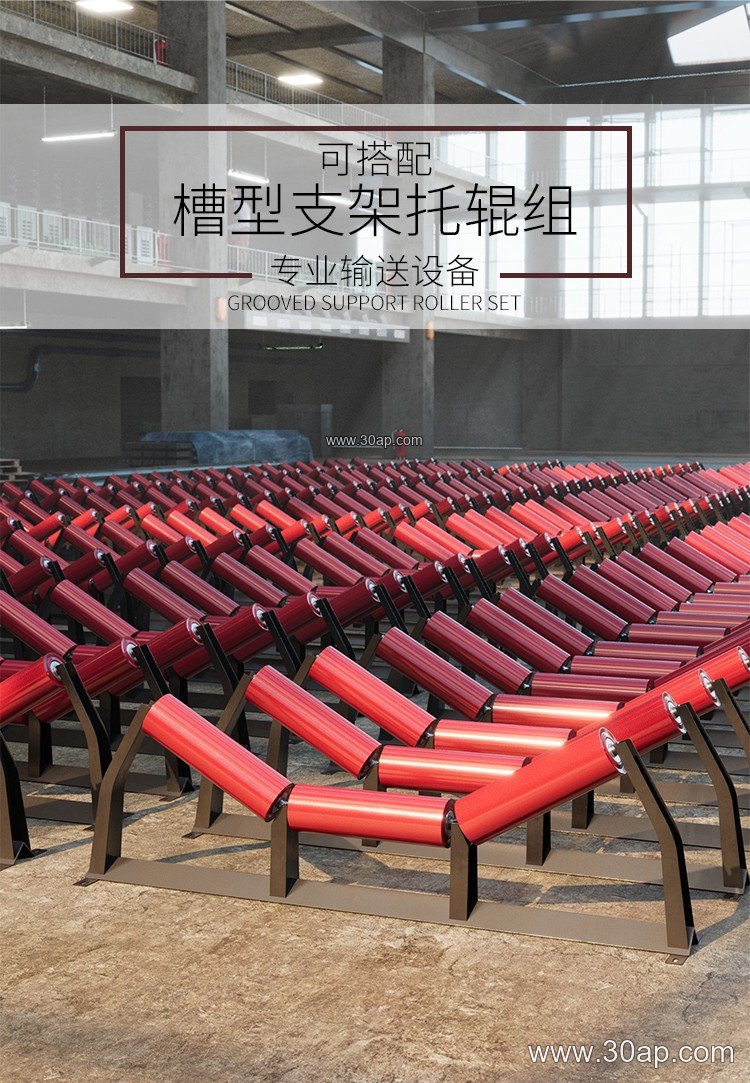
In a coal handling plant, guide rollers are often placed just ahead of the transfer chute to stop the belt from wandering as it receives a fast, uneven stream. In a sand and aggregate line, they appear at the head and tail of short conveyors and on mobile crushing units where frame alignment is never perfect. Pipe conveyor and corrugated sidewall belt installations rely on vertical guide rollers to hold the belt profile, and these are a different duty from the bend pulley at the drive end.
Guide idlers are not a substitute for a self-aligning troughing set. A training idler with a pivoting frame corrects a long, drifting belt section, while a guide idler defines a local path. On a quarry conveyor carrying abrasive rock, a worn return idler or a misaligned conveyor pulley is often the real cause of belt wander, and adding guide rollers will not fix that.
Common Reference Dimensions
The table below gives typical guide idler references; actual values follow the belt width, the mounting position and the frame design.
- Roller diameter: Ø63, Ø76, Ø89, Ø102, Ø108, Ø127, Ø133 mm
- Belt width: B500, B650, B800, B1000, B1200, B1400, B1600 mm
- Shell material: steel tube, nylon, ceramic, rubber ring
- Bearing: 6204, 6205, 6305, 6306
- Mounting: bracket, through shaft, threaded end
For comparison, a three-roll troughing set on B800 usually uses rolls around 315 mm long, whereas an edge guide roller on the same belt may be only 100 to 150 mm long. Neither figure is universal; the drawing governs.
Buyer Checklist
Confirm the belt width and the exact mounting height before choosing a size. Ask whether the roller runs against the belt edge, the sidewall or the pipe profile, since a rubber-ring roller on a bare edge can wear differently from a steel roller. Check the shaft end and bracket hole pattern, and specify the seal type for dusty or wet conditions. On a coal mining conveyor belt or an underground coal mining conveyor belt, flame retardant properties of the belt itself are regulated, but the guide idler should still use a grease that suits the ambient temperature.
Finally, treat guide idlers as wear parts. Inspect them together with the idler roller group and the conveyor pulley lagging, replace a seized roller early, and keep a small stock of the common diameters for each belt width. A cheap guide roller that fails in a week costs more than a properly sealed one that lasts a year.