What a Tapered Self-Aligning Idler Does
A tapered self-aligning idler is a training idler built with tapered rollers that steer a drifting conveyor belt back toward the center line. The tapered shape changes the surface speed across the roller face, so when the belt edges onto one side, the resulting friction difference nudges it back. In a quarry, a coal handling plant, or a cement clinker line, this small correction prevents edge damage, spillage, and the downtime that follows a belt running off its pulleys.
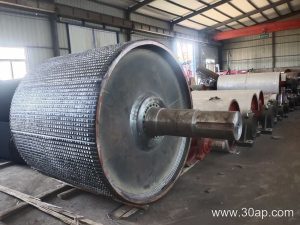
The same product is also called a conical self-aligning idler or taper training idler. These names describe the same assembly, not a different component. It is not a drive pulley, a tail pulley, or a bend pulley; those are conveyor pulleys that transmit power or change belt direction, while this idler only guides the belt.
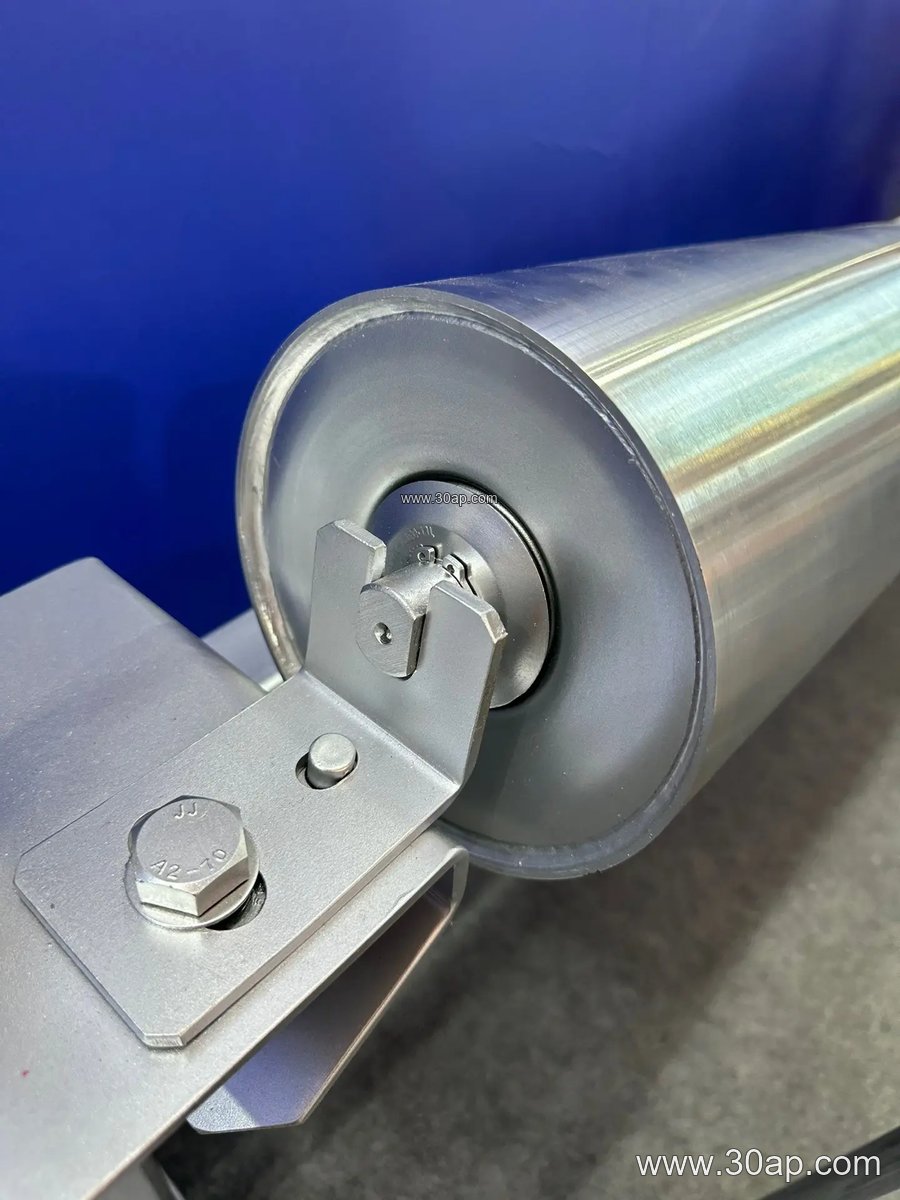
How the Assembly Is Built
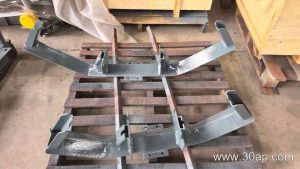
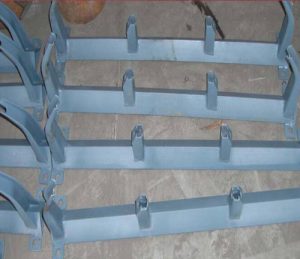
A typical unit pairs two tapered rollers on a common frame that pivots about a vertical shaft. The frame is mounted on a conveyor bracket attached to the main stringer. When the belt contacts the tapered face, the assembly rotates slightly and the angled rollers push the belt inward. A small forward tilt of about 1.5 to 2 degrees is sometimes used on training idlers to improve response, but the exact setting depends on the conveyor design.
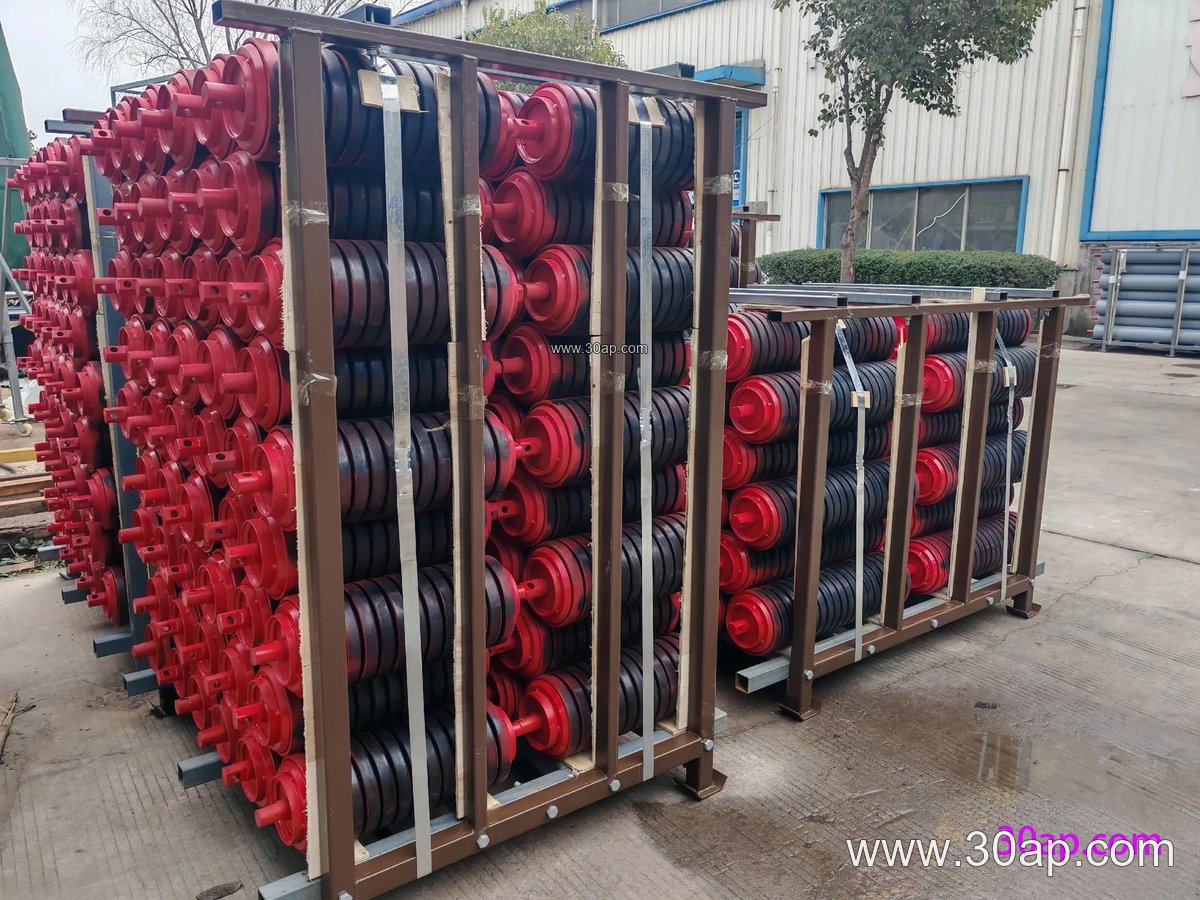
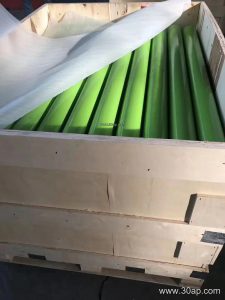
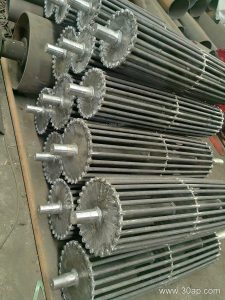
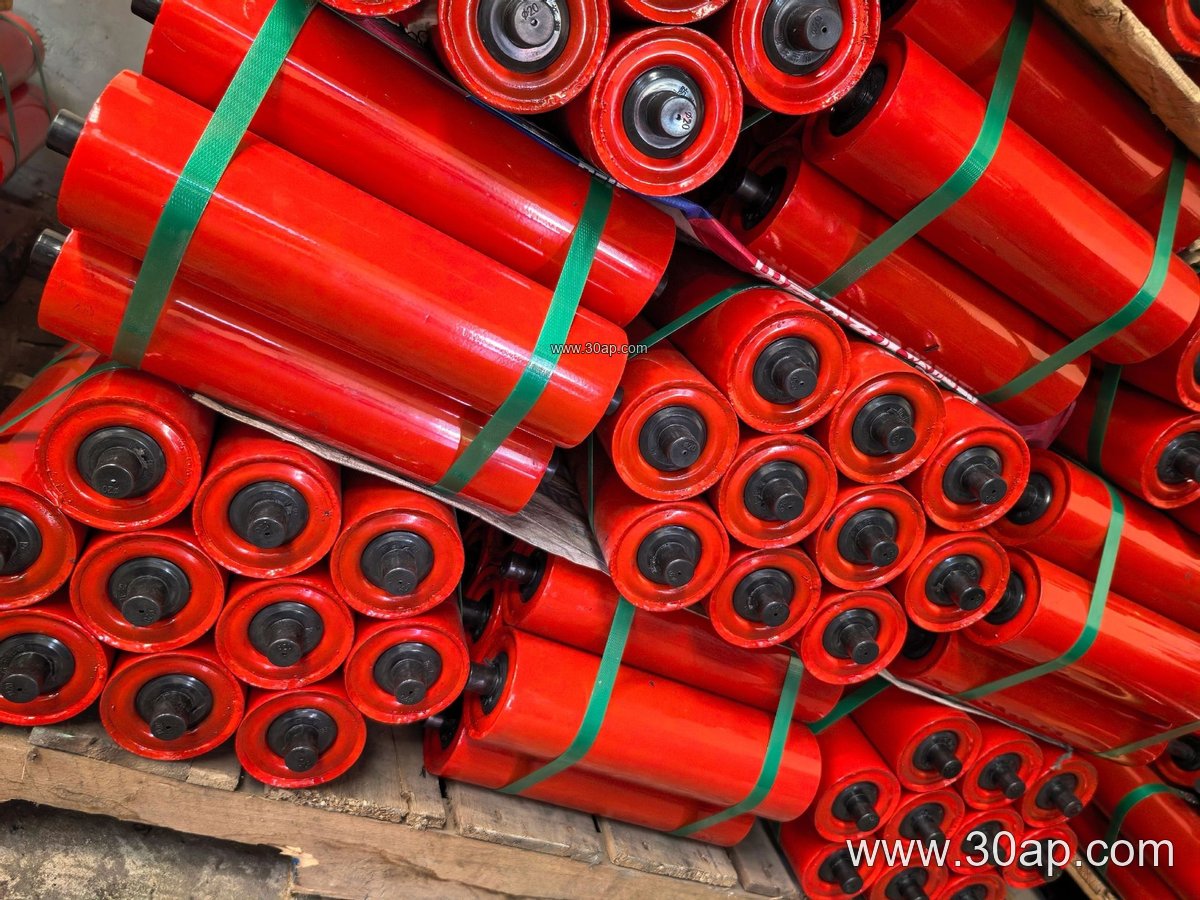
Roller shells are usually steel tube, with rubber rings or ceramic lagging offered for grip in wet or dusty service. Bearings such as 6204, 6205, 6305, 6306, 6308, or 6310 may be fitted depending on load and shaft size; none of these is tied to one roller diameter. Seals matter in a limestone mine or a power plant coal yard, where fine dust and moisture attack bearing cavities.
Where It Fits on the Conveyor
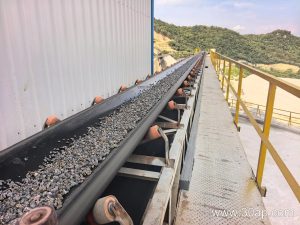
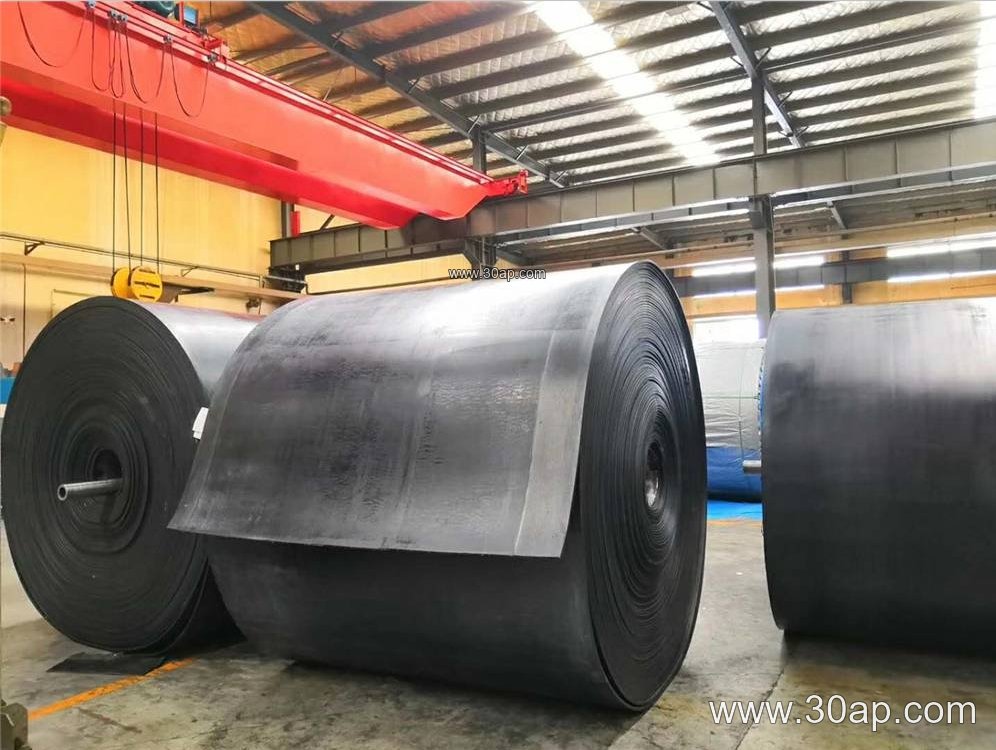
Training idlers are commonly placed on the carrying side near the tail, ahead of the head pulley, and at intervals along long runs. On the return side, a V-type or flat return idler may still be used, and a tapered self-aligning idler is chosen where belt wander is a recurring problem. In a copper ore or iron ore operation, a heavy-duty mining conveyor belt under high tension benefits from this guidance, especially where the belt is wide and the structure long.
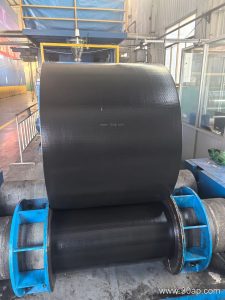
The idler works with the conveyor belt rather than replacing troughing or impact idlers. A three-roll troughing set still supports the load; the self-aligning unit corrects tracking. Likewise, a rubber buffer idler absorbs impact at the loading point, which is a different job.
Common Sizes and Matching Data
Roller diameter and belt width are selected together, but there is no single mandatory pairing. The table below gives common reference values, not fixed rules or a supply promise.
| Reference item | Common values |
|---|---|
| Roller diameter | Ø63, Ø76, Ø89, Ø102, Ø108, Ø127, Ø133, Ø159, Ø178, Ø194, Ø219 mm |
| Belt width | B400, B500, B650, B800, B1000, B1200, B1400, B1600, B1800, B2000, B2200, B2400 |
| Trough angle | 20, 30, 35, 45 degrees |
| Roller length example, three-roll trough | about 200 mm at B500, 315 mm at B800, 465 mm at B1200, 600 mm at B1600, 750 mm at B2000 |
| Bearing options | 6204, 6205, 6305, 6306, 6308, 6310 |
Side rollers and center rollers can differ in length, and the figures above are only typical examples. A 1200mm wide conveyor belt does not automatically dictate one shaft diameter; the shaft is set by the idler frame design and the load case. Buyers should confirm mounting dimensions, shaft ends, and bracket spacing against the actual conveyor.
Buyer Checklist
- Confirm belt width and trough angle, and check whether the existing frame is a two-roll or three-roll arrangement.
- State the duty: abrasive ore, wet coal, or high-temperature clinker calls for different roller surfaces and seals.
- Ask for the pivot and bracket dimensions so the unit fits the existing conveyor bracket without field modification.
- Check that the roller surface suits the belt. A chevron conveyor belt or corrugated sidewall conveyor belt has a textured or raised profile, so roller contact and clearance need review.
- Match the idler to the belt type in service, whether an EP conveyor belt, NN conveyor belt, or steel cord conveyor belt, since tension and stiffness affect tracking behavior.
In a sand and gravel plant or a tunnel spoil line, a tapered self-aligning idler is a low-cost way to protect belt edges and reduce cleanup. Correct selection starts with the conveyor layout, not with a single size number. For related conveyor components such as conveyor idler rollers, conveyor pulleys, and conveyor brackets, check dimensions against the same layout drawing before ordering.