What a Guide Pulley Does
A guide pulley is a small but decisive component in a belt conveyor. Its job is not to drive the belt or to carry the main tension at the discharge end; it is to steer the belt along the correct path, hold it against the carrying idlers, and correct the tracking before the belt drifts into the structure. In a coal mining conveyor or a limestone quarry line, a single misaligned belt can spill material along the whole length, so this pulley often determines how clean and stable the line runs.
Buyers sometimes confuse the guide pulley with other rolls in the same frame. A drive pulley transmits power, a tail pulley sets the return point, and a bend pulley changes belt direction. Those are separate functions and not interchangeable with a guide roll. This article stays with the guide pulley and mentions the others only where a comparison helps.
Construction and Surface Options
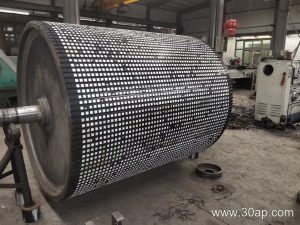
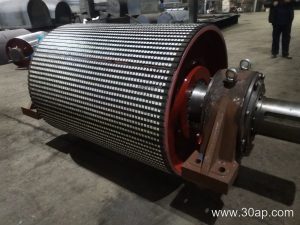
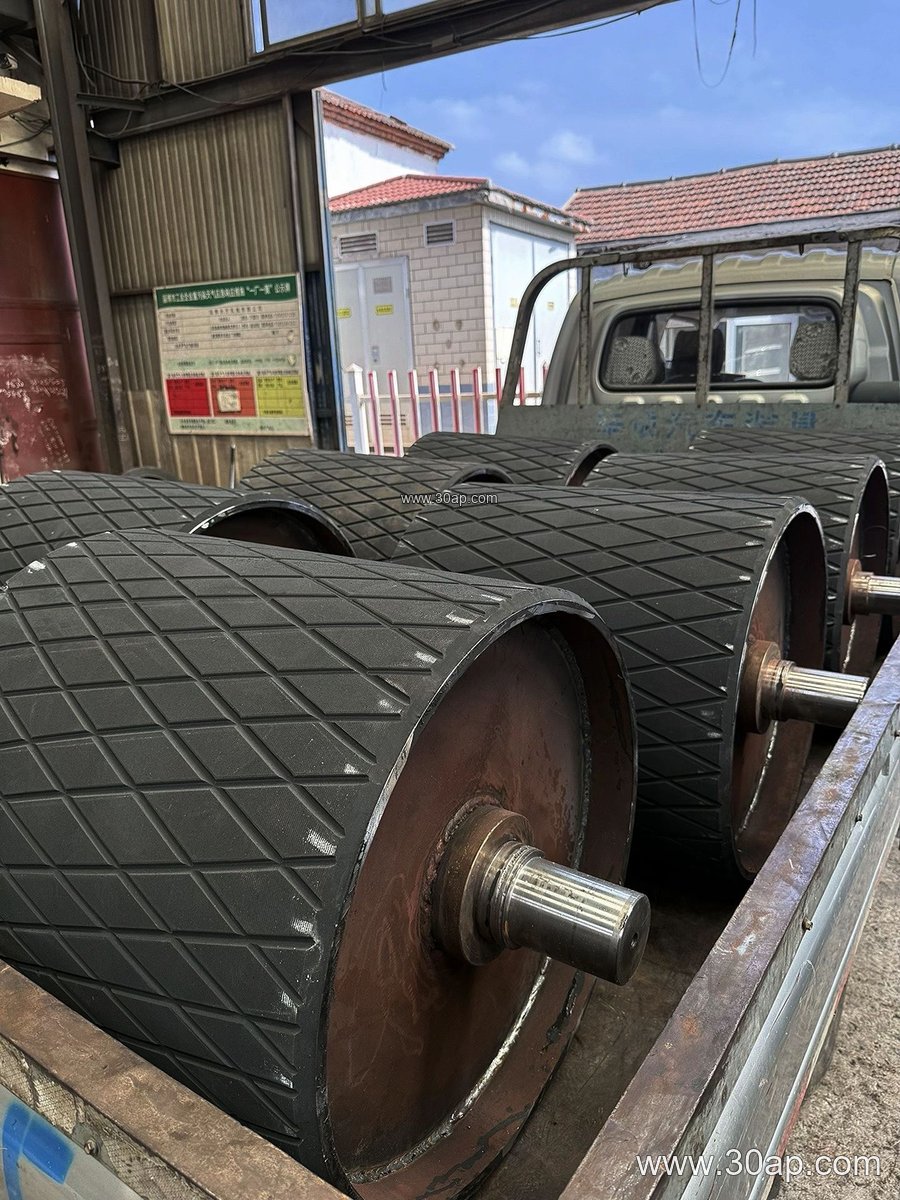
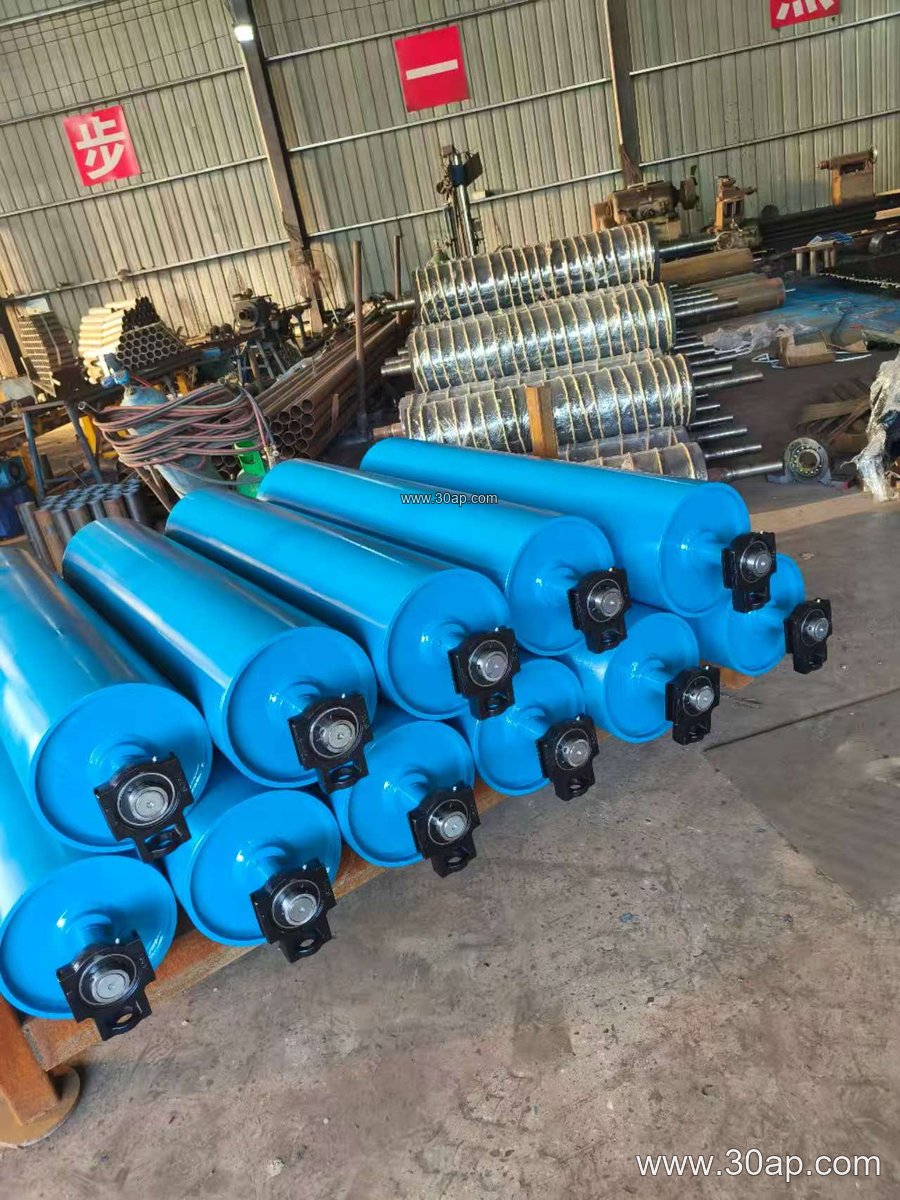
The body is usually a steel cylinder with machined end discs and a through shaft, mounted on self-aligning bearing housings. The shell may be plain or covered with rubber, and the covering is where most of the tracking behavior comes from. Common surface forms include plain face, hot-vulcanized rubber, cold-bonded rubber, diamond grooving, herringbone grooving, and ceramic lagging. Lagging thickness is commonly 8, 10, 12, 15, or 20 mm, chosen according to contact pressure and the material being conveyed.
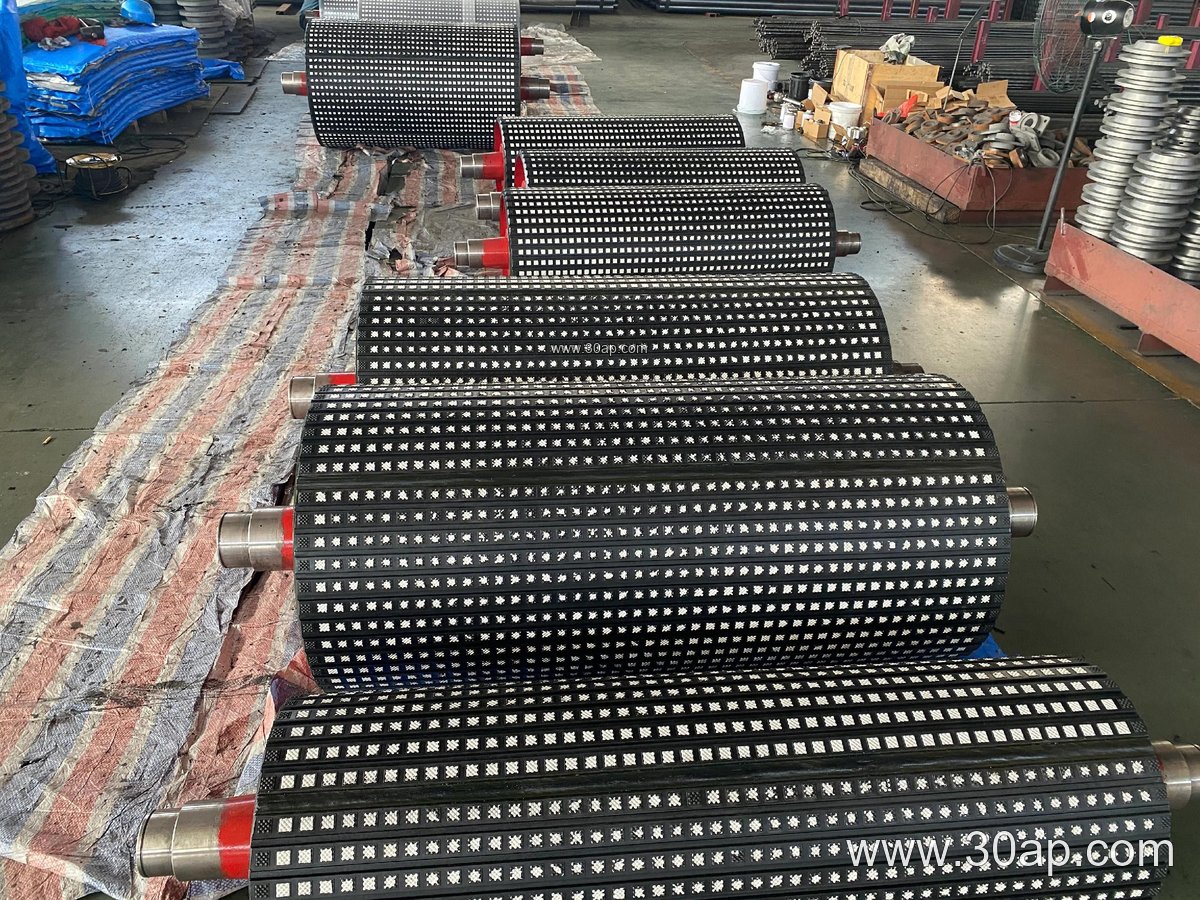
- Plain shell: light duty, dry and clean belts
- Diamond or herringbone lagging: better grip and water shedding
- Ceramic lagging: high abrasion conditions such as iron ore or sinter
- Rubber lagging: general purpose in cement plants and power plant coal handling
The shaft diameter is not fixed by belt width. It is calculated from torque and bearing load, with common values around Ø50 to Ø200 mm depending on the frame and the belt pull. A B800 frame with a Ø500 guide roll and a Ø80 shaft is one possible combination; a B1400 unit may use Ø800 and Ø140 shafting. Neither is a rule.
Where It Fits in the Conveyor
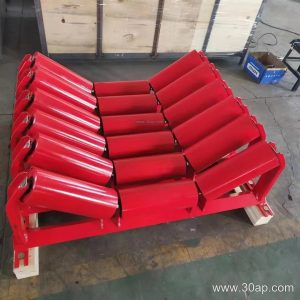
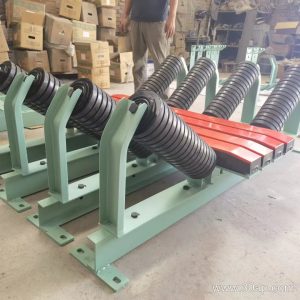
Guide pulleys are typically placed near the loading point, ahead of a transition zone, or on the return strand where the belt tends to wander. In a coal mining conveyor or underground coal mining conveyor, they are often installed in pairs to form a slight trough that keeps the belt centered under the load. In a quarry conveyor or aggregate conveyor line, a guide roll at the head of a transfer chute can stop edge damage before it starts.
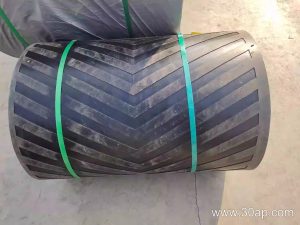
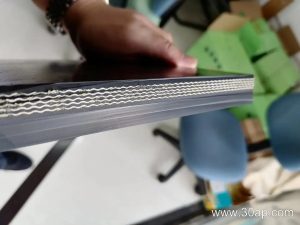
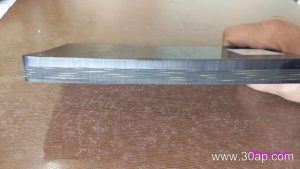
The guide roll also works with the conveyor belt itself. A stiff multi-ply fabric core belt, such as an EP conveyor belt or NN conveyor belt, responds differently from a flexible steel cord conveyor belt, so the roll angle and lagging pattern should match the belt construction. A heavy-duty mining conveyor belt with high tension may need a larger roll and a wider face than a light food grade conveyor belt on a packing line.
Sizing Notes for Buyers
Face width is normally wider than the belt, for example about 500 mm face for a B400 belt, 750 mm for B650, 950 mm for B800, 1150 mm for B1000, 1400 mm for B1200, and 1600 mm for B1400. Diameter is selected from the belt path, the clearance to the frame, and the required wrap angle. Common diameters run from Ø200 to Ø630 for guide duty, with larger sizes used on wide or high-tension lines.
| Belt width | Typical face width | Common guide roll diameter | Typical shaft range |
|---|---|---|---|
| B500 | 600 mm | Ø250 – Ø315 | Ø60 – Ø80 |
| B800 | 950 mm | Ø315 – Ø500 | Ø80 – Ø100 |
| B1000 | 1150 mm | Ø400 – Ø630 | Ø90 – Ø120 |
| B1200 | 1400 mm | Ø500 – Ø800 | Ø100 – Ø140 |
| B1400 | 1600 mm | Ø630 – Ø800 | Ø120 – Ø160 |
These figures are reference ranges, not fixed matches. A B1200 belt can run with a Ø500 or a Ø1000 roll depending on the layout.
Selection and Maintenance Points
Match the lagging to the environment. A heat resistant conveyor belt in a cement kiln area needs a roll that tolerates temperature, while an oil resistant conveyor belt in a recycling line needs a covering that will not swell. In a port conveyor or ship loading conveyor, salt and moisture make diamond grooving attractive. Anti-static and flame retardant conveyor belts used in underground mining also call for careful roll grounding and bearing protection.
Check alignment at installation, keep the bearings greased, and inspect lagging wear at each shutdown. A worn guide roll loses its tracking effect quickly, and the belt then rubs the conveyor bracket or the frame. Replace lagging before the shell is exposed. For a complete conveyor package, coordinate the guide roll with the conveyor pulley set, the idler roller spacing, and the belt specification, so that tracking is designed in rather than corrected later.