What a conveyor bracket actually is
A conveyor bracket is the steel support that holds the idlers in place and keeps the belt profile steady along the carrying and return runs. Buyers often search for conveyor bracket price when they are replacing worn frames on an existing line or costing a new conveyor section, and the answer depends far more on design detail than on the weight of steel alone. In a quarry, a cement plant, or a coal handling gallery, the same basic function applies: the bracket carries load from the belt and the material into the conveyor structure. A badly matched bracket shows up quickly as belt misalignment, edge wear, or premature idler failure.
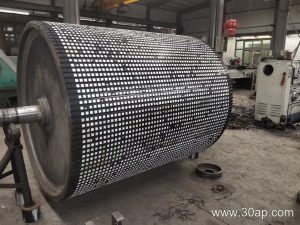
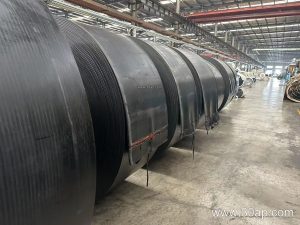
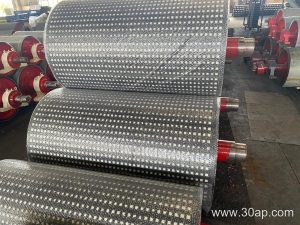
The bracket is usually one part of a wider assembly that includes the conveyor belt, idler roller, and conveyor pulley. Prices are quoted for the bracket as a fabricated item, sometimes with mounting hardware, sometimes as a bare frame.
How the bracket is built
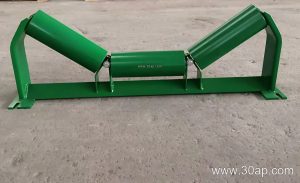
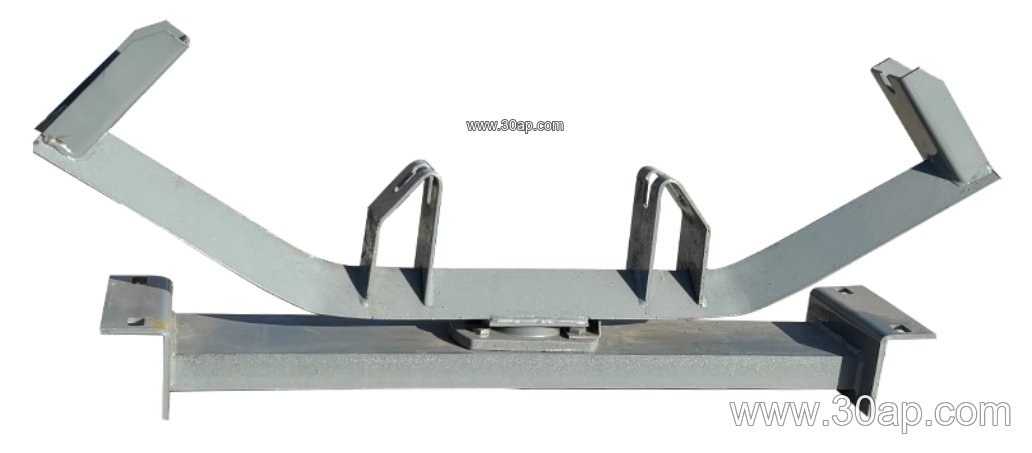
Most troughing and return brackets are fabricated from angle steel, channel steel, or folded steel plate. The fabrication route affects cost: cutting, drilling, bending, welding, and surface treatment all add labour. A simple fixed bracket with punched holes is cheaper to produce than an adjustable frame with slotted holes and moving parts.
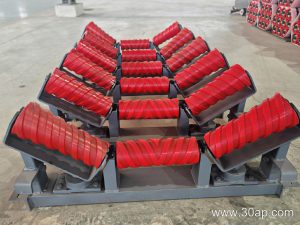
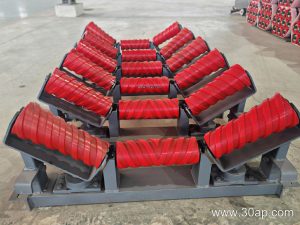
Common forms include troughing brackets for the carrying side, transition brackets near the head or tail, return brackets, V-return brackets, impact brackets under loading points, and self-aligning or forward-tilted designs. A bracket for a B800 belt at 35 degrees with Ø108 idlers is a different fabrication job from a B1400 frame at 45 degrees with Ø159 rollers, even though both are described as troughing brackets.
Where the price comes from
Several variables move the conveyor bracket price up or down, and buyers should compare quotes on these points rather than on a single figure.
- Belt width and bracket span – a frame for B500 is lighter than one for B2000, and the crossbeam length changes with width and trough angle.
- Trough angle – 20, 30, 35, and 45 degrees are common; adjustable brackets that move between these angles cost more than fixed ones.
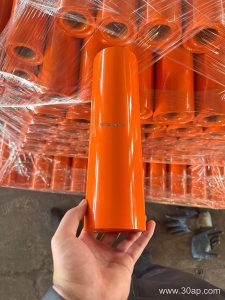
- Idler diameter – Ø89, Ø108, Ø133, Ø159, and Ø194 rollers need different mounting heights and hole spacing.
- Material and finish – painted, galvanized, or coated frames differ in price, and heavier sections suit abrasive duty in iron ore or limestone handling.
- Quantity and repeatability – identical frames ordered in volume are usually cheaper per piece than one-off custom fabrications.
Installation hole spacing and beam length should always be confirmed against the drawing, because they vary with belt width and trough angle rather than following one fixed number.
Matching the bracket to the rest of the line
The bracket never works alone. On a heavy-duty mining conveyor belt carrying ore, impact brackets under the loading chute protect both the idlers and the belt. On a long overland run using a steel cord conveyor belt or an EP conveyor belt, transition brackets near the pulleys help the belt move from troughed to flat without stress. In a power plant coal yard or a port ship loading line, self-aligning brackets reduce the chance of belt drift. For dusty or wet conditions in a washing plant, galvanized frames are often preferred even at a higher unit cost.
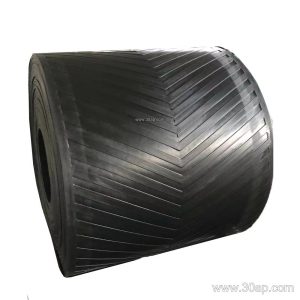
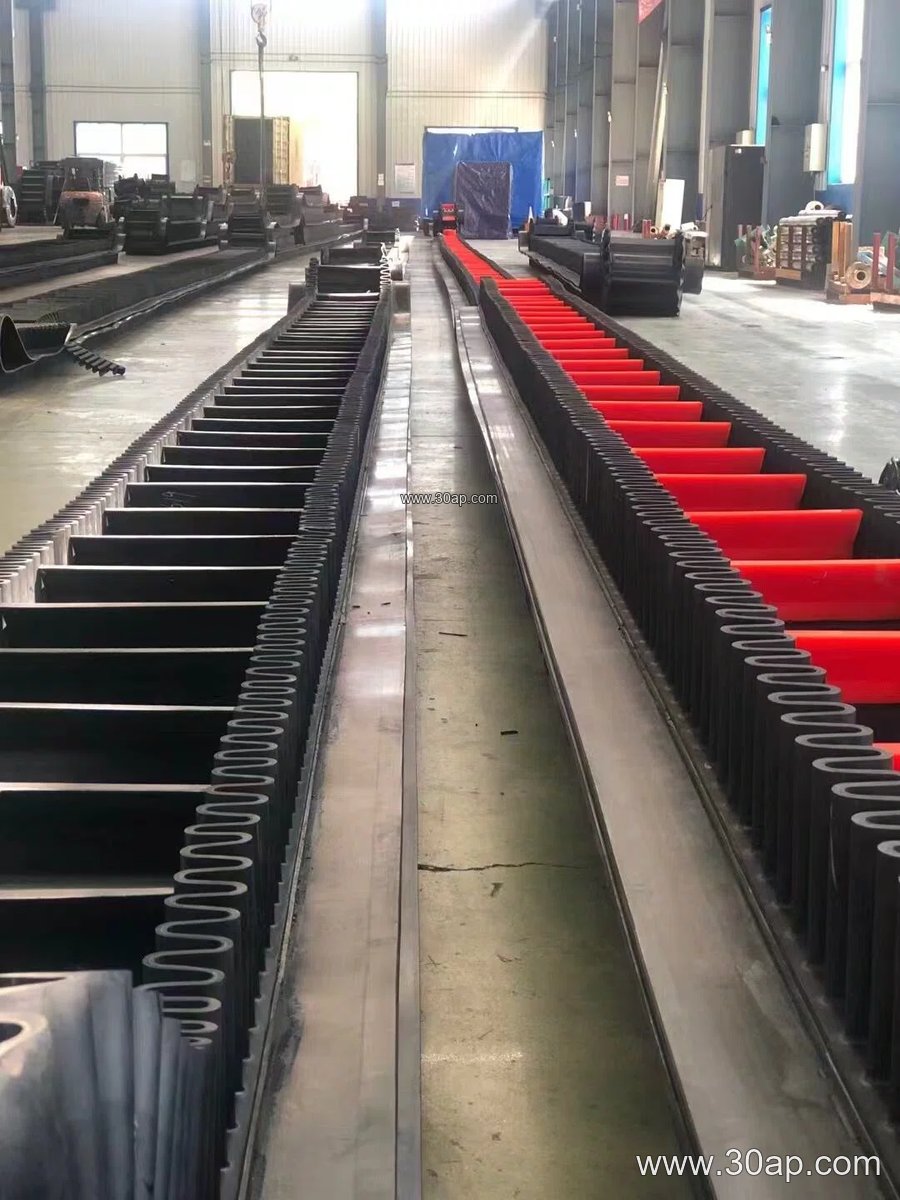
When the belt is a chevron conveyor belt or a corrugated sidewall conveyor belt, check that the bracket and idler arrangement leaves clearance for the cleats or walls; otherwise the frame may need modification.
Buying advice
Ask for a drawing that shows belt width, trough angle, idler diameter, material thickness, and surface treatment. Request the mounting hole pattern so it can be checked against the existing structure. For replacement work, measure the old frame rather than relying on the nominal belt width, since fabricated structures sometimes differ from the original design. A clear specification at the enquiry stage is the most reliable way to get a comparable conveyor bracket price from several suppliers.