What a Q235 Conveyor Bracket Does on a Belt Conveyor
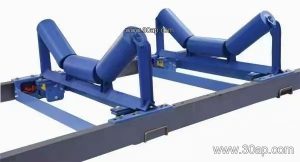
A Q235 Conveyor Bracket is the steel support that holds idler rollers in the correct position under and along a conveyor belt. In everyday plant language it is often called a Q235 conveyor support frame or a Q235 idler bracket, and it is one of the quiet workhorses of bulk handling. The bracket carries the load path from the belt and material into the conveyor structure, so its shape, angle and mounting details matter as much as the rollers it holds.
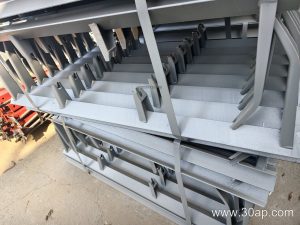
Because Q235 is a common low-carbon structural steel, the bracket is usually formed from angle steel, channel steel or folded steel plate. Fabricators cut, punch, bend and weld these parts, then finish them with paint or another coating suited to the site. The result is a sturdy, repairable component that suits aggregate yards, coal handling lines, cement plants and port terminals alike.
How the Bracket Is Built and Where It Sits
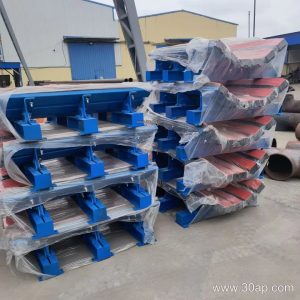
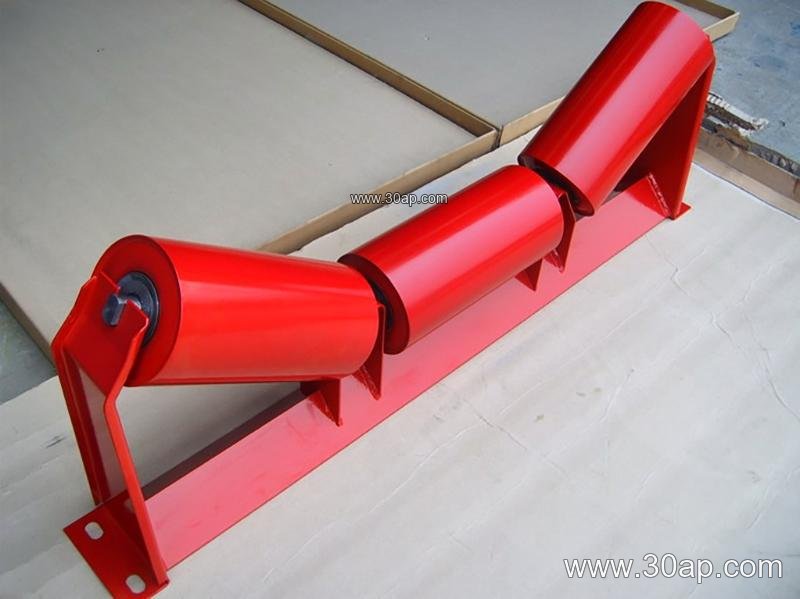
Most brackets follow one of a few familiar patterns. A trough bracket holds three rollers in a trough shape so the belt forms a carrying cradle. A transition bracket eases the belt from flat to troughed. A return bracket supports the belt on its way back, sometimes with a V-shaped roll arrangement. Impact brackets sit under loading points, while self-aligning and forward-leaning designs help keep the belt centred.
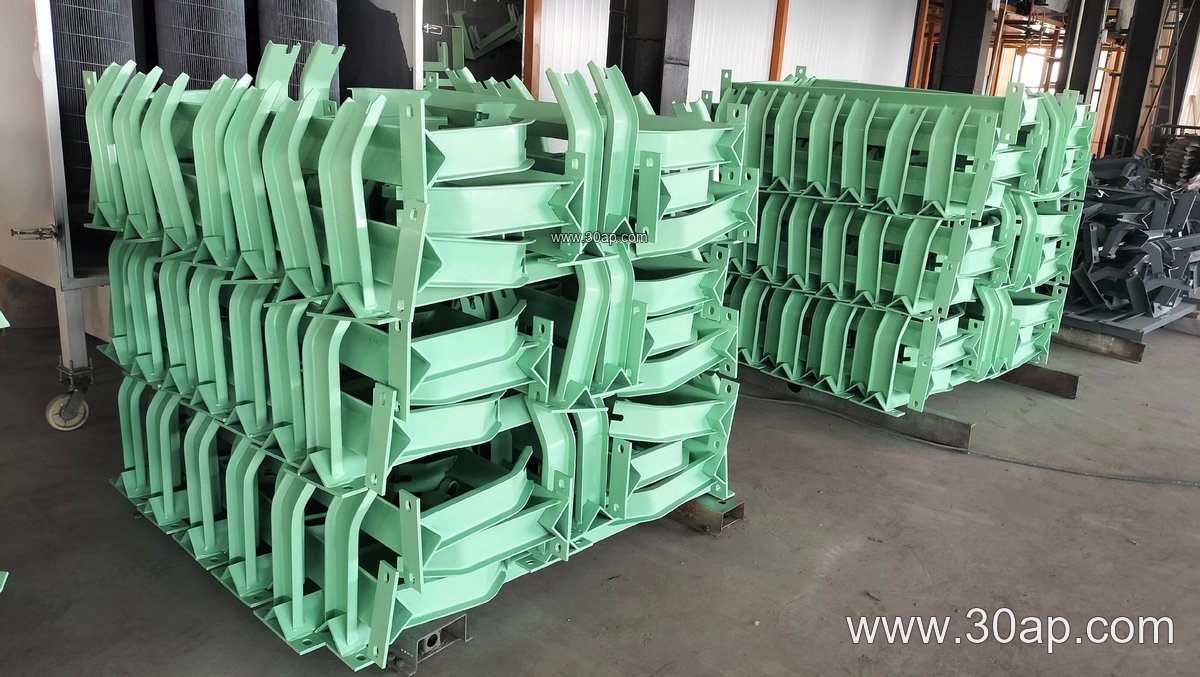
Typical Q235 Conveyor Bracket construction includes:
- Angle or channel steel crossbeams sized to the belt width
- Punched mounting holes for idler roller frames
- Welded gussets or bent flanges for stiffness
- Adjustable slots or bolt patterns on adjustable versions
- Paint, galvanizing or another coating chosen for the environment
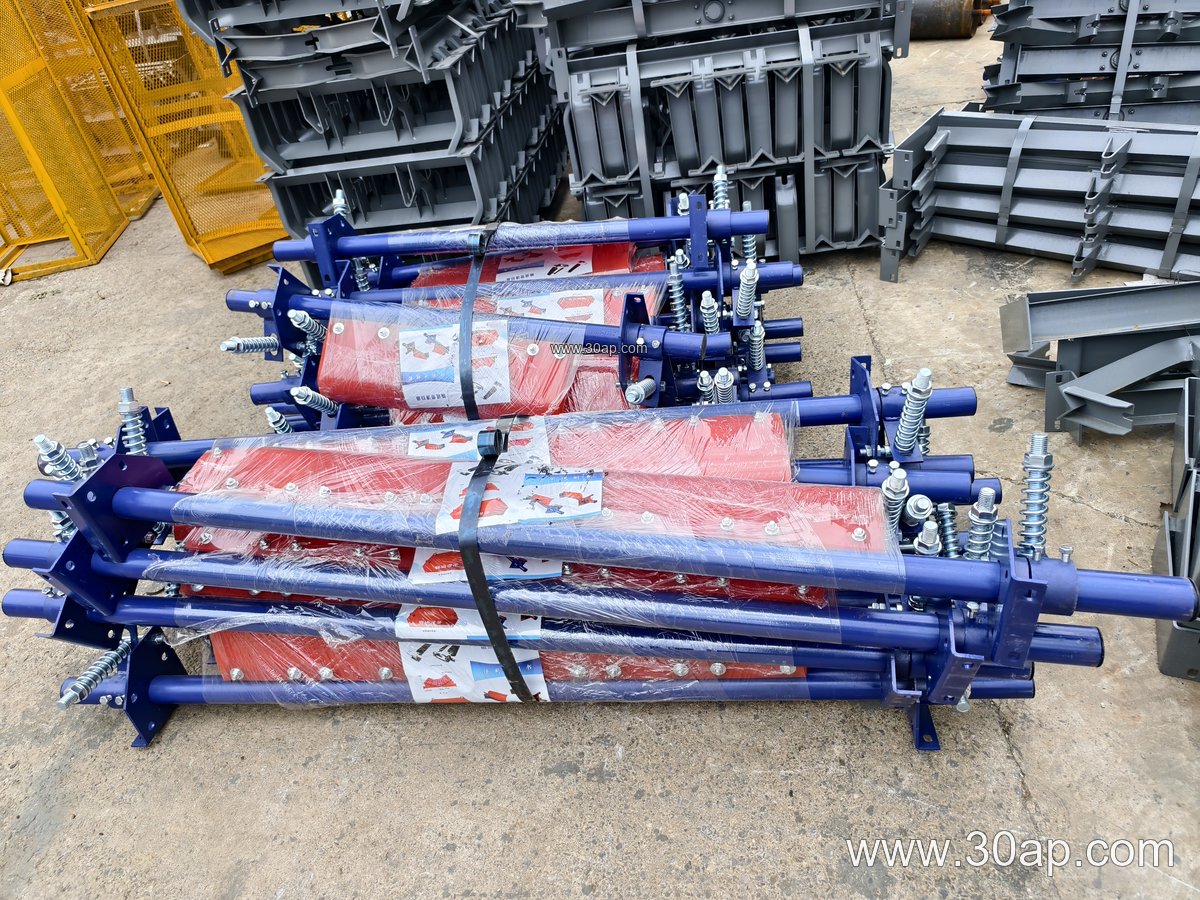
Fixed brackets are simple and repeatable, while adjustable brackets let maintenance crews fine-tune trough angle or roll position. Neither type replaces the other; the choice depends on how much field adjustment the conveyor needs.
Common Sizes and Reference Data
Q235 Conveyor Bracket dimensions are normally matched to belt width, trough angle and roller diameter. The figures below are common reference values, not a fixed catalogue promise. Mounting hole spacing and crossbeam length usually change with belt width and trough angle, so they should be confirmed against the conveyor design.
| Parameter | Common reference values |
|---|---|
| Belt width | B500, B650, B800, B1000, B1200, B1400, B1600, B1800, B2000, B2200 |
| Trough angle | 20°, 30°, 35°, 45°; adjustable brackets can move between these angles |
| Roller diameter | Ø89, Ø108, Ø133, Ø159, Ø194 |
| Forward lean | Usually about 1.5° to 2° on forward-leaning brackets |
| Material | Q235 angle steel, channel steel or folded plate |
Useful combinations might read B800, 35°, Ø108 or B1200, 45°, Ø133 or B650, 30°, Ø89, but these are examples. A wide belt does not automatically dictate one trough angle, and belt width alone should never be used to guess a shaft diameter.
Where Q235 Conveyor Brackets Are Used
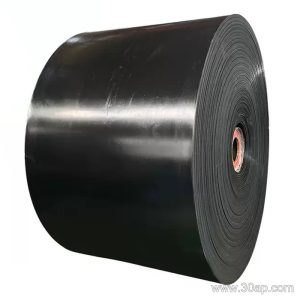
In a quarry or sand and gravel line, the bracket sits under crusher discharge belts and transfer points where dust and shock loads are routine. In a coal washing plant or power station coal yard, flame retardant conveyor belt and abrasion resistant conveyor belt run over trough brackets day after day, so steady roller alignment reduces spillage and belt edge wear.
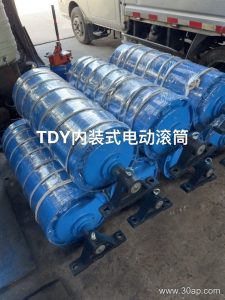
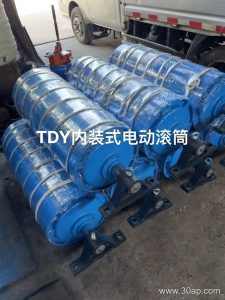
The bracket also works alongside the conveyor pulley at the head and tail, and with the conveyor belt itself, to keep the whole line tracking smoothly. A well-built Q235 bracket does not fix a badly aligned pulley, but it gives the idler roller a stable base so the belt can run true. For heavy-duty mining conveyor belt duties, thicker brackets and impact brackets are often specified near loading zones.
Buyer Checklist Before Ordering
Before placing an order, confirm the belt width, required trough angle, roller diameter and whether the bracket is fixed or adjustable. Check the mounting hole pattern against the existing idler roller frames, and state the site conditions so the coating suits the environment. Ask for the steel grade and plate thickness, and request drawings for any non-standard crossbeam length.
Ask too how the bracket will be packed and whether spare mounting bolts are included. Small details like hole diameter and weld quality affect installation time far more than they appear on a quotation. Matching the Q235 Conveyor Bracket to the actual conveyor design keeps the belt, rollers and structure working as one system, whether the line handles ore, clinker, coal or fertiliser.