Understanding the Return Idler Bracket
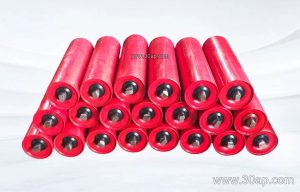
The return idler bracket is the structural component that holds the return idlers beneath the carrying side of a conveyor belt. It keeps the belt tracking smoothly on its way back to the tail end and supports the weight of the belt itself, along with any material that clings to it. In a quarry or a cement plant, a well-built return idler bracket quietly does its job, while a poorly chosen one can cause belt drift, premature roller wear, and unplanned downtime.
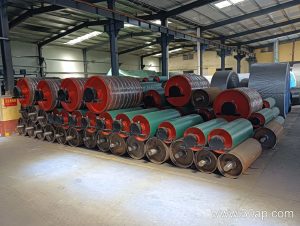
The bracket works alongside the idler roller and the conveyor pulley to complete the belt loop. While the drive pulley pulls the belt forward, the return idler bracket makes sure the belt travels back in a straight, stable path.
Construction and Common Materials
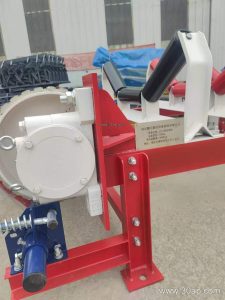
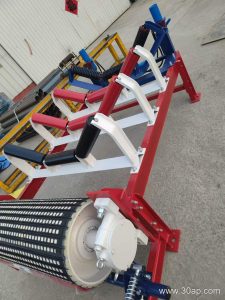
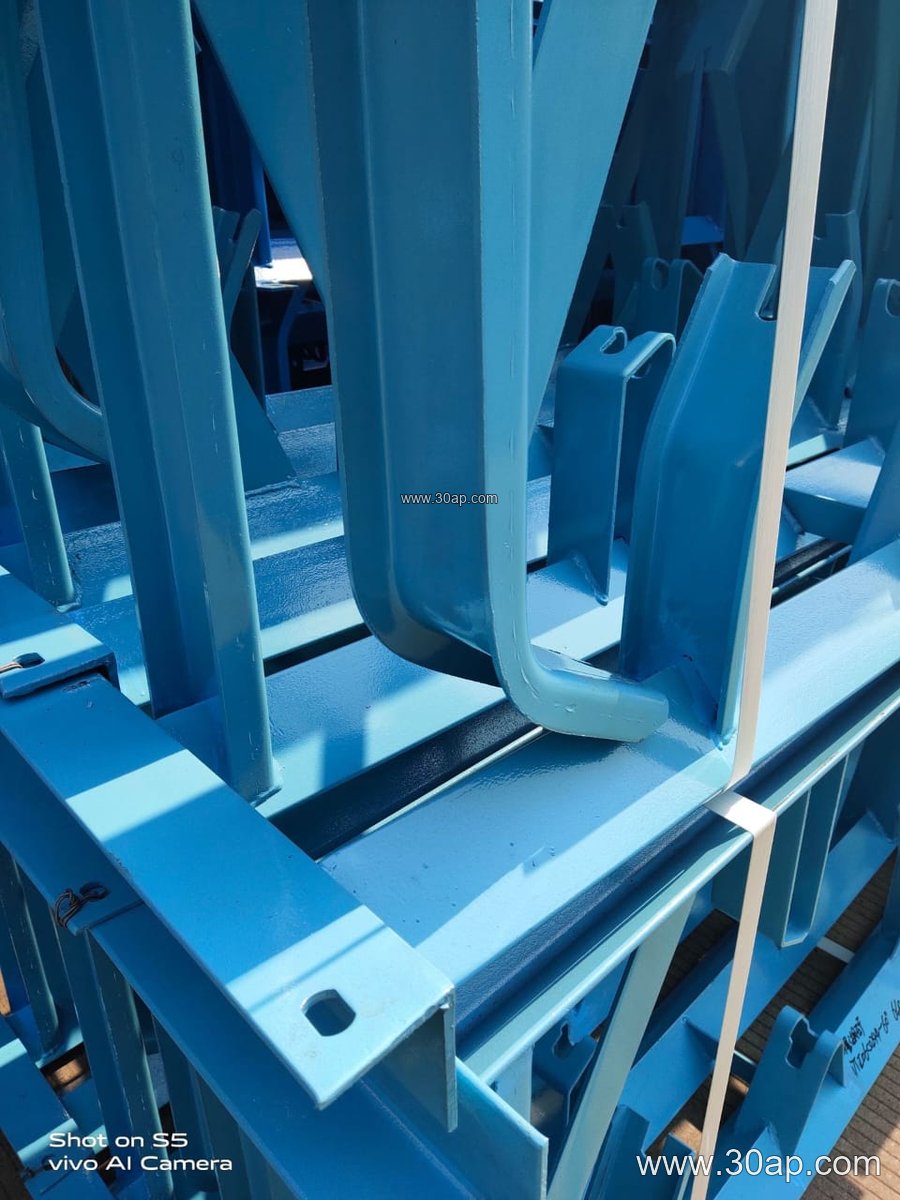
Most return idler brackets are fabricated from angle steel, channel steel, or folded steel plate. The frame is welded or bolted to the conveyor stringer, and the idler roller sits in slots or hooks on top. This makes replacement simple when a roller seizes or wears out.
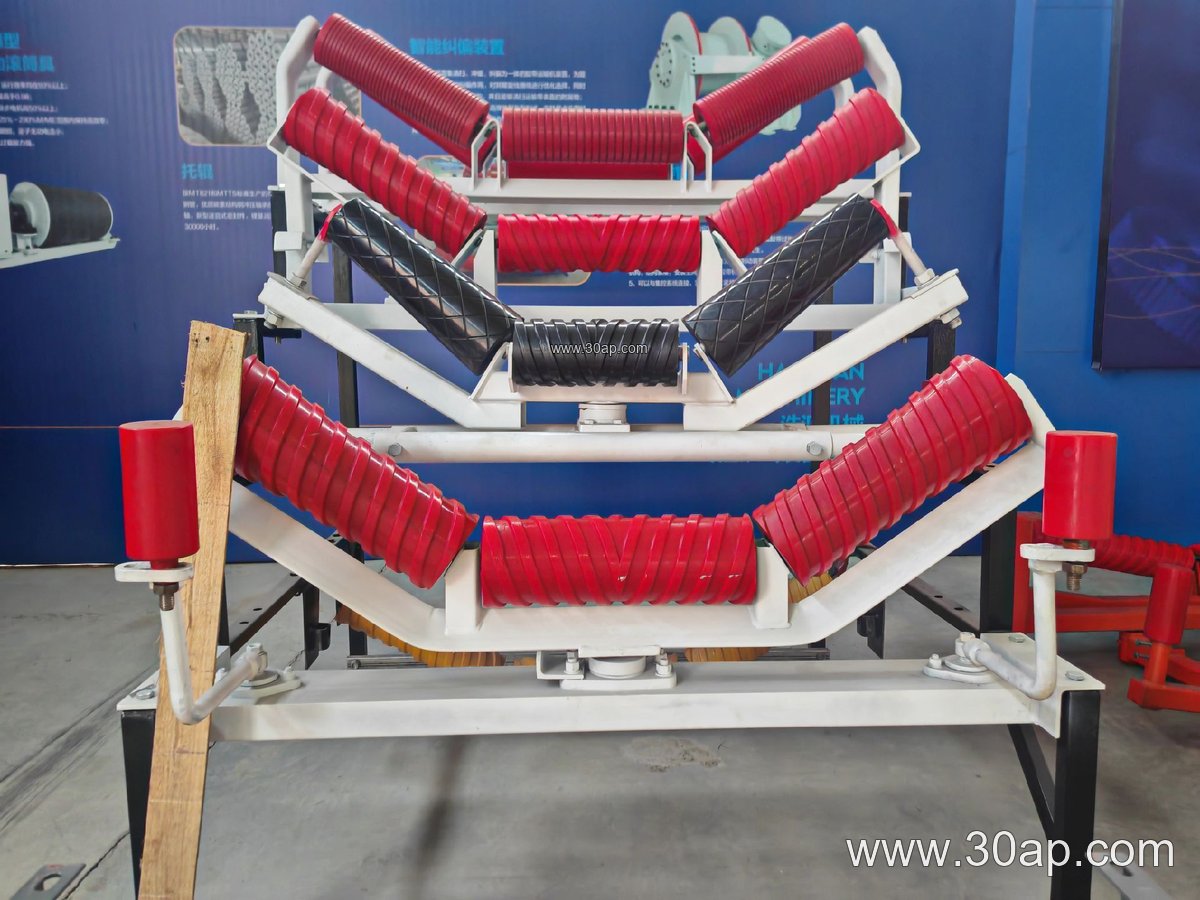
A typical flat return bracket carries one roller across the width of the belt. A V-shaped return bracket uses two rollers set at an angle to help center the belt, especially on long runs where misalignment is a risk. The choice between flat and V-return brackets usually comes down to belt width, belt speed, and how much side-to-side movement the conveyor tends to show.
Where It Fits in a Conveyor System
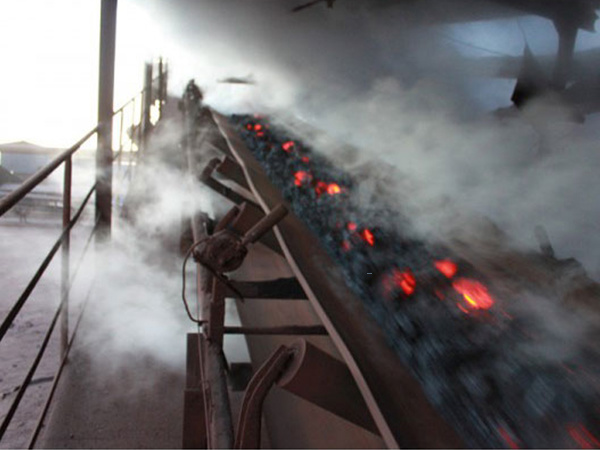
You will find return idler brackets in almost any bulk handling operation. In a coal mining conveyor or an underground coal mining conveyor, they support the belt on the return strand where dust and moisture are present. In a limestone quarry or aggregate conveyor line, they handle constant grit and heavy loads. Power plant coal handling and steel plant sintering lines also rely on them to keep the return belt aligned.
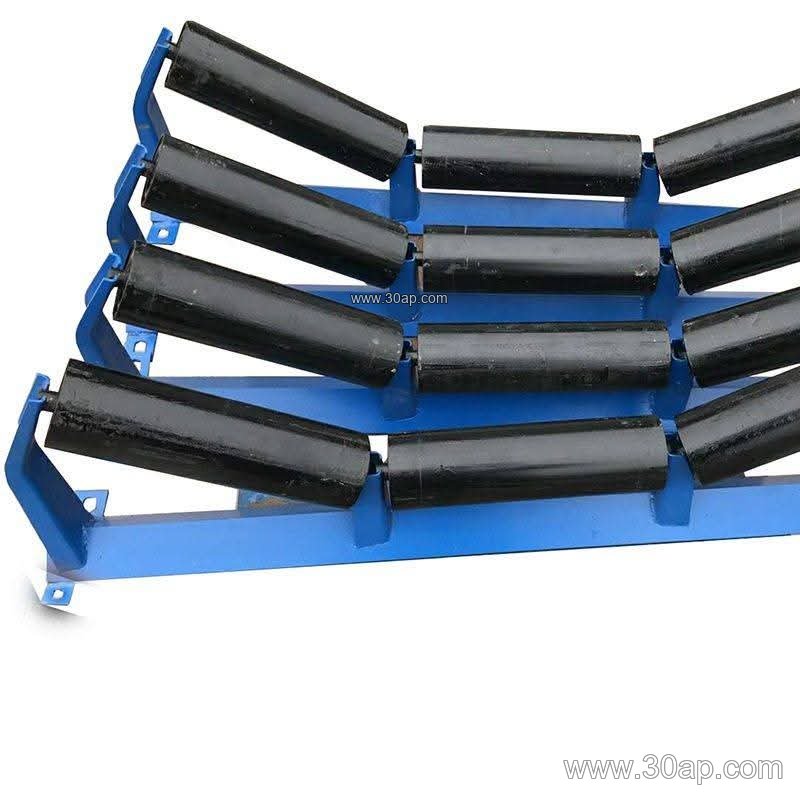
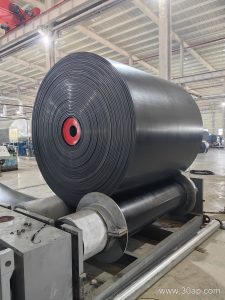
On a long overland conveyor carrying a steel cord conveyor belt, the return brackets are spaced at regular intervals to prevent sag. On a shorter crusher conveyor belt, the spacing can be tighter because of impact and vibration.
Matching Bracket to Belt and Roller
Return idler brackets are usually selected together with the belt width and roller diameter. Common belt widths include B500, B650, B800, B1000, B1200, B1400, B1600, B1800, B2000, B2200, and roller diameters such as Ø89, Ø108, Ø133, Ø159, and Ø194. The table below shows typical reference combinations, not fixed rules.
| Belt Width | Typical Roller Diameter | Common Bracket Form |
|---|---|---|
| B500 | Ø89 | Flat or V-return |
| B650 | Ø89 or Ø108 | Flat or V-return |
| B800 | Ø108 | Flat return |
| B1000 | Ø108 or Ø133 | Flat or V-return |
| B1200 | Ø133 | V-return or flat |
| B1400 | Ø133 or Ø159 | V-return |
| B1600 | Ø159 | V-return |
| B1800 | Ø159 or Ø194 | V-return |
| B2000 | Ø194 | V-return |
The mounting hole spacing and crossbeam length change with belt width and bracket type. A B800, 35 degree troughing bracket and a B800 return bracket do not share the same dimensions, so always confirm the drawing before ordering.
What a Buyer Should Check
- Belt width and roller diameter compatibility.
- Flat versus V-return design and the required mounting height.
- Frame material and finish, especially in wet or corrosive service.
- Whether the bracket is fixed or adjustable for alignment.
- Spacing along the return run and the load the belt carries.
Ask the supplier for a dimension drawing that shows hole centers and overall length. This small step prevents field modifications and keeps the conveyor running.
Maintenance Notes
Inspect return idler brackets during routine belt checks. Look for loose bolts, bent frames, and worn roller seats. A bracket that has shifted can cause the belt to rub against the structure, which damages both the belt edge and the roller. Replacing a single bracket is quick when the design uses slotted or hooked seats. Keep a few spare brackets on hand for high-wear zones near the tail pulley and loading points.
For more on conveyor support components, visit conveyor-idler.com and review related belt and bracket options before finalizing your design.
For matching conveyor belt specifications and idler roller dimensions, the same reference page at rubber-conveyor-belt.com can help.