What an Underground Mining Conveyor Belt Is
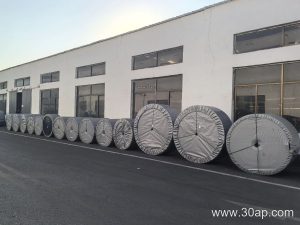
An underground mining conveyor belt is the load-carrying element of a continuous haulage system installed in tunnels, declines, and shaft-adjacent roadways. It moves crushed ore, coal, and waste rock from the working face to the hoisting point or surface stockpile. Because the belt runs in a confined, often wet and dusty environment, the carcass, cover compounds, and splice quality matter as much as the drive and tail pulleys that move it. In coal mines the belt usually carries a flame retardant and anti-static construction, while metal mines may prioritize abrasion resistance and high strength.
Buyers often search for this product as an underground conveyor belt, and the two names describe the same article. The distinction from a surface quarry conveyor belt lies in the duty: tighter bends, limited installation space, stricter fire safety, and reduced access for maintenance.
Construction and Build Options
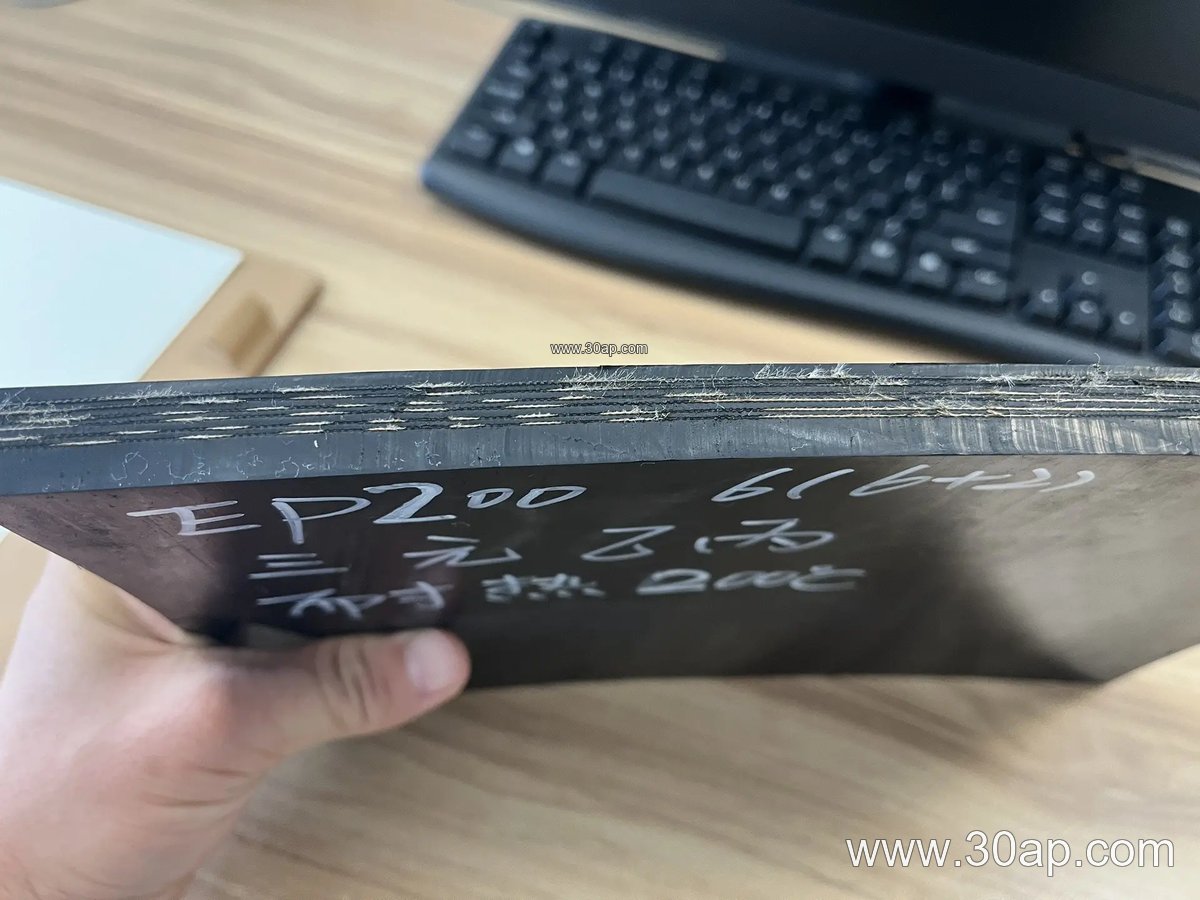
The belt is a composite of a fabric or steel cord carcass and rubber covers. Fabric carcasses are commonly EP (polyester-cotton) or NN (nylon-nylon), built in multiple plies. Steel cord constructions use brass-plated wires for very long runs and high tension. Cover grade selection follows the environment: abrasion resistant for rock, flame retardant for coal, oil resistant near machinery, and cold resistant in deep or ventilated shafts.
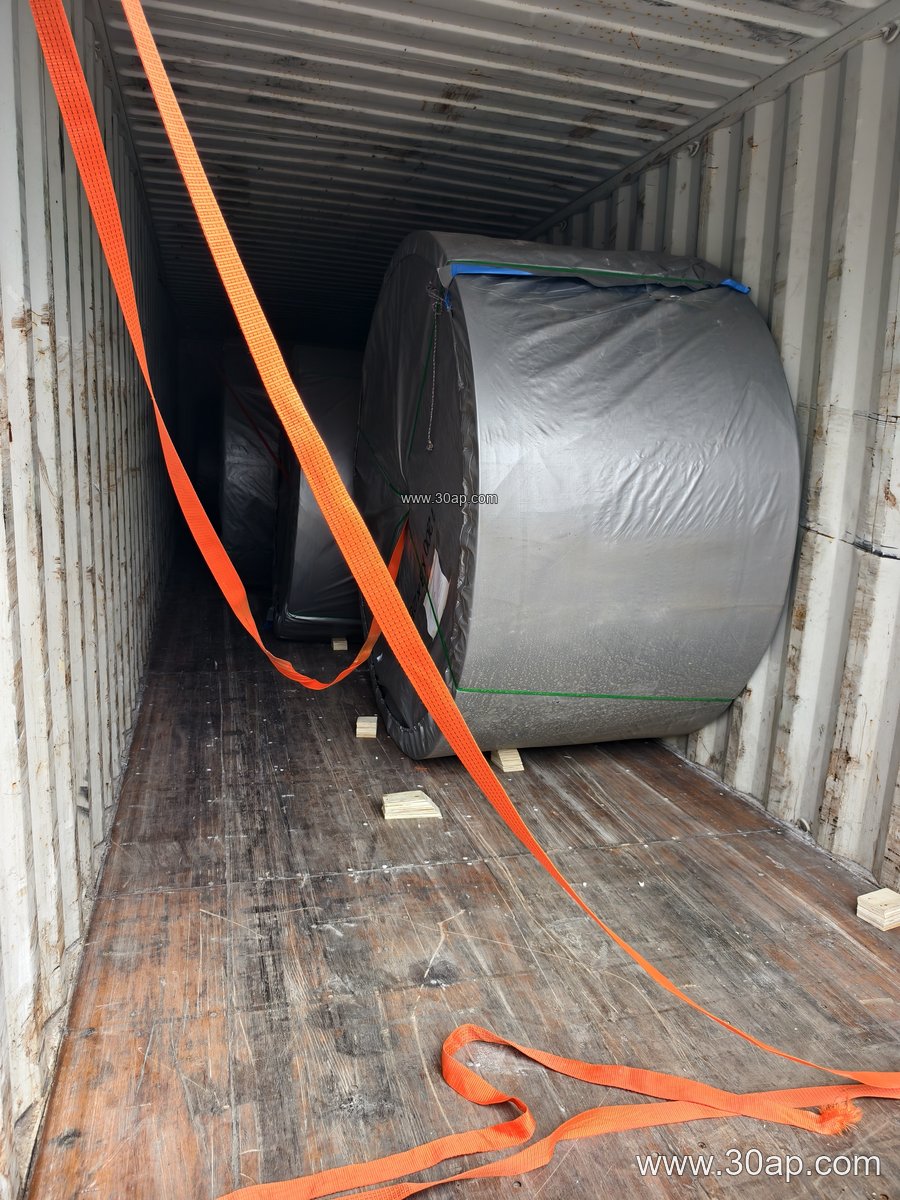
- Carcass: EP fabric, NN fabric, multi-ply fabric, or steel cord
- Cover compounds: abrasion resistant, flame retardant, anti-static, oil resistant, heat resistant
- Surface forms: smooth, chevron or patterned, corrugated sidewall, skirted edges
- Splice style: vulcanized endless or mechanical, depending on tension and space
For steep declines, a chevron conveyor belt or corrugated sidewall belt can hold material on the incline. For coal roadways, PVG and PVC constructions are frequently specified because the whole belt, not only the cover, must meet fire performance expectations.
Typical Specification Ranges
The table below shows common reference ranges, not fixed supply promises. Final values are confirmed by the belt designer against tension, pulley diameter, and load profile.
| Parameter | Common reference values |
|---|---|
| Belt width | B500, B650, B800, B1000, B1200, B1400, B1600, B1800, B2000 |
| EP strength grades | EP200, EP315, EP400, EP500, EP630, EP800, EP1000, EP1250, EP1600, EP2000 |
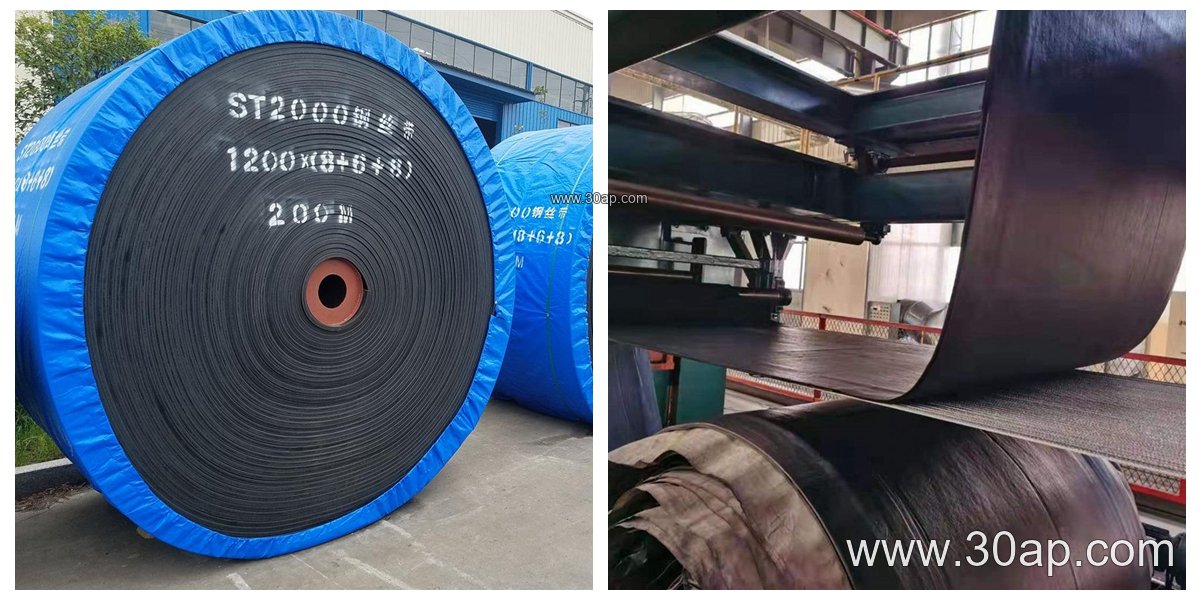
| Steel cord grades | ST1000, ST1250, ST1600, ST2000, ST2500, ST3150 |
| Cover thickness | 3+1.5, 4+2, 5+2, 6+2, 8+3 mm |
| Fabric plies | 2 to 6 plies, depending on grade |
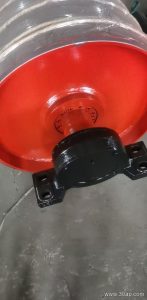
A 1000mm or 1200mm width is common in main haulage drifts, while 650mm and 800mm belts serve transfer and development headings. Wider belts such as 1400mm or 1600mm appear in high-capacity trunk conveyors. None of these widths dictates a single pulley diameter; the drive pulley, tail pulley, and bend pulley are sized separately from belt tension and carcass flexibility.
Where It Runs
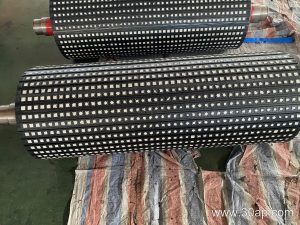
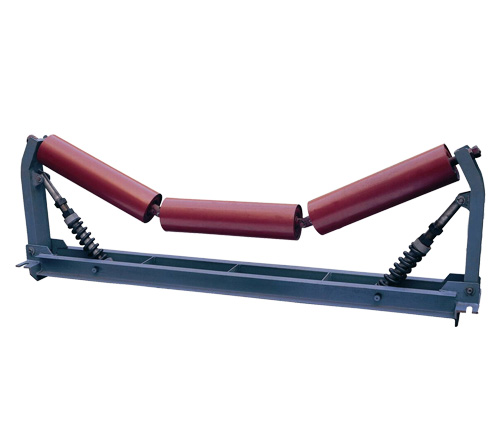
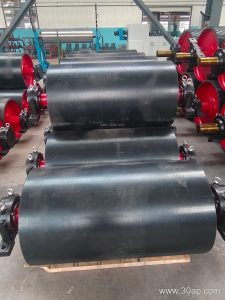
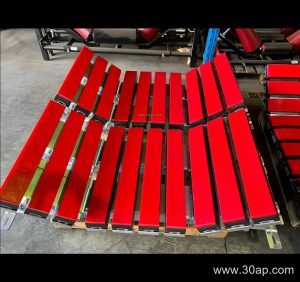
Underground mining conveyor belts appear in coal mines, iron ore and copper ore operations, gold mining declines, and industrial mineral shafts. They also feed crusher stations and load out bunkers. In cement and aggregate plants the same belt technology is used, though fire ratings differ. Supporting hardware includes the idler roller, conveyor pulley, and conveyor bracket, all of which influence belt tracking and wear.
Typical duty conditions include:
- Wet, muddy floors and high humidity
- Sharp rock impact at transfer points
- Restricted space for splicing and inspection
- Coal dust and methane-related fire precautions
Selection and Maintenance Notes
Start with the peak tension and the longest unsupported span. Then match the carcass grade, cover thickness, and fire performance to the mine’s rules. Confirm that the selected belt can flex around the smallest pulley in the system, and check splice compatibility. For coal roadways, specify flame retardant and anti-static properties together, and keep the certificate documents with the delivery.
During operation, watch for edge damage, cover wear over the idler roller positions, and splice separation. Misalignment usually shows as uneven wear near the tail pulley or bend pulley. Keep the conveyor bracket and frame square, and replace worn idlers before they cut the bottom cover.
Buyer Checklist
- State the material, lump size, and expected tonnage per hour
- Provide the belt width, center distance, and incline angle
- List the smallest pulley diameter and the splice method
- Specify fire, oil, heat, or cold requirements for the mine
- Confirm cover thickness and carcass grade against the tension calculation
For a reliable underground mining conveyor belt supply, share the conveyor layout and duty data early. That lets the belt, pulley, and idler roller choices be checked together before the order is placed. Browse underground conveyor belt options at www.beltconveyor-parts.com and match the specification to your roadway conditions.