What a Heavy-Load Conveyor Idler Does
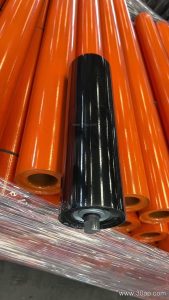
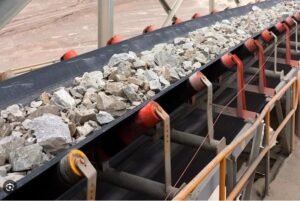
A heavy-load conveyor idler is the rotating support under the belt on a high-capacity conveyor. In a quarry, limestone mine, or iron ore transfer line, the belt may carry dense rock at high tonnage, so the idler roller must hold the load, keep its shape, and still turn freely. The same product is often called a heavy-duty conveyor idler, and both names describe the same component: a roller assembly with shaft, bearing, seal, and shell mounted in a conveyor bracket or frame.
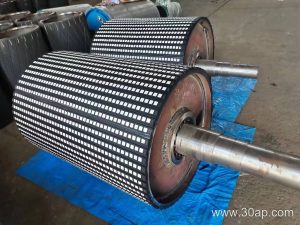
The idler is not a drive component. Drive, tail, and bend pulleys pull and redirect the belt; the idlers support it along the run. That difference matters when specifying parts, because a heavy-load idler and a conveyor pulley are selected from different data.
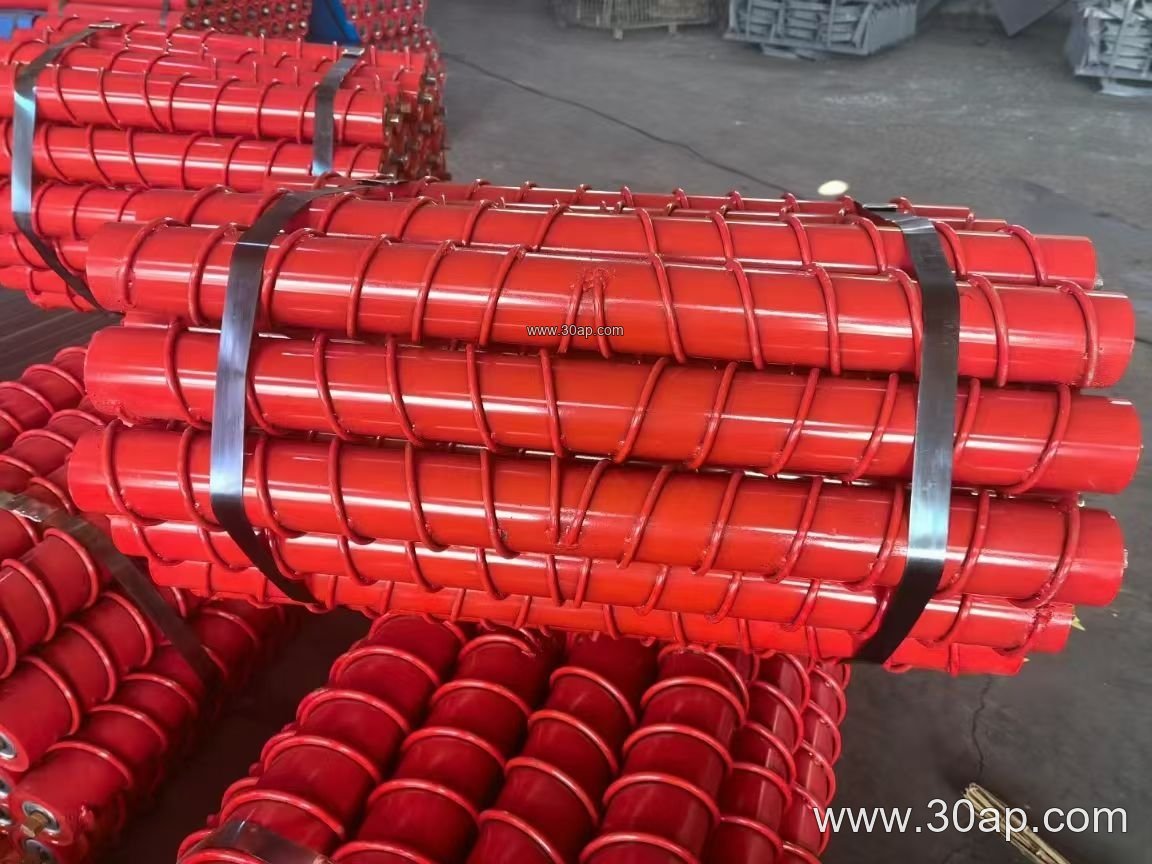
Construction and Load Path
Most heavy-load idlers use a steel tube shell with welded end discs, a through shaft, and deep-groove ball bearings. Common bearing sizes include 6205, 6305, 6306, 6308, and 6310, matched to the shaft and load rating rather than to belt width alone. Seals are the quiet deciding factor in dusty service: a good labyrinth or contact seal keeps grit out of the bearing, while a poor one shortens roller life even when the shell is strong.
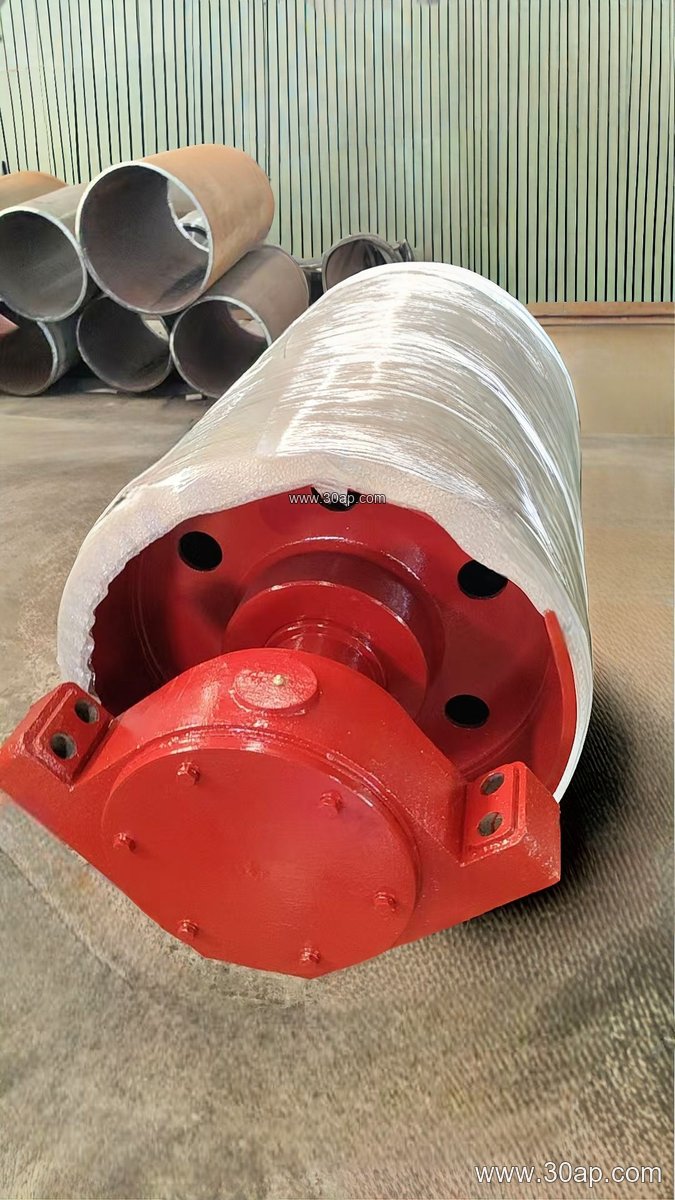
- Shell: steel tube, sometimes with a rubber ring for impact areas
- Shaft: sized by load and bearing bore, not fixed by belt width
- Bearing: sealed deep-groove type, grease retained for life in many designs
- Frame: three-roll troughing set, two-roll set, or single roll depending on belt and material
Troughing Geometry and Roller Dimensions
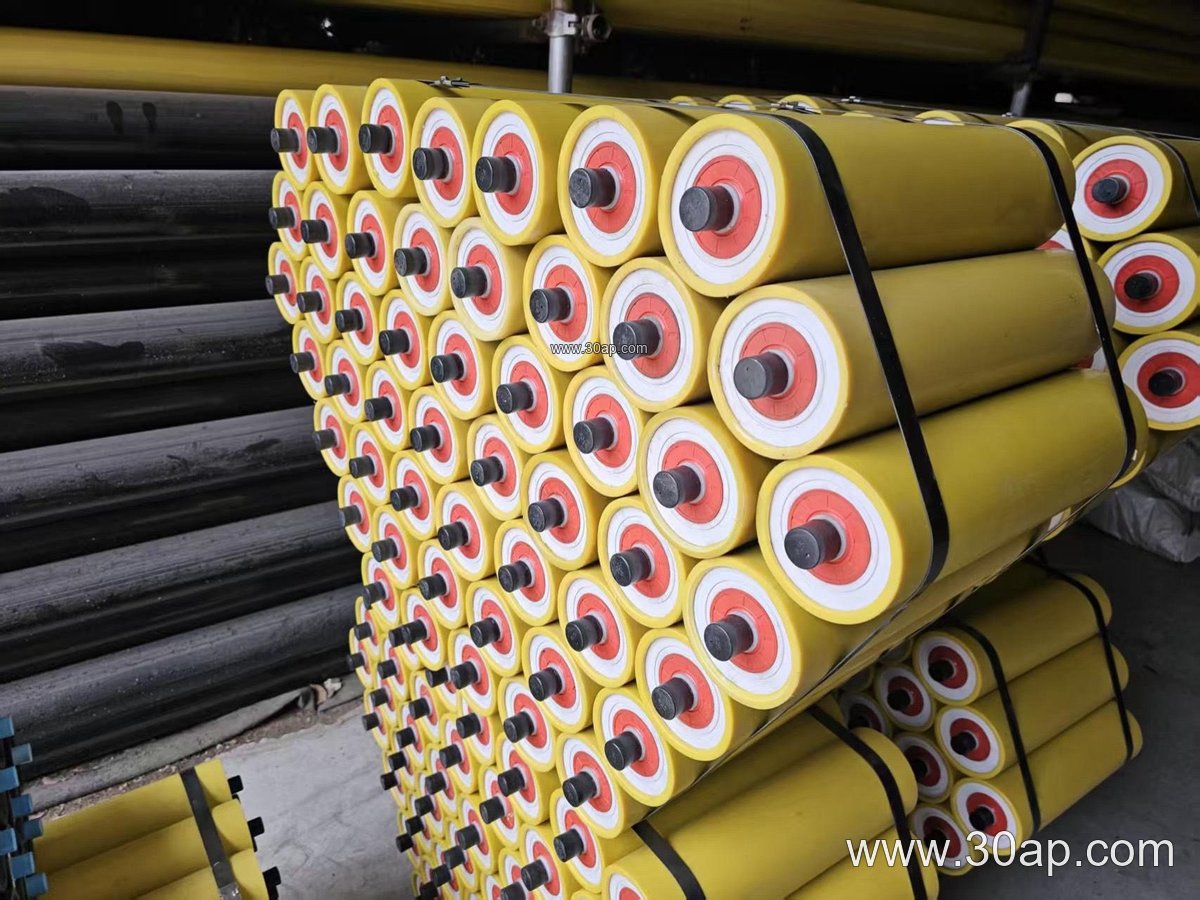
Trough angle affects how the belt contains material. A 20-degree or 30-degree set suits many medium belts, while 35-degree and 45-degree troughing sets are used where the belt must hold a deep material bed. Roller length follows belt width, trough angle, and frame type. The table below gives common examples for a three-roll troughing set; side rollers and the center roller can differ, so these are references, not fixed pairings.
| Belt width | Common roller length, three-roll set | Typical trough angle |
|---|---|---|
| B500 | about 200 mm | 20–30 degrees |
| B650 | about 250 mm | 20–35 degrees |
| B800 | about 315 mm | 30–35 degrees |
| B1000 | about 380 mm | 30–35 degrees |
| B1200 | about 465 mm | 30–35 degrees |
| B1400 | about 530 mm | 35–45 degrees |
| B1600 | about 600 mm | 35–45 degrees |
| B1800 | about 670 mm | 35–45 degrees |
| B2000 | about 750 mm | 35–45 degrees |
Roller diameter is a separate choice. Common sizes range from Ø63 and Ø76 for light runs up to Ø159, Ø178, Ø194, and Ø219 for heavy belts. Larger diameters turn slower for the same belt speed, which can help bearing life and reduce indentation on the belt cover.
Where Heavy-Load Idlers Fit
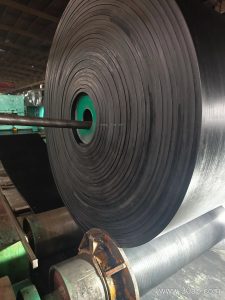
These idlers appear in primary crushing circuits, wash plants, and ore stockpile conveyors. In a cement plant they support clinker and raw meal belts; in a coal handling system they run under a flame retardant conveyor belt or an underground mining conveyor belt. Aggregate lines use them beneath a crusher conveyor belt and along a quarry conveyor belt. The belt itself may be an EP conveyor belt, a steel cord conveyor belt, or a multi-ply fabric core belt, and the idler must suit the belt speed, load, and environment.
Impact zones need different treatment. At a transfer point, a rubber-ring impact idler absorbs falling rock better than a plain troughing roller. Return runs may use a flat return idler or a V-return idler to keep the belt tracking. Self-aligning idlers help where the belt wanders, but they do not replace proper pulley alignment.
Buyer Checklist
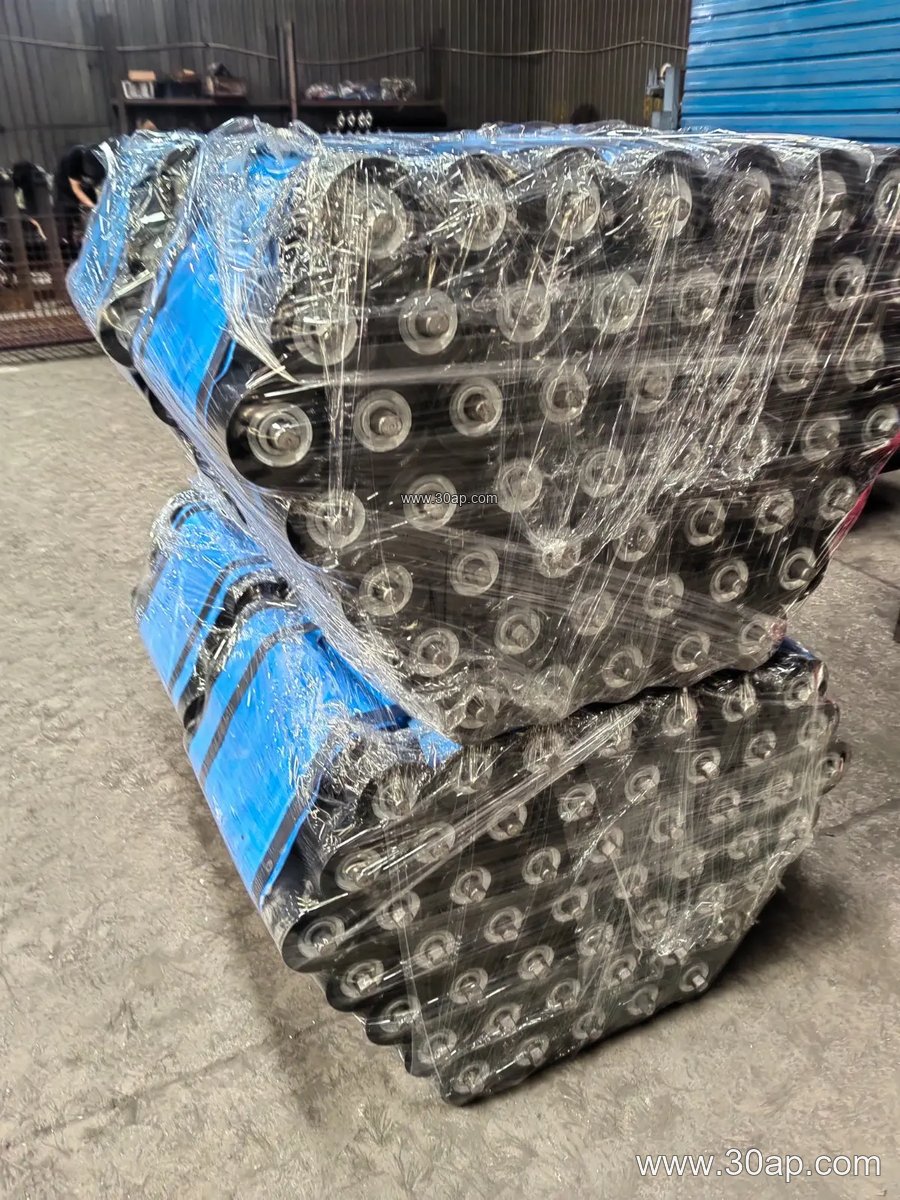
Before ordering, confirm belt width, trough angle, frame type, roller diameter, shaft end shape, and bearing size. Check whether the site needs a rubber-covered roller for impact or abrasive dust. Ask how the seal is built, because that is where many premature failures start. For a high-abrasion line, pair the idler choice with an abrasion resistant conveyor belt and a matching conveyor pulley inspection schedule. Also confirm the bracket and frame dimensions, since a roller that fits the belt but not the conveyor bracket creates installation delays.
Do not assume one belt width equals one pulley diameter or one shaft size. A B1200 belt may run with several roller diameters depending on load and speed. Keep spare rollers in the sizes used on each conveyor, and record the model and dimensions at commissioning so replacements match. For more on belts, idlers, and pulleys, see https://www.jsconveyor.com/heavy-load-conveyor-idler and the related conveyor belt and conveyor pulley pages.