What a Rust-Resistant Idler Is
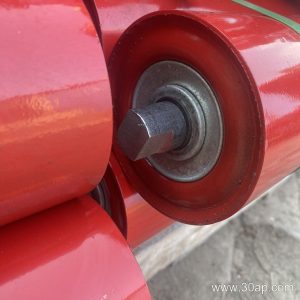
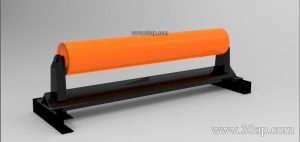
A rust-resistant idler is a conveyor roller built to resist corrosion in wet, humid, or chemically aggressive conditions. Unlike a standard idler roller that may use painted steel tubes and open seals, this type typically combines coated or stainless steel components with sealed bearings and protective end caps. In a quarry or a coal washing plant, moisture and fine dust attack ordinary rollers quickly. The rust-resistant version keeps the shell and shaft protected so the conveyor belt runs smoothly without frequent stoppages. You will see it used alongside a rubber conveyor belt or an EP conveyor belt in systems where washdown and damp air are routine.
Construction Details That Matter
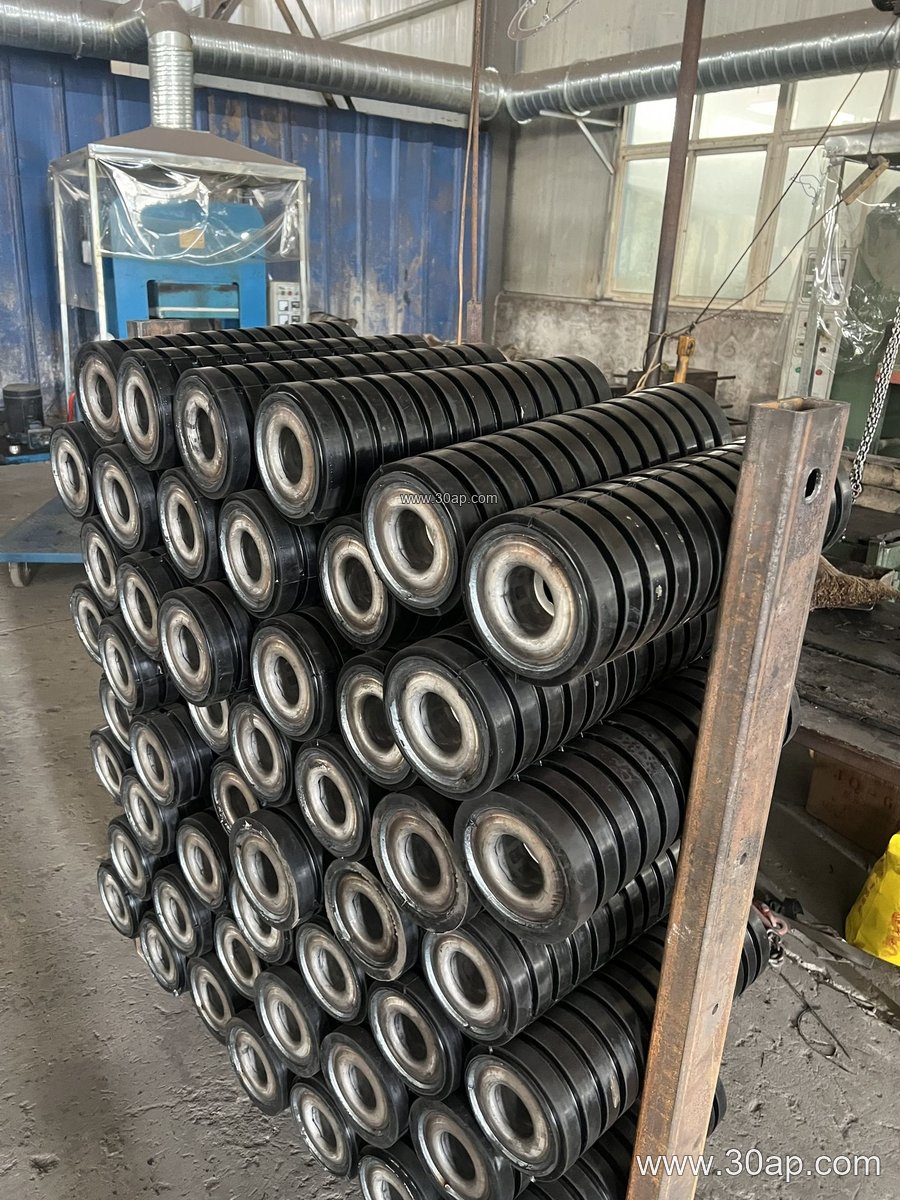
The core of a rust-resistant idler is the roller shell. Common materials include galvanized steel, stainless steel, or polymer-coated steel. The shaft is often stainless or zinc-plated, and the bearing housing uses multi-lip seals to keep water and grit out. Bearings such as 6204, 6205, or 6305 are common, but the choice depends on load and speed, not on a fixed rule. The end caps are usually pressed or welded with a tight fit to prevent ingress. For a conveyor bracket that sits in a wet tunnel, the mounting faces may also be coated. This idler is not a substitute for a drive pulley or a tail pulley; those are different components with different duties. A bend pulley, for example, changes belt direction, while an idler supports the belt along its run.
Where It Fits in the Conveyor Line
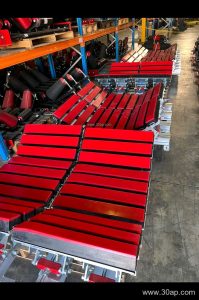
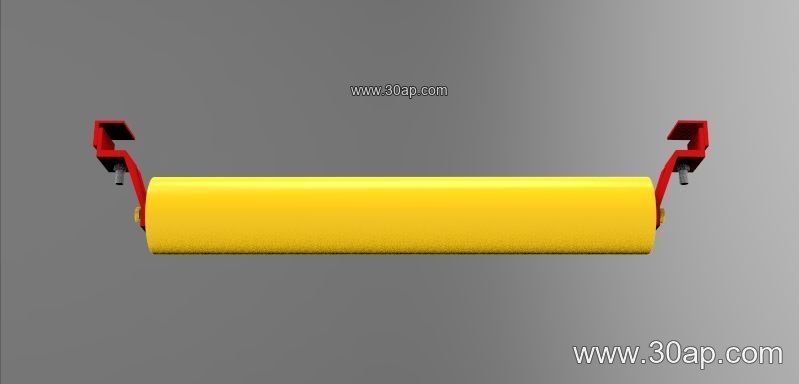
Rust-resistant idlers are often found in the carrying side as three-roll troughing sets, or on the return side as flat or V-return rollers. In a limestone mine or a cement plant, the wet scrubbing section and the outdoor stockpile conveyors are typical spots. Port facilities that handle bulk material in coastal air also benefit. You might see them under a steel cord conveyor belt or a fabric core conveyor belt where splashing water is unavoidable. They are not interchangeable with a conveyor pulley; the pulley drives or redirects the belt, while the idler merely supports it. For a crusher conveyor belt that carries damp aggregate, a rust-resistant troughing idler helps avoid seizing and belt wear.
Common Sizes and Configurations
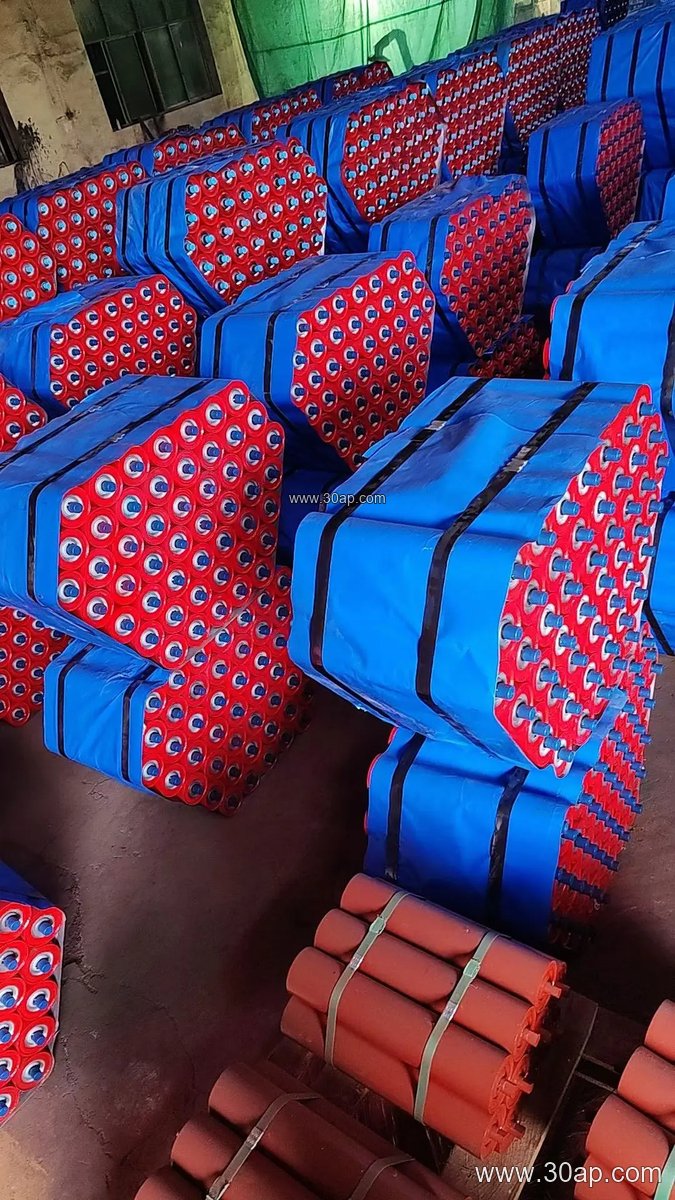
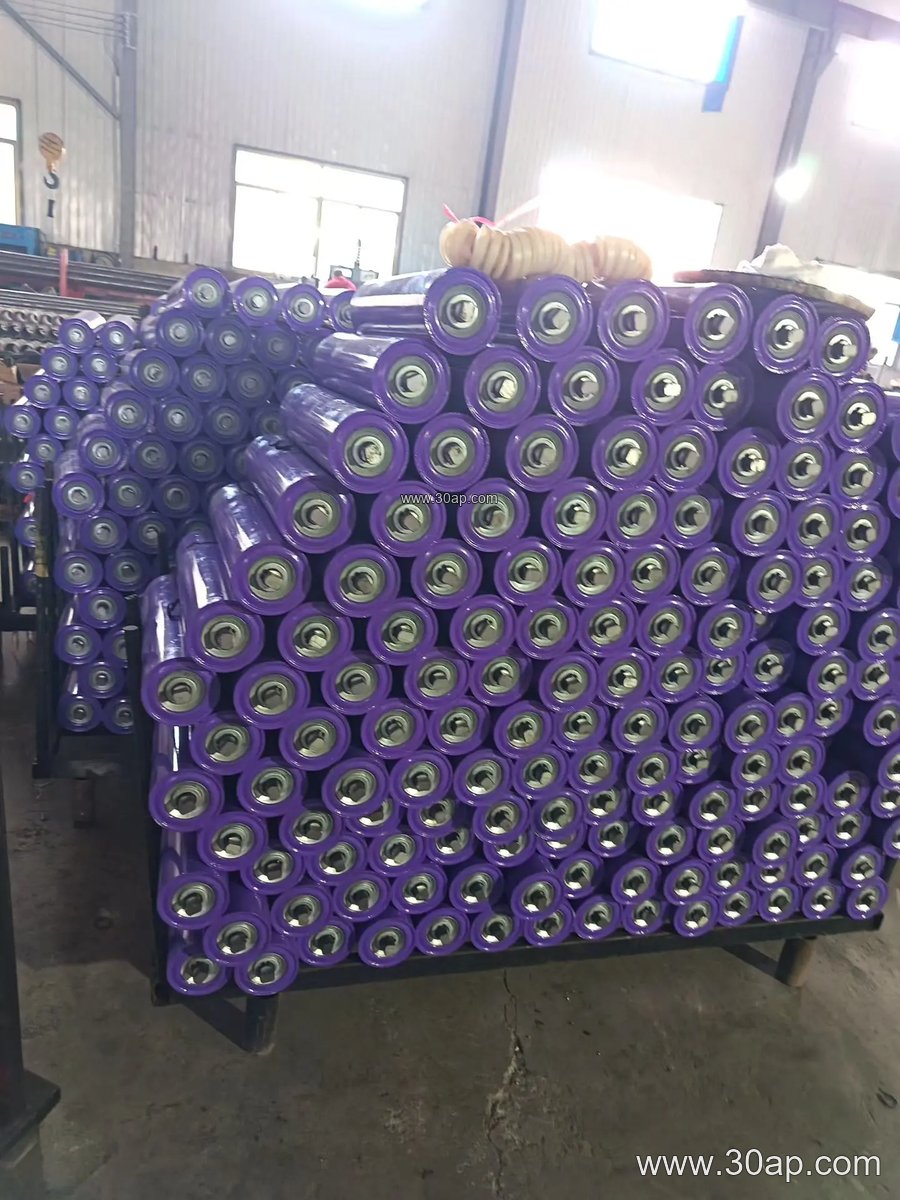
Roller diameter and length follow the belt width and the trough angle. The table below shows typical reference values, not a mandatory match. Always confirm with your conveyor design.
| Belt Width (mm) | Common Roller Diameter (mm) | Typical Roller Length for Three-Roll Trough (mm) | Common Trough Angle |
|---|---|---|---|
| B500 | Ø76, Ø89 | 200 | 20°, 30° |
| B650 | Ø89, Ø102 | 250 | 30°, 35° |
| B800 | Ø89, Ø108 | 315 | 30°, 35° |
| B1000 | Ø108, Ø127 | 380 | 35°, 45° |
| B1200 | Ø127, Ø133 | 465 | 35°, 45° |
| B1400 | Ø133, Ø159 | 530 | 35°, 45° |
| B1600 | Ø159, Ø178 | 600 | 35°, 45° |
| B1800 | Ø178, Ø194 | 670 | 35°, 45° |
| B2000 | Ø194, Ø219 | 750 | 35°, 45° |
These values are examples only. Side rollers and center rollers can differ, and a 20-degree trough is common for flat belts. For a pipe conveyor belt or a corrugated sidewall conveyor belt, the idler arrangement is different and should be specified separately.
Selection and Maintenance Notes
When choosing a rust-resistant idler, check the environment first. A washdown area in a food grade conveyor belt line may need stainless steel, while an outdoor coal mining conveyor belt might use galvanized shells with sealed bearings. Consider the belt speed and load; a heavy-duty mining conveyor belt with high tension may require larger shaft diameters and stronger bearing housings. The seal quality is critical: a poor seal lets water in and rust starts from inside. During maintenance, listen for squealing or check for play in the roller. Replace any idler that does not spin freely. Do not mix rust-resistant idlers with standard ones on the same troughing set, as uneven wear can affect belt tracking. For a conveyor system that handles abrasive aggregate, an abrasion resistant conveyor belt paired with well-sealed idlers reduces downtime. Remember that a rust-resistant idler is only one part of the conveyor; the conveyor pulley, bracket, and belt all work together. Regular inspection of the entire line, including the bend pulley and tail pulley, keeps the system efficient.